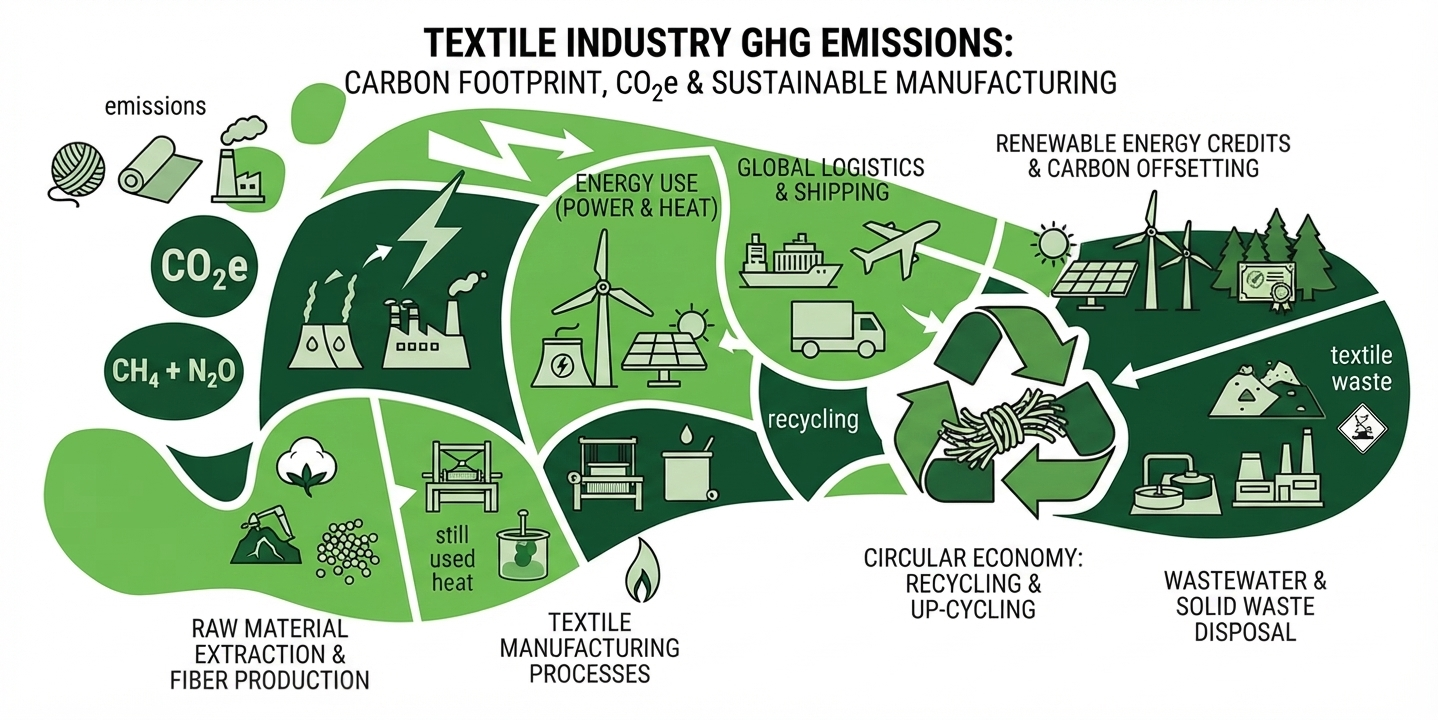
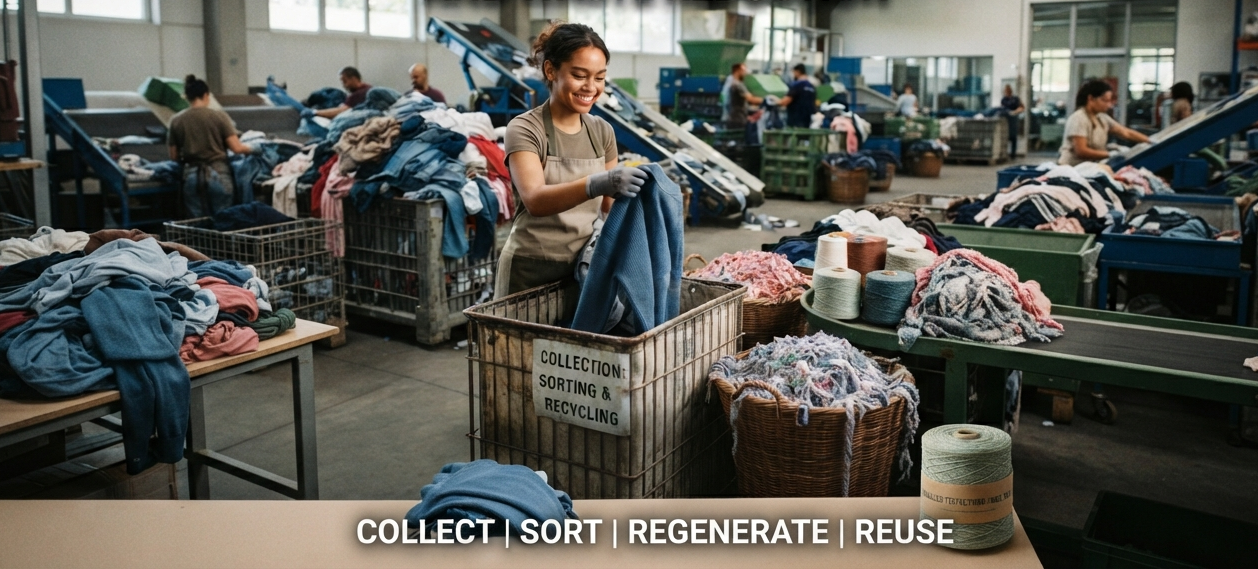
The garment and textile industry is an important part of the world economy but it is also one of the …
Transfer printing is the process of printing an image on paper, film or vinyl and then transferring that image to …
Spunlace nonwoven production—also known as hydroentanglement—sounds technical, but the idea is pretty straightforward once you break it down. Instead of …
Meltblown nonwoven fabric manufacture is a specialized production process for ultra-fine fibre webs with excellent barrier and filtration properties. Meltblown …
The garment industry is a vital part of the global economy, employing millions of people and supporting countless communities. But …
Sustainable and bio-based textile materials are fibres and materials derived from renewable biological resources or recycled resources, designed to reduce …
The fashion industry produces millions of tons of textile waste each year, creating environmental and economic challenges globally. Circular fashion …
Terry towels are highly absorbent woven fabrics characterized by loop piles on one or both sides. They are produced through …
Textile dyeing is more than adding color — it’s a complex chemical process where dyes bond with fibers to create …
Blockchain is a type of distributed ledger technology (DLT) that enables secure, transparent and immutable (unchangeable) recording of data and …
Brush finish and peach finish are textile finishing techniques used to improve the surface aesthetics, hand feel and comfort of …
Knitting is a process of inter-looping one or more yarns to form a continuous fabric structure. Unlike woven fabrics, knitting …
Garment merchandising is a systematic process of translating buyer needs to factory execution, commercial compliance and shipment realization. The merchandising …
AI is changing the way textile factories check fabric quality. Using cameras and smart software, AI can quickly find defects …
CMYK and Digital printing process are two very advanced techniques that are used today in the textile and garment industry …
Color fastness is the resistance of a dyed or printed textile material to change in color or transfer of color …
Burnout printing (also known as Devore) is a premium textile finishing technique used to create semi-transparent, patterned and elegant visual …
Discharge printing is a specialty textile printing technique that removes (or “discharges”) the existing dye from a dark-colored fabric and …
Plain weave derivatives are fabrics developed from the basic plain weave structure, with variations in yarn count, twist, finishing and …
Shapewear has become an important part of the modern wardrobe, offering gentle body contouring, better posture support, and a smoother …
This website uses cookies to improve your browsing experience and serve relevant ads. Privacy Policy .