Woven
Explore the manufacturing, construction and applications of woven garments in the textile and apparel industry. Learn about woven fabric structures, garment production processes, pattern making, cutting, sewing, quality control and finishing techniques. Discover how woven garments deliver durability, shape retention, comfort and versatility for products such as shirts, trousers, jackets, dresses, uniforms and workwear.
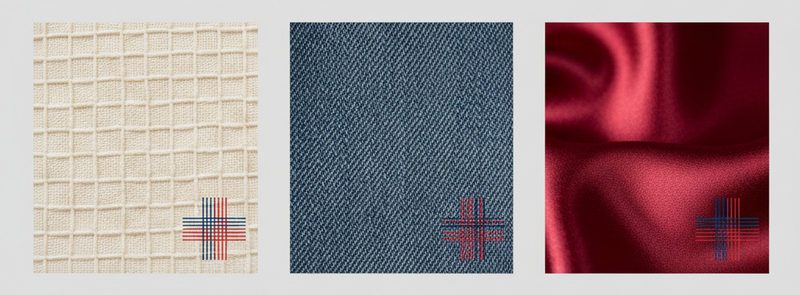
Woven Fabric in Textiles: Types, Properties and Applications in Apparel and Home Furnishing
Woven fabrics are constructed from two sets of yarns which are interlaced at right/certain angles to each other, the warp …
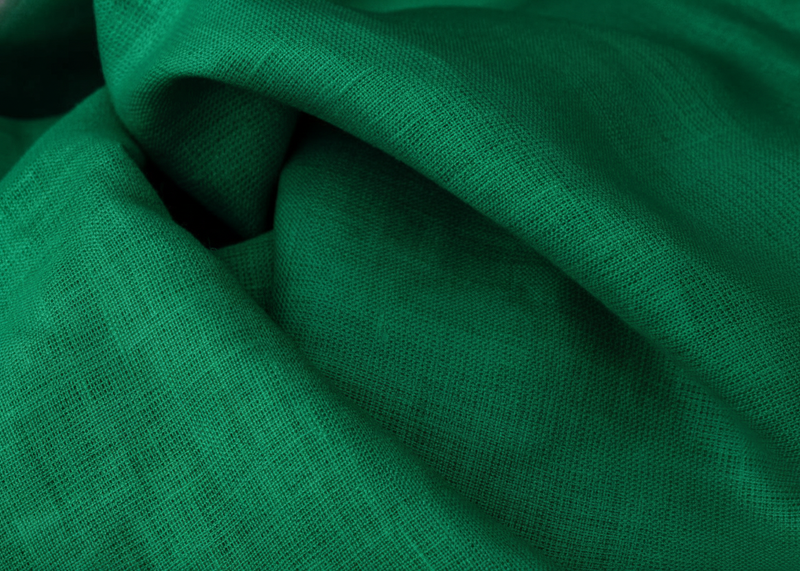
Woven Plain Weave Derivatives (Common Fabrics)
Plain weave derivatives are fabrics developed from the basic plain weave structure, with variations in yarn count, twist, finishing and …
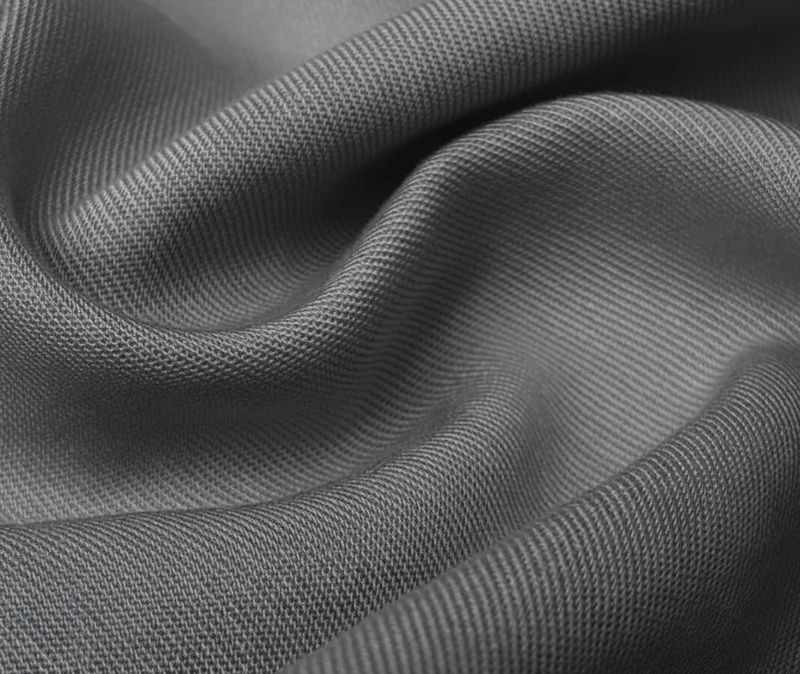
Woven Twill Weave Derivatives (Common Fabrics)
Twill weave derivatives are fabrics that are made from the twill weave structure. Twill weave is distinguished by diagonal ribs …
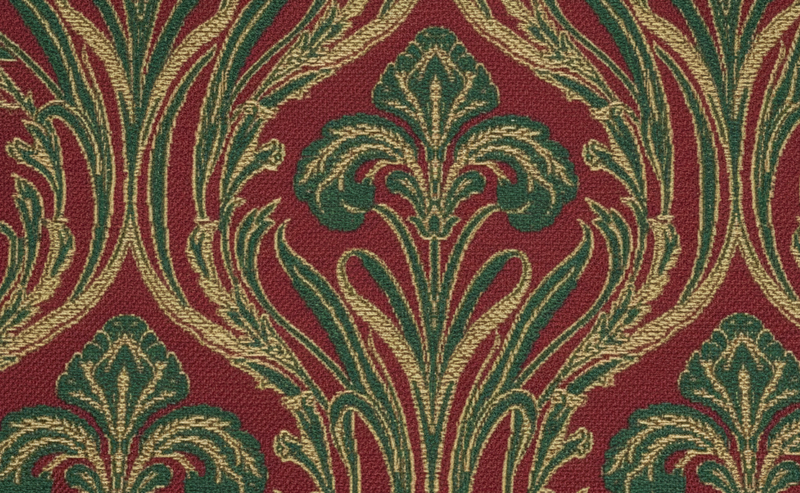
Decorative Woven Fabric Derivatives: Types, Techniques and Applications in Fashion and Home Textiles
Decorative woven derivatives are fabrics produced by the use of special weave effects, yarn manipulation or surface treatments to enhance …
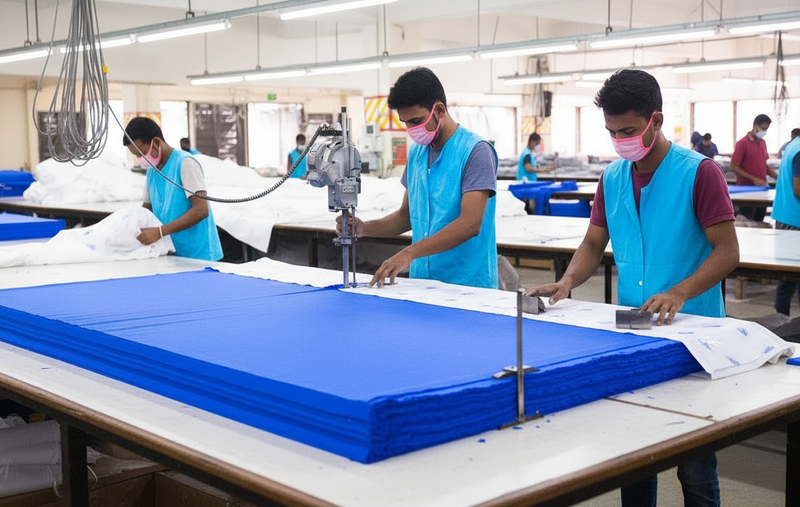
Fabric Cutting in Garment Manufacturing: Techniques and Tools
Cutting is one of the most important stages in garment manufacturing. It converts finished fabric into garment components of exact …
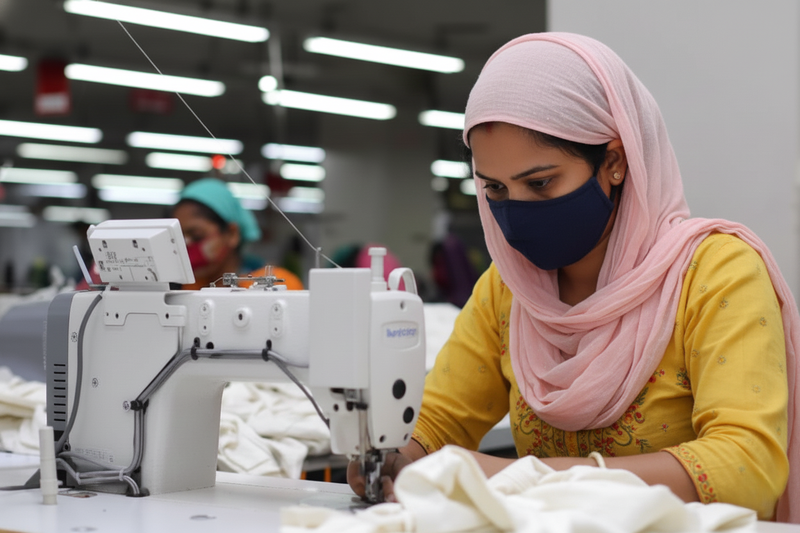
Sewing in Garment Manufacturing: Process Flow, Operations, Machine used and Quality Control
Sewing is the heart of garment manufacturing, where separate fabric pieces are joined together to create a complete product. This …
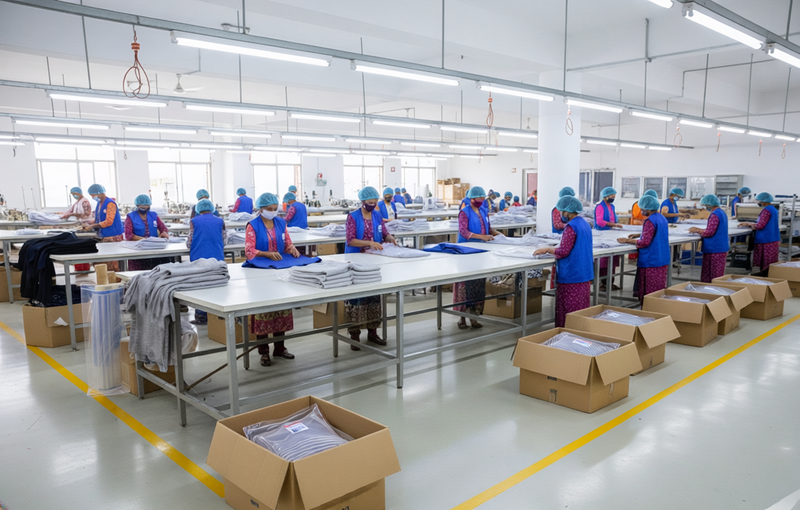
Garment Finishing Techniques: Processes for Quality, Appearance and Fashion Effects
Garment finishing is the final stage of the apparel manufacturing process, where the focus shifts from sewing to appearance, quality, …
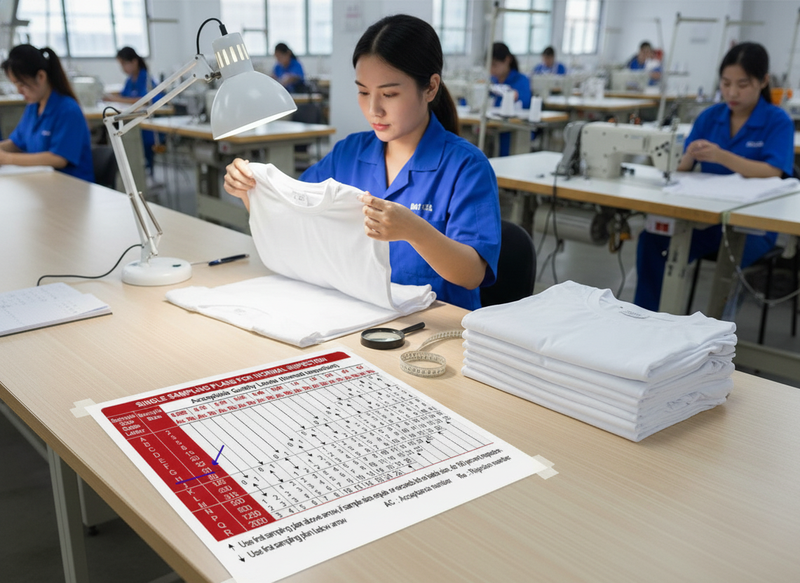
Garment Inspection System & AQL (Acceptable Quality Level)
Quality, the foundation of the global Garment industry. International buyers want well made, perfect fitting, faultless clothes, on time. For …

Terry Fabric in Textiles: Types, Properties and Applications
Terry fabric is a popular textile known for its soft feel, high absorbency and versatile applications. Recognized by its characteristic …
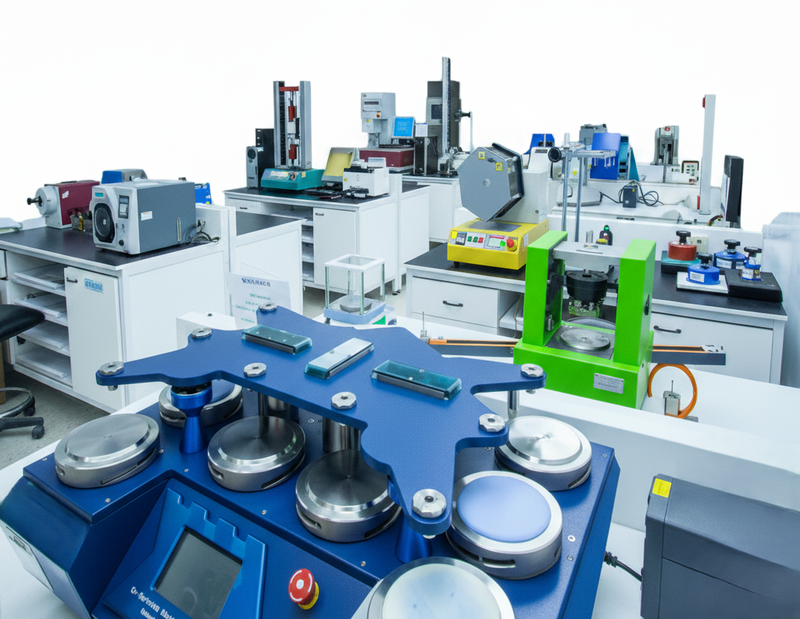
Woven Fabric Testing and Quality Control: Standards, Methods and Best Practices
Woven Fabric Testing & Quality Control (QC) is an important process in textile manufacturing to assure fabrics meet buyer requirements, …
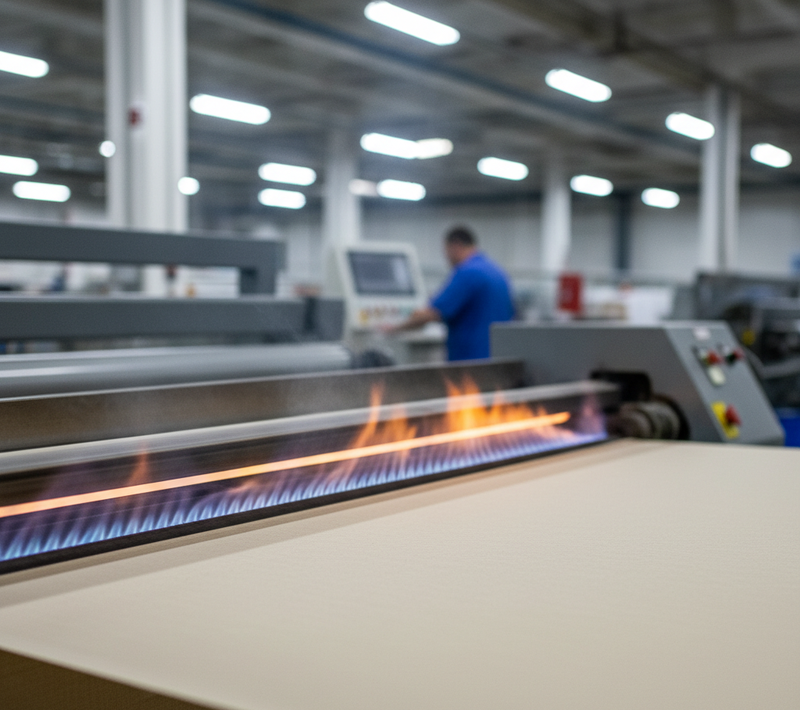
Singeing in Textile Processing: Techniques for Surface Cleaning and Fabric Quality Improvement
Fabric singeing is a primary finishing operation and is applied to both woven and knitted fabrics for removal of the …
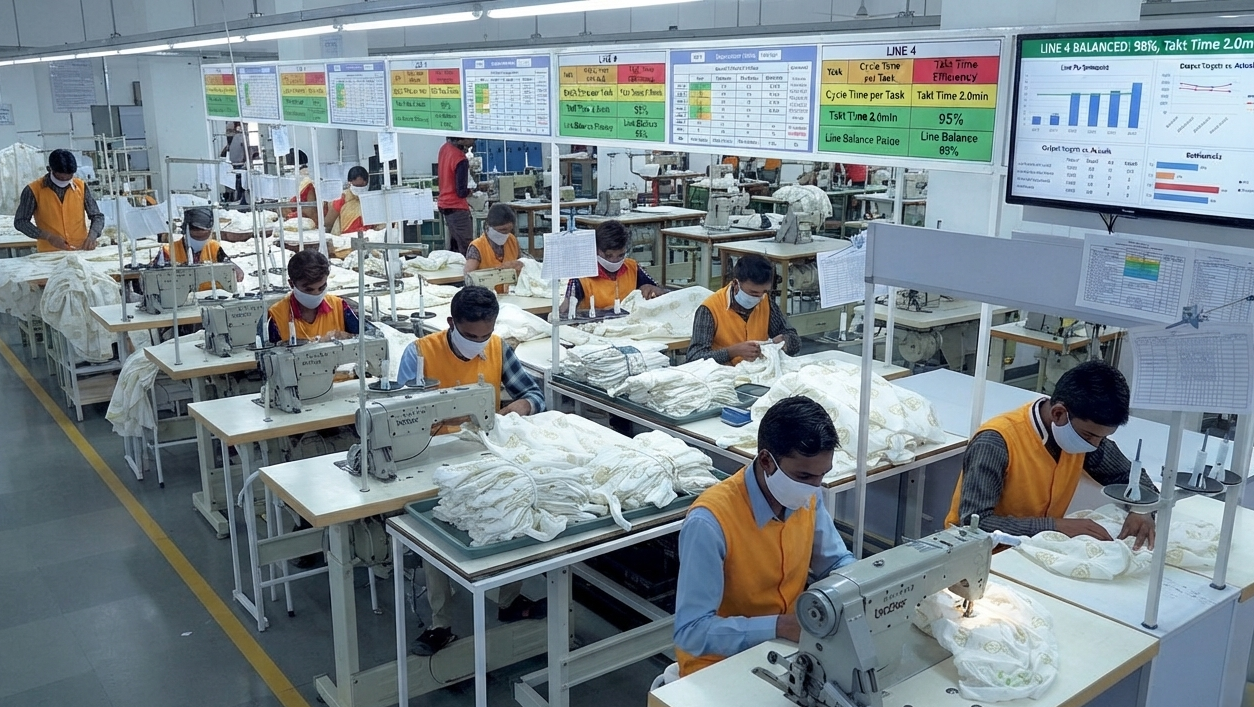
Garment Line Balancing: The Complete Guide to Improving Sewing Line Efficiency
Garment Line Balancing is the process of distributing work evenly across all operators and machines in a sewing line so …
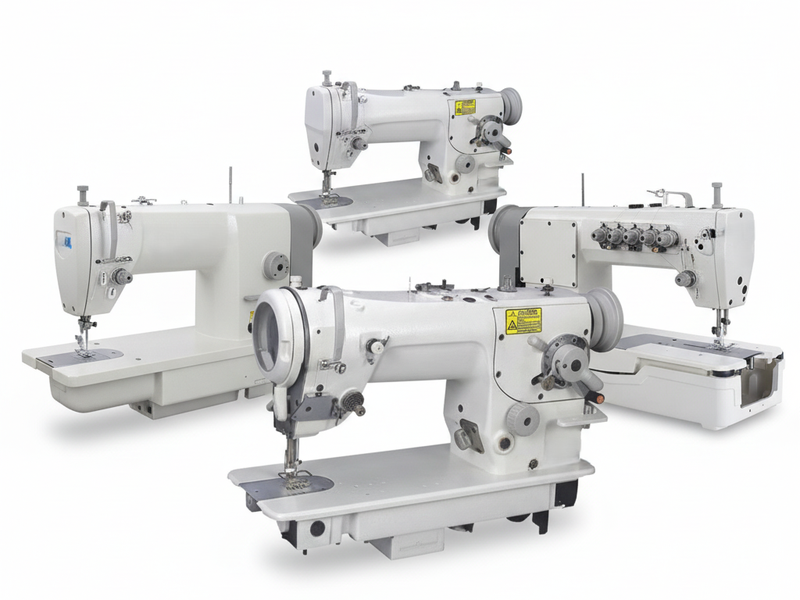
Garment Sewing Machine | High-Performance Industrial Machines
Garment sewing machines are the main production equipment used in the apparel industry to transform cut fabric panels into finished …