
Sustainability-Social & Environment
Subcategories

Sustainability in the Garment Industry
The garment industry is a vital part of the global economy, employing millions of people and supporting countless communities. But …
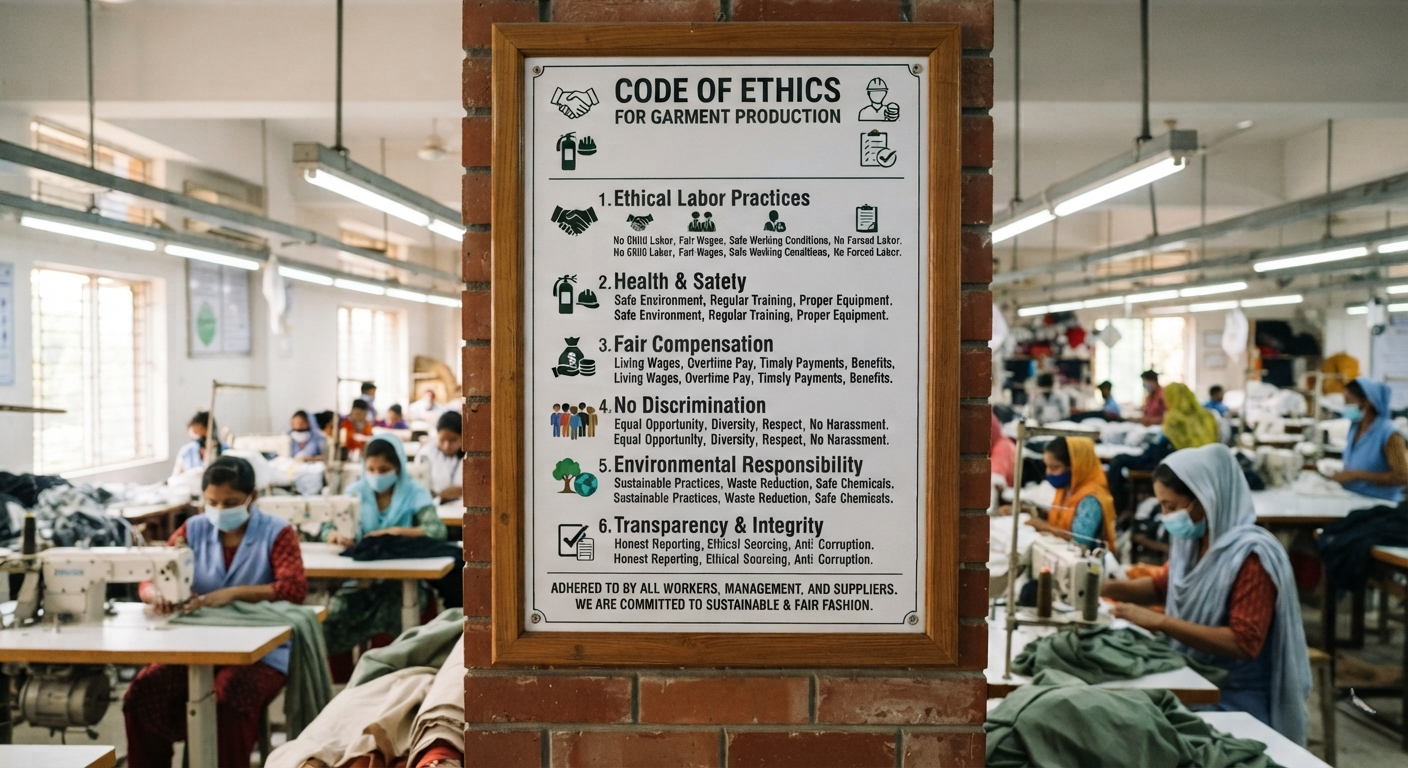
Code of Ethics (COE) for Apparel and Garment Manufacturing | Ethical Business Practices
A Code of Ethics (COE) is a collection of principles and standards that guides the ethical behavior of an organization. …

Why Ethical Labor Practices Are Essential for a Sustainable Textile Industry
The textile industry provides jobs for millions of people, but many workers still face low wages, unsafe workplaces and poor …

Fair Wages in Garment Manufacturing: ESG & Living Wage Guide
One of the pillars of social sustainability in the garment and textile sector is fair wages. Responsible wage practices not …

Garment Industry Working Hours: Overtime, Labor Rights & Sustainability
Working hours are a core element of the labor practices in the garment and textile sector. In addition to achieving …
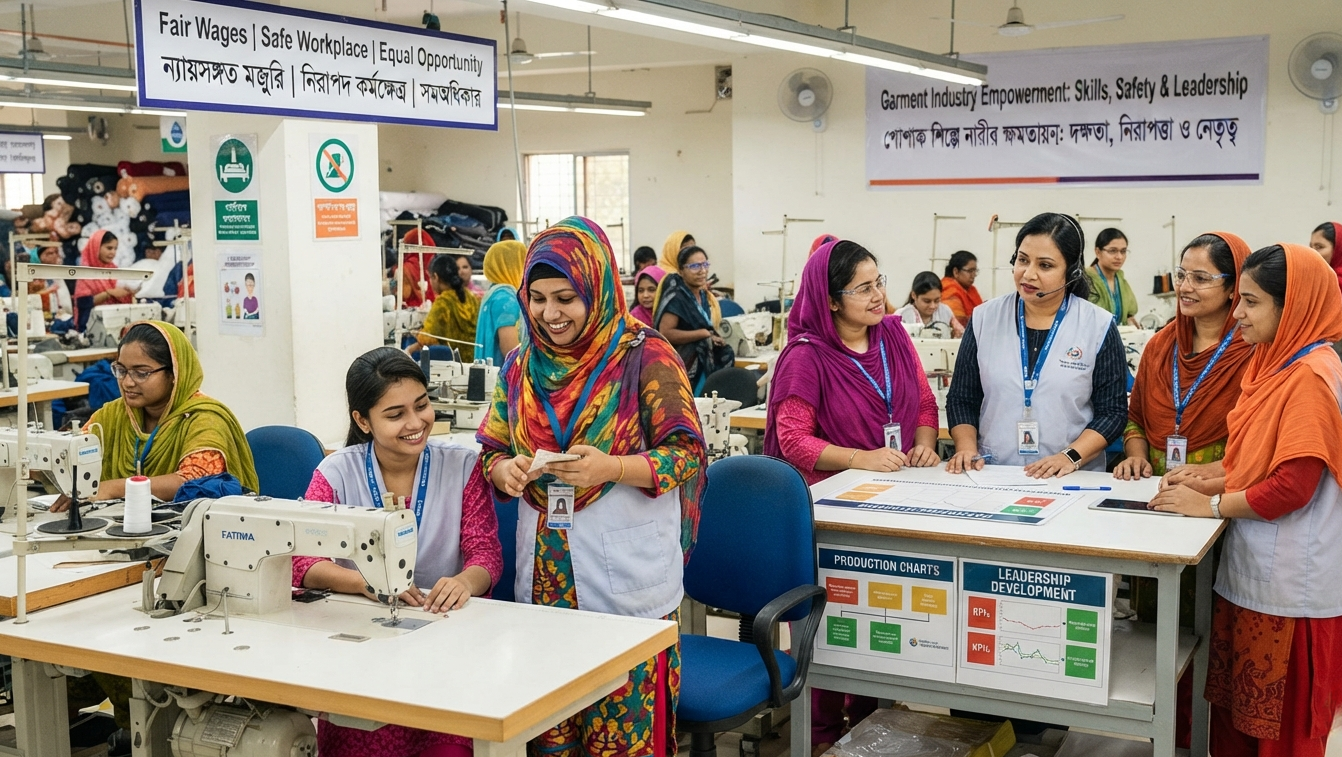
Women Empowerment in the Garment Industry: Fair Pay, Safety, Skills & Leadership
Women are an important part of the global garment industry. They represent a significant part of the workforce and are …
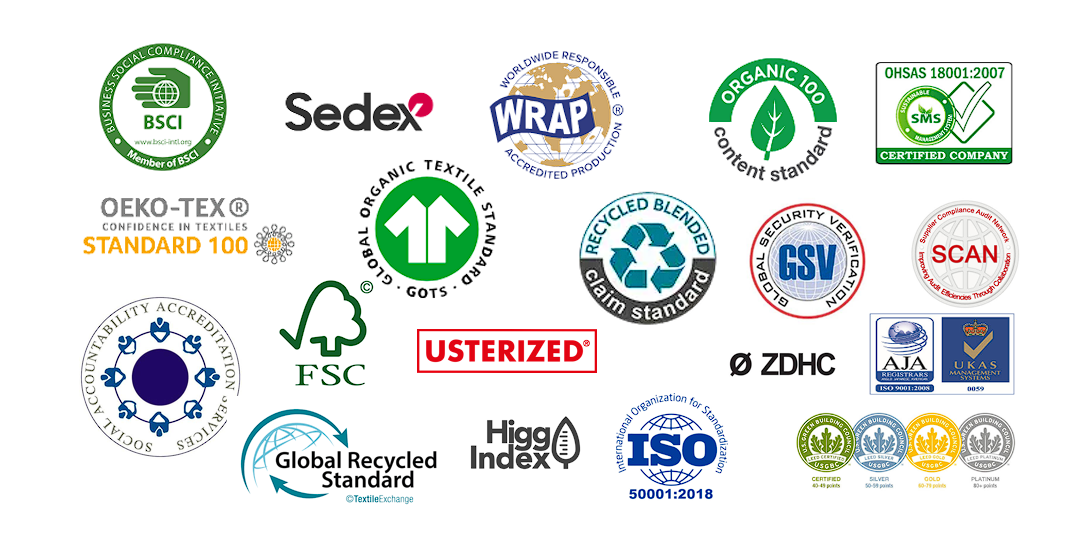
Garment Industry Certifications Explained: BSCI, SEDEX,Better work, GOTS, OCS, RCS, GRS, OEKO-TEX, ISO & Sustainability Standards Guide
In today's global apparel and textile industry, certifications play a critical role in ensuring product quality, worker welfare, environmental sustainability, …

Higg FEM: A Game Changer for Textile and Apparel Manufacturers
Environmental compliance is no longer enough for modern garment and textile factory. Brands are increasingly demanding that suppliers measure, manage, …

How Garment Factories Get Onboarded by Buyers (Step-by-Step)
In the garment industry, onboarding is not just a formality; it is the structured process by which buyers evaluate and …
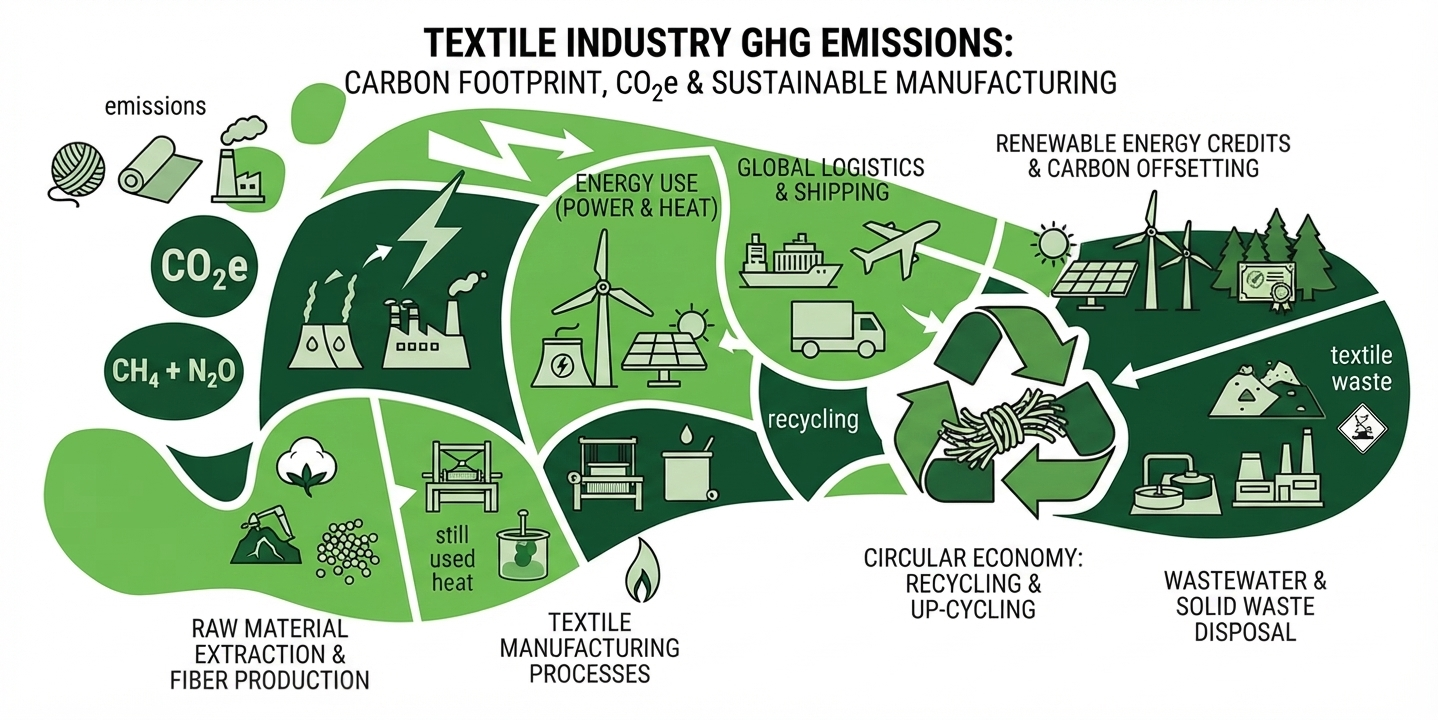
GHG Emissions in the Textile Industry: Carbon Footprint, CO₂e and Sustainable Manufacturing
The garment and textile industry is an important part of the world economy but it is also one of the …
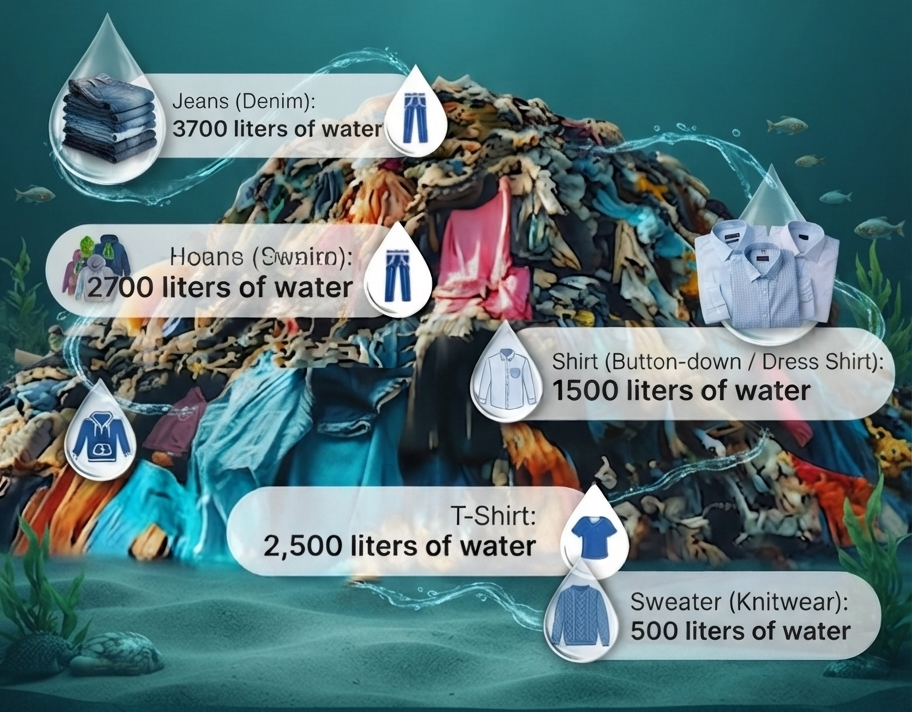
Textile Water Footprint: How Manufacturers Can Reduce Water Consumption
The future of textile manufacturing will depend on cost and productivity, but also on the efficiency with which factories manage …

Sonali Bag (Jute Plastic Bag): Sustainable Alternative to Polythene in Textiles and Packaging
Sonali Bag, also known as jute polymer bag or jute biopolymer bag, is an innovative, biodegradable and eco-friendly alternative to …

Waterless Textile Dyeing: Sustainable Innovations and Eco‑Friendly Fabric Processing
Waterless textile dyeing refers to coloration technologies that eliminate or drastically reduce the use of water in the dyeing process. …
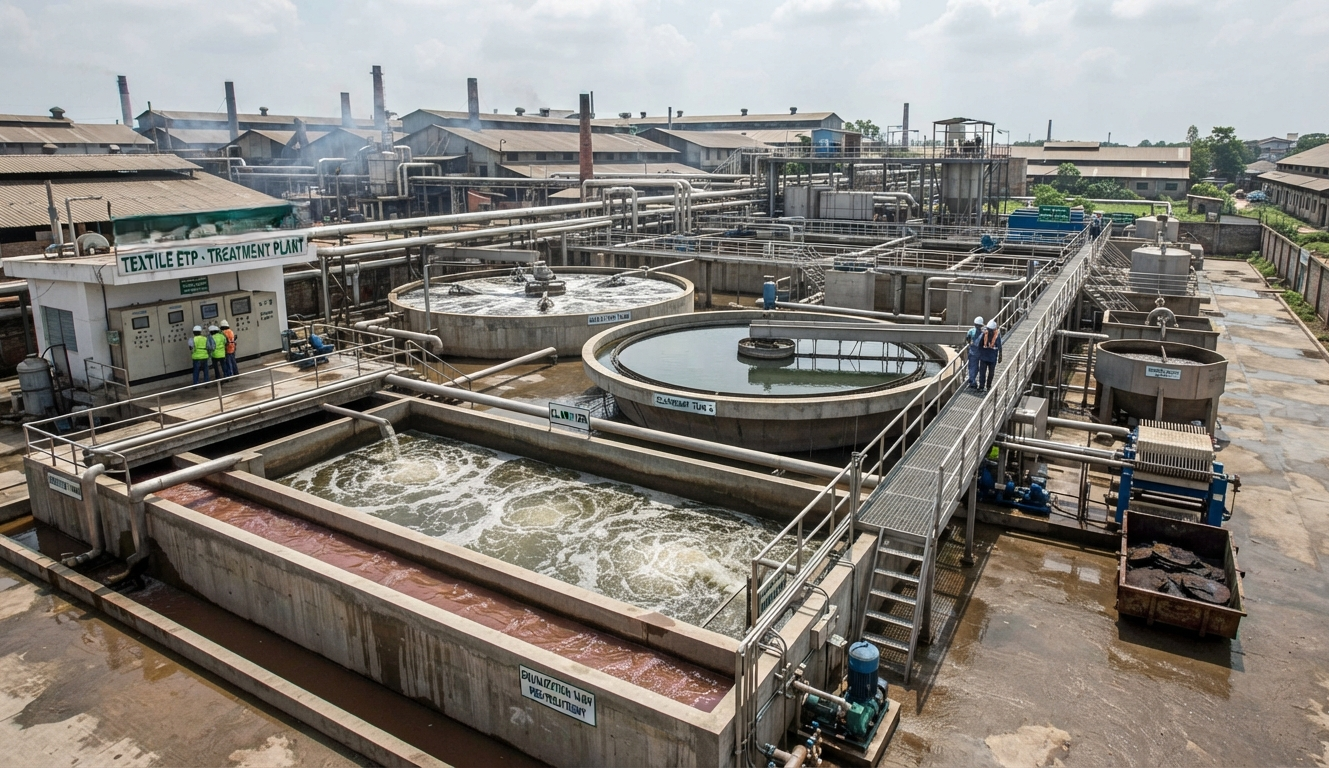
What is a Textile ETP? Process Flow, Chemicals, Equipment and Treatment Stages
Textile factories discharge large volumes of wastewater containing dyes, chemicals, salts and other pollutants. This water has to be treated …

Sustainable & Bio‑Based Materials in Textiles
Sustainable and bio-based textile materials are fibres and materials derived from renewable biological resources or recycled resources, designed to reduce …

Biotechnological Production and Dyeing of Textiles
Biotechnological production and dyeing is an emerging innovation in the textile industry that employs living microorganisms such as bacteria or …
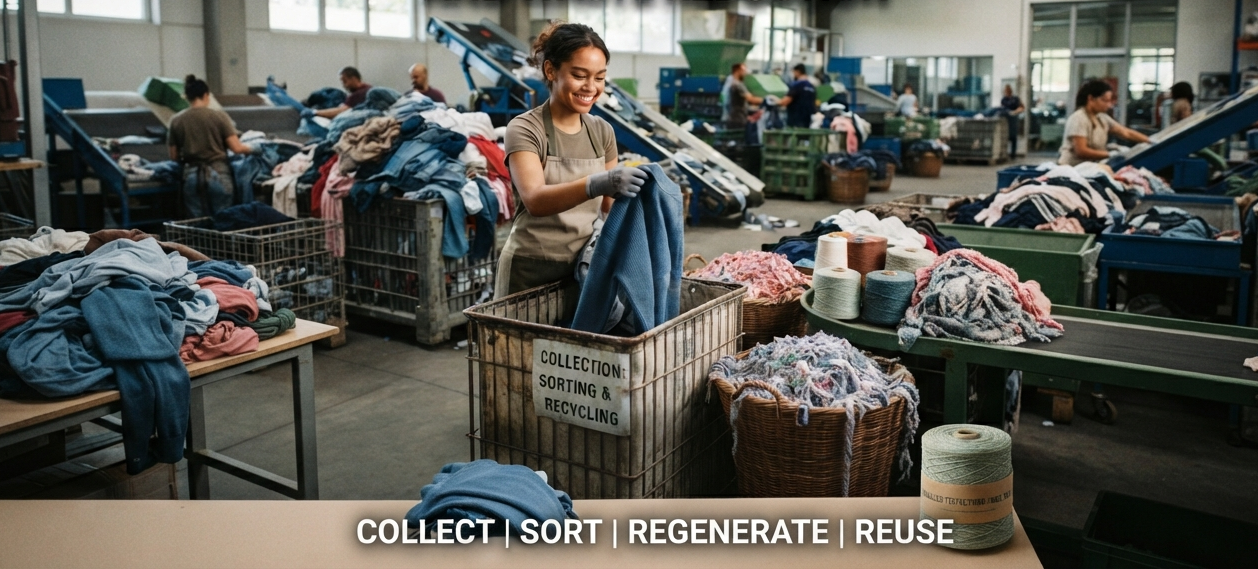
Circular Fashion & Textile Recycling: The Future of Sustainable Fashion and Waste Reduction
The fashion industry produces millions of tons of textile waste each year, creating environmental and economic challenges globally. Circular fashion …