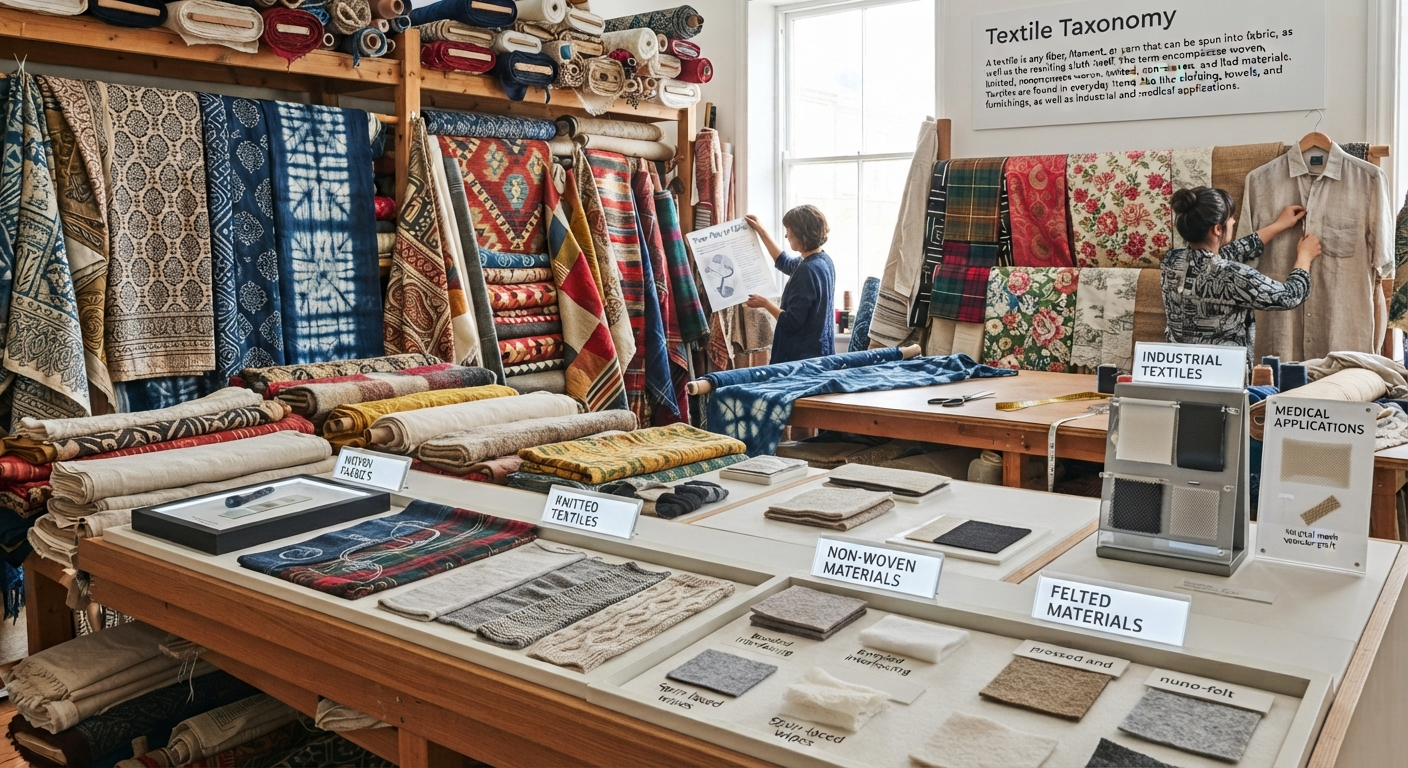
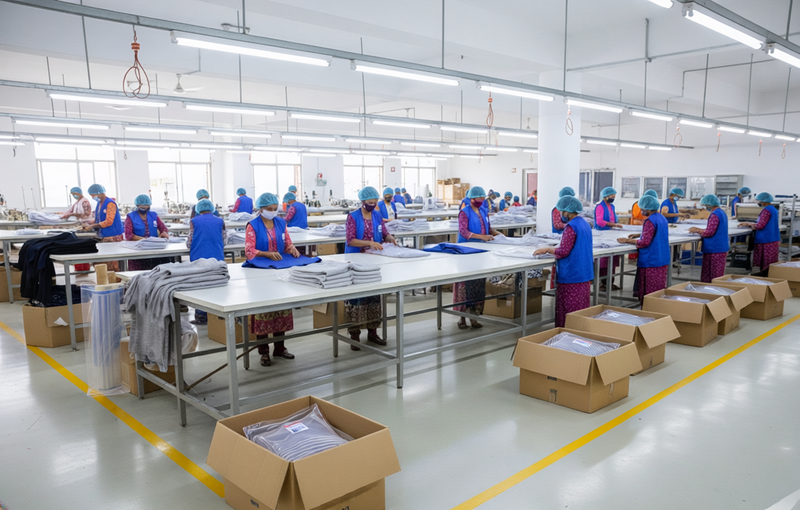
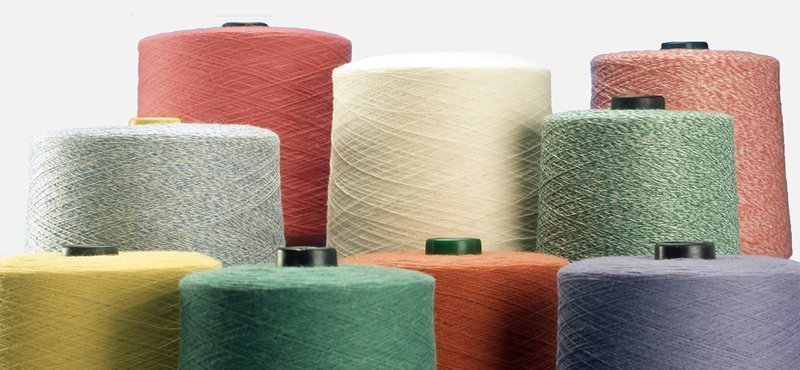
Textiles are everywhere — in the clothes on your back, the sheets on your bed, the seat belt in your …
A woven fabric defect is any visible or structural fault in fabric that occurs during weaving, yarn preparation or handling. …
Costing of garment factory is a systematic calculation process of cost required to make a garment from raw material to …
Specialty printing techniques such as Glitter, Foil, Flock and Caviar Bead printing are widely used in the fashion and garment …
Rubber printing is typically done with plastisol, high-solids water-based or silicone inks. The end result is bold, opaque, durable graphics …
Underwear is the first layer of clothing that we wear every day, and its purpose is to support the body, …
Pigment printing is one of the most popular printing methods in textile industry due to its simplicity, cost effectiveness and …
Fabric softening is a finishing process in textile manufacturing to enhance the hand feel, smoothness, drape and overall comfort of …
The textile and apparel industry is currently experiencing a rapid digital transformation and the Internet of Things (IoT) is at …
Garment finishing is the final stage of the apparel manufacturing process, where the focus shifts from sewing to appearance, quality, …
Garment Production Planning (GPP) is the process of converting customer orders into finished garments. It ensures that the right materials, …
Pigment is an insoluble colorant that has no affinity for textile fibers. Unlike dyes, pigments do not dissolve in water …
Garment merchandising is one of the most vital functions in the apparel industry, which acts as the central co-ordination point …
The textile and apparel industry is undergoing a profound transformation driven by digital printing technologies and immersive digital tools. These …
Textile printing is the application of colour, patterns or designs to fabric in a localised and controlled manner. Unlike dyeing, …
The foundation of smooth knitting, uniform panel quality and top sweater performance. One of the most important stages of pre-production …
Compacting is a mechanical finishing process for controlling and minimizing shrinkage especially in knits and loosely woven fabrics. The process …
A defect in yarn is any irregularity or abnormality in the structure, appearance or cleanliness of the yarn which is …
Hand feel, durability, color depth and price (from everyday basics to premium knits) are determined by the right yarn blend. …
Cutting is one of the most important stages in garment manufacturing. It converts finished fabric into garment components of exact …
This website uses cookies to improve your browsing experience and serve relevant ads. Privacy Policy .