Sewing thread is a fine continuous strand of fibres or filaments, specially made to join, secure, decorate or reinforce materials, …
The quality of fibre is the foundation of all downstream processes in the textile supply chain. The quality of the …
Fabric GSM (Grams per Square Meter) is one of the most critical parameters in textile manufacturing. It directly influences fabric …
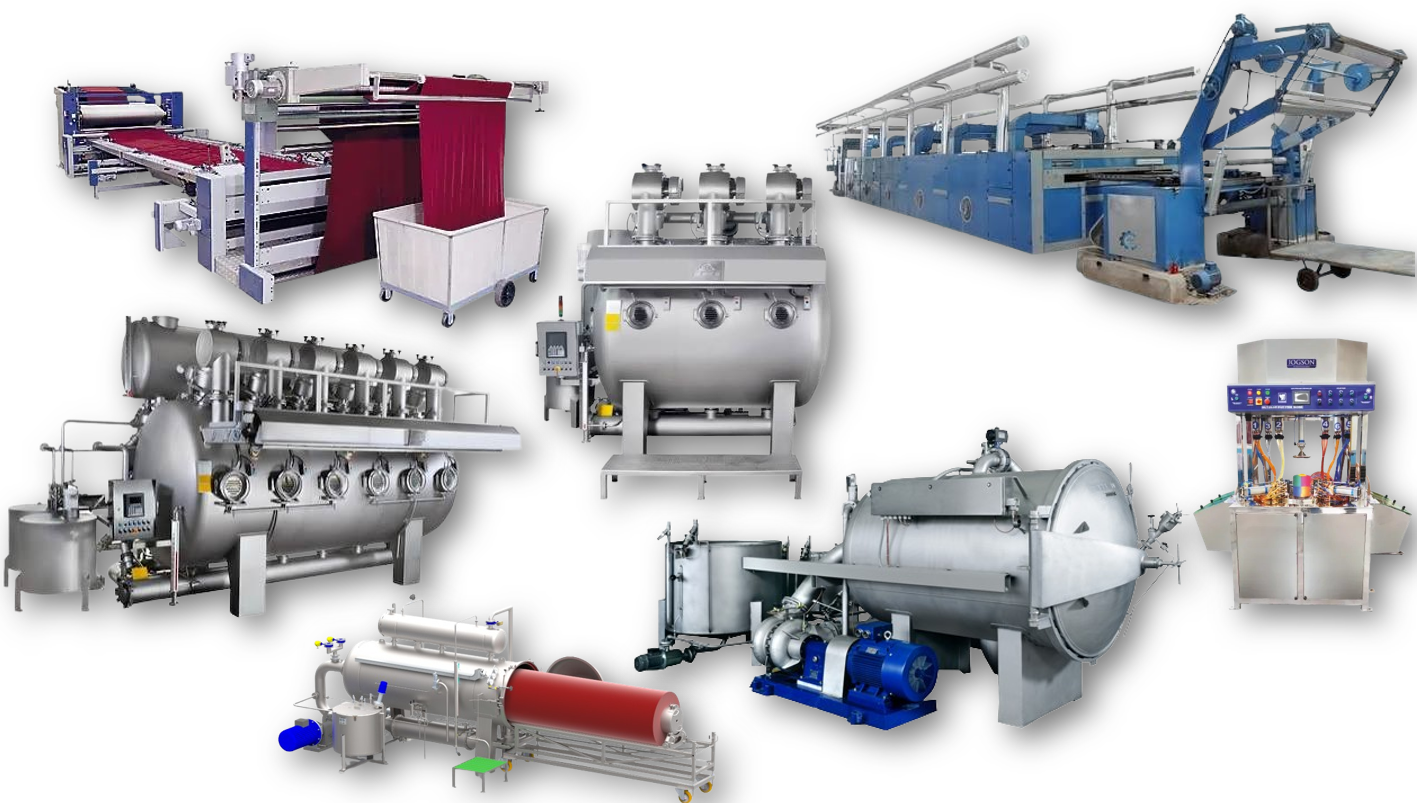
Dyeing and finishing machinery is where undyed yarn and grey fabric turn into finished textiles ready for the market. From …
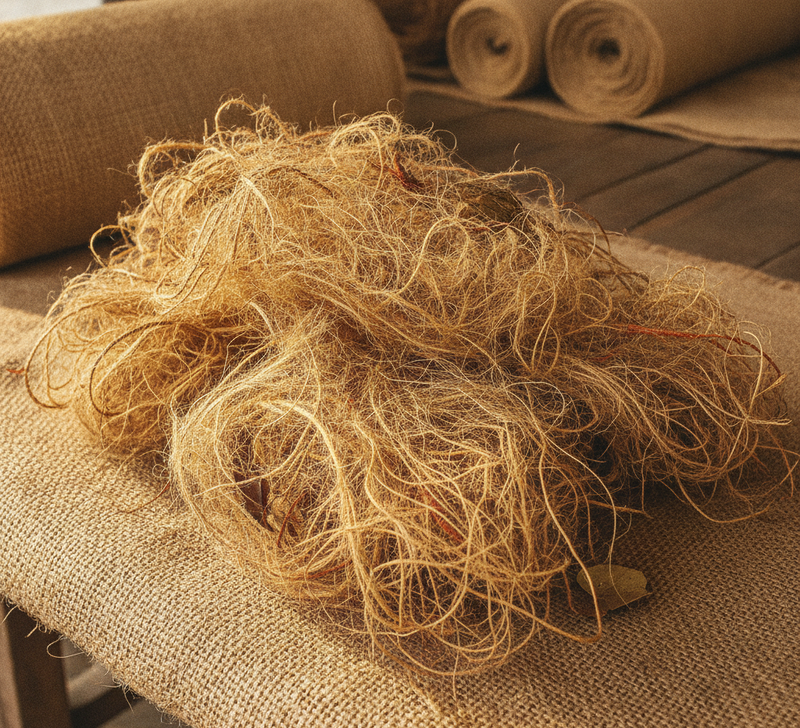
Jute is a natural fiber derived from the bark of plants belonging mainly to the Corchorus genus. Unlike many modern …
Defects in knit garments are common quality problems that occurred during the knitting, dyeing, finishing, cutting or sewing processes. These …
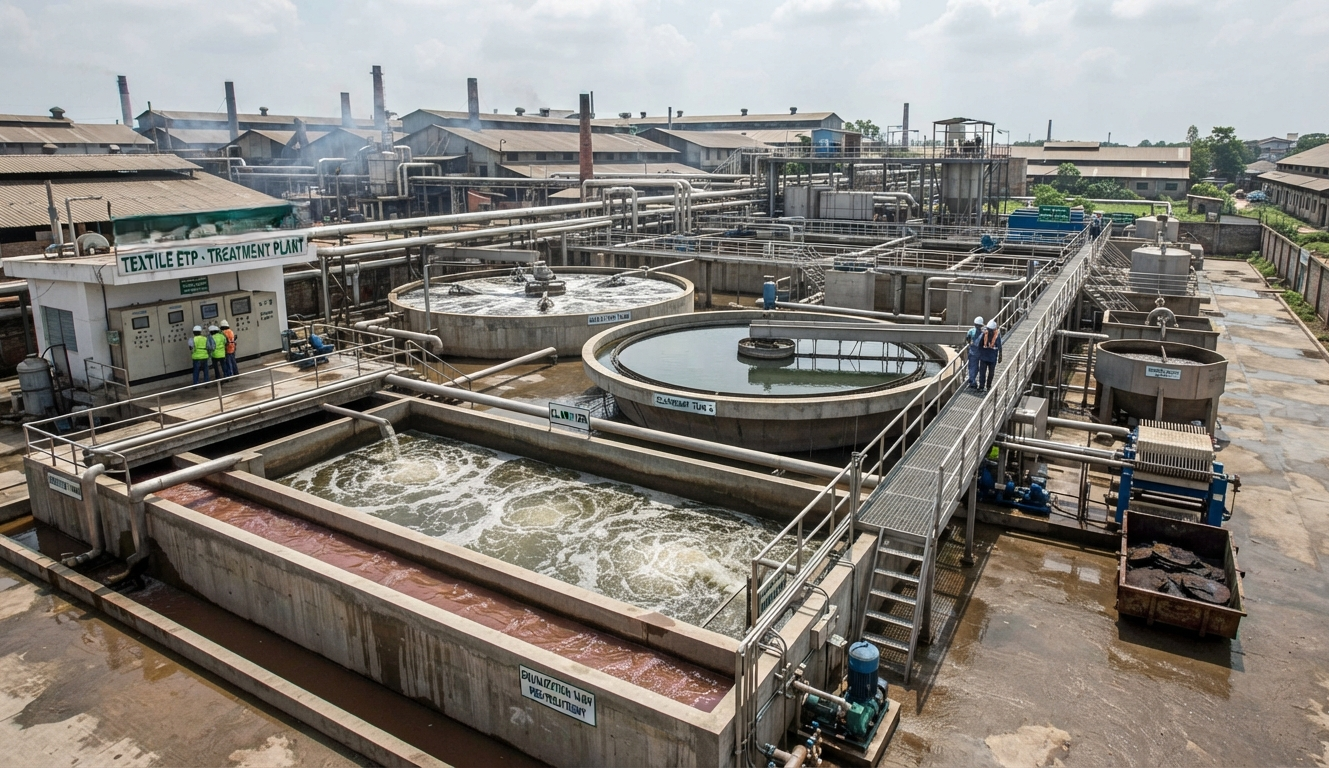
Textile factories discharge large volumes of wastewater containing dyes, chemicals, salts and other pollutants. This water has to be treated …
Chemicals play a crucial role in the wet washing of denim and garments. They enable manufacturers to achieve desired aesthetic …
Nonwoven fabric is a type of engineered textile material that is produced by bonding fibers directly rather than by spinning …
Needle-punched nonwoven production is a mechanical bonding process, in which fibers are entangled by repeatedly punching them with barbed needles. …
Knit fabric is a kind of textile material which is formed by interlooping the yarns unlike Woven fabrics are formed …
Fabric singeing is a primary finishing operation and is applied to both woven and knitted fabrics for removal of the …
Enzyme wash (bio wash) is basically a controlled bio‑polishing step where cellulase enzymes are used on denim garments. Sounds technical—but …
The bikini is one of the most iconic garments in modern fashion history. It is more than just swimwear, it …
Biotechnological production and dyeing is an emerging innovation in the textile industry that employs living microorganisms such as bacteria or …
Wet wash refers all water-based garment finishing processes whereby garments are treated with water, chemicals, enzymes or softeners to obtain …
Sewing is the heart of garment manufacturing, where separate fabric pieces are joined together to create a complete product. This …
Natural dyeing is not just a technique — it’s a story of human ingenuity, culture, and respect for nature. For …
Yarn testing and quality control are essential to ensure consistent yarn performance, fabric quality and downstream process efficiency. Proper yarn …
Stone wash is a textile finishing method in which garments are washed together with abrasive stone, traditionally pumice stones—to create …
This website uses cookies to improve your browsing experience and serve relevant ads. Privacy Policy .