
Blockchain in the Textile & Apparel Industry: Driving Transparency, Trust & Traceability
The textile and apparel industry is changing. Slowly in some places, fast in others—but the shift is real. And right in the middle of it, you’ll hear one word more and more: blockchain.
Not just a buzzword anymore.
Brands, factories, even consumers—they’re all starting to ask the same questions:
Where did this come from? Can I trust it? Is it really sustainable?
That’s where blockchain steps in. It doesn’t fix everything overnight, but it brings something the industry has struggled with for years—clear, tamper-proof information flow from fiber to finished garment.
Why Blockchain Matters in Textiles
Let’s be honest. The industry hasn’t always been transparent.
Some common pain points:
- Fake or mixed raw materials
- Sustainability claims that are… hard to verify
- Missing or inconsistent supply chain data
- Too much paperwork, too many manual processes
- Ongoing compliance headaches
Sound familiar?
Blockchain helps clean this up by creating a single source of truth—shared across suppliers, manufacturers, brands, auditors, even end customers. Same data. Same record. No quiet edits later.
How Blockchain Fits into the Textile Supply Chain
It doesn’t sit in one place—it runs through the whole chain.
Raw Material Stage
Everything starts here.
Cotton, wool, recycled fibers, PET… each gets a digital identity.
Details like:
- Source location (yes, even geolocation)
- Supplier info
- Certification data
Once recorded, it stays there. Locked in.
Yarn & Fabric Manufacturing
Now things get technical.
Spinning, weaving, knitting—all those processes generate data. Machine logs, quality reports, dyeing records… instead of sitting in scattered files, they go straight into blockchain entries.
Messy spreadsheets? Less of that.
Garment Manufacturing
This is where panels turn into actual garments.
Cutting, stitching, finishing—it’s all tracked.
Even compliance records can be attached:
- Worker welfare
- Factory audits
- Process checks
Not perfect everywhere, but the visibility improves a lot.
Logistics & Distribution
Once garments leave the factory, tracking usually gets weaker. Documents get lost. Updates don’t match.
Blockchain tightens this up:
- Shipping data
- Warehouse movements
- Handling records
Everything is logged. Harder to delay, harder to manipulate.
Customer Level
This is the part people actually see.
Scan a QR code on a garment—and suddenly:
- You know where it was made
- What materials were used
- Whether the sustainability claim holds up
It’s simple on the surface. A scan.
But behind that scan is the full story.
Key Applications of Blockchain in Textiles
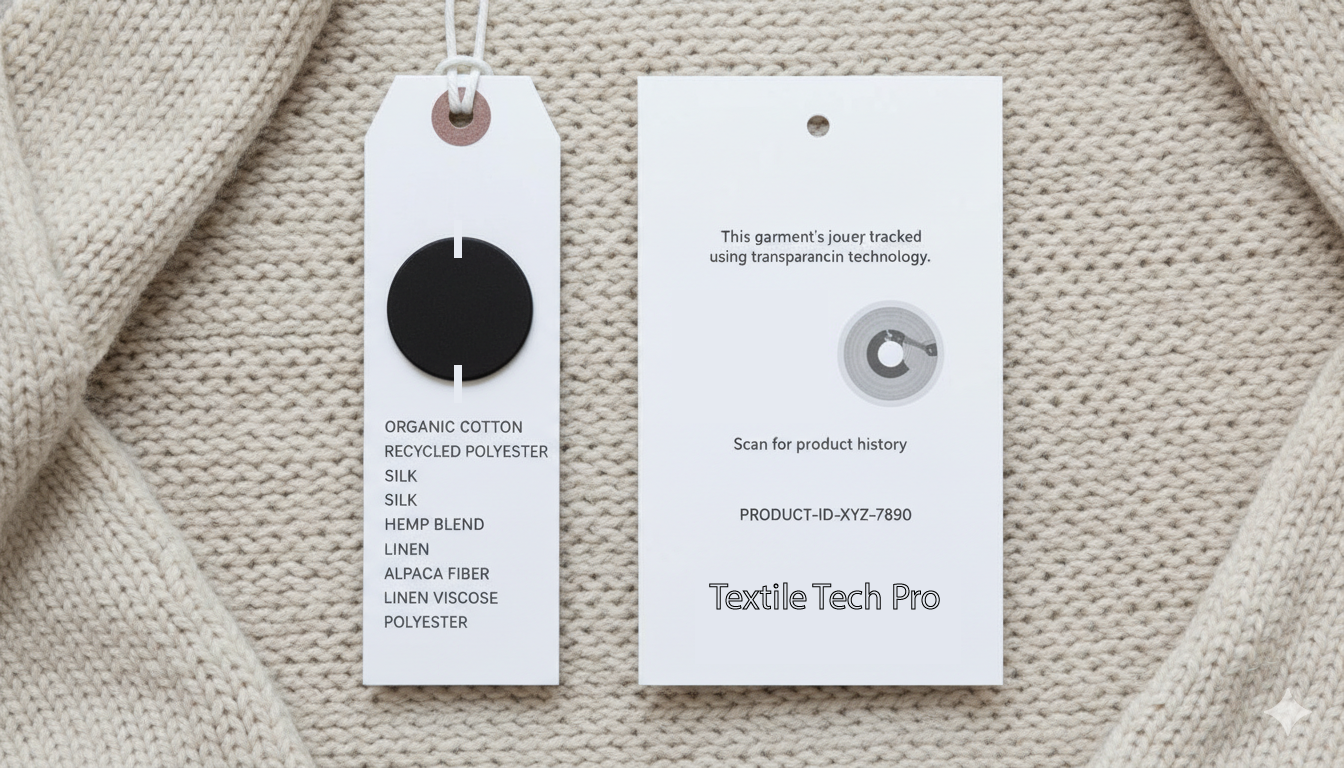
This is where it gets practical.
Supply Chain Traceability
From farm → factory → store.
Every step recorded. Not later, but in real time.
Which means:
- Better transparency
- Less fraud
- Easier audits
And fewer “we’re still checking” moments.
Anti-Counterfeiting
A big issue. Bigger than most admit.
Blockchain helps by:
- Linking products to secure QR/NFC tags
- Providing digital certificates
- Making replication harder
Not impossible—but definitely harder.
Sustainability Verification
Sustainability is everywhere now. Claims too.
But proving it? That’s always been tricky.
Blockchain supports:
- Organic cotton traceability
- Recycled fiber tracking
- Chemical usage logs
- Carbon footprint data
Less guesswork. More proof.
Smart Contracts
A bit more technical—but useful.
Smart contracts trigger actions automatically when conditions are met.
For example:
- Payment released once goods are shipped
- Raw materials approved instantly
- Digital approvals without chasing emails
Saves time. Cuts friction.
Digital Compliance & Certifications
No more digging through files during audits.
Blockchain can store:
- Social compliance reports
- Worker safety records
- ZDHC data
- OEKO‑TEX, GOTS certificates
And the key thing—these records can’t be quietly altered.
Blockchain Benefits for Factories & Brands
Let’s keep it real. The benefits are clear—but they depend on how well it’s implemented.
Still, when it works, you see:
Transparency: Clear data from fiber to finished garment
Trust: Stronger credibility with buyers and brands
Efficiency:Less paperwork, faster approvals
Compliance: Easier audits, fewer surprises
Consumer Confidence: Customers actually see what they’re buying
Cost Reduction:Less fraud, fewer disputes, reduced admin work
Blockchain + IoT: A Powerful Combination
On its own, blockchain is already useful. Add IoT into the mix—and things start to feel a lot more real-time.
Here’s the simple idea:
- IoT sensors capture live data
- Blockchain stores that data securely
- Then the system reacts—alerts, reports, even small corrections—without too much human chasing
It’s less about theory, more about what’s actually happening on the ground.
Where this shows up in textiles:
Temperature sensors in dyeing
→ If the temperature drifts, you know immediately. Not hours later when shade is off.
GPS tracking during transportation
→ Goods aren’t just “in transit.” You can see where they are. At any moment.
Real-time yarn break logs
→ Instead of manual checks, machines report issues as they happen
Small data points, collected continuously. Put together, they give a much clearer picture of what’s going on.
Brands Already Using Blockchain
This isn’t just experimental anymore. A number of big names have already started applying blockchain in their supply chains.
You’ll see companies like:
- H&M Group
- Levi’s
- Nike
- Decathlon
- Hugo Boss
- Patagonia
All moving—at different speeds, sure—but moving.
And they’re not doing it alone.
There’s a growing ecosystem of platforms supporting this shift:
- TextileGenesis
- IBM Blockchain
- Provenance
- VeChain
Each one tackling traceability and transparency from slightly different angles.
Future of Blockchain in Textiles (2026–2030)
Looking ahead… things are likely to get a lot more connected. And a bit more demanding too.
Some changes feel almost inevitable:
Fully traceable supply chains
Not partial visibility. End-to-end. Every step accounted for.
Digital product passports
Every garment carries its history—materials, processes, certifications—all accessible
Circular systems getting smarter
Reuse, recycling, resale… tracked properly, not loosely claimed
AI + blockchain together
Demand forecasting tied with real production and supply data
Sustainability scores consumers can actually see
Not hidden in reports—right there when you scan the product
Automated documentation and audits
Less paperwork, fewer delays, and fewer “missing files” situations
Final Thought
The shift won’t happen overnight. Some factories are ready. Others… still figuring it out.
But direction-wise, it’s pretty clear.
The textile industry is moving toward something more transparent, more digital and more accountable.
And blockchain?
It’s quietly becoming the system that holds all those pieces together.


