Walk into any clothing store and you will see rows and rows of shirts, jeans, dresses and jackets. Each one of these items has a story behind it that most shoppers never think about. Before a t-shirt reaches a store shelf, it has already traveled through farms, factories, dye houses, sewing lines and shipping containers. Along the way, it has used water, energy, chemicals and human labor.
For a long time, the fashion industry did not pay much attention to what happened behind the scenes of its own supply chain. The goal was simple: make clothes fast, make them cheap and sell as many as possible. But this approach came with a heavy price. Rivers near factories turned strange colors from dye waste. Workers in some countries faced unsafe conditions and unfair pay. Mountains of unsold or thrown-away clothes piled up in landfills.
Today, things are slowly changing. Sustainability is no longer a nice-sounding word used only in marketing. It has become a real business need. Brands, factories, governments and shoppers are all starting to ask the same question: how can we make clothes without damaging the planet or hurting the people who make them?
This article looks at sustainability in the garment industry from two angles that are often mixed together but actually deserve separate attention: the environmental side (how clothing production affects nature) and the social side (how it affects people). It is easy to talk about sustainability as one broad idea, but the two sides involve very different challenges, very different solutions and very different people responsible for fixing them — which is exactly why splitting them apart helps make the picture clearer. Each section below combines plain explanation, quick-scan bullet points and a summary table, so you can read the full story or jump straight to the highlights.
Part One: Environmental Sustainability in the Garment Industry
Environmental sustainability is about protecting nature — the water, the air, the soil and the natural resources we all depend on, both today and for future generations. The garment industry touches all of these in a big way, mostly because clothing production involves so many steps: growing or making fibers, spinning them into yarn, weaving or knitting fabric, dyeing, finishing, cutting, sewing and finally shipping the finished product around the world.
Water Use and Water Pollution
Water is at the heart of clothing production. It is used to grow cotton, wash fibers, dye fabric and finish garments so they feel soft and look right. The amount of water used is enormous — producing a single cotton t-shirt can take thousands of liters when you count everything from the farm to the factory.
This heavy water use creates real problems on the ground. In many textile-producing regions, water is already scarce and factories competing with farms and households for the same limited supply can leave communities short on clean water. When wastewater from dyeing is not treated properly, it carries dyes, salts and heavy metals into rivers, harming wildlife and making water unsafe nearby. Groundwater is also being drawn down faster than nature can refill it in some manufacturing hubs, slowly drying up sources entire towns depend on.
Key challenges:
- Extremely high water use in wet processing (dyeing, washing, finishing)
- Chemical-heavy wastewater discharged into rivers and streams
- Groundwater depletion in major textile regions
- Competition with local communities for scarce water
Key solutions:
- Wastewater treatment plants that clean water before it re-enters rivers
- Water recycling systems that reuse water across multiple processes
- Waterless or low-water dyeing technologies
None of these fixes happen automatically. They require factories to spend money upfront on new equipment and they often require brands to support that investment rather than simply demanding the lowest possible price. In regions where water stress is already severe, even small improvements — like a dyeing method that uses noticeably less water — can make a real difference to nearby farms and households competing for the same limited supply.
Energy Use and Carbon Emissions
Making clothes takes a lot of energy and most of it still comes from burning fossil fuels like coal. Every stage — spinning, weaving, dyeing, drying, finishing — needs machines that run on electricity or heat and in many manufacturing countries that electricity comes from coal power plants. Synthetic fibers like polyester add to the problem too, since they are made from petroleum and require significant energy before the fabric is even woven. Then there's transport: a single garment might be designed in one country, woven in another, sewn in a third and shipped to stores worldwide, with every leg of that journey burning fuel.
Key challenges:
- Coal-based electricity powering most textile manufacturing
- Energy-intensive synthetic fiber production
- Emissions from long-distance shipping and logistics
- Heat-heavy processes like dyeing and drying
Key solutions:
- Switching factories to solar or wind power
- Using energy-efficient machinery
- Shortening supply chains and sourcing closer to markets
The pace of this shift varies a lot by region. Countries with access to cheap renewable energy and supportive government policy are moving faster, while factories in areas still heavily reliant on coal face a harder, more expensive transition. This is one reason why brands are increasingly expected to help fund cleaner energy at the factory level, rather than treating emissions purely as a supplier's problem to solve alone.
Waste and Overproduction
Perhaps the most visible environmental problem in fashion today is simply how much is made — and thrown away. Fast fashion pushes clothes to be designed, produced and sold at incredible speed and low prices, encouraging people to buy more than they need. Fabric scraps are discarded during cutting, unsold inventory is destroyed or landfilled and cheaply made clothes wear out fast and get thrown away rather than repaired. Because most garments are blends of different fibers, they are hard to recycle with current technology. Synthetic fabrics also shed microplastics every time they're washed, fibers so small they slip through filters and end up in oceans and the food chain.
Key challenges:
- Overproduction driven by fast fashion demand cycles
- Fabric waste during cutting and pattern-making
- Unsold inventory destroyed or landfilled
- Low recycling rates for blended fabrics
- Microplastic shedding from synthetic textiles
Key solutions:
- Better demand forecasting to avoid overproduction
- Designing garments to be durable and repairable
- Take-back and resale programs to extend garment life
Overproduction is often described as a design problem as much as a manufacturing one. Decisions made months before a garment is even cut — how many units to order, how many colors and sizes to offer, how quickly a trend is expected to fade — end up determining how much of that batch will eventually go unsold. Brands that invest in better data and slower, more deliberate planning tend to waste noticeably less than those chasing the fastest possible turnaround.
Sustainable Materials
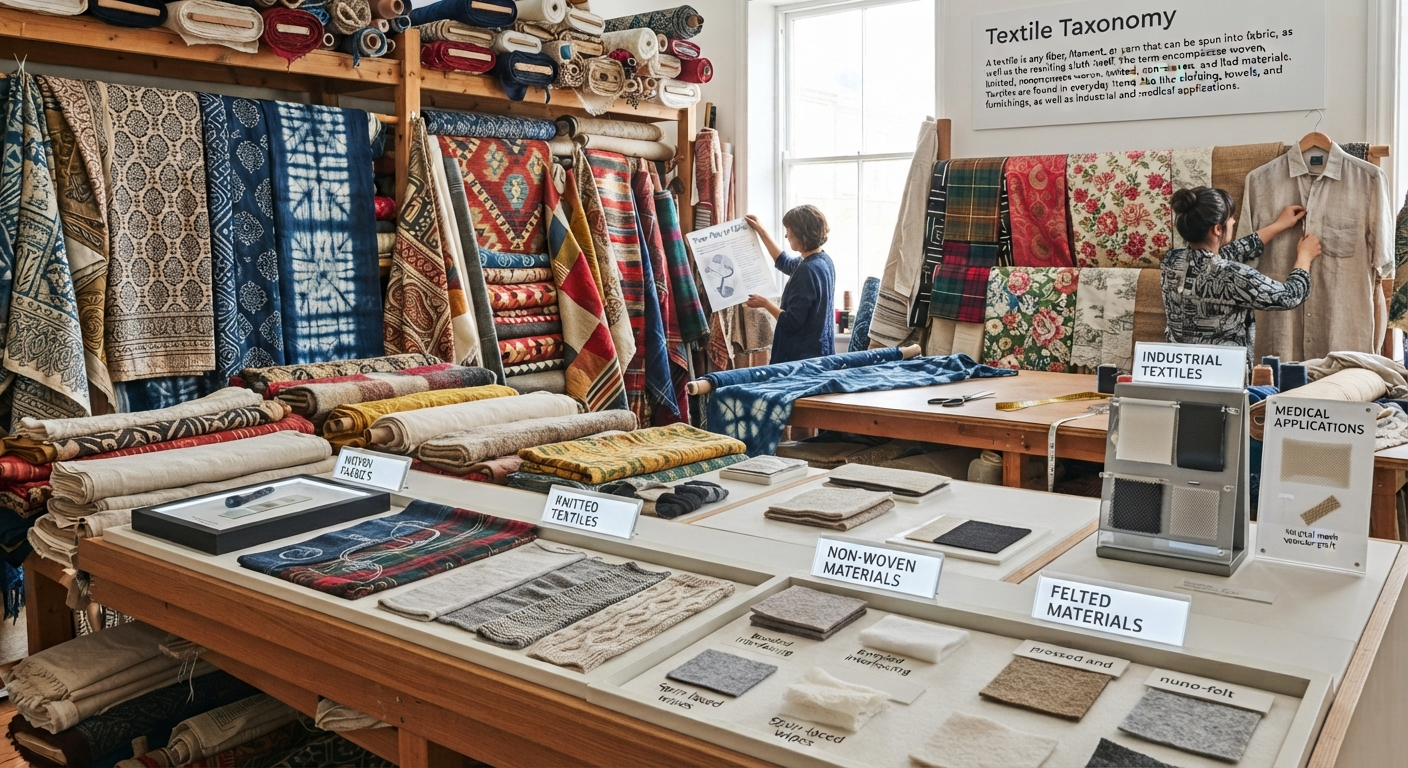
Material choice is one of the most direct ways a brand can lower its footprint before a single stitch is sewn. Organic and regenerative cotton reduce chemical runoff and can even improve soil health over time. Recycled polyester and nylon reuse existing plastic waste instead of drilling for new petroleum, though they don't solve the microplastic problem. Newer man-made cellulosic fibers and bio-based materials — made from wood pulp, agricultural waste or even mushrooms — are being developed to use less water and fewer harsh chemicals.
| Material type | Main benefit | Main limitation |
|---|---|---|
| Organic/regenerative cotton | Less chemical runoff, better soil health | Still water-intensive |
| Recycled polyester/nylon | Reuses plastic waste, less new petroleum | Still sheds microplastics |
| Man-made cellulosic fibers | Lower water and chemical use | Sourcing and processing must be well managed |
| Bio-based materials | Very low environmental footprint potential | Still early-stage, limited scale |
Circular Fashion: Rethinking the Whole System
For decades, fashion followed a "linear" model — take resources, make a product, sell it, throw it away. Circular fashion turns this into a loop instead: clothes are designed to last, get repaired when damaged, get resold or passed on and eventually get recycled into new fibers rather than dumped. The goal is to keep materials in use as long as possible.
Circular business models already in use:
- Take-back programs (brands collect old clothes, often for a discount)
- Repair services and resale platforms
- Rental and subscription clothing services
- Closed-loop recycling that turns old garments into new fiber
These models are still a small part of the industry overall and recycling technology for mixed fabrics is still developing — but they mark a real shift from treating clothing as disposable to treating it as a reusable resource.
Part Two: Social Sustainability in the Garment Industry
While the environment gets a lot of attention, sustainability is just as much about people. Behind every garment is a long chain of human labor — farmers growing fiber, workers spinning and weaving fabric and, most visibly, the millions of garment workers who cut and sew the clothes we wear every day. Social sustainability means making sure this chain of people is treated fairly, safely and with dignity.
Labor Conditions and Worker Welfare
The garment industry is one of the largest employers in the world, especially in developing countries where factory jobs offer an important source of income. But this employment often comes with serious problems. Wages in many garment-producing countries fall well below a living wage and workers are frequently pushed into excessive overtime to meet tight brand deadlines. Some factories operate in poorly maintained buildings with blocked exits or structural issues — a risk that has led to tragic accidents in the past. Workers also often have limited ability to organize or speak up, since labor unions are weak or discouraged in many manufacturing regions. Gender inequality compounds all of this: most garment workers are women, yet management roles are usually held by men and women can face unequal pay or unsafe conditions with few ways to report problems.
Key challenges:
- Wages below a living wage, combined with excessive overtime
- Unsafe factory buildings and working conditions
- Weak or restricted worker representation
- Gender inequality in pay and management roles
Key solutions:
- Brands paying fair prices so factories can afford living wages
- Independent, unannounced safety inspections
- Support for worker representation and collective bargaining
- Confidential grievance systems for reporting problems
It's worth noting that safety audits and codes of conduct only work if they are taken seriously and checked regularly. A factory can technically pass an inspection and still have real problems if the audit is scheduled in advance, narrow in scope or not followed up on. This is why many labor rights groups now push for unannounced, worker-inclusive inspections rather than paperwork-only reviews — actually talking to workers tends to surface issues that a checklist alone would miss.
Transparency and Traceability
Most fashion brands don't own the factories that make their clothes — they place orders with manufacturers who may rely on their own subcontractors and raw material suppliers. This layered system makes it hard for brands, let alone customers, to know exactly where and how a piece of clothing was made. Even a brand with good policies can't guarantee they're followed several layers down its own supply chain and when something does go wrong, it can be genuinely difficult to pin down who is responsible.
Key challenges:
- Limited visibility into subcontractors and raw material sources
- Difficulty verifying environmental and labor practices deep in the chain
- Accountability gaps when problems are discovered
Key solutions:
- Mapping the full supply chain, not just direct suppliers
- Publishing supplier lists publicly
- Digital tracking tools that trace a garment back to its raw materials
Traceability is not just a compliance exercise — it changes how quickly problems can be caught. A brand that only checks its first-tier suppliers might never learn that a raw material further down the chain was produced with forced labor or heavy pollution. Mapping the full chain, even the messy, hard-to-reach parts of it, is what turns a policy on paper into something that can actually be enforced.
Community Impact
Garment factories are part of the communities around them and their presence shapes local life well beyond the factory walls. A manufacturing hub can bring real economic opportunity, but rapid, unplanned growth can strain roads, housing and water supply faster than a community can adapt. Pollution can affect residents who don't even work at the factory and when a brand pulls out to chase lower costs elsewhere, it can leave behind a local economy that never developed beyond garment manufacturing.
Key challenges:
- Infrastructure strain from rapid, unplanned factory growth
- Pollution affecting nearby residents
- Local economic dependence on a single industry
Key solutions:
- Investment in local infrastructure alongside factory growth
- Support for community health and education programs
- Diversifying local economies beyond garment manufacturing
The healthiest manufacturing regions tend to be the ones where growth is planned jointly by local government, factory owners and community representatives, rather than left entirely to individual companies chasing short-term output targets. When that coordination is missing, a town can end up highly dependent on an industry that has no long-term loyalty to the region and can move on the moment costs rise elsewhere.
Where Environmental and Social Sustainability Meet
Although these two areas are often discussed separately, they are deeply connected in real life. A factory that pollutes a local river is often the same factory whose workers are underpaid or working in unsafe conditions. A brand that overproduces to chase fast fashion trends is often the same brand pressuring factories to cut corners on wages and safety to hit tight deadlines and low prices. The same root causes — cost pressure, lack of transparency, weak regulation — tend to drive both environmental and social problems at once, which is why lasting progress usually means tackling them together.
This is also why some of the most effective sustainability programs today are the ones that refuse to separate the two issues into different teams or different reports. A factory audit that only checks chemical discharge levels or one that only checks payroll records, will always miss half the picture. The audits that catch the most problems tend to be the ones that look at environmental and labor conditions side by side, because a factory cutting corners on one is statistically far more likely to be cutting corners on the other as well.
The Role of Regulation and Technology
Governments and industry groups are pushing sustainability forward through new laws and standards, requiring companies to disclose environmental impact or prove their supply chains are free of forced labor. Meeting these requirements is no longer optional for companies wanting continued access to major markets — retailers, regulators and customers are all asking harder questions about where products come from.
Technology is quietly supporting this shift. Better forecasting software helps brands avoid overproducing. Digital tracking systems monitor energy use and emissions across factories in real time. Blockchain and similar tools are being tested to make supply chain records harder to fake or hide. None of these tools fix the underlying problems on their own, but they give companies and regulators the information needed to make better decisions.
| Driver | What it does |
|---|---|
| Government regulation | Requires disclosure of environmental and labor practices |
| Industry certifications | Verifies claims on sourcing, materials and labor standards |
| Demand forecasting software | Reduces overproduction and excess inventory |
| Digital tracking / blockchain | Improves supply chain transparency and traceability |
Looking Ahead: The Future of the Garment Industry
The future of garment production will likely be shaped by a mix of pressure and opportunity: tightening climate regulations pushing lower-carbon production, circular and regenerative business models slowly scaling up, transparency and digitalization becoming standard rather than optional and more shoppers favoring fewer, better-made pieces over disposable fast fashion. None of this means the challenges disappear overnight — real change across an industry this large and global takes time, investment and cooperation. But the direction is becoming clearer: an industry once built almost entirely around speed and low cost is slowly being asked to account for the people and the planet behind every garment.
Smaller, newer brands are also playing a role in shifting expectations. Many are building sustainability into their business from day one — smaller production runs, closer supplier relationships and clearer sourcing stories — rather than trying to retrofit these practices onto an existing fast-fashion model. As these brands grow and larger companies watch how customers respond to them, sustainable practices are increasingly seen as good business rather than a costly extra step.
Conclusion
Sustainability in the garment industry is not a single fix or a single department's job. It touches water, energy, waste and materials on one side and wages, safety and dignity on the other — and real progress means addressing both together rather than treating them as separate concerns. Manufacturers investing in cleaner, safer factories; brands committing to fair prices and honest transparency; policymakers setting and enforcing meaningful standards; and consumers making thoughtful choices about what they buy and how long they keep it — together, these efforts can move the garment industry toward a future where making clothes doesn't have to come at the cost of the planet or the people who make them.
No single change will get the industry there on its own and progress will not look the same in every country or every factory. But every improvement — a cleaner dye process, a fairer wage, a supply chain made a little more visible — moves the needle in the right direction and together these small, steady changes are what will eventually add up to a garment industry that people can feel genuinely good about supporting.