
Dyeing

Textile Coloration Process:Dyeing, Wet processing, Techniques, Classes and Fibre Compatibility
The textile coloration process (wet Processing) is the set of chemical and mechanical operations used to impart color to textile …

Dye Classes and Fibre Compatibility in Textiles: Comprehensive Guide to Dye selection and Fibre Matching
Textile dyes are substances used to add color to fabrics, giving them aesthetic appeal, identity and functional value. Dyeing is …

The Chemistry of the Dyebath: Chemicals Used in Yarn & Fabric Dyeing
Textile dyeing is more than adding color — it’s a complex chemical process where dyes bond with fibers to create …

Natural Dyeing in Textiles: Tradition Meets Sustainability
Natural dyeing is not just a technique — it’s a story of human ingenuity, culture, and respect for nature. For …

Pigment Dye in Textiles: Techniques, Binder Applications and Fashion Effects
Pigment is an insoluble colorant that has no affinity for textile fibers. Unlike dyes, pigments do not dissolve in water …

Mercerization in Cotton Textiles: Process, Benefits and Applications in Fabric Finishing
Mercerization is a chemical treatment applied to cotton (and sometimes other cellulosic fibers) to improve its appearance, strength and dyeing …

Softening in Textile Processing: Techniques to Improve Fabric Hand Feel and Drape
Fabric softening is a finishing process in textile manufacturing to enhance the hand feel, smoothness, drape and overall comfort of …

Compacting in Textile Processing: Techniques for Shrinkage Control and Fabric Quality
Compacting is a mechanical finishing process for controlling and minimizing shrinkage especially in knits and loosely woven fabrics. The process …

Brush and Peach Finish in Textiles: Techniques for Softness and Fabric Enhancement
Brush finish and peach finish are textile finishing techniques used to improve the surface aesthetics, hand feel and comfort of …

Singeing in Textile Processing: Techniques for Surface Cleaning and Fabric Quality Improvement
Fabric singeing is a primary finishing operation and is applied to both woven and knitted fabrics for removal of the …

Color Fastness in Textiles: Testing Methods, Standards and Quality Control
Color fastness is the resistance of a dyed or printed textile material to change in color or transfer of color …

Waterless Textile Dyeing: Sustainable Innovations and Eco‑Friendly Fabric Processing
Waterless textile dyeing refers to coloration technologies that eliminate or drastically reduce the use of water in the dyeing process. …

Dyeing Defects in Textiles: Identification, Causes and Corrective Measures
Dyeing defects are faults that occur during or after the dyeing process due to incorrect pre‑treatment, dye selection, recipe control, …
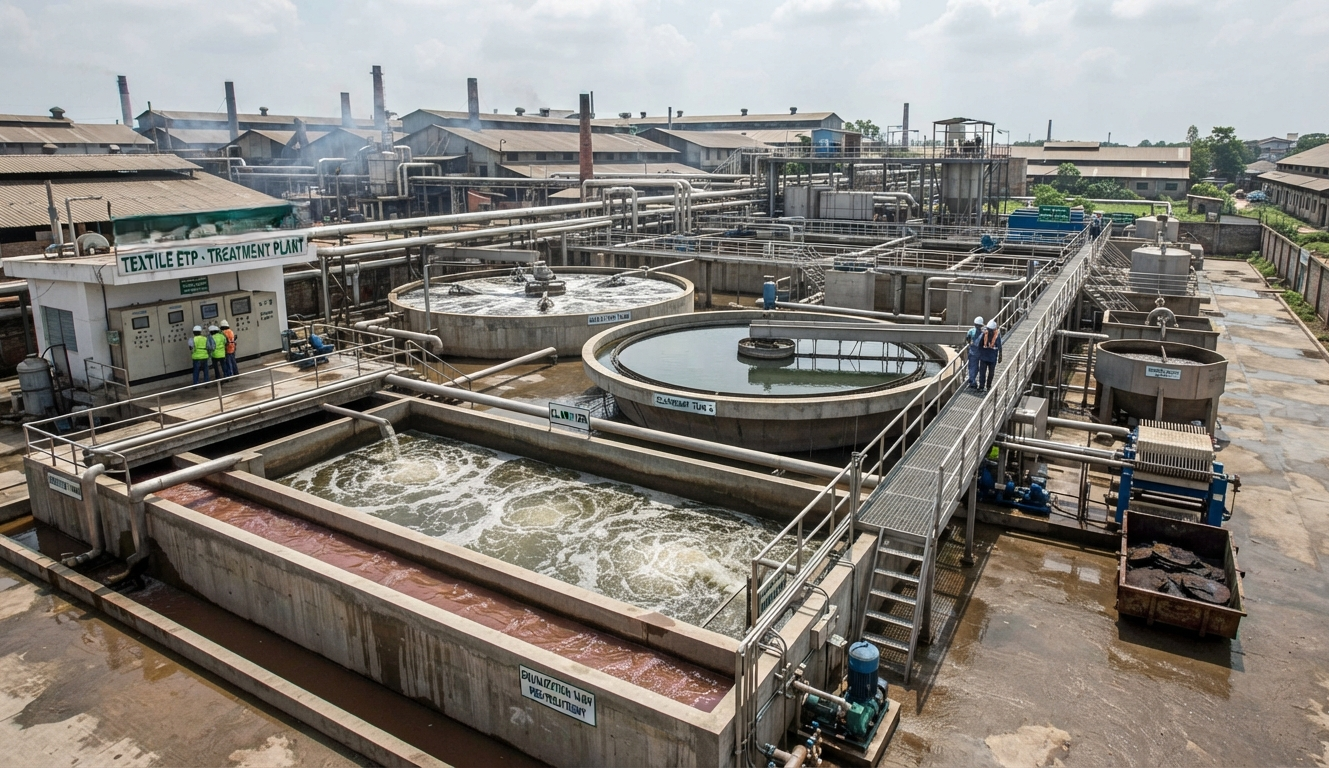
What is a Textile ETP? Process Flow, Chemicals, Equipment and Treatment Stages
Textile factories discharge large volumes of wastewater containing dyes, chemicals, salts and other pollutants. This water has to be treated …
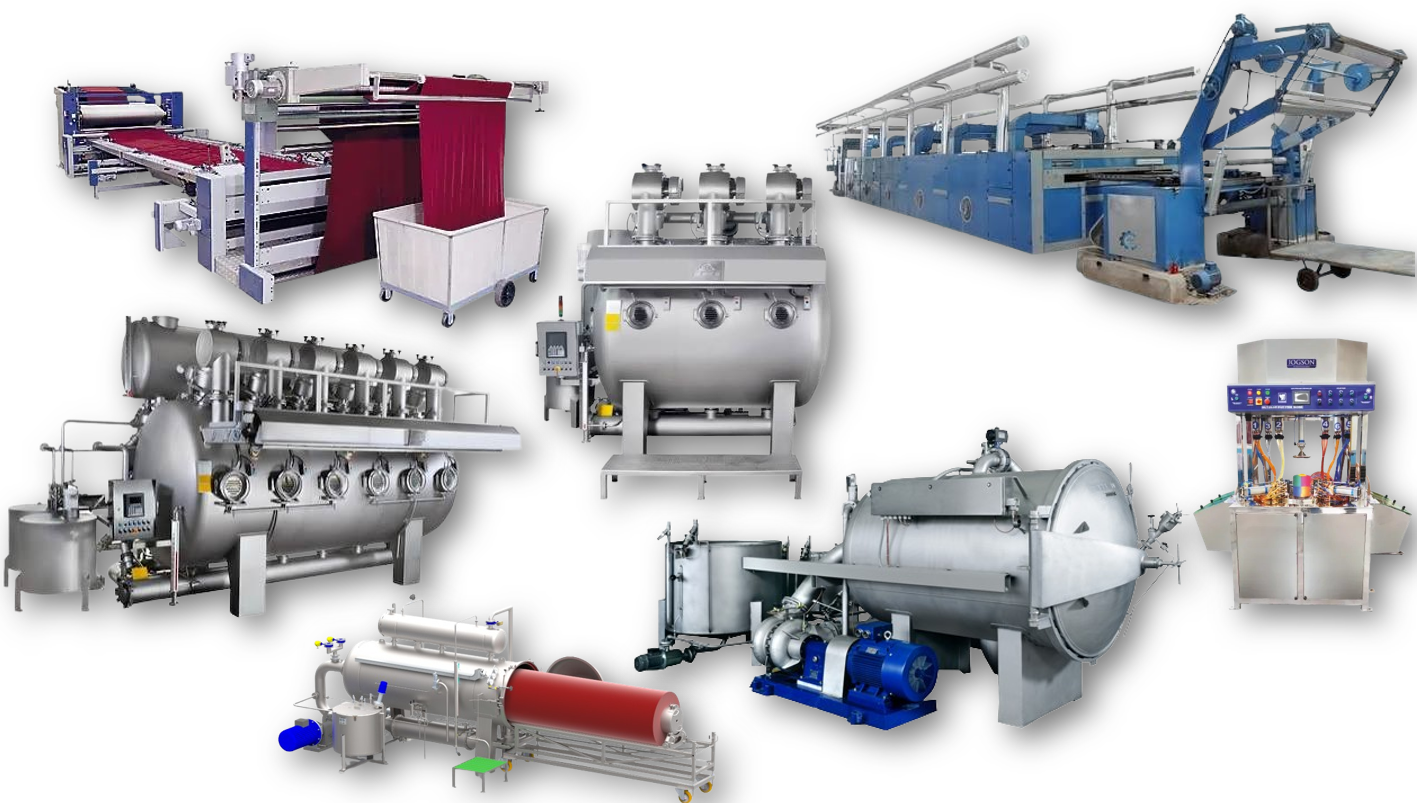
Yarn & Fabric Dyeing and Finishing Machinery: A Complete Guide for Textile Manufacturers
Dyeing and finishing machinery is where undyed yarn and grey fabric turn into finished textiles ready for the market. From …