Plain weave derivatives are basically variations of the simplest weave structure out there—plain weave. But once you start tweaking things like yarn count, twist, density, or even finishing, the fabric can change a lot.
Same foundation. Totally different feel.
You get lighter fabrics, heavier ones, soft drapey textures, crisp surfaces… all from the same basic structure.
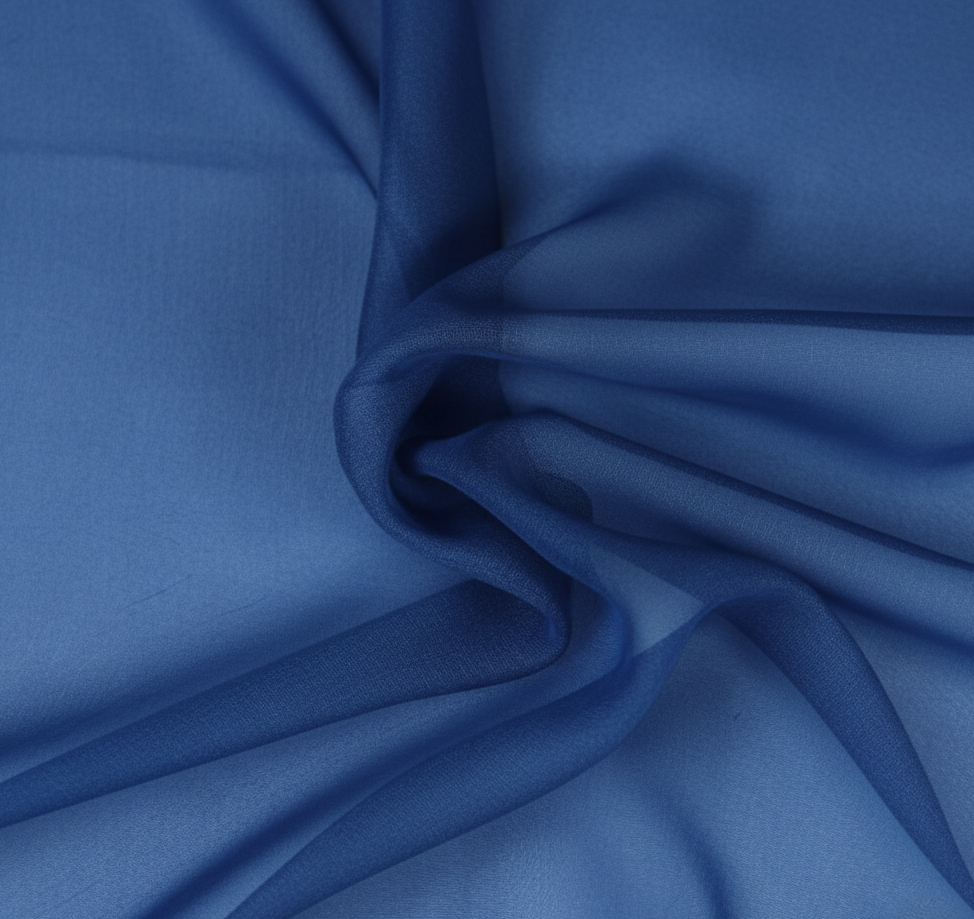
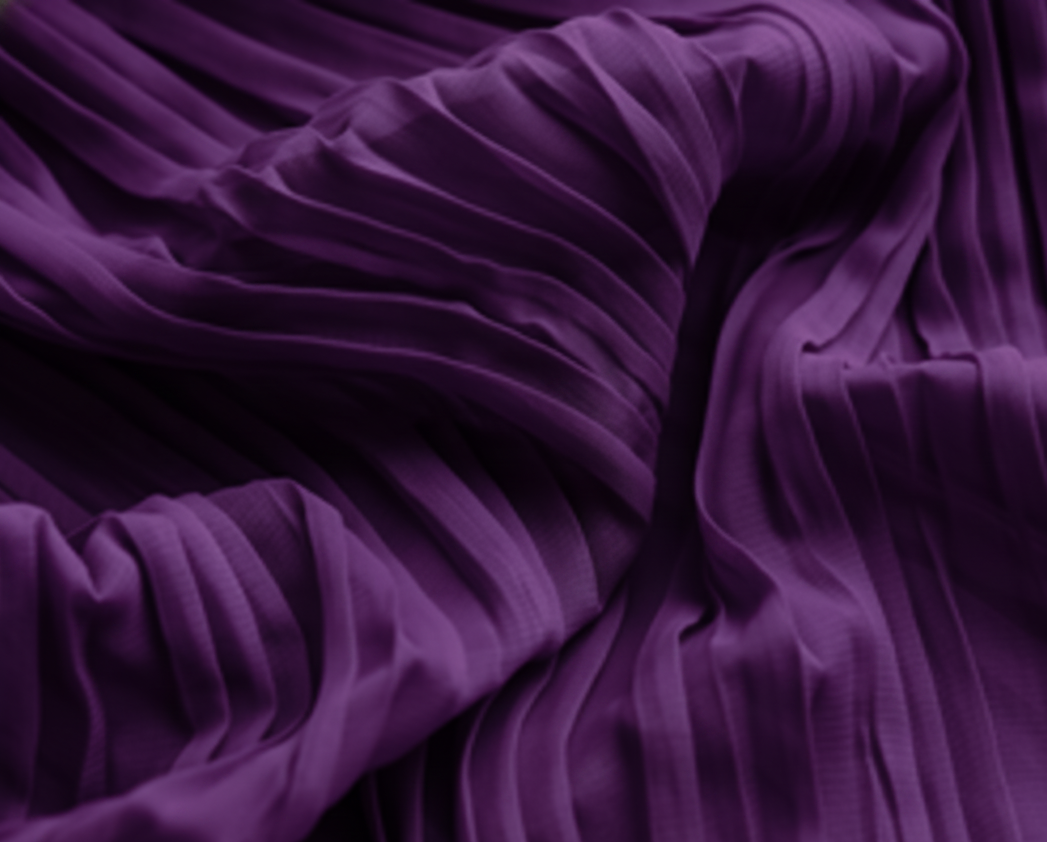
Chiffon
Construction & Structure
Chiffon is a lightweight plain weave fabric made using highly twisted fine yarns, which create a slightly rough, crinkled surface and excellent transparency. Not perfectly smooth. And that’s intentional.
- Typical Yarn Count: 60s × 60s
- GSM: 60–70
- Yarn Types: Silk, cotton, nylon, polyester, rayon
Key Characteristics
- Sheer and translucent
- Soft, but a bit grainy if you pay attention
- Flows really well
- Breathable, very light
Where it’s used
Evening wear, scarves, blouses, wedding dresses… anything that needs that soft, floaty look.
Georgette
Construction & Structure
Georgette feels a bit like chiffon’s slightly tougher cousin. Still lightweight, but with more texture.
High-twist yarns again, which create that crepe-like, slightly puckered surface.
- Typical Yarn Count: 76s × 68s
- GSM: 80–100
- Yarn Types: Rayon, viscose, polyester
Key Characteristics
- Pebbly surface
- Good drape, but a bit more body
- Slight stretch—thanks to yarn twist
- Less transparent than chiffon
End Uses
Dresses, sarees, fashion wear… even some home décor here and there.
Crepe
Construction & Structure
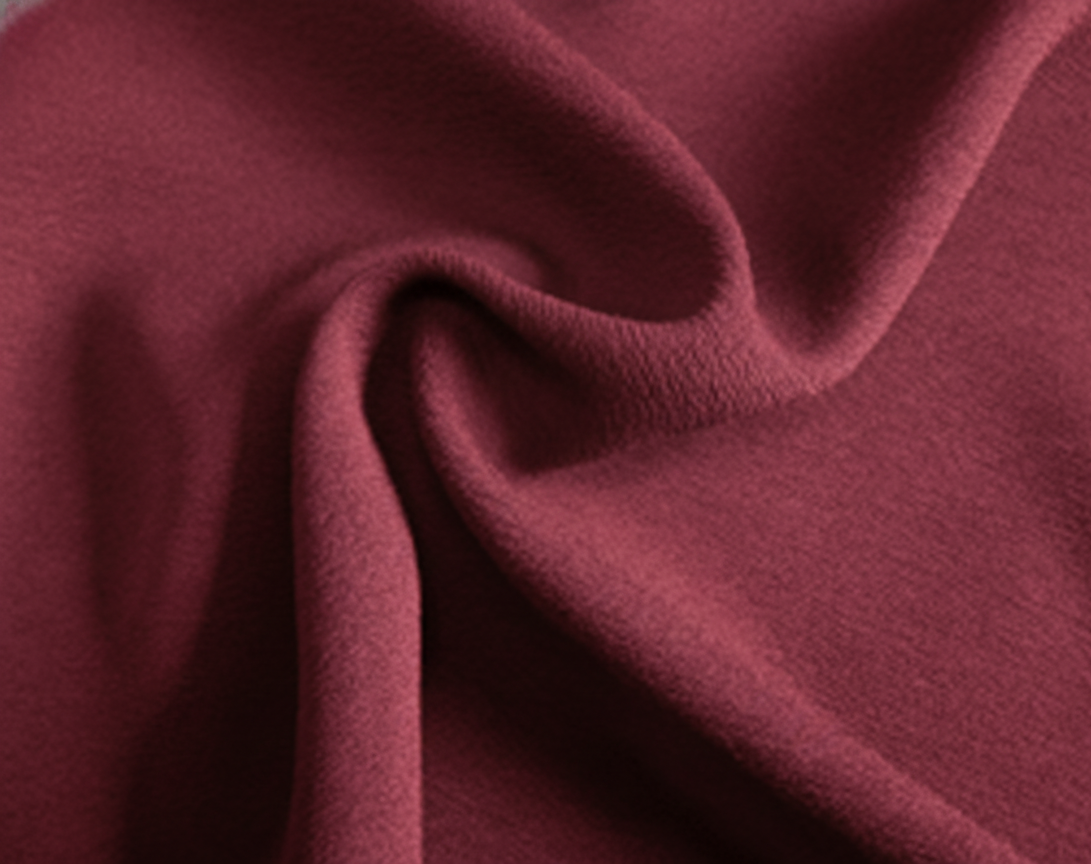
Crepe fabrics don’t try to look smooth. In fact, they lean into texture.
High-twist yarns again—but here, the crinkled or pebbled look is more noticeable.
- Typical Yarn Count: 60s × 60s
- GSM: 62–75
- Yarn Types: Wool, silk, synthetics
Key Characteristics
- Wrinkled surface (in a good way)
- Drapes nicely
- Flexible, easy to wear
- Doesn’t wrinkle easily in use
End Uses
Scarves, dresses, evening wear, even curtains sometimes.
Flannel
Construction & Structure
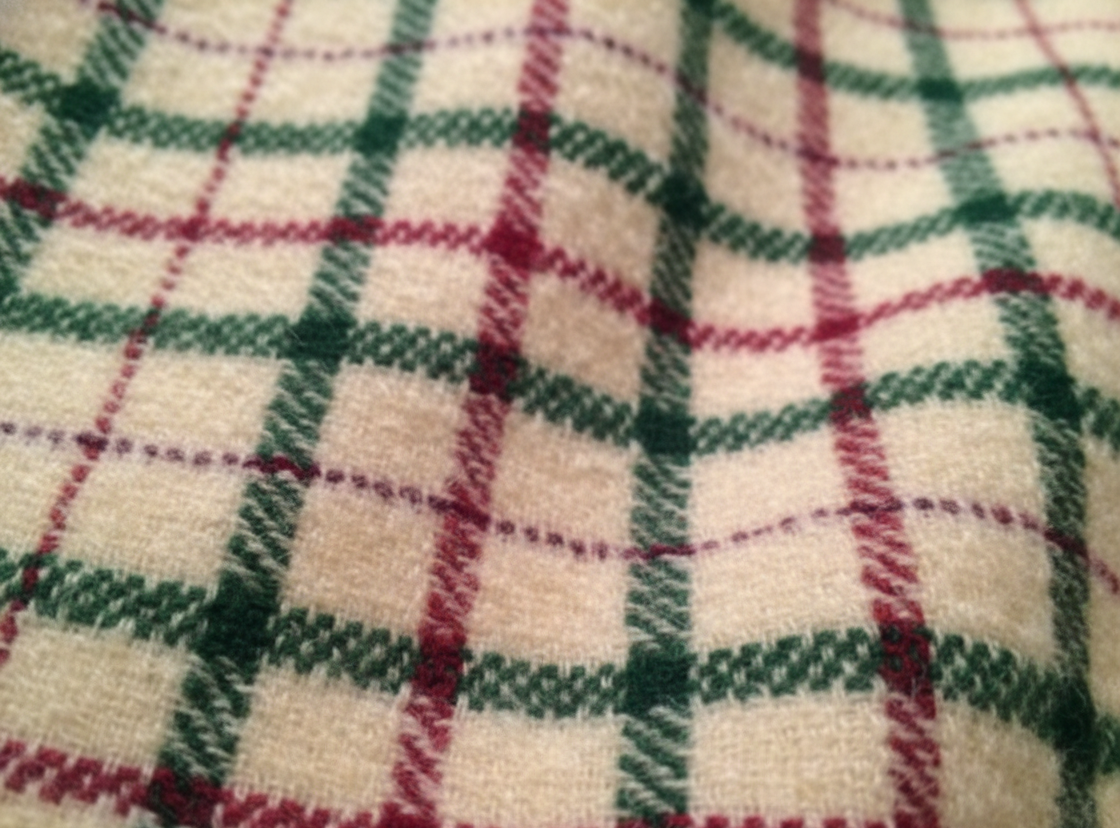
Flannel starts as a plain weave, but then it’s brushed. One side, sometimes both.
That brushing changes everything.
- Typical Yarn Count: 20s × 30s
- GSM: 130–180
- Yarn Types: Cotton, wool, synthetics
Key Characteristics
- Soft. Really soft.
- Slightly fuzzy surface
- Holds warmth well
- Medium to heavy weight
End Uses
Shirts, pajamas, blankets, loungewear. Comfort-first fabrics.
Poplin
Construction & Structure
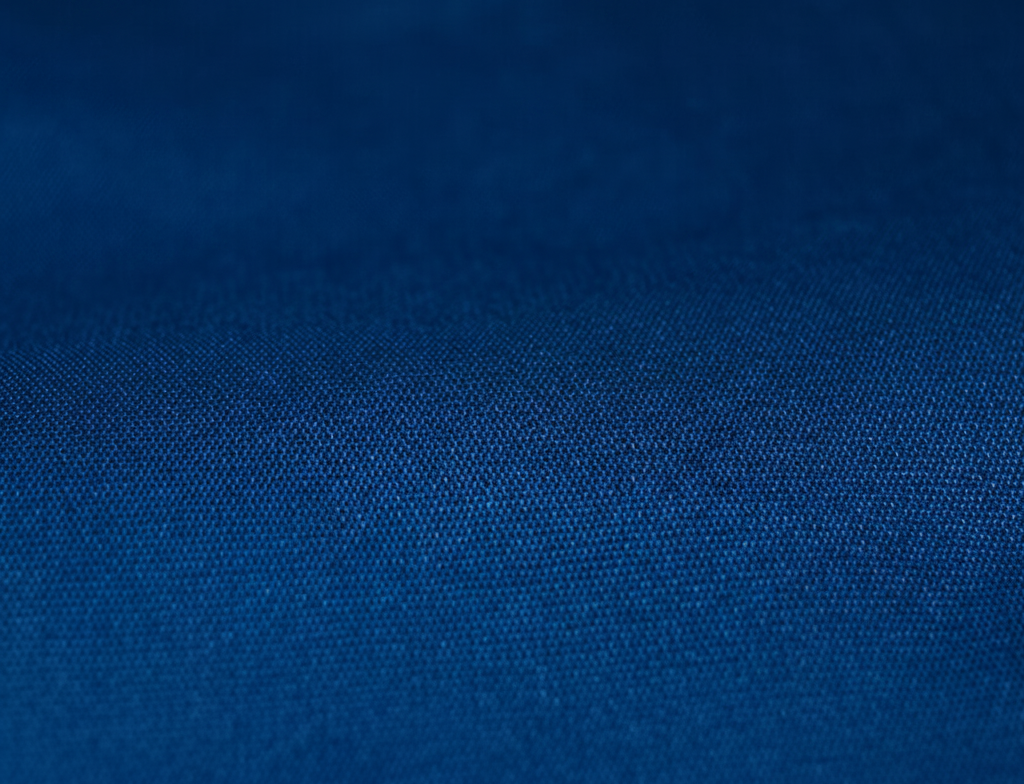
Poplin is tighter, cleaner. You’ve got finer warp yarns and thicker weft yarns, which create a subtle rib.
It’s not obvious—but it’s there.
- Typical Yarn Count: 40s × 40s
- GSM: 190–200
- Yarn Types: Cotton, silk, wool, synthetics or blends
Key Characteristics
- Smooth surface
- Firm feel
- Durable
- Slight horizontal rib effect
End Uses
Shirts, dresses, even some structured garments and home textiles.
Voile
Construction & Structure
Voile is light and airy. Similar to chiffon in some ways, but usually softer and slightly denser.
- Typical Yarn Count: 40s × 60s
- GSM: 60–120
- Yarn Types: Cotton, polyester, linen blends
Key Characteristics
- Lightweight
- Breathable
- Semi-transparent
- Soft to touch
End Uses
Dresses, skirts, linings, accessories—especially for warm weather.

Cambric
Construction & Structure
Cambric is tightly woven but still light. It has a smooth surface with a slightly polished look.
Not flashy—just clean.
- Typical Yarn Count: 40s × 60s
- GSM: 60–120
- Yarn Types: Cotton or blends
Key Characteristics
- Soft and smooth
- Strong for its weight
- Comfortable on skin
- Breathable
End Uses
Shirts, blouses, lingerie, embroidery work, crafts… pretty versatile.
Shantung
Construction & Structure
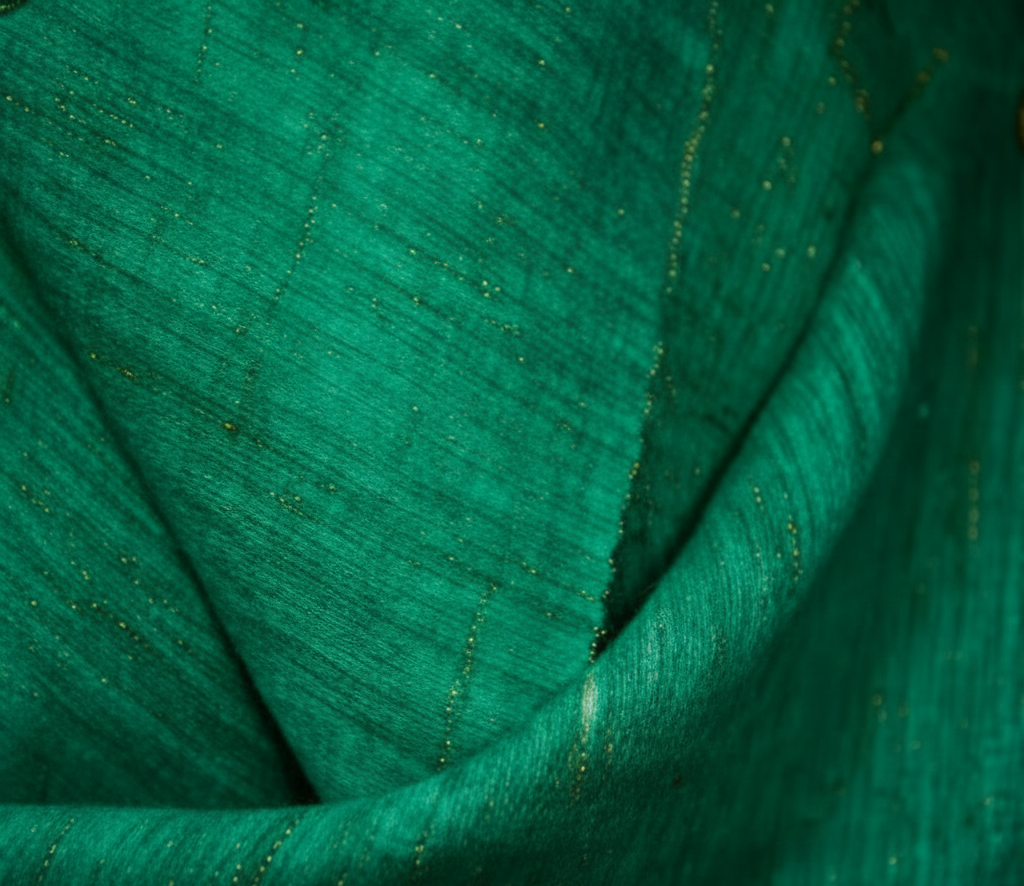
Shantung doesn’t try to be uniform. It actually embraces irregularity.
Thick and thin yarns create that slubby texture.
- Typical Yarn Count: 20s × 40s
- GSM: 100–150
- Yarn Types: Silk or synthetics
Key Characteristics
- Uneven texture
- Slightly crisp feel
- Decorative, noticeable finish
End Uses
Evening wear, wedding fabrics, drapery, upholstery. It stands out.
Buckram
Construction & Structure
Totally different vibe here.
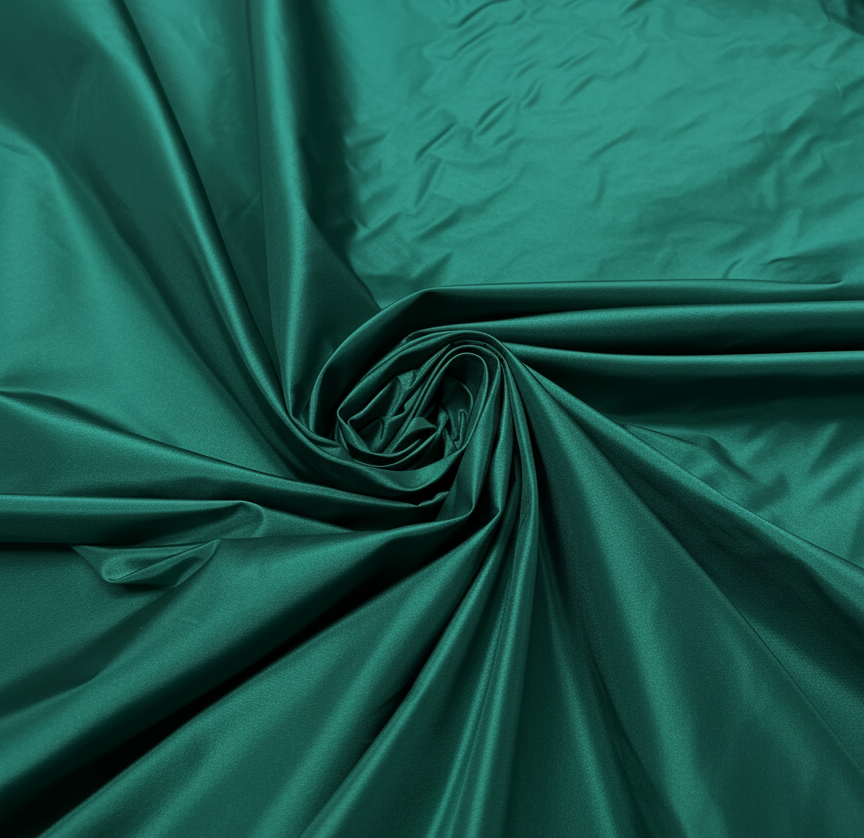
Buckram is stiff—intentionally. It’s treated with starch or resin to hold its shape.
- Typical Yarn Count: 20s × 40s
- GSM: 300–600
- Yarn Types: Cotton, wool, synthetics or blends
Key Characteristics
- Rigid, doesn’t bend easily
- Holds shape very well
- Heavy structure
End Uses
Not really for wearing directly. More for support:
Bookbinding, interlining, hats, structured garment parts.