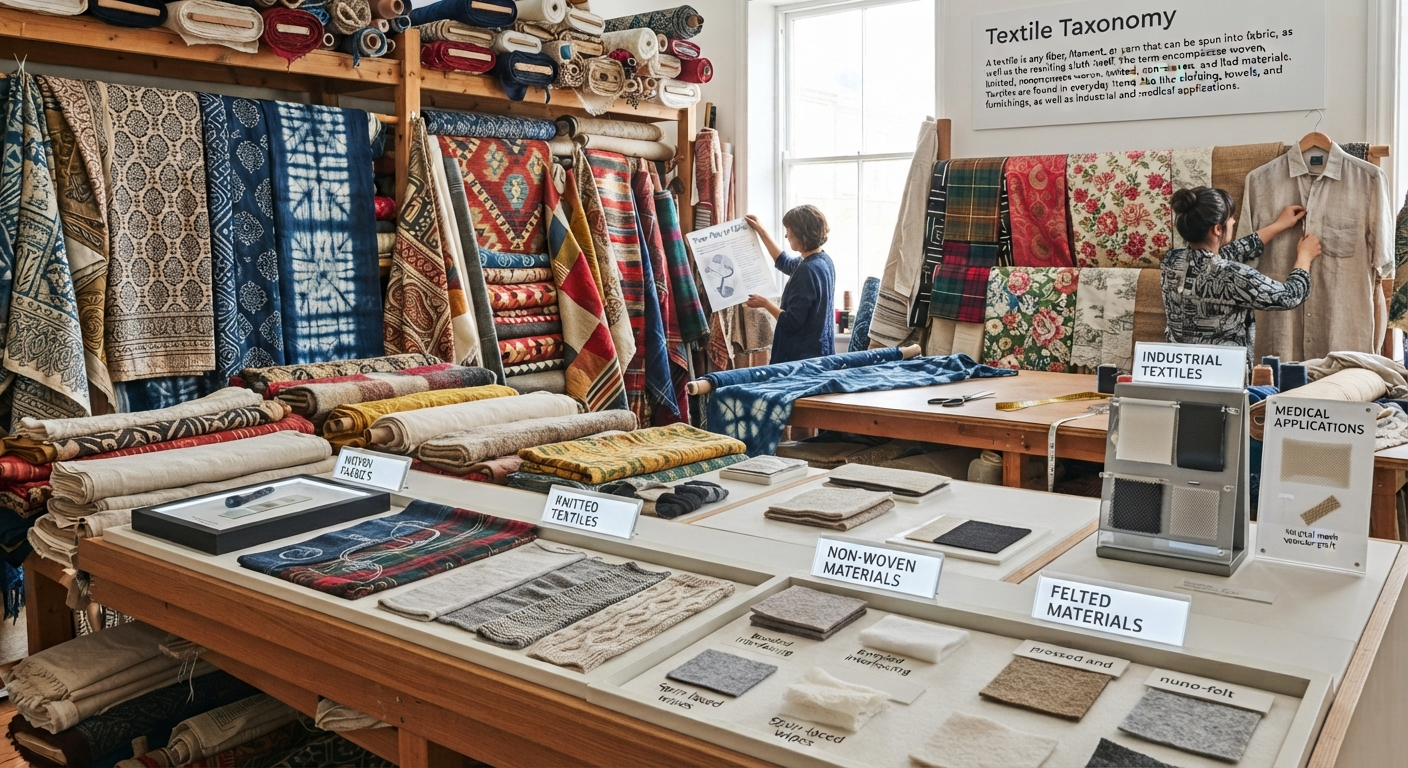
When you buy a new shirt, dress, or pair of jeans, one of the first things you notice is the vibrancy of its color. That deep indigo, crisp white, or bold red is part of what makes the garment appealing. But what happens after a few washes, a few days in the sun, or a sweaty workout? If the color fades, bleeds, or transfers onto other clothes, the garment quickly loses its charm. This is where color fastness comes in.
Color fastness refers to the ability of a textile to retain its original color under various conditions of use and care. It is not just a technical term used by textile engineers; it is a concept that directly affects consumer satisfaction, brand reputation, and compliance with international standards. A garment with poor color fastness can lead to customer complaints, product returns, and even regulatory issues. On the other hand, good color fastness ensures that garments look fresh and appealing for longer, reducing waste and increasing trust in the brand.
From the perspective of manufacturers, color fastness is a critical quality parameter. Buyers and retailers often specify minimum fastness grades in their technical packs, and failure to meet these standards can result in rejected shipments. For consumers, it means peace of mind — knowing that their favorite outfit will not lose its charm after a few washes or stain other clothes in the laundry.
In today’s global textile industry, where sustainability and durability are increasingly valued, color fastness is more important than ever. It is not just about aesthetics; it is about performance, compliance, and responsibility.
Understanding Color Fastness
At its core, color fastness is about resistance to change. When a fabric is dyed, the dye molecules bond with the fibers. The strength and stability of this bond determine how well the color will withstand external influences such as light, washing, rubbing, perspiration, and heat.
To understand color fastness, imagine two scenarios:
You buy a bright red T-shirt. After two washes, it turns pink and stains your white undershirt. This is poor washing fastness.
You hang your curtains in a sunny room. After six months, they look faded and dull compared to the original shade. This is poor light fastness.
These everyday examples show how color fastness directly affects the usability and appeal of textiles. In professional terms, color fastness is measured using standardized tests that simulate real-life conditions. The results are graded on scales, such as the Grey Scale (1–5) or Blue Scale (1–8), which help buyers and manufacturers evaluate performance consistently across different laboratories and regions.
Color fastness is not a single property but a collection of resistances. A fabric may have excellent washing fastness but poor light fastness, or vice versa. Therefore, comprehensive testing is essential to ensure that textiles meet the requirements of their intended use.
Good color fastness ensures that:
- The garment maintains its original appearance
- There is no staining of other garments
- Customer complaints and returns are minimized
- Buyer standards and international regulations are met
Types of Color Fastness:
Light Fastness
Light fastness refers to the resistance of textile color to fading when exposed to light, especially sunlight or artificial light. Fabrics used in outdoor applications, such as curtains, upholstery, and workwear, are particularly vulnerable to light exposure.
Causes of Color Fading:
UV radiation breaks down dye molecules, leading to loss of color.
Oxidation reactions can alter the chemical structure of dyes.
Poor dye–fiber bonding makes the color more susceptible to external influences.
Testing Method: Light fastness is tested using the Blue Wool Scale, where fabrics are exposed to artificial light in a light fastness tester and compared with standardized blue wool references.
Grading Scale (1–8)
| Grade | Meaning |
|---|---|
| 8 | Outstanding |
| 7 | Excellent |
| 6 | Very Good |
| 5 | Good |
| 4 | Moderate |
| 3 | Fair |
| 2 | Poor |
| 1 | Very Poor |
- Fashion garments: ≥ 4
- Outdoor/workwear: ≥ 6
- Curtains/upholstery: ≥ 7
Washing Fastness
Washing fastness measures the resistance of color to fading and staining during laundering. It is one of the most critical fastness properties, as consumers frequently wash their garments.
What It Evaluates:
Color change of the dyed fabric
Color staining on adjacent fabrics (cotton, polyester, nylon, wool, acrylic)
Testing Method: ISO 105‑C series / AATCC 61. Fabrics are washed under controlled temperature, detergent, time, and agitation.
Grading Scale (1–5)
| Grade | Meaning |
|---|---|
| 5 | Outstanding |
| 4–5 | Excellent |
| 4 | Very Good |
| 3–4 | Good |
| 3 | Moderate |
| 2 | Fair |
| 1 | Very Poor |
Typical Buyer Requirement
- Color change: ≥ 4
- Staining: ≥ 3–4
Abrasion Fastness (Rub Fastness)
Abrasion fastness, also known as rub fastness, measures the resistance of a dyed fabric to color transfer when rubbed against another surface. This is particularly important for dark shades such as black, navy, and red.
Types:
Dry rubbing fastness
Wet rubbing fastness (more critical)
Testing Method: ISO 105‑X12 / AATCC 8, using a crockmeter.
Grading Scale (1–5)
- 5 = No color transfer
- 1 = Heavy color transfer
Common Issues
Typical Requirements
- Dry rubbing: ≥ 4
- Wet rubbing: ≥ 3
Perspiration (Saliva) Fastness
Perspiration fastness measures the resistance of color to human sweat, which may be acidic or alkaline. Saliva fastness is especially important for baby garments, infant accessories, toys, and textiles that may be mouthed.
Testing Method: ISO 105‑E04 / AATCC 15. Fabrics are exposed to artificial sweat solution, with pressure and heat applied.
Types of Perspiration:
Acid perspiration (pH ≈ 5.5)
Alkaline perspiration (pH ≈ 8)
Grading Scale (1–5)
- Color change
- Staining on adjacent fabric
Typical Requirement
- ≥ 4 for both color change and staining
Sublimation Fastness
Sublimation fastness measures the resistance of color to change and transfer under heat. This is particularly relevant for polyester fabrics and heat-transfer printing.
Testing Method: ISO 105‑P01 / AATCC 117.
Grading Scale (1–5):
5 = Excellent
1 = Very Poor
Weathering Fastness
Weathering fastness evaluates the combined effects of light, heat, and moisture. It is crucial for outdoor textiles such as awnings, tents, and sportswear.
Testing Method: ISO 105‑B04 / AATCC 169.
Scale: Often expressed using Blue Scale or appearance change rating.
Typical Requirements:
Fashion garments: ≥ 4
Sportswear: ≥ 4–5
Workwear: ≥ 5–6
Curtains: ≥ 6
Outdoor textiles: ≥ 7
Causes of Color Fading
Color fading is a complex phenomenon influenced by multiple factors. Understanding these causes helps manufacturers take preventive measures.
UV Radiation
Ultraviolet rays from sunlight are one of the most common causes of fading. They break down the chemical bonds in dye molecules, leading to loss of color intensity.
Oxidation Reactions
Exposure to oxygen, especially in the presence of moisture and heat, can cause dyes to oxidize. This alters their chemical structure and reduces their ability to reflect light, resulting in dullness.
Poor Dye–Fiber Bonding
If the dye does not bond strongly with the fiber, it is more likely to wash out, rub off, or fade. Proper dye selection and fixation are essential to ensure strong bonding.
Process-Related Issues
Improper dyeing conditions, such as incorrect temperature, pH, or time, can lead to incomplete fixation. Inadequate washing-off and soaping can leave unfixed dye on the surface, which easily fades or transfers.
Environmental Factors
Pollution, humidity, and exposure to chemicals can also affect color fastness. For example, chlorine in swimming pools can cause fading in swimwear.
Improving Color Fastness
- Select correct dye class for fiber type
- Follow proper dyeing curves
- Ensure complete dye fixation
- Perform thorough wash‑off and soaping
- Use fixing agents where applicable
- Control pH and temperature
- Avoid over‑application of softeners
Common Dyeing Problems Related to Poor Fastness
| Problem | Likely Cause |
|---|---|
| Shade fading | Poor light fastness dye |
| Color bleeding | Incomplete fixation |
| Staining in wash | Inadequate wash‑off |
| Poor wet rubbing | Surface dye presence |
| Sweat discoloration | Wrong dye selection |
Color Fastness & Appearance Scales Used in Textile Dyeing
Grading scales are the language of color fastness. They translate complex laboratory results into simple numbers that buyers and manufacturers can understand. Let’s break down the most common scales.
1. Grey Scale
The Grey Scale is a set of standardized grey color chips used to assess:
- Color Change of the dyed fabric
- Color Staining on adjacent (undeyed) fabric
It is used when comparing before‑and‑after samples in most fastness tests.
Scale:
- 1 to 5
(5 = Excellent, 1 = Very Poor)
Grey Scale Rating System
Grey Scale uses a 1 to 5 grading system:
| Grade | Meaning |
|---|---|
| 5 | No change / No staining |
| 4–5 | Slight change |
| 4 | Small change |
| 3–4 | Noticeable change |
| 3 | Moderate change |
| 2 | Significant change |
| 1 | Severe change / Heavy staining |
Standards:
- ISO 105‑A02 (Color Change)
- ISO 105‑A03 (Staining)

2. Blue Scale
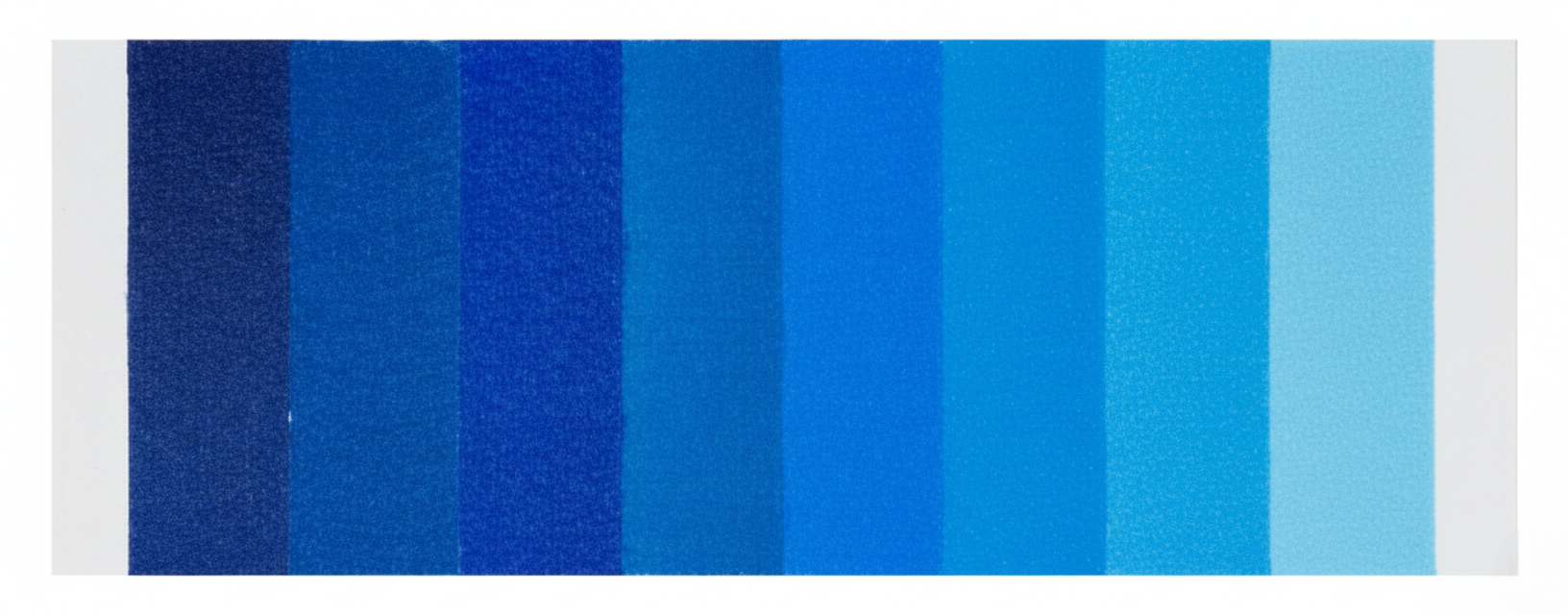
The Blue Scale is a set of eight blue‑dyed wool strips used to assess light fastness of textiles.
Unlike grey scale, the blue scale does not compare two fabric samples. Instead, it compares the degree of fading of a test specimen against standardized blue references.
Scale:
- 1 to 8
(8 = Outstanding, 1 = Very Poor)
| Grade | Meaning |
|---|---|
| 8 | Outstanding light fastness |
| 7 | Excellent |
| 6 | Very good |
| 5 | Good |
| 4 | Moderate |
| 3 | Fair |
| 2 | Poor |
| 1 | Very poor |
Standards:
- ISO 105‑B02
- AATCC 16
3. AATCC Chromatic Transference Scale
An alternative to Grey Scale for staining, used mainly in AATCC test methods.
Scale:
- 1 to 5
- Evaluates color transfer to adjacent fabric
Where Used:
- AATCC 61 (washing)
- AATCC 8 (crocking)
- AATCC 15 (perspiration)
Difference from Grey Scale:
- More chromatic‑based rather than neutral grey
- Still visually assessed

4. Pilling Rating Scale
Used to evaluate surface fuzzing and pilling caused by abrasion during wear and washing.
Scale:
- 5 = No pilling
- 1 = Severe pilling
Test Methods:
- ISO 12945‑1 (ICI Pilling Box)
- ISO 12945‑2 (Martindale)
- ASTM D4970
- ASTM D3512 (Random Tumble)
Common Use:
- Knit fabrics
- Fleece
- Brushed fabrics
- Sweaters
5. Martindale Abrasion Scale
Used to measure abrasion resistance, not color transfer.
Output:
- Number of cycles to breakdown or appearance change
Typical Ratings:
- Light apparel: 5,000–10,000 cycles
- Heavy duty: 20,000–50,000+ cycles
Standard:
- ISO 12947
6. Crocking (Rubbing) Scale
Used for:
- Dry and wet rubbing fastness
Scale:
- 1 to 5
Standards:
- ISO 105‑X12
- AATCC 8
Notes:
- Wet crocking is usually 1 grade lower than dry
- Dark shades are more critical
7. Whiteness Index Scale
Measures how white a fabric appears after bleaching or optical brightening.
Scale Type:
- Instrumental, not visual
- Numerical value (e.g. CIE Whiteness Index)
Standards:
- ISO 105‑J02
- ASTM E313
Used for:
- White garments
- Towels
- Medical textiles
8. Yellowness Index
Measures yellowing caused by:
- Heat
- Aging
- Improper bleaching
- Resin finishes
Scale:
- Instrumental numerical value
Standard:
- ASTM E313
9. Color Difference Scale (ΔE)
An instrument‑based color scale that quantifies shade difference between:
- Lab dip vs standard
- Bulk vs approved shade
Common Systems:
- ΔE*ab (CIELAB)
- ΔE CMC (l:c)
- ΔE 2000
Typical Acceptance:
- ΔE ≤ 1.0–1.5 (buyer dependent)
10. Perspiration / Saliva Fastness Scale
Used for:
- Human sweat
- Baby garments and toys
Scale:
- 1 to 5 (Grey Scale or Chromatic Scale)
Standards:
- ISO 105‑E04
- DIN 53160 (saliva)
11. Sublimation Fastness Scale
Measures resistance to color change and transfer under heat.
Scale:
- 1 to 5
Used for:
- Polyester
- Heat‑transfer printing
- Ironing resistance
Standards:
- ISO 105‑P01
- AATCC 117
12. Weathering / Outdoor Exposure Scale
Evaluates combined effects of:
- Light
- Heat
- Moisture
Scale:
- Often expressed using Blue Scale
- Or appearance change rating
Standards:
- ISO 105‑B04
- AATCC 169
Typical Light Fastness Requirements
| End Use | Minimum Blue Scale Grade |
|---|---|
| Fashion garments | ≥ 4 |
| Sportswear | ≥ 4–5 |
| Workwear | ≥ 5–6 |
| Curtains | ≥ 6 |
| Outdoor textiles | ≥ 7 |
Summary Table (Quick Reference)
| Scale Name | Rating Range | Used For |
|---|---|---|
| Grey Scale | 1–5 | Color change & staining |
| Blue Scale | 1–8 | Light fastness |
| Chromatic Transference | 1–5 | Staining (AATCC) |
| Pilling Scale | 1–5 | Surface pilling |
| Crocking Scale | 1–5 | Rubbing fastness |
| Martindale Cycles | Numeric | Abrasion resistance |
| Whiteness Index | Numeric | Fabric whiteness |
| Yellowness Index | Numeric | Yellowing |
| ΔE Scale | Numeric | Shade difference |
| Sublimation Scale | 1–5 | Heat fastness |
| Weathering Scale | 1–8 / Visual | Outdoor durability |
Conclusion
Color fastness is more than a technical specification; it is a cornerstone of textile quality, consumer satisfaction, and brand reputation. From the vibrant shirt in your wardrobe to the durable curtains in your living room, color fastness determines how long textiles retain their beauty and functionality.
We’ve explored:
The importance of color fastness in everyday life and global trade.
Different types of fastness — light, washing, rubbing, perspiration, sublimation, and weathering.
Causes of fading and how to prevent them.
Testing methods and grading scales that ensure consistency worldwide.
Factors affecting fastness and strategies to improve it.
Common problems and their solutions.
Buyer requirements and compliance standards that safeguard quality.
Appearance scales that provide objective evaluation.
Case studies showing real‑world implications.
Future trends pointing toward sustainability, innovation, and consumer empowerment.
For manufacturers, the message is clear: invest in proper dye selection, process optimization, and compliance with standards. For buyers, demand transparency and durability. For consumers, appreciate the unseen science that keeps your garments looking fresh and vibrant.
In the end, color fastness is not just about resisting change — it is about ensuring textiles remain true to their purpose, their beauty, and their promise. As the industry moves toward sustainability and innovation, color fastness will continue to be a defining measure of quality, bridging tradition with the future of fashion and textiles.