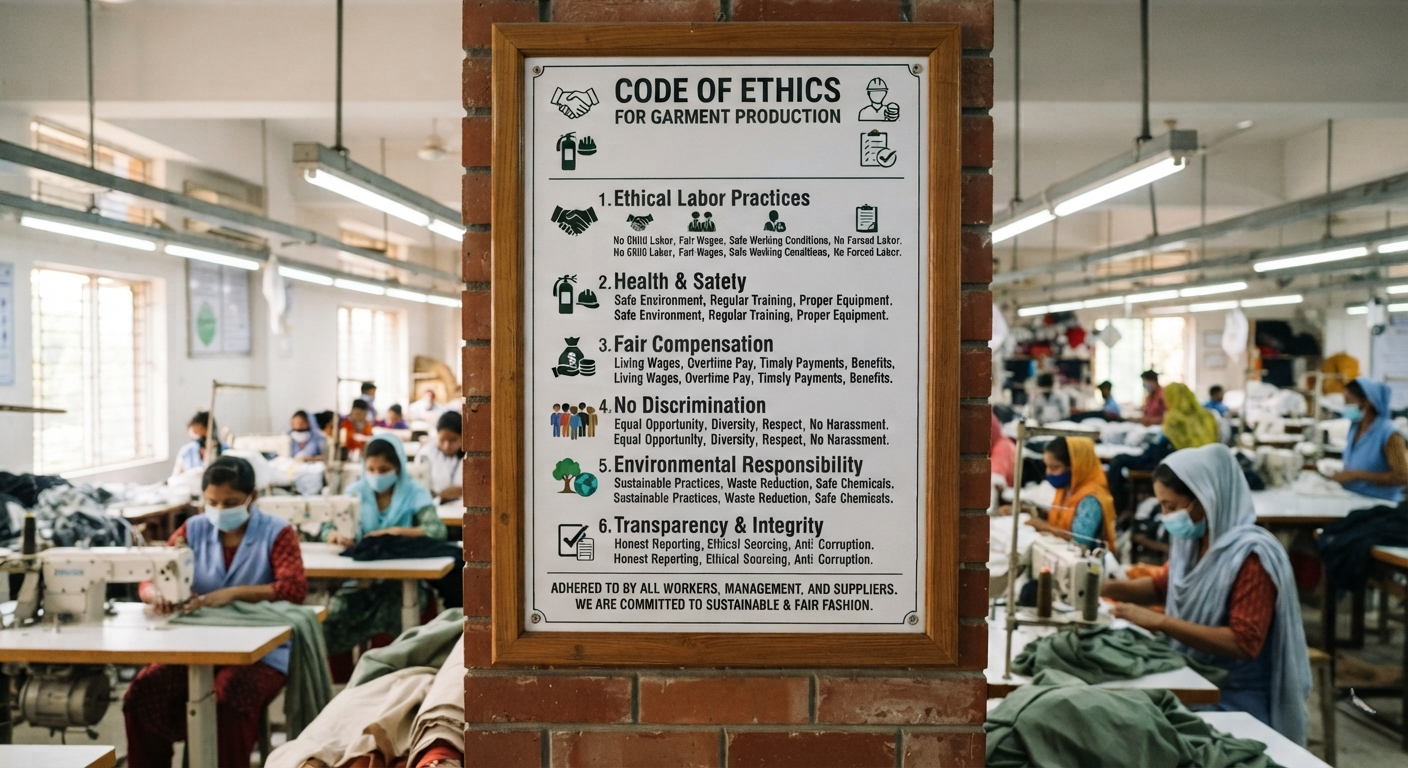
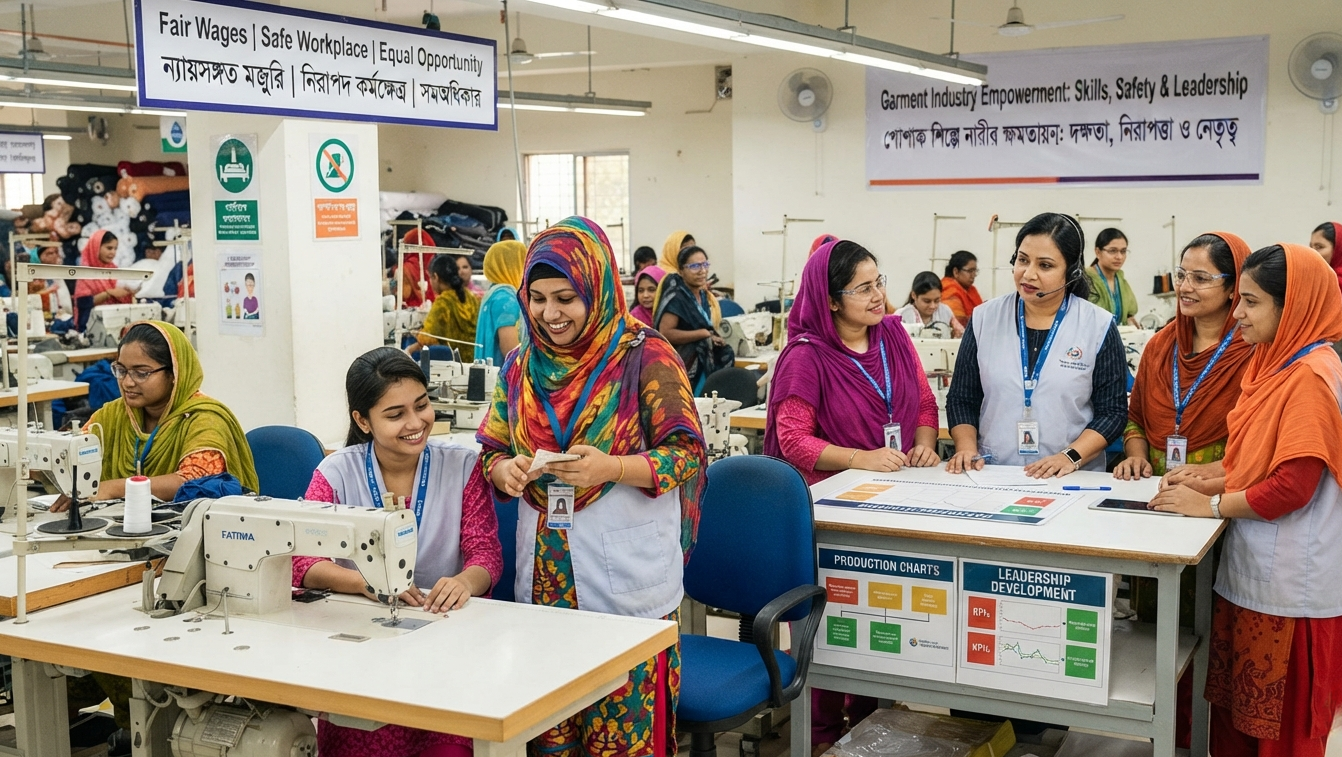
The garment and textile industry is one of the biggest sources of employment in the world. Across Asia, Africa, Latin America and Eastern Europe, millions of people depend on garment factories and textile businesses for their income and livelihoods. The industry has played an important role in creating jobs, supporting exports and improving economic opportunities in many developing countries.
At the same time, the way working hours are managed has become an important concern. Long shifts, frequent overtime, production pressure and limited rest can have a direct effect on workers' health and quality of life. These issues become particularly visible during busy production periods, when factories are trying to meet tight shipment dates or sudden increases in orders.
For many years, working hours were mainly discussed from a production perspective. Today, the conversation is broader. Working time is closely connected with worker welfare, labor rights, occupational safety, ethical sourcing and social sustainability.
A sustainable garment industry therefore needs to achieve more than simply meeting production targets. Workers should be able to earn a living while also having reasonable working hours, sufficient rest, safe working conditions and time for their families and personal lives.
Understanding Working Hours in the Garment Industry
Working hours are simply the time an employee spends carrying out work for an employer. Managing this time properly is important because it affects both factory performance and worker well-being.
In a garment factory, working time can take several forms.
Types of Working Time
| Working Hour Category | Description |
|---|---|
| Regular Working Hours | The normal working schedule established by law or company policy. |
| Overtime Hours | Additional working time beyond the regular schedule. |
| Weekly Working Hours | The total amount of time worked during a seven-day period. |
| Rest Breaks | Breaks provided during the working day for meals, rest and recovery. |
| Weekly Rest Day | A designated day off provided after a specified period of work. |
| Night Shift Hours | Working time that takes place during designated nighttime hours. |
| Peak Season Hours | Additional working time that may occur when production demand increases. |
Overtime itself is not necessarily a problem. In many cases, workers welcome the opportunity to earn additional income. The concern begins when overtime becomes excessive, routine or effectively unavoidable.
There is an important difference between productive overtime and excessive overtime. A factory may occasionally need additional hours to handle an urgent order. However, if a production system depends on long overtime every week, it may indicate problems with capacity, planning, efficiency or order management.
The Global Garment Workforce and Working Hours
Garment production is strongly influenced by the nature of global fashion supply chains. Orders can change quickly, fashion seasons are relatively short and buyers often work with strict delivery schedules.
Several characteristics of the industry can influence working hours:
A large workforce is required for labor-intensive manufacturing.
Women represent a significant part of the workforce in many production regions.
Many factories depend heavily on export orders.
Production volumes can rise sharply during peak seasons.
Shift systems are common in larger manufacturing facilities.
Buyers may require short lead times.
Overtime is often used when production falls behind schedule.
These conditions make working-hour management a practical business issue as well as a social responsibility issue.
A factory that consistently relies on overtime may eventually face tired workers, quality problems, absenteeism and higher employee turnover. For that reason, managing working hours properly should be part of overall production planning rather than something considered only after a production problem occurs.
Global Working-Hour Conditions
Working-hour requirements differ from one country to another. Each country has its own labor laws covering normal working hours, overtime, rest periods and compensation.
The following figures provide an illustrative overview of commonly referenced working-hour frameworks in major garment-producing countries:
| Country | Normal Weekly Hours |
|---|---|
| Bangladesh | 48 hours |
| Pakistan | 48 hours |
| India | 48 hours |
| Cambodia | 48 hours |
| Indonesia | 40–48 hours |
| Vietnam | 48 hours |
| China | Around 40–44 hours |
The actual rules can be more complicated than these figures suggest. Overtime limits, exemptions, sector-specific provisions and compensation requirements may vary. Companies operating internationally should therefore check the current legislation applicable to each facility rather than relying only on a general country comparison.
Even when a factory complies with the legal maximum, that does not automatically mean the working-hour system is ideal from a worker-welfare perspective. A legally permitted schedule can still create fatigue if it is used continuously.
Why Working Hours Matter for Social Sustainability
Working hours affect much more than the number of hours recorded on a timesheet. They influence health, family life, job satisfaction and, ultimately, the stability of the workforce.
Health and Safety
Long working hours can leave workers physically and mentally tired. Fatigue can reduce concentration, slow reaction times and make it harder for employees to maintain attention while operating machinery.
Potential concerns include:
Physical fatigue
Reduced concentration
Musculoskeletal strain
Higher accident risk
Sleep-related problems
Occupational health concerns
Adequate rest gives workers a better opportunity to recover and return to work safely.
Work-Life Balance
A worker's life does not end when the factory shift ends. Employees also have families, household responsibilities and personal commitments.
Reasonable working hours give workers more time to:
Spend time with family.
Look after children or elderly relatives.
Participate in community activities.
Continue education or training.
Manage household responsibilities.
Rest and recover properly.
This is an important part of social sustainability because a responsible workplace should consider the human side of employment, not only production output.
Productivity and Performance
It may seem logical that more working hours automatically mean more production. In reality, the relationship is not always that simple.
When people work excessive hours for extended periods, concentration can decline and mistakes may increase. A factory may then experience more rework, quality problems, absenteeism or employee turnover.
A better-managed schedule can support:
Improved concentration
Better product quality
Lower absenteeism
Stronger employee engagement
More stable productivity
Lower employee turnover
The goal should therefore be productive working time rather than simply maximizing the number of hours worked.
Mental Well-Being
Repeated long shifts can also affect a worker's mental well-being. Constant production pressure, insufficient rest and limited personal time may contribute to stress, exhaustion and reduced job satisfaction.
A more balanced working schedule can help factories maintain a healthier and more stable workforce.
| Impact Area | What Reasonable Working Hours Can Support |
|---|---|
| Health & Safety | Less fatigue and a lower risk of accidents |
| Work-Life Balance | More time for family, community and personal needs |
| Productivity | Better concentration, quality and efficiency |
| Mental Well-Being | Lower stress and improved job satisfaction |
International Principles on Working Hours
International labor principles generally recognize the importance of reasonable working hours, rest and appropriate overtime arrangements.
Responsible working-hour practices normally include:
Reasonable daily and weekly working limits.
Overtime that is properly managed.
Adequate meal and rest breaks.
Regular weekly rest.
Appropriate overtime compensation.
Protection of worker health and safety.
These principles provide a useful foundation for factories developing their own working-hour policies.
Overtime in the Garment Industry
What Is Overtime?
Overtime is work performed beyond an employee's normal working schedule.
In garment manufacturing, overtime can happen for several reasons, including:
Seasonal production increases.
Urgent customer orders.
Production delays.
Unexpected absenteeism.
Labor shortages.
Machine breakdowns.
Capacity limitations.
Changes in order quantities or delivery dates.
Occasional overtime can be a practical way to respond to these situations. The bigger concern is when overtime becomes a normal part of the production system.
If a factory needs significant overtime every month simply to achieve its normal production plan, management should examine why. The underlying problem may be related to manpower planning, line efficiency, machine capacity, production scheduling or unrealistic lead times.
Country-Wise Overtime Rules in Major Garment-Producing Countries
Overtime requirements are not identical across garment-producing countries. Standard working hours, maximum overtime, employee consent, premium payments and other conditions depend on national and, in some cases, regional legislation.
The following overview summarizes the framework described in this article. Because labor legislation can change, factories should always verify the latest applicable requirements before establishing or updating their working-hour policies.
Bangladesh
The standard working schedule is generally described as 8 hours per day and 48 hours per week under the Bangladesh Labour Act. Overtime is generally permitted within specified limits and is subject to applicable compensation requirements.
For garment factories, working-hour compliance is particularly important because export-oriented manufacturers frequently face periods of high production demand. Any special permissions or sector-specific arrangements should be checked against the current legal requirements.
Pakistan
Pakistan generally follows a normal working schedule of around 9 hours per day and 48 hours per week, although specific requirements can vary according to applicable provincial legislation and industry provisions.
Overtime beyond normal working hours is subject to legal requirements and compensation rules. Factories should therefore maintain accurate attendance and payroll records to demonstrate compliance.
India
In India, manufacturing establishments generally work within a framework of 9 hours per day and 48 hours per week, with overtime subject to applicable legal requirements.
Overtime compensation and permitted limits can depend on the relevant legislation and state-level requirements. Proper documentation is particularly important because factories must be able to demonstrate how working hours and overtime have been calculated.
Cambodia
Cambodian labor requirements generally establish normal working hours of 8 hours per day and 48 hours per week.
Overtime is subject to specific conditions and should be properly compensated. Factories also need to consider employee welfare when planning additional working hours, particularly during high-production periods.
Indonesia
Indonesia generally applies a standard working week of 40 hours under its applicable labor framework.
Overtime is permitted under defined conditions, including limits on the number of additional hours and requirements relating to employee consent and compensation. Employers should maintain appropriate records to demonstrate that overtime is being managed correctly.
China
China generally follows a standard working schedule of approximately 8 hours per day and 40 hours per week.
Overtime is regulated, with limits applying to daily and monthly additional working time. Compensation requirements also differ depending on whether overtime takes place on normal working days, rest days or public holidays.
Comparative Overview
| Country | Normal Weekly Hours | Typical Overtime Framework | Notes |
|---|---|---|---|
| Bangladesh | 48 hours | Subject to legal limits | Verify current sector-specific requirements |
| Pakistan | 48 hours | Subject to applicable regulations | Provincial rules may apply |
| India | 48 hours | Subject to applicable legal limits | State-level requirements may affect limits |
| Cambodia | 48 hours | Additional hours subject to legal conditions | Overtime compensation applies |
| Indonesia | 40 hours | Limited overtime permitted | Consent and compensation requirements apply |
| China | 40 hours | Daily and monthly limits apply | Different overtime rates may apply |
Note: Labor laws and regulations can change and special provisions may apply to particular industries or circumstances. The table should therefore be used as a general reference rather than as a substitute for checking current legislation.
Risks Associated With Excessive Overtime
Excessive overtime is one of the more visible social sustainability risks in garment manufacturing.
The effects may not always appear immediately. A factory may initially see higher output, but prolonged overtime can create problems elsewhere in the operation.
Worker Fatigue
Long shifts can reduce alertness and concentration. This becomes particularly concerning when employees work with industrial machinery or perform repetitive operations for extended periods.
Health Problems
Continued excessive working hours may be associated with:
Musculoskeletal problems
Sleep deprivation
Stress
Physical exhaustion
Cardiovascular risks
Other occupational health concerns
Family and Social Impact
Long working days can leave workers with very little time outside the factory.
This can affect:
Childcare
Family responsibilities
Education
Community involvement
Personal development
Rest and recovery
Reduced Productivity
More hours do not necessarily mean proportionally more output.
When workers become exhausted, factories may experience:
More production errors
Higher rework
Lower efficiency
Quality problems
Increased absenteeism
Higher employee turnover
This is why working-hour management should be considered alongside production efficiency.
Factors That Influence Working Hours
Working hours are usually affected by several factors rather than one single issue.
| Category | Influencing Factors |
|---|---|
| Economic | Demand fluctuations, labor availability, inflation and productivity |
| Operational | Production planning, machine efficiency and workforce capacity |
| Buyer Practices | Lead times, order changes and delivery requirements |
| Workforce | Skill levels, attendance and employee turnover |
| Market Conditions | Seasonal demand, sourcing competition and customer expectations |
Understanding these factors can help management identify the real reasons behind overtime instead of simply treating overtime as a production solution.
Challenges in Managing Working Hours
Global Supply Chain Pressure
Garment manufacturers compete on cost, speed and flexibility. When several suppliers are competing for the same order, there can be strong pressure to accept tight delivery schedules.
This can create additional pressure on factory workers when production falls behind.
Short Lead Times
Short production lead times can make working-hour management difficult. If an order arrives late or the delivery date changes unexpectedly, the factory may have little time to recover the lost production.
Capacity Constraints
Insufficient manpower, limited machinery or inadequate production capacity can lead to overtime.
Capacity planning is therefore an important part of preventing excessive working hours.
Production Inefficiencies
Machine downtime, poor line balancing, material shortages, quality problems and bottlenecks can all reduce output during normal working hours.
If these issues are not addressed, factories may try to recover the lost production through overtime.
Workforce Availability
Absenteeism and employee turnover can increase the workload of workers who remain on the production floor.
Effective workforce planning and employee retention can therefore have a direct effect on working-hour performance.
Ethical Working-Hour Management and the Code of Ethics
Ethical Commitment to Responsible Working Hours
A responsible garment manufacturer should recognize that employees are not simply a production resource. They are people whose health, family life and well-being are affected by the way work is organized.
Reasonable working hours support:
Worker health
Human dignity
Family stability
Workplace morale
Sustainable productivity
Long-term business performance
For this reason, working-hour management should be included within a company's Code of Ethics and broader social compliance program.
Principles of Ethical Working-Hour Management
A responsible working-hour system should be built around several basic principles:
Respect for human rights.
Compliance with applicable labor laws.
Protection of worker health and safety.
Fair and transparent treatment.
Accurate timekeeping.
Appropriate overtime management.
Worker participation.
Continuous improvement.
These principles help move working-hour management away from simply "passing an audit" and toward creating a workplace that is genuinely sustainable.
A Practical Approach to Working-Hour Management
Companies that want to improve their working-hour performance can take several practical steps.
They can:
Monitor working-hour patterns regularly.
Identify departments or production lines with unusually high overtime.
Improve production planning.
Maintain adequate manpower.
Review machine capacity.
Reduce avoidable production losses.
Communicate realistic delivery commitments.
Encourage employees to report workload concerns.
Monitor fatigue and health-related risks.
Review overtime trends with management.
The objective should not simply be to reduce overtime to zero. Instead, the goal is to prevent unnecessary and excessive overtime while maintaining a realistic production system.
| Theme | Requirements |
|---|---|
| Working-Hour Compliance | Follow applicable legal limits and standards |
| Overtime Management | Properly manage overtime and compensation |
| Breaks & Rest | Provide appropriate breaks and weekly rest |
| Time Recording | Maintain accurate attendance records |
| Workforce Planning | Plan capacity to reduce unnecessary overtime |
| Worker Participation | Provide channels for discussing workload concerns |
| Health & Safety | Monitor fatigue and related risks |
| Transparency | Communicate working schedules and overtime clearly |
Working-Hour Performance Monitoring
Factories cannot improve what they do not measure. Regular monitoring can help management identify patterns before they become serious problems.
Useful Working-Hour KPIs
| Indicator | Objective |
|---|---|
| Working-Hour Compliance Rate | Check compliance with applicable requirements |
| Average Weekly Working Hours | Monitor overall workload |
| Overtime Hours per Employee | Identify dependence on overtime |
| Excessive Overtime Cases | Identify high-risk employees or departments |
| Rest-Day Compliance Rate | Check whether workers receive appropriate rest |
| Time-Record Accuracy | Ensure attendance data is reliable |
| Fatigue-Related Incidents | Identify possible health and safety concerns |
| Employee Satisfaction | Understand how workers view working schedules |
| Absenteeism Rate | Identify possible workload or workforce issues |
| Employee Retention Rate | Monitor longer-term workforce stability |
These indicators can be reviewed monthly or quarterly depending on the size and complexity of the factory.
Working Hours and ESG
Working hours are increasingly connected with the social element of ESG — Environmental, Social and Governance.
For garment manufacturers, working-hour performance can provide useful information about the social side of business operations.
| ESG Consideration | Relevance |
|---|---|
| Worker Well-Being | An important social sustainability issue |
| Human Rights | Supports responsible labor practices |
| Health & Safety | Helps protect workers from fatigue-related risks |
| Supply Chain Due Diligence | Provides visibility into working conditions |
| Ethical Sourcing | Important consideration for many buyers |
| Social Compliance | Commonly reviewed during factory assessments |
As companies face greater expectations around supply-chain transparency, working-hour data is likely to receive continued attention from buyers and other stakeholders.
Penalties and Consequences of Working-Hour Violations
Working-hour violations can create problems far beyond a single labor-law issue. They can affect a factory's finances, customer relationships, audit performance and reputation.
Legal Penalties
Factories that fail to comply with applicable labor requirements may face action from government authorities.
Depending on the jurisdiction and seriousness of the violation, consequences may include:
Financial penalties
Corrective actions
Labor inspections
Legal proceedings
Restrictions on operations
Other regulatory measures
The actual penalty depends on the law and circumstances of the individual case.
Back Pay and Overtime Compensation
If workers have not received the overtime payments they are legally entitled to, employers may be required to pay outstanding amounts.
Incorrect time records, payroll errors or unauthorized deductions can also create financial liabilities for the factory.
Customer and Brand Consequences
International brands commonly require suppliers to meet labor and social-compliance standards.
Repeated working-hour violations may result in:
Corrective-action requests
Increased monitoring
Additional audits
Reduced business opportunities
Suspension of orders
In serious cases, termination of the supplier relationship
For export-oriented factories, these commercial consequences can sometimes be more significant than the immediate financial penalty.
Audit Non-Conformities
Working-hour issues are commonly reviewed during social compliance assessments.
Programs and standards such as SMETA, amfori BSCI, WRAP, SA8000 and customer-specific compliance systems may examine areas such as attendance records, overtime, rest days, payroll information and worker interviews.
Serious or repeated findings can lead to major non-conformities and closer follow-up.
Health and Safety Risks
Excessive working hours can increase fatigue and contribute to workplace accidents, production mistakes and quality problems.
Over time, these issues can affect employee morale, absenteeism and retention.
Reputational Damage
Labor practices can influence how a company is viewed by customers, workers, investors and the wider public.
Reports of excessive overtime or poor working conditions can damage trust, particularly when a manufacturer supplies internationally recognized brands.
Common Consequences
Working-hour violations can potentially lead to:
Government fines or legal action.
Payment of unpaid overtime.
Labor inspections.
Customer corrective-action plans.
Additional compliance audits.
Loss of business opportunities.
Lower employee morale.
Higher employee turnover.
Increased fatigue-related risks.
Reputational and ESG-related concerns.
Future Trends in Working-Hour Management
Technology and changing buyer expectations are likely to influence the way factories manage working hours in the coming years.
| Trend | Likely Implication |
|---|---|
| Digital Production Planning | Better forecasting of production workloads |
| Real-Time Labor Monitoring | Greater visibility of working-hour patterns |
| Automation | Potentially lower dependence on manual overtime |
| ESG Reporting | Greater disclosure of labor-related performance |
| Responsible Purchasing | More attention to realistic production lead times |
| Human Rights Due Diligence | Greater scrutiny of working conditions across supply chains |
Digital systems can make it easier for factories to identify overtime patterns, but technology alone will not solve the issue. Better working-hour performance also depends on realistic planning, responsible purchasing practices and effective management.
Conclusion
Working hours are an important part of social sustainability in the garment and textile industry. The sector provides employment and economic opportunities to millions of people, but those benefits need to be supported by working conditions that respect workers' health, safety and personal lives.
Overtime will always have a place in garment manufacturing. Seasonal demand, urgent orders and unexpected production problems are part of the industry. The challenge is making sure that overtime remains controlled and does not become a permanent substitute for proper capacity planning.
A sustainable factory should therefore look at working hours from both sides. Production requirements matter, but so do the people who make that production possible.
Compliance with labor law is the starting point. Stronger performance comes from accurate timekeeping, realistic production planning, adequate staffing, good line management and regular communication with workers.
Ultimately, a successful garment business should not measure performance only by how many pieces are produced or whether an order ships on time. It should also consider whether the people producing those garments can maintain a reasonable balance between work, health, family and personal life.
Responsible working-hour management is therefore more than a social-compliance requirement. It is an important part of ethical manufacturing, responsible supply-chain management and long-term business sustainability.