In this process, microbes grown in controlled laboratory conditions are used to form the fiber structure while simultaneously producing color pigments. This approach significantly reduces the need for water, chemicals and energy, making it one of the most promising solutions for sustainable textile manufacturing.
At a fundamental level, this system works by using microbes to:
- Generate the fiber structure directly through biological growth
- Produce color pigments naturally or through genetic engineering
- Eliminate or drastically reduce conventional dyeing processes
- Minimize environmental impact by reducing resource consumption
Role of Bacteria in Textile Creation
Biotechnological textile innovation relies heavily on the unique ability of some bacteria to produce materials naturally. One of the most important advances in this field is the use of cellulose-producing microbes. These bacteria like Komagataeibacter species can produce pure cellulose during fermentation which can be directly used for creating textile-like materials.
During production, these microbes are grown in a controlled, nutrient-rich environment and they begin producing extremely fine cellulose nanofibers. Eventually, these fibres naturally join together to form a continuous sheet. They can then harvest this sheet and process it into a fabric-like structure, without having to go through the fibre cultivation and spinning processes.
The process is a simple biological sequence:
- Microbes are cultured in a nutrient medium
- They synthesize cellulose nanofibers at a microscopic level
- The fibers self-assemble into a continuous sheet
- The sheet is harvested as a usable textile material
This bacterial cellulose has several unique advantages compared to conventional fibres:
- Completely plant-free, requiring no agricultural land
- High tensile strength and durability
- Fully biodegradable and environmentally friendly
- Free from lignin and hemicellulose, unlike cotton
One‑Step Bio‑Dyeing: Producing Color from Biology
Another important breakthrough is the ability to generate colour directly from biological systems. Instead of dyeing fabrics after production, some bacteria can naturally produce pigments, while others can be genetically engineered (e.g., E. coli) to produce specific colours.
These bio-pigments can produce a range of natural colours such as:
- Indigo-like blues
- Melanin-based browns and blacks
- Carotenoid yellows and oranges
- Violacein purples
Here colour production is coupled with material formation. Pigment producing microbes are added during the growth phase of the fibre so that the colour is part of the material itself. This removes a dyeing step, one of the most resource-intensive steps in the textile production chain.
Main advantages of integrated bio-dyeing are:
- No need for salt in the dyeing process
- No use of alkali or harsh chemicals
- No requirement for dispersing agents
- Minimal or zero wastewater discharge
This technology significantly reduces environmental pollution and facilitates the production process by dispensing with the conventional dyeing.
Why This Is a Breakthrough for Sustainability
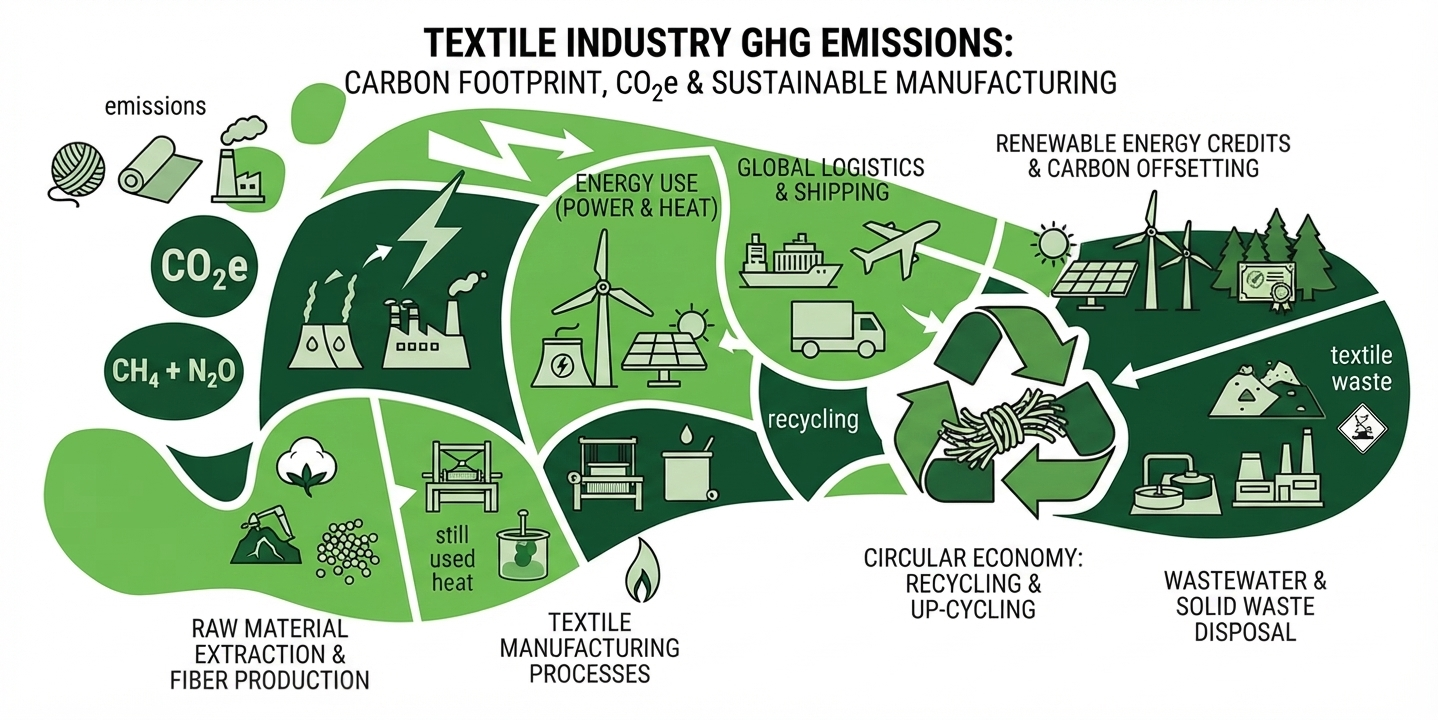
Biotechnological production and dyeing are major shifts to sustainable textile manufacturing to deal with the environmental challenges of traditional processes. It uses less water, fewer harmful chemicals, less energy and creates less carbon emissions.
Water Reduction
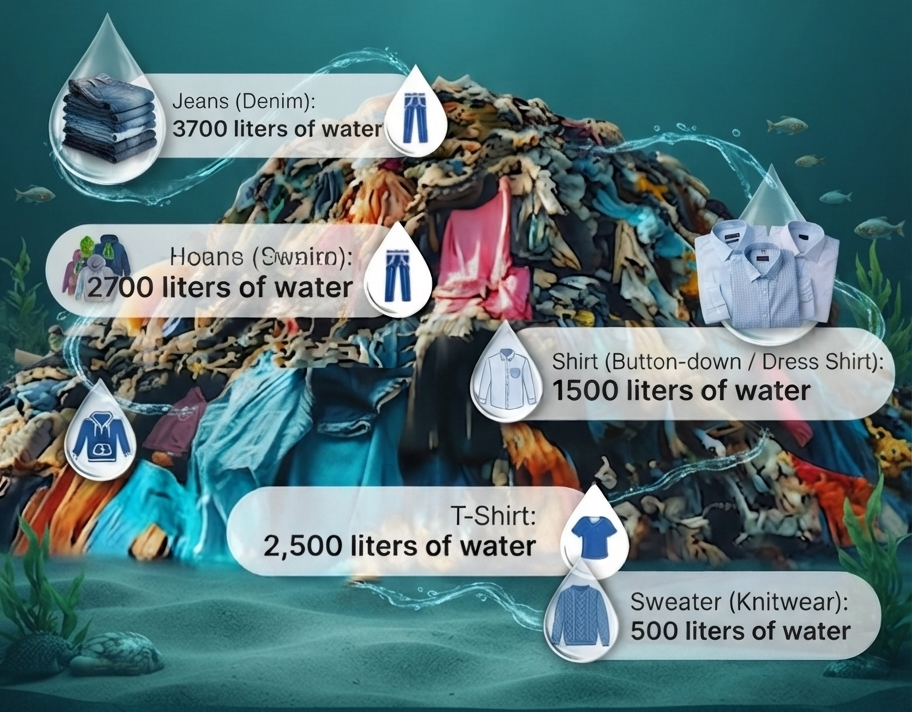
Traditional dyeing processes consume large volumes of water, often in the range of 70–150 litres per kilogram of fabric. In contrast, bio-production systems primarily employ fermentation media that can be reused or recycled.
- Significant reduction in water consumption
- Lower wastewater generation
- Supports circular water usage systems
Chemical Elimination
Conventional methods rely heavily on synthetic dyes and chemicals, many of which are harmful to the environment. The biotechnological methods eliminate this dependency.
- No synthetic dyes required
- No heavy metals or toxic auxiliaries
- Eliminates the need for wastewater treatment
Energy Savings
These biological processes are performed under mild conditions, minimizing the need for energy-consuming operations.
- Low-temperature processing
- No repeated washing, drying or curing cycles
- Reduced overall energy usage
Carbon Footprint Reduction
This replaces traditional chemical processes with biological systems and reduces carbon emissions significantly.
- Less reliance on fossil-fuel-based chemicals
- Enables localized, small-scale production
- Reduces transportation and industrial impact
Comparison with Conventional Textile Dyeing
| Aspect | Conventional Dyeing | Biotechnological Dyeing |
|---|---|---|
| Water use | Very high | Extremely low |
| Chemicals | Salt, alkali, dyes | Nutrient media only |
| Wastewater | Polluted effluent | Minimal / none |
| Energy | High (heat, drying) | Low |
| Process steps | Many | One integrated step |
| Environmental risk | High | Very low |
Applications and Potential Uses
Biotechnological textile production is still in its early stages, but it is already showing strong potential across multiple applications. In its current form, the technology is mainly being used in experimental and niche areas where innovation and sustainability are key focus points. Designers and researchers are using it to explore new materials, textures and eco-friendly alternatives to traditional fabrics.
At present, common and near-future applications include:
- Fashion prototypes and concept garments for innovation showcases
- Luxury accessories where uniqueness and sustainability add value
- Experimental sustainable fashion collections
- Interior panels and decorative textiles with aesthetic appeal
As the technology continues to develop and become more scalable, its future potential expands significantly. It has the capability to move beyond experimental use into mainstream textile applications, offering a completely new way of producing materials.
Future possibilities include:
- Everyday apparel fabrics such as shirts, dresses and casual wear
- Medical and hygiene textiles with controlled and sterile production
- Biodegradable composites for industrial and fashion applications
- Smart and functional textiles with built-in performance features
Challenges and Limitations
Despite its promising advantages, biotechnological textile production still faces several practical challenges that limit its large-scale adoption. These challenges are mainly related to production efficiency, consistency and material performance.
One of the biggest barriers is scalability. While lab-scale production has been successfully demonstrated, scaling up fermentation processes for industrial-level output remains expensive and complex. In addition, biological processes are naturally slower compared to conventional spinning and manufacturing methods, which affects overall production speed.
Key limitations include:
- Difficulty in scaling from laboratory to industrial production
- Slower growth and production rates compared to traditional methods
- Limited control over color range compared to synthetic dyes
- Challenges in maintaining shade consistency and repeatability
- Durability concerns such as wash fastness and abrasion resistance
- Need for additional coatings or finishing for apparel use
Role of Synthetic Biology & Genetic Engineering
Synthetic biology is playing a crucial role in overcoming these limitations and accelerating the development of biotechnological textiles. By modifying and engineering microorganisms, scientists can improve both material production and color performance.
Through genetic engineering, microbes can be programmed to produce specific pigments, improve color stability and generate stronger cellulose structures. This not only increases production efficiency but also opens up new design possibilities.
Key advancements include:
- Engineering microbes to produce targeted color molecules
- Enhancing pigment stability and wash fastness
- Increasing cellulose yield and material strength
- Enabling programmable patterns and color designs
In the future, this could allow manufacturers to create textiles that are “grown” with pre-designed colors and functionalities, reducing the need for additional processing.
Industry Significance
Biotechnological dyeing and material production represent a major shift in the textile industry, particularly in terms of sustainability and environmental impact. As global regulations become stricter and brands focus more on eco-friendly practices, this technology offers a strong alternative to traditional methods.
It supports several key industry goals, including reduced water usage, lower carbon emissions and circular production systems.
From an industry perspective, it contributes to:
- Waterless or low-water textile processing strategies
- Circular economy and sustainable material cycles
- Decarbonization and reduced environmental footprint
- Compliance with global environmental standards and regulations
For brands, it also offers strategic advantages beyond sustainability.
- Strong storytelling around innovation and eco-conscious production
- Reduced dependency on complex supply chains
- Opportunity to position themselves as innovation leaders
In Simple Words
Biotechnological textile dyeing introduces a completely new way of producing fabrics—where materials can essentially grow and color themselves at the same time. It simplifies the process and removes many of the traditional steps that cause environmental damage.
In simple terms, it replaces:
- Water with biological systems
- Chemicals with microorganisms
- Pollution with regenerative processes