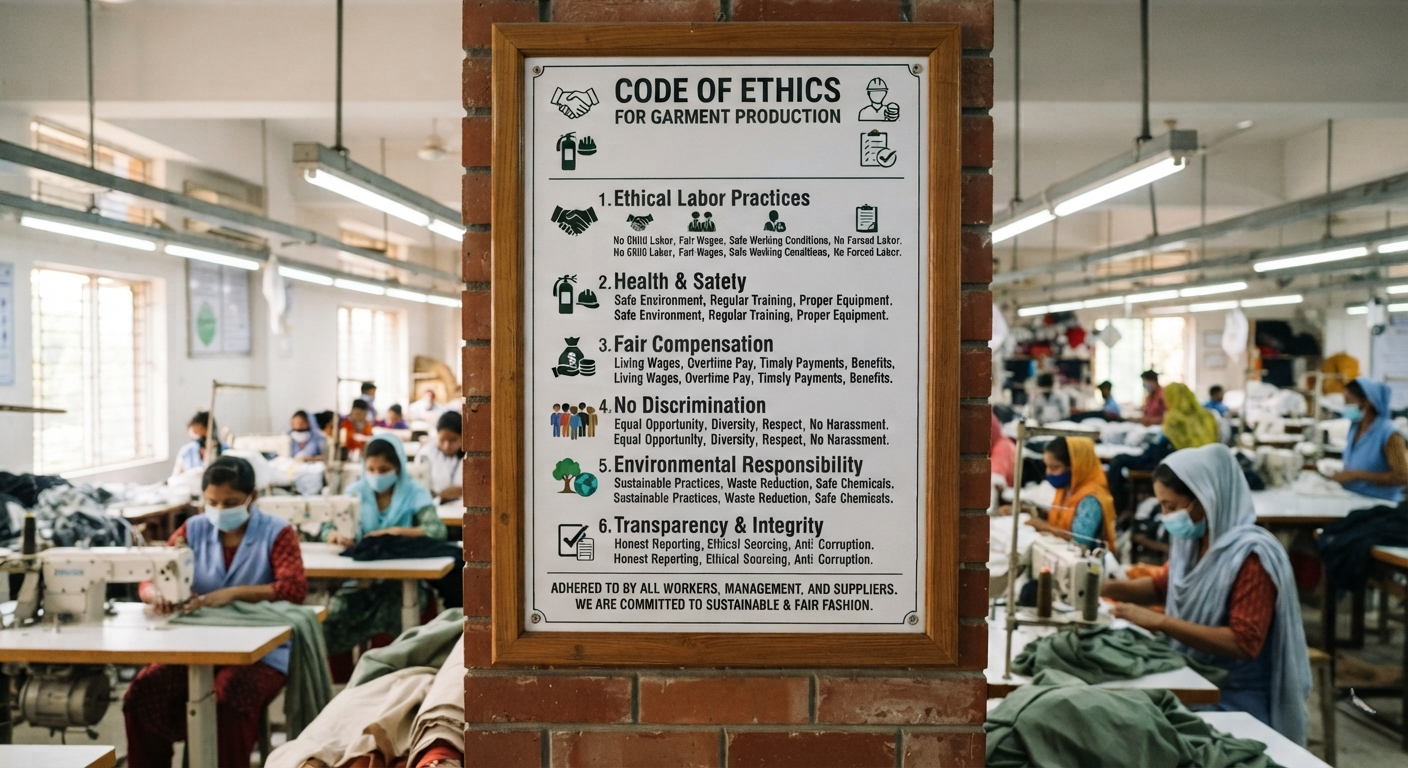
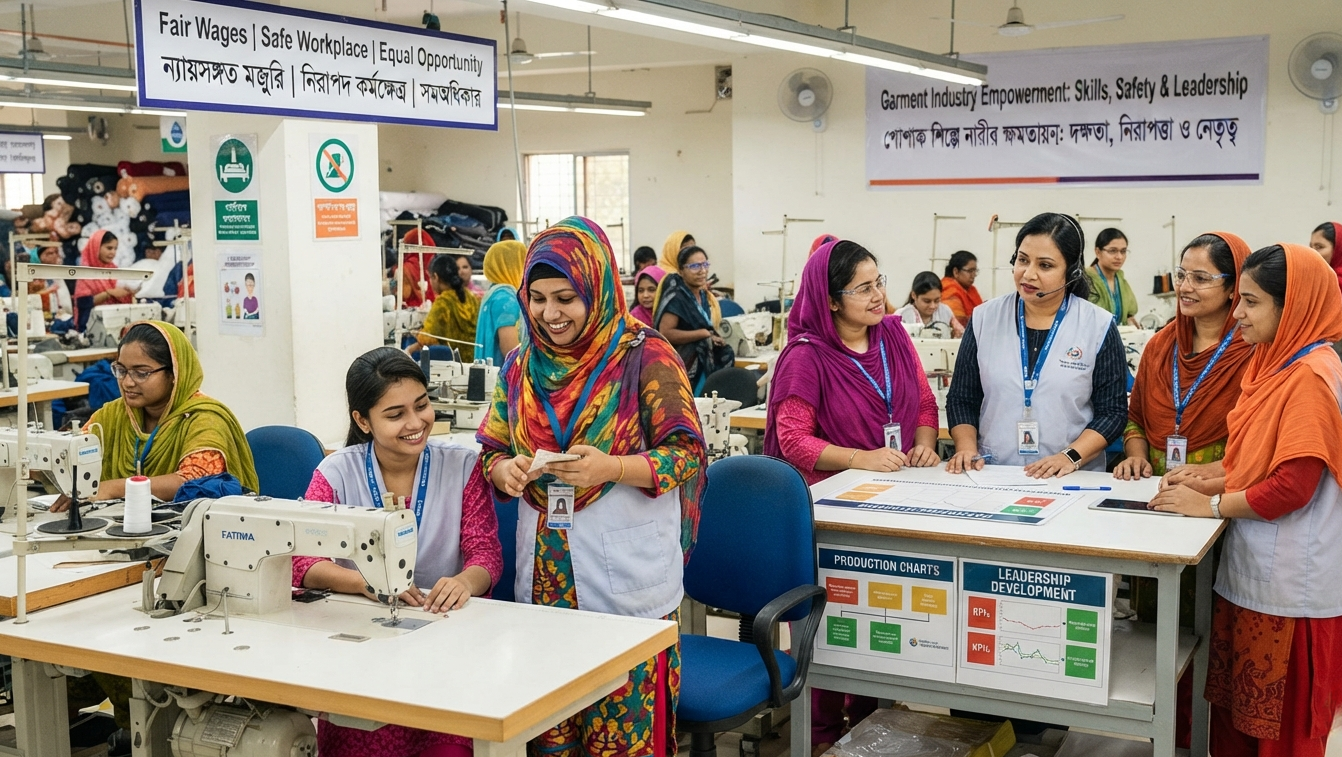
When you visit a clothing store, you see many cheap and stylish clothes. A T-shirt may cost only five dollars and a dress may cost ten. It is easy to forget that real people made these clothes. Someone cut the fabric, sewed the clothes, dyed the fabric and packed the boxes. Behind every piece of clothing is a worker. Many of these workers have poor working conditions.
The textile and clothing industry is one of the biggest industries in the world. Around 75 million people work in it and most are women in developing countries. These jobs can help families earn a better income. However, many workers still receive low wages, work in unsafe factories, do long hours of overtime or even face child labor and forced labor.
This is why fair treatment of workers is very important. It is a key part of sustainable fashion. A T-shirt cannot be called sustainable if the worker who made it cannot earn enough money to live or works in an unsafe factory. Sustainability is not only about protecting nature. It is also about protecting people.
The Disaster That Changed Everything
One event changed the way people looked at the fashion industry. In 2013, the Rana Plaza factory building in Bangladesh collapsed. The building had eight floors. It killed 1,134 workers and injured thousands more. Workers saw cracks in the building the day before, but they were told to keep working. It is one of the worst factory disasters in history.
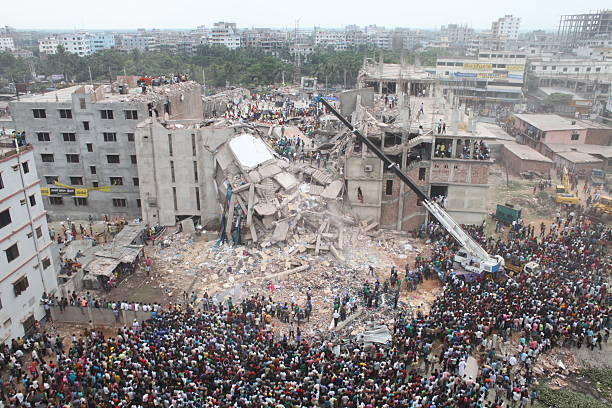
After this tragedy, many people started asking what really happens inside clothing factories. Although the disaster did not solve all the problems, it made customers, reporters and governments pay more attention. More people realized that fashion should be ethical as well as fashionable.
What Ethical Labor Practices Mean
Ethical labor practices simply mean treating workers fairly and safely.
| Area | What It Means |
|---|---|
| Fair pay | Workers earn enough money to meet their basic needs, not just the minimum wage. |
| Safe workplaces | Factories have fire exits, clean air, safe machines, safety equipment and regular inspections. |
| Reasonable working hours | Workers are not forced to work extra hours and receive paid time off. |
| No child labor | Only people who are old enough to work are employed. |
| No forced labor | Workers can leave their jobs whenever they want. |
| Right to join a union | Workers can join or form a labor union without losing their jobs. |
| No discrimination | Everyone is treated equally, no matter their gender, race, religion or nationality. |
| Safe reporting | Workers can report problems without fear of punishment. |
These are basic worker rights. However, clothing is made through long supply chains with many factories in different countries. Because of this, some brands do not know—or do not pay attention to—what is happening in every factory.
Why It Is Also a Sustainability Issue
Many people think worker rights and environmental protection are different issues. In the textile industry, they are closely connected.
Cheap labor increases fast fashion. When workers are paid very little, clothes become cheaper to make. Companies produce more clothes, creating more waste, using more water and increasing carbon emissions. Paying workers fairly helps reduce overproduction.
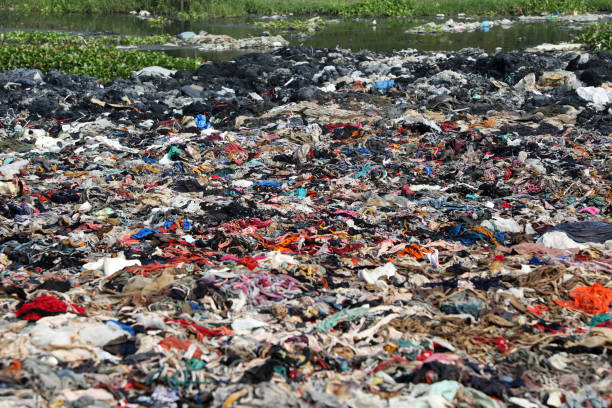
Workers help protect the environment. Workers are often the first to notice pollution or dangerous chemicals. If they fear losing their jobs, they may stay quiet. When workers are protected, environmental problems can be reported and fixed earlier.
Poor working conditions affect businesses. Workers who are underpaid and overworked often leave their jobs. This leads to lower product quality and weaker supply chains.
Communities face both pollution and poor working conditions. Many factory towns have polluted air and rivers. The same people who work in unsafe factories also live in these polluted areas. These problems are connected.
A sustainable industry should protect both people and the environment. An industry that depends on poor working conditions cannot succeed forever.
Why Fair Labor Is Good for Business
Treating workers fairly is not only the right thing to do. It is also good for business.
- Lower legal and business risks. Poor labor practices can lead to lawsuits, import bans and damage to a company's reputation.
- Better customer trust. Many customers want to buy clothes made under fair working conditions.
- Better workers. Workers who are treated fairly usually stay longer and produce better-quality products.
- Investor confidence. Many investors check ESG (Environmental, Social and Governance) standards before investing in a company.
- New government laws. Many countries now require brands to take responsibility for working conditions in their supply chains.
Today, fair labor is becoming a business advantage, not just an extra cost.
The Main Challenges
Improving worker rights is not always easy.
- Long supply chains. One shirt may pass through many farms, factories and suppliers before it is finished.
- Pressure to keep prices low. Customers want cheaper clothes, so factories often reduce labor costs.
- Weak law enforcement. Some countries have labor laws, but they are not always enforced.
- Planned factory inspections. Some factories prepare for inspections and hide problems.
- Short deadlines. Brands often want products quickly, leading to long overtime hours.
These challenges show that real change requires effort from the whole industry.
What Real Change Looks Like
Companies can improve working conditions in several ways.
- Track every factory and supplier in the supply chain.
- Carry out surprise inspections by independent organizations.
- Pay workers a living wage.
- Give workers safe ways to report problems.
- Build long-term partnerships with factories.
- Set fair prices and realistic production deadlines.
Some companies already follow these practices. They use fair trade certifications, work with labor organizations and share information about their suppliers. Although progress is slow, improvements are happening.
What Shoppers Can Do
Customers can also help improve the industry.
- Buy fewer clothes and choose better quality.
- Look for trusted certifications such as Fair Trade Certified, Fair Wear Foundation and SA8000.
- Buy secondhand clothing whenever possible.
- Ask brands where and how their clothes are made.
- Be careful of clothes that are extremely cheap because someone in the supply chain is often paying the real cost.
One person cannot change the whole industry. However, when many customers make better choices, companies pay attention and improve.
Conclusion
The textile industry should protect both workers and the environment. These two goals go together. Factories that treat workers fairly are also more likely to reduce pollution, manage waste properly and run responsible businesses.
A truly sustainable textile industry must provide fair pay, safe workplaces and respect for workers' rights. These are not special benefits—they are basic rights that every worker deserves. Building the industry on these values is the best way to create a fair and sustainable future.
This version uses simpler vocabulary and shorter sentences while keeping all the key points and information.