Environment
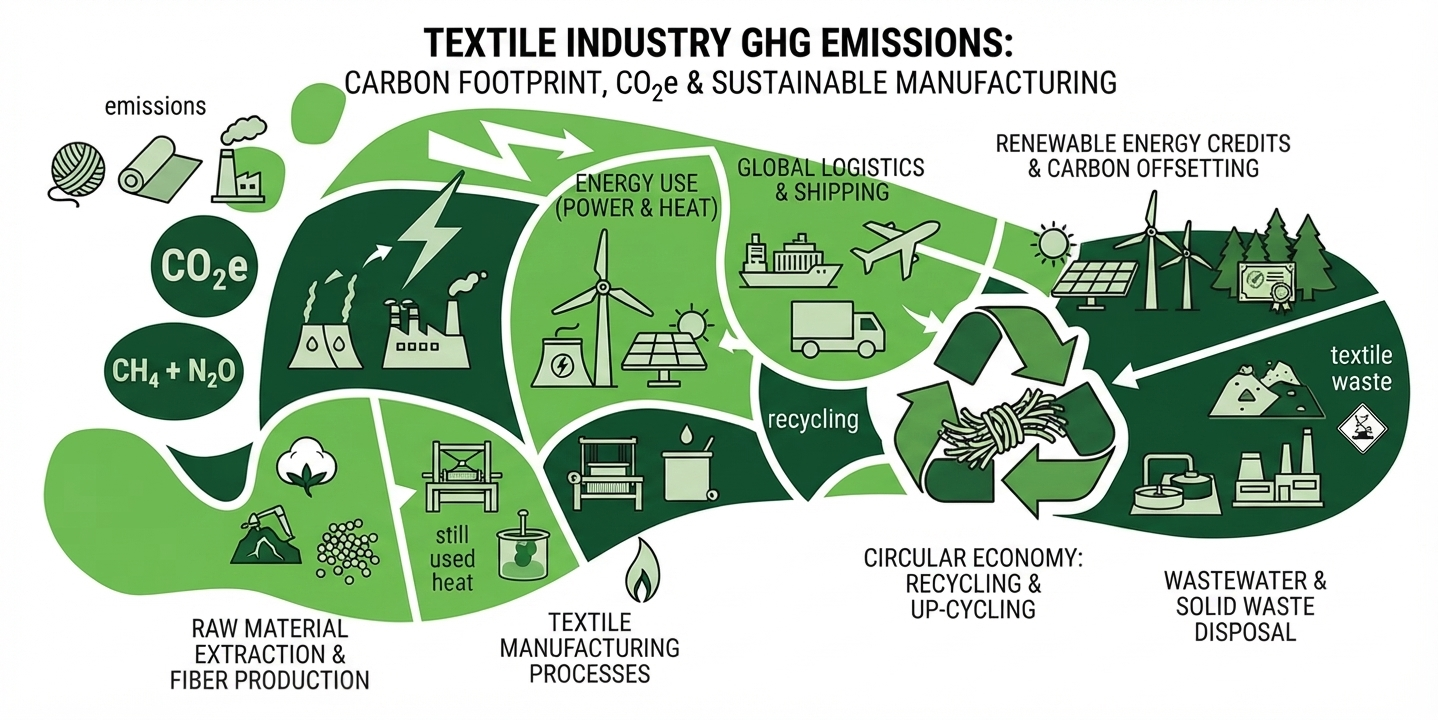
GHG Emissions in the Textile Industry: Carbon Footprint, CO₂e and Sustainable Manufacturing
The garment and textile industry is an important part of the world economy but it is also one of the …
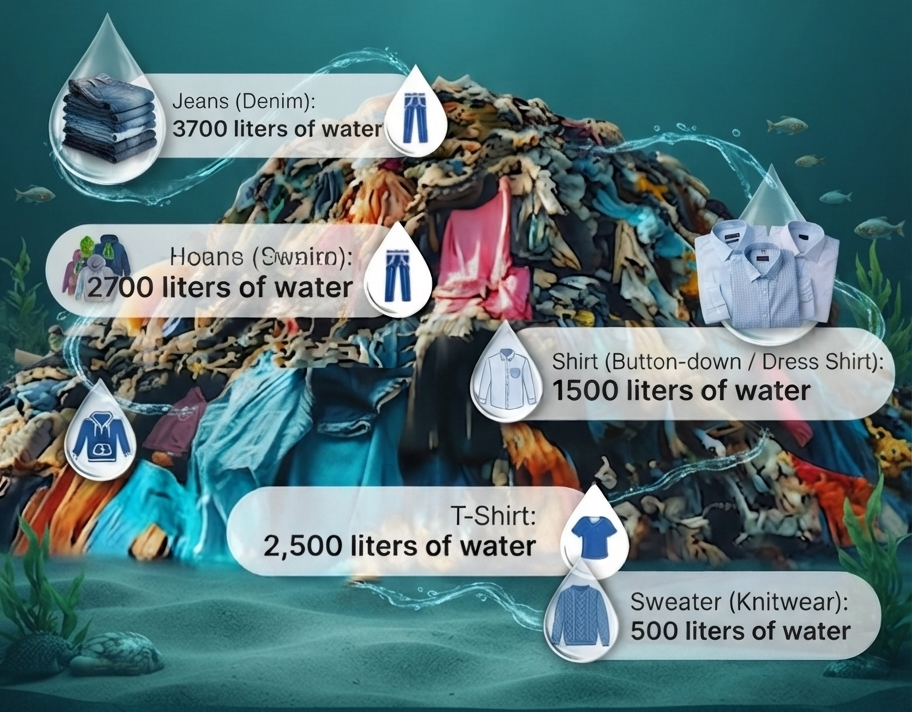
Textile Water Footprint: How Manufacturers Can Reduce Water Consumption
The future of textile manufacturing will depend on cost and productivity, but also on the efficiency with which factories manage …

Sonali Bag (Jute Plastic Bag): Sustainable Alternative to Polythene in Textiles and Packaging
Sonali Bag, also known as jute polymer bag or jute biopolymer bag, is an innovative, biodegradable and eco-friendly alternative to …

Waterless Textile Dyeing: Sustainable Innovations and Eco‑Friendly Fabric Processing
Waterless textile dyeing refers to coloration technologies that eliminate or drastically reduce the use of water in the dyeing process. …
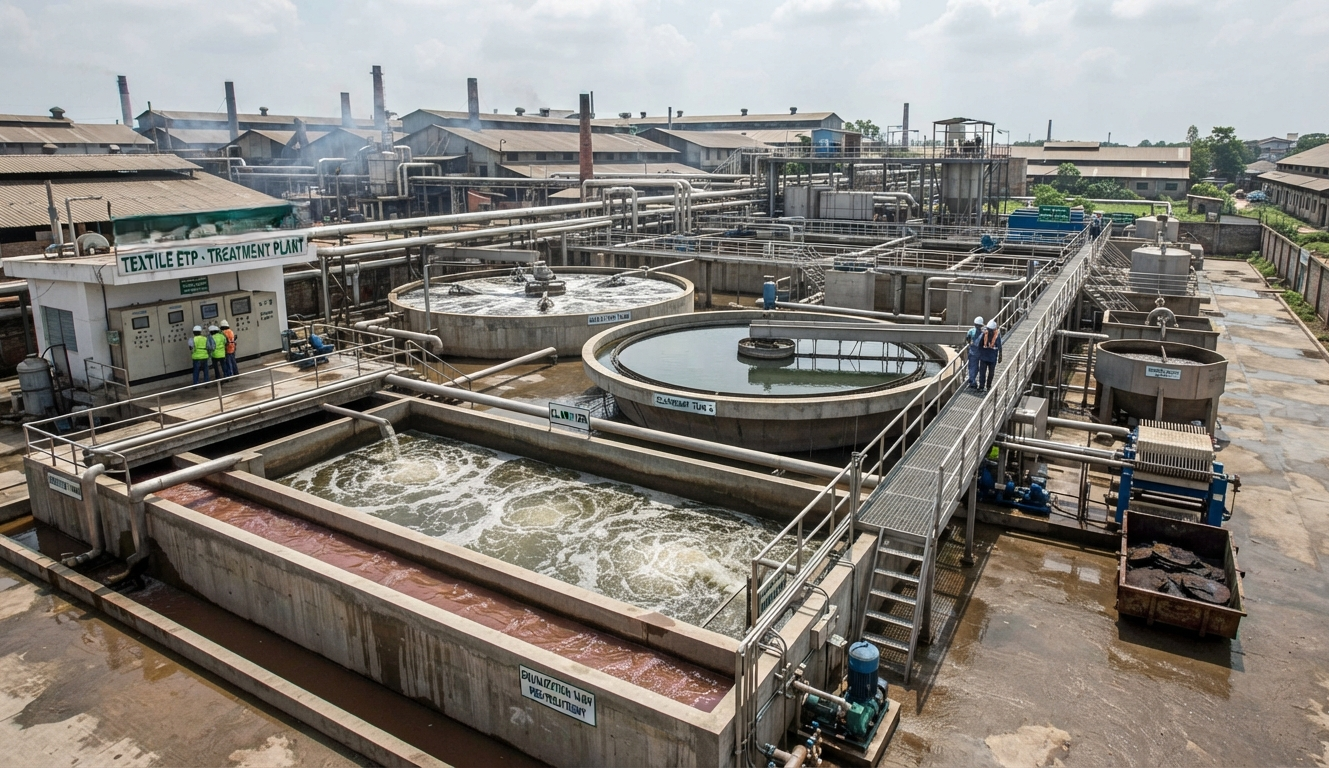
What is a Textile ETP? Process Flow, Chemicals, Equipment and Treatment Stages
Textile factories discharge large volumes of wastewater containing dyes, chemicals, salts and other pollutants. This water has to be treated …

Sustainable & Bio‑Based Materials in Textiles
Sustainable and bio-based textile materials are fibres and materials derived from renewable biological resources or recycled resources, designed to reduce …

Biotechnological Production and Dyeing of Textiles
Biotechnological production and dyeing is an emerging innovation in the textile industry that employs living microorganisms such as bacteria or …
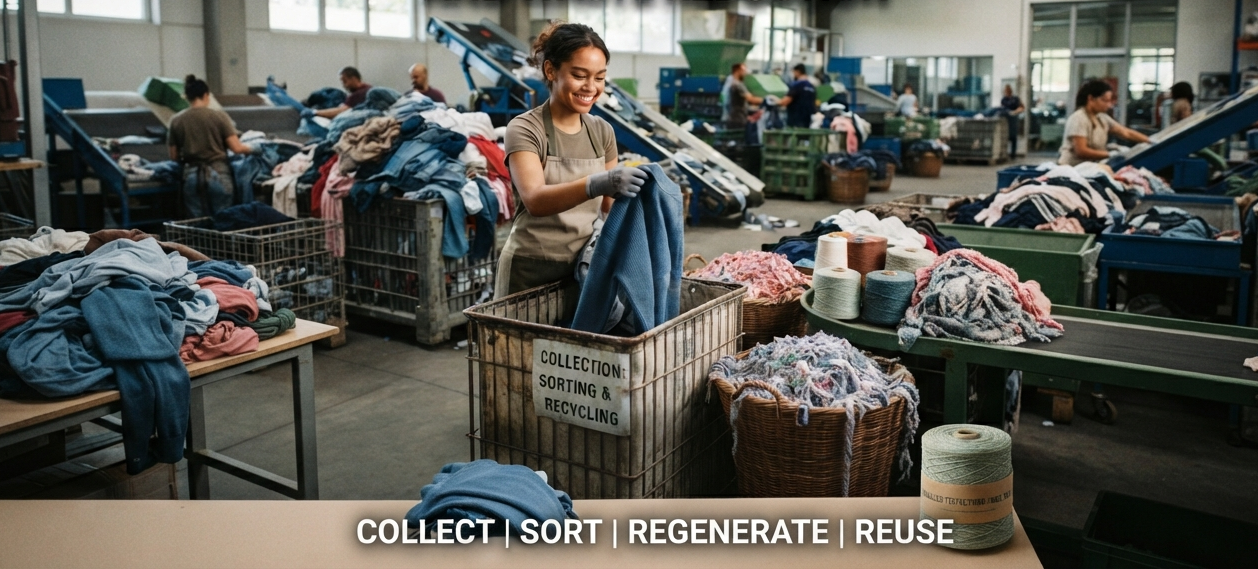
Circular Fashion & Textile Recycling: The Future of Sustainable Fashion and Waste Reduction
The fashion industry produces millions of tons of textile waste each year, creating environmental and economic challenges globally. Circular fashion …