Characteristics of Knit Fabric
Knit fabrics are widely preferred in the apparel industry because of the comfort and flexibility they offer. Unlike woven fabrics, their looped structure allows them to stretch and move easily with the body, making them ideal for everyday wear and active garments. This structure not only enhances comfort but also improves the overall performance and feel of the fabric, especially during prolonged use.
One of the most important features of knit fabrics is their high stretch and recovery. They can easily extend and return to their original shape, which makes them suitable for fitted garments and activewear. Along with this, knit fabrics are known for their soft hand feel, providing a smooth and comfortable touch against the skin.
Another advantage is their wrinkle resistance, which helps garments maintain a neat appearance without requiring frequent ironing. Knit fabrics also offer good breathability, allowing air circulation and helping regulate body temperature, especially in warm conditions.
In addition, their structure provides excellent drape, allowing garments to fall naturally and fit the body comfortably. This enhances both the look and the wear experience. Overall, knit fabrics are designed to deliver maximum comfort, making them suitable for long hours of wear without discomfort.
Key characteristics include:
- High stretch and good recovery for flexibility
- Soft and smooth hand feel for comfort
- Natural wrinkle resistance for easy care
- Good breathability for air circulation
- Excellent drape for better fit and appearance
- Comfortable for prolonged, everyday wear
Types of Knit Fabric Based on Construction
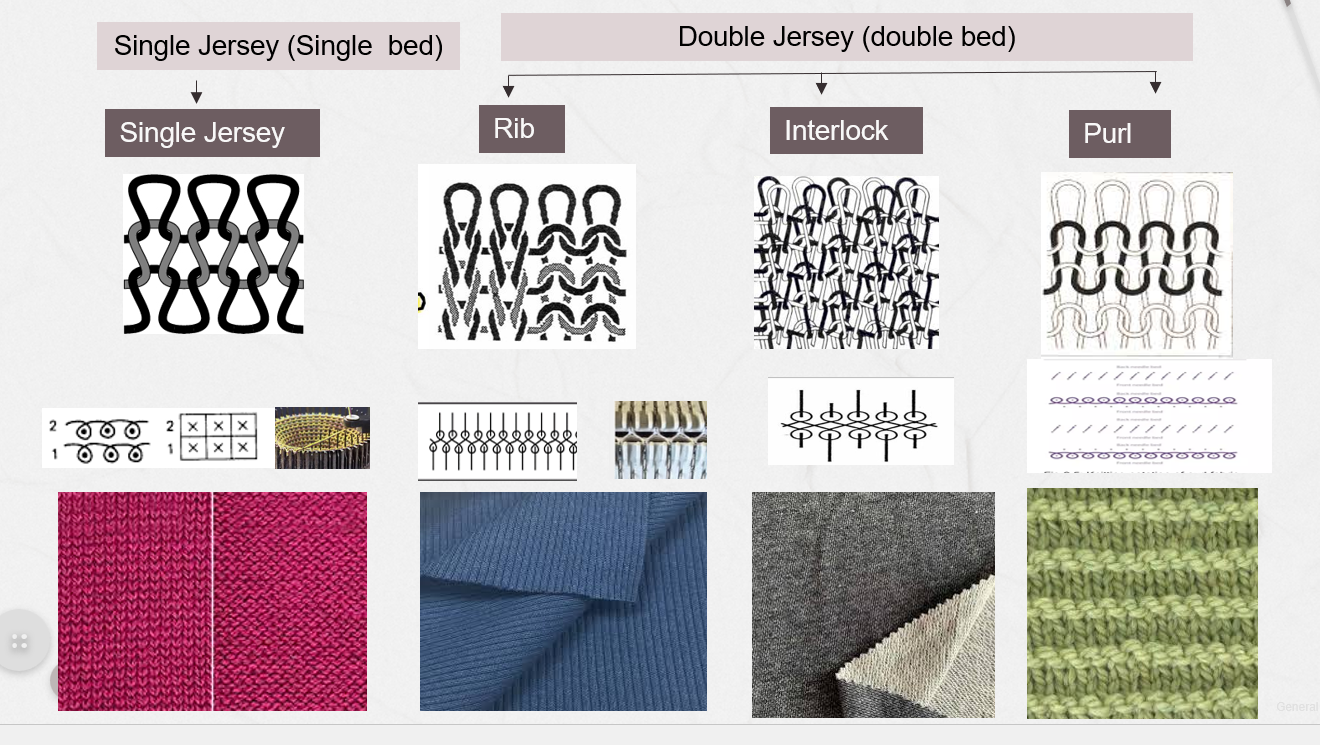
Knit fabrics are mainly classified into Single Jersey (Single Bed) and Double Jersey (Double Bed) constructions.
Single Jersey (Single Bed Knitting)
Single jersey is one of the most commonly used knit fabric structures, produced using a single set of needles. Because of this construction, the fabric has a distinct front and back—knit stitches are visible on the face, while purl stitches appear on the reverse side. This difference gives single jersey its characteristic look and feel.
Single jersey fabrics are lightweight and comfortable, making them ideal for everyday wear. They offer good stretch, mainly in the width direction, but have limited recovery in length. One noticeable characteristic is their tendency to curl at the edges, especially when cut, which needs to be managed during garment manufacturing.
Key properties include:
- Lightweight and breathable
- Good stretch, primarily widthwise
- Cost-effective and easy to produce
- Edges tend to curl

Common end uses:
- T-shirts and casual tops
- Lightweight dresses
- Innerwear and basic garments
Rib Knit Fabric (Double Bed)
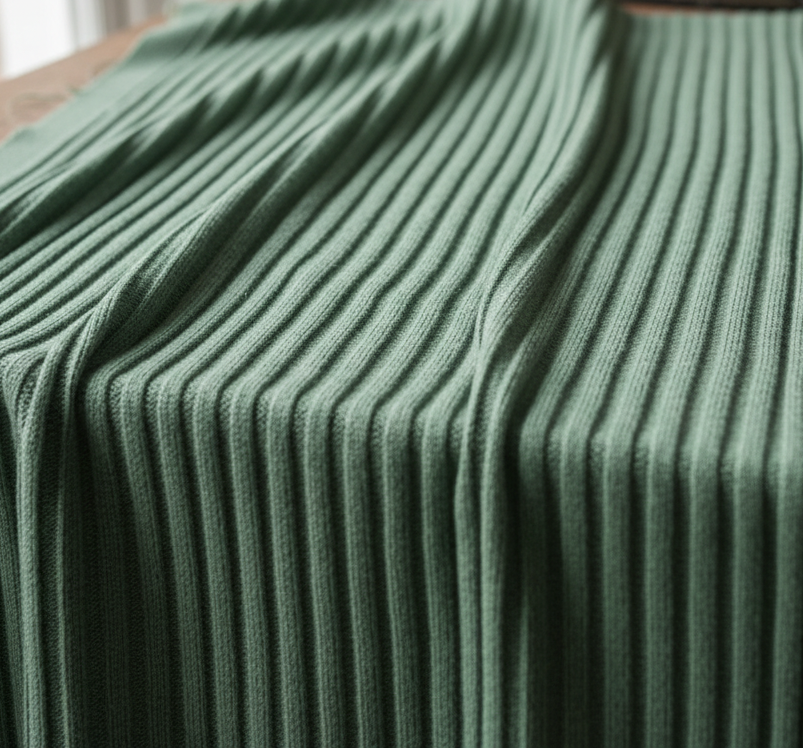
Rib fabrics are produced using two needle beds, which allow the formation of alternating knit and purl stitches in the same row. This creates structures such as 1×1 or 2×2 ribs, giving the fabric a distinctive vertical ribbed appearance.
Compared to single jersey, rib fabrics are more elastic and have better shape retention. They do not curl at the edges, which makes them easier to handle during garment production. Due to the double-bed construction, rib fabrics are slightly heavier and thicker.
Key properties include:
- Excellent elasticity, especially widthwise
- Better shape retention and recovery
- No edge curling
- Heavier and thicker than single jersey
Common end uses:
- Necklines, cuffs and hems
- Sweaters and knit tops
- Waistbands and fitted components
Interlock Knit Fabric (Double Bed)
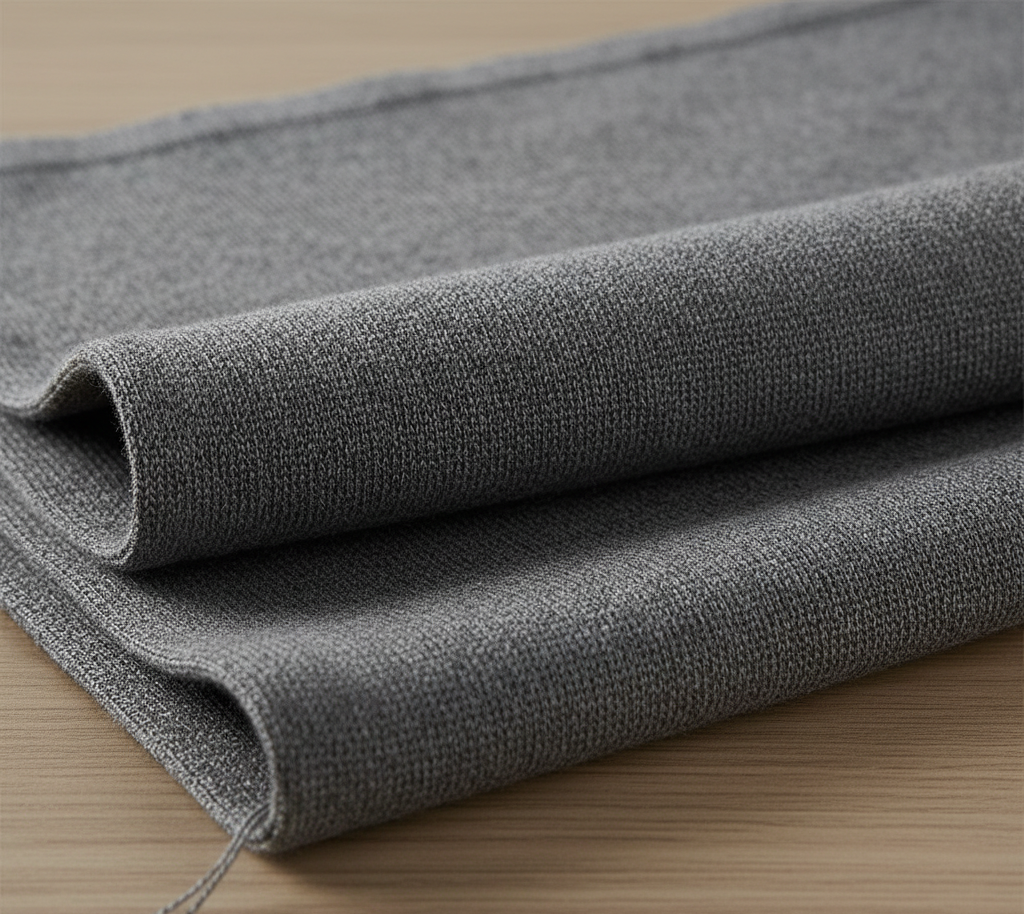
Interlock is a more advanced variation of rib knitting, created by interlocking two rib structures together. This results in a dense, smooth fabric with identical appearance on both sides, giving it a more refined and premium look.
Interlock fabrics are known for their stability, softness and durability. They are less stretchy than rib fabrics but more stable in shape, making them ideal for garments where structure and comfort are important.
Key properties include:
- Same smooth surface on both sides
- High dimensional stability
- Soft, firm and durable
- Moderate stretch (less than rib, more than single jersey)
Common end uses:
- Polo shirts and premium T-shirts
- Babywear and sensitive-skin garments
- Activewear and performance apparel
Purl Knit Fabric
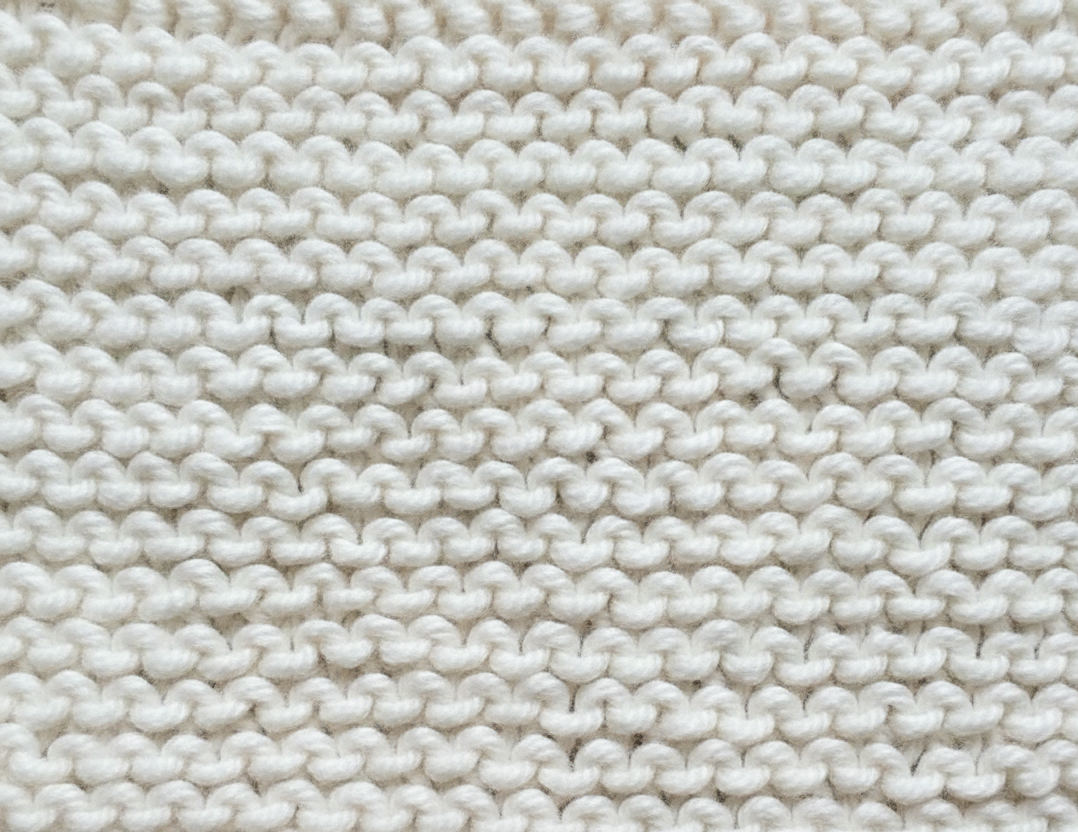
Purl knit fabrics are made entirely with purl stitches on both sides, resulting in a reversible fabric with a textured surface. This unique structure gives the fabric a soft, bulky feel and high elasticity.
However, purl knitting is slower compared to other knitting methods, which makes it less common in mass production. Despite this, it is valued for its warmth and decorative appearance, especially in winter garments.
Key properties include:
- High stretch and bulkiness
- Soft, warm and comfortable
- Reversible with textured surface
- Slower production speed
Common end uses:
- Sweaters and winter wear
- Scarves and accessories
- Decorative knitwear
Comparison of Knit Fabric Constructions
| Fabric Type | Stretch | Weight | Appearance | Common Uses |
|---|---|---|---|---|
| Single Jersey | Medium | Light | Different face & back | T-shirts |
| Rib | High | Medium | Vertical ribs | Cuffs, collars |
| Interlock | Medium | Medium-Heavy | Same both sides | Polo shirts |
| Purl | High | Heavy | Textured | Sweaters |
Single Jersey DerivativesSingle jersey fabrics are produced on single-bed circular knitting machines. They have a distinct face and back, are lightweight and economical.
Lacoste Knit
Lacoste knit, often associated with polo shirts, is a modified form of single jersey fabric that incorporates tuck stitches to create a subtle textured or honeycomb-like surface. This structure improves both the appearance and functionality of the fabric compared to plain jersey. It feels lightweight and breathable while offering better moisture management, which makes it especially comfortable for everyday wear.
Because of its slightly firmer and more stable structure, Lacoste knit holds its shape better than basic jersey fabrics, making it a preferred choice for garments that require both comfort and durability.
Key properties include:
- Lightweight and breathable construction
- Subtle textured surface (honeycomb effect)
- Improved moisture absorption and comfort
- Better dimensional stability than plain jersey

Common end uses:
- Polo shirts
- Workwear and uniforms
- Casual trousers and jackets
Piqué Knit (French Piqué / Swiss Piqué)
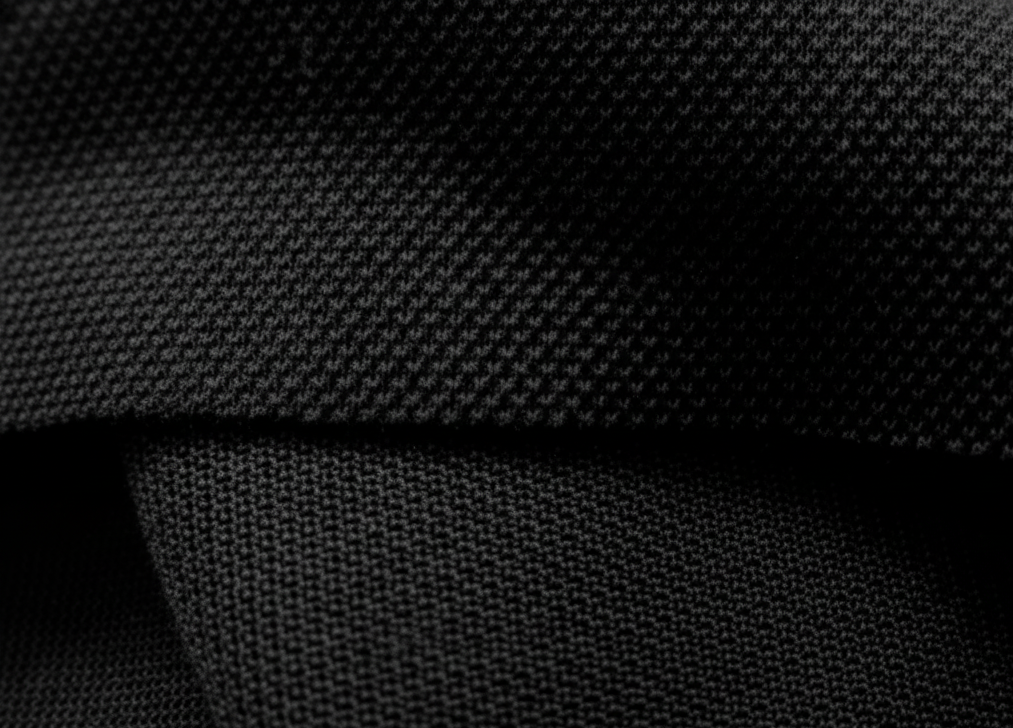
Piqué knit is characterized by its raised geometric patterns, created using tuck stitches that form a structured and slightly embossed surface. This gives the fabric a more elegant and refined appearance compared to smooth knits.
The structure also improves air circulation within the fabric, making it highly breathable while maintaining strength and durability. Because of its firm texture and good abrasion resistance, piqué knit is commonly used in both casual and semi-formal garments.
Key properties include:
- Firm and structured surface
- High air permeability and breathability
- Clean and elegant appearance
- Good resistance to wear and abrasion
Common end uses:
- Dress shirts and casual shirts
- Polo shirts and blazers
- Light jackets and home textiles
Double Jersey Derivatives
Double jersey fabrics are produced using two needle beds, resulting in thicker, more stable and balanced constructions compared to single jersey. These fabrics are known for better durability, reduced curling and improved shape retention, making them suitable for a wide range of apparel and technical uses.
Cardigan Knit (Half / Full)
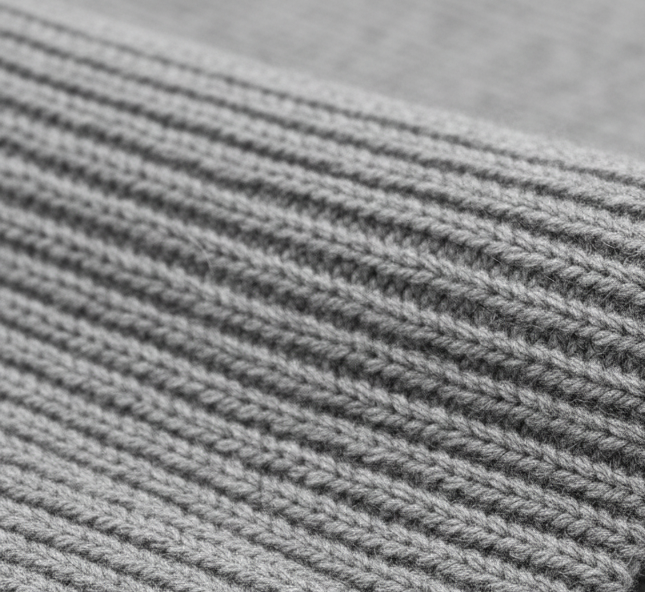
Cardigan knit structures are created using alternating knit and tuck stitches, producing vertical ribs with excellent elasticity. These fabrics are soft, flexible and provide good insulation, making them suitable for both casual and functional garments.
Key properties include:
- High stretch and recovery
- Soft and comfortable hand feel
- Good thermal insulation
Common end uses:
- Workwear and uniforms
- Casual trousers and jackets
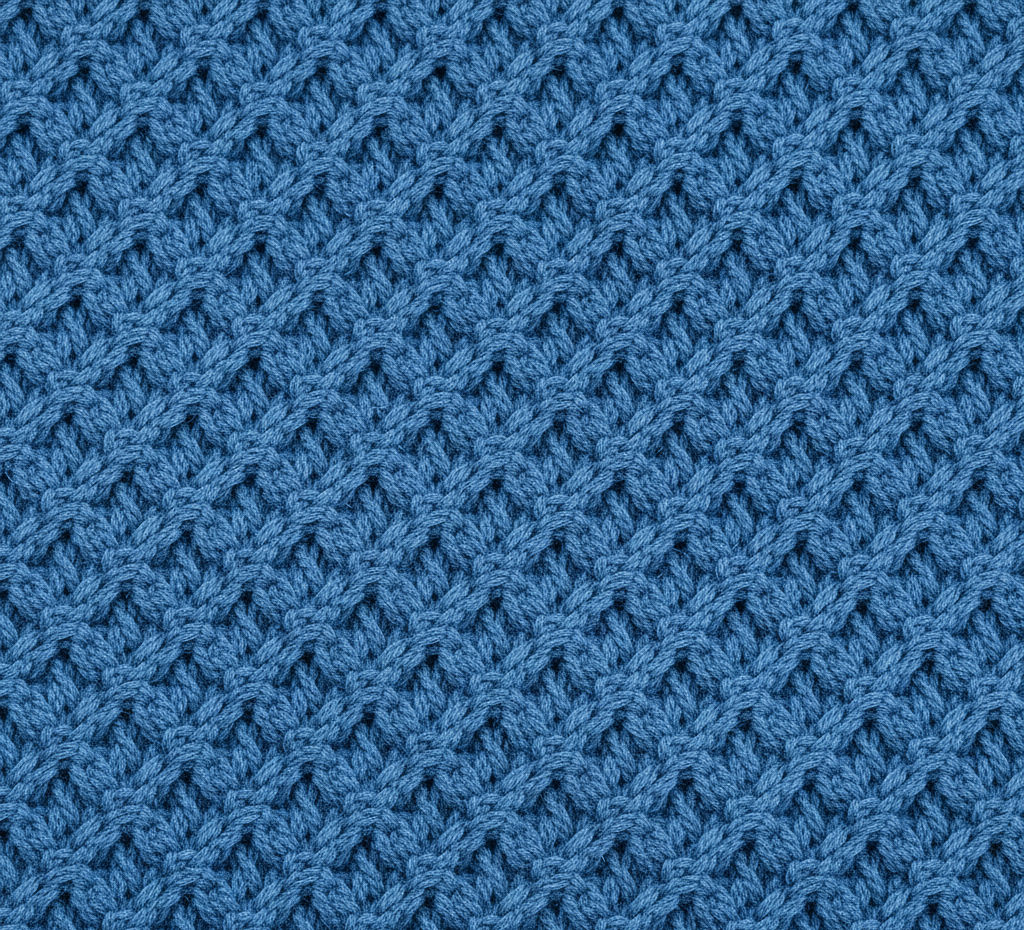
Cable Knit
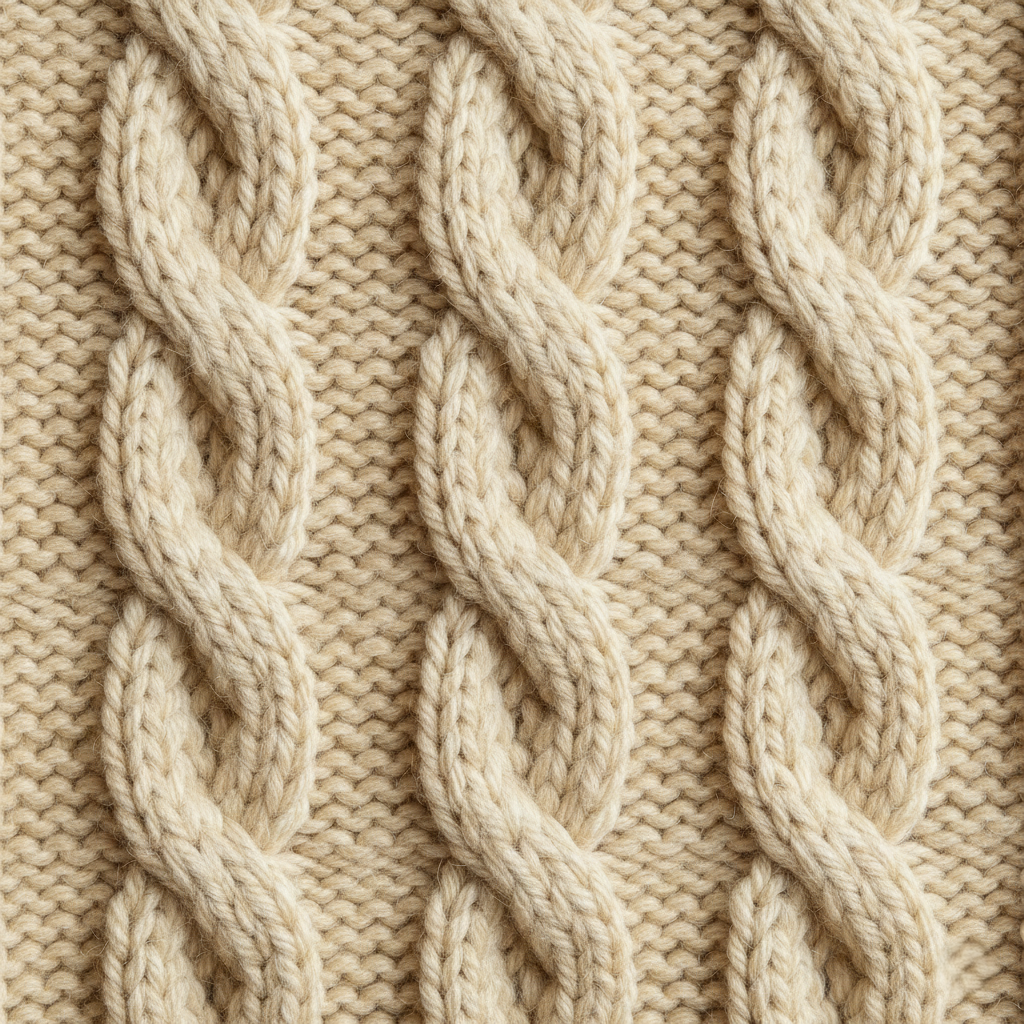
Cable knit fabrics feature complex loop crossings that create braided or rope-like patterns. This structure adds a strong decorative element and increases thickness, making the fabric warm and visually appealing.
Key properties include:
- Rich, decorative surface design
- Bulky and warm structure
- Premium and stylish appearance
Common end uses:
- Sweaters and winter garments
- Jackets and fashion knitwear
Milano Knit
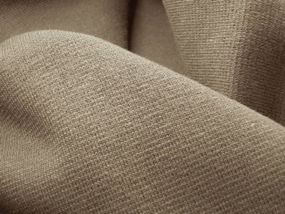
Milano knit is a tightly constructed interlock-based fabric known for its smooth surface and high stability. It has a compact feel with minimal stretch, making it suitable for structured garments that require shape retention.
Key properties include:
- Excellent dimensional stability
- Firm, dense and compact structure
- Wrinkle resistance
- Low stretch
Common end uses:
- Structured garments and outerwear
- Premium knitwear
Diamond Knit
Diamond knit fabrics are created using stitch variations that form geometric diamond patterns. These fabrics combine visual appeal with medium weight, offering both style and functionality.
Key properties include:
- Decorative geometric texture
- Medium weight structure
- Enhanced visual attractiveness
Common end uses:
- Workwear and uniforms
- Casual garments and jackets
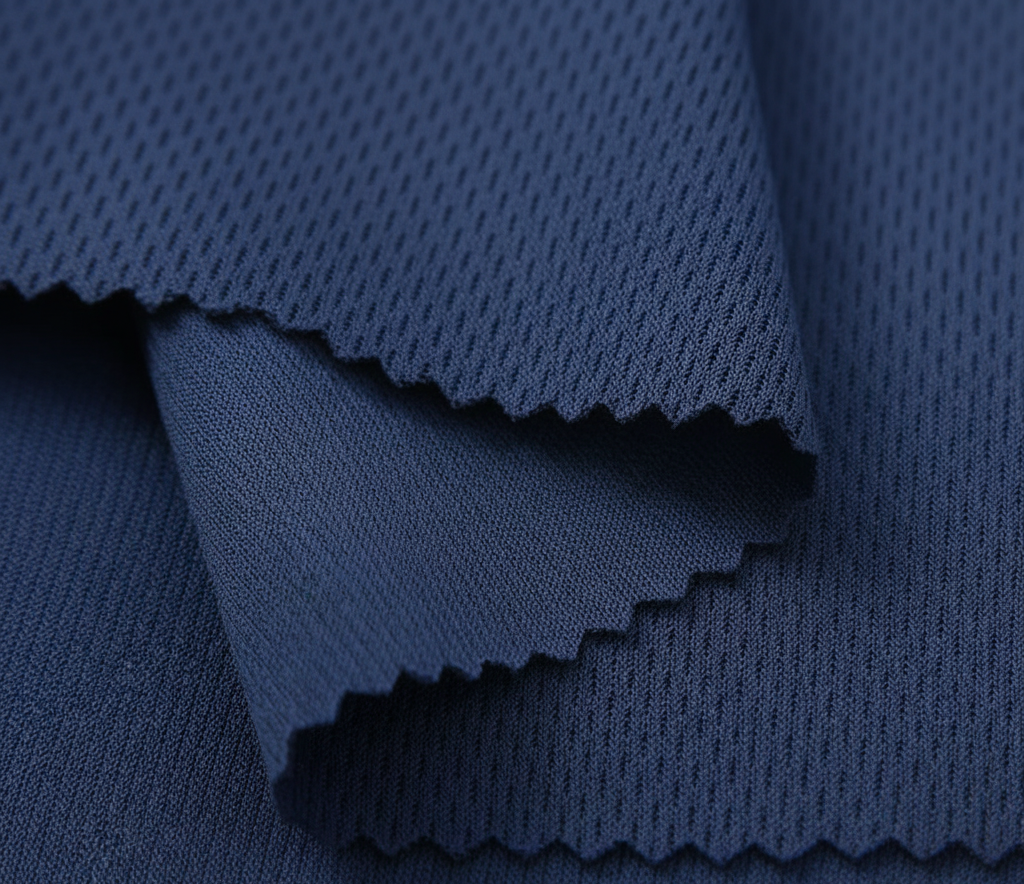
Bird’s Eye Knit
Bird’s eye knit features small, repeating dot or “eye-like” patterns created through tuck stitches. This structure enhances breathability and moisture management, making it ideal for comfort-focused garments.
Key properties include:
- Lightweight construction
- Excellent breathability
- Effective moisture management
Common end uses:
- Shirts and lightweight garments
- Sportswear and casual wear
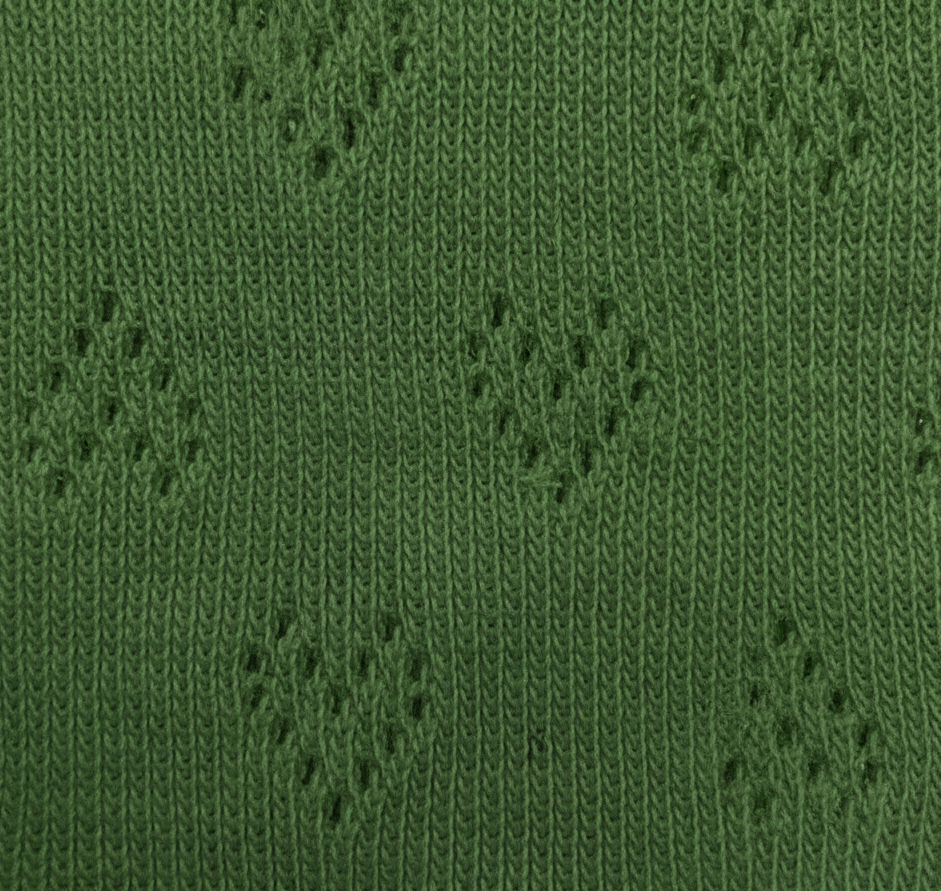
Pointelle Knit
Pointelle knit is an openwork fabric with small decorative holes arranged in patterns. It is lightweight and airy, often associated with feminine and delicate garment designs.
Key properties include:
- Open, airy structure
- High breathability
- Soft and decorative appearance
Common end uses:
- Women’s garments
- Lightweight and seasonal wear
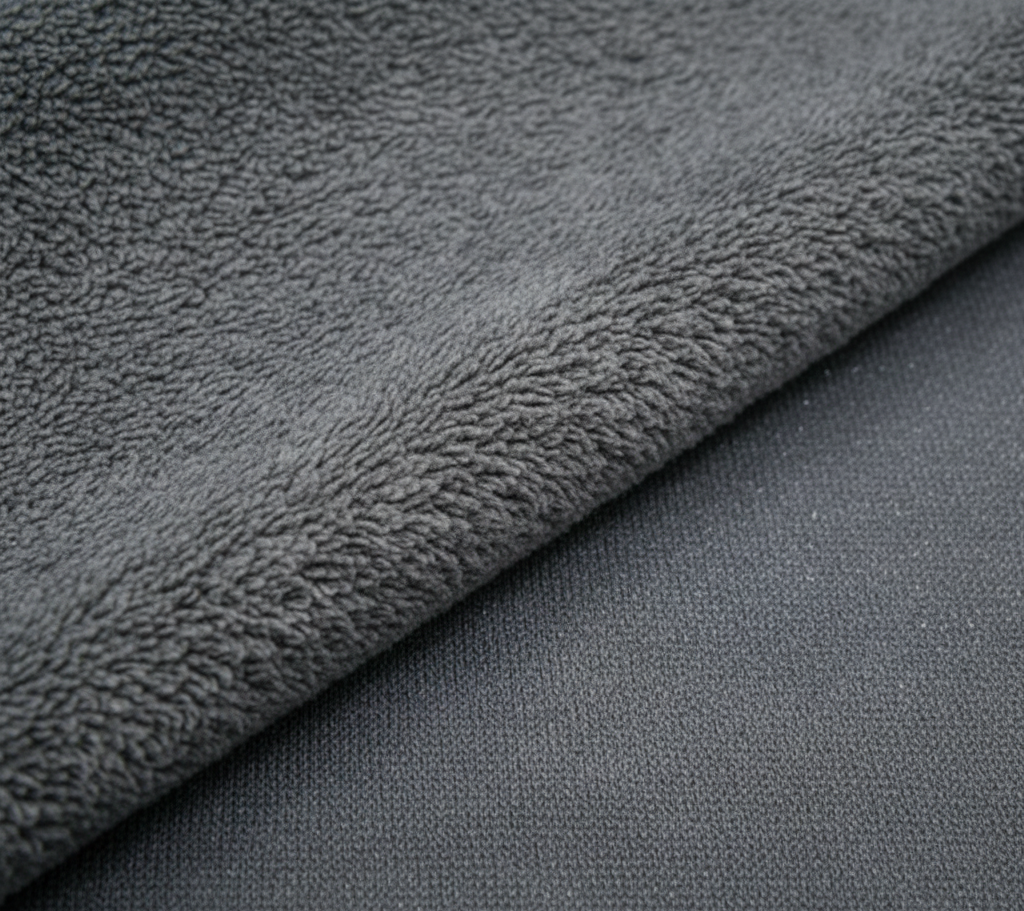
Fleece Knit
Fleece knit is typically made from single or double jersey fabric with a brushed inner surface. This brushing creates a soft, warm layer that provides insulation while remaining lightweight.
Key properties include:
- Soft, brushed interior
- High warmth and insulation
- Lightweight yet cozy
Common end uses:
- Hoodies and sweatshirts
- Winter wear and casual garments
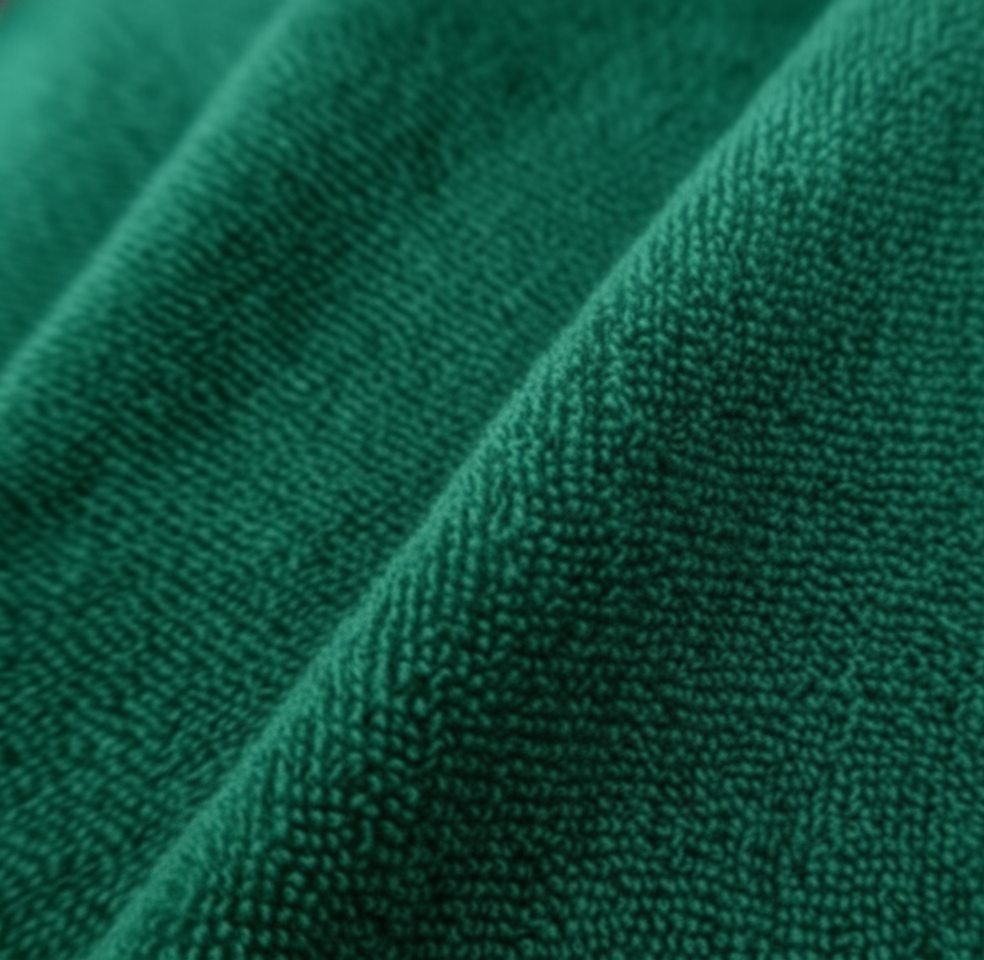
French Terry
French terry features loops on the inner surface and a smooth face on the outside. This structure provides a balance between breathability and warmth, making it suitable for year-round casual wear.
Key properties include:
- Good moisture absorption
- Medium warmth level
- Comfortable against the skin
Common end uses:
- Sweatshirts and loungewear
- Casual tops and activewear
Velour Knit
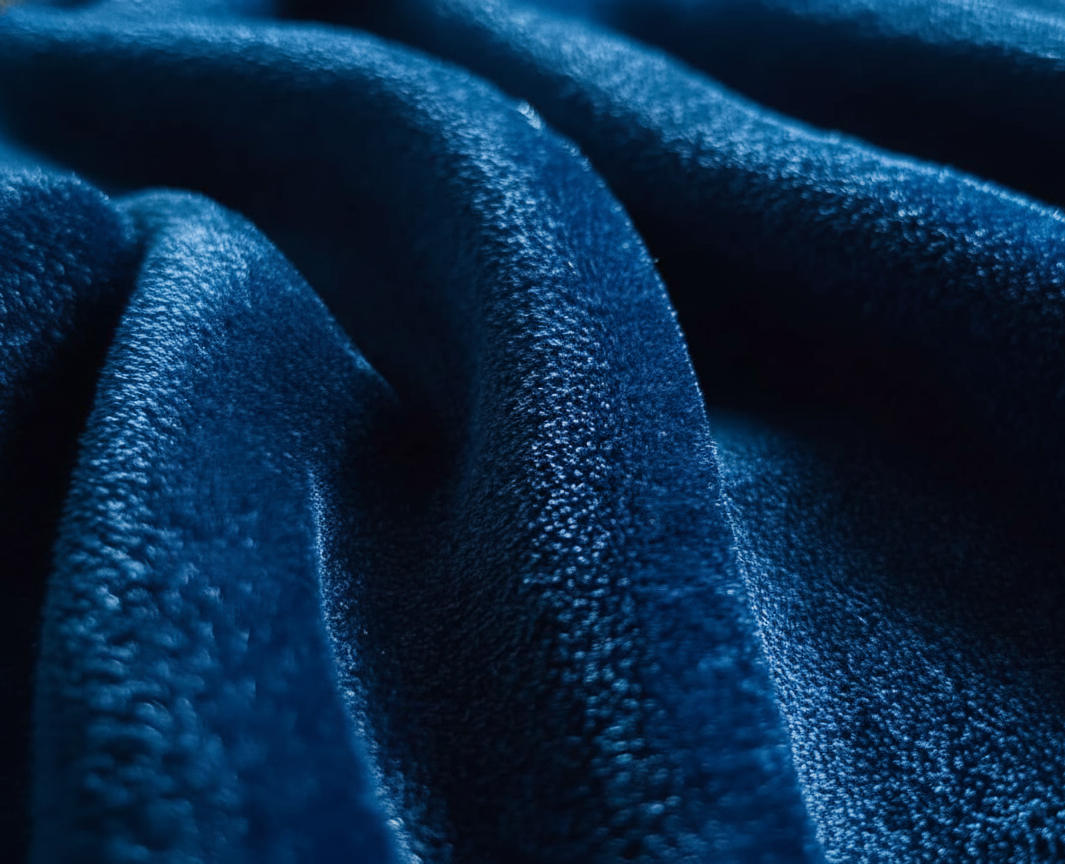
Velour knit is a cut-pile fabric that has a soft, plush surface with a slight sheen. It offers a luxurious feel and elegant drape, often used in premium and comfort-focused products.
Key properties include:
- Soft, velvety surface
- Slight shine and rich appearance
- Good drape and comfort
Common end uses:
- Loungewear and fashion garments
- Decorative textile applications
Jersey-Based Decorative Derivatives
Jacquard Knit
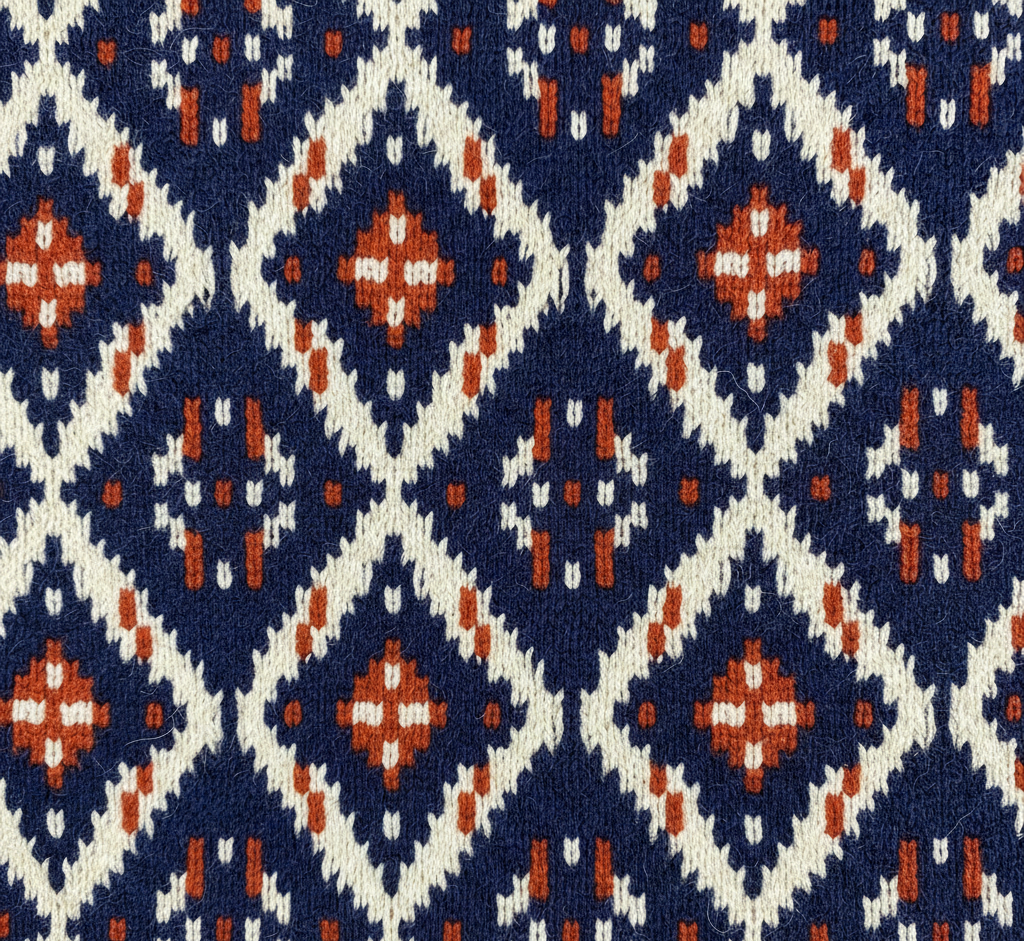
Jacquard knit is an advanced knitting technique that allows the creation of complex and intricate patterns directly within the fabric structure. This is achieved using computer-controlled needle selection, which enables precise placement of different yarns to form detailed designs. Unlike printed fabrics, the patterns in jacquard are fully integrated into the fabric, giving it a premium and durable finish.
Because of its flexibility in design, jacquard knitting is widely used for both functional and decorative purposes. It allows manufacturers to incorporate logos, geometric patterns and multicolor designs directly into garments without additional processing steps.
Key properties include:
- Capability to create complex, multicolor patterns
- High design flexibility and customization
- Premium look and feel with built-in patterns
Common end uses:
- Workwear and uniforms with branding
- Casual garments and jackets
- Fashion fabrics with woven-style effects
Argyle Knit
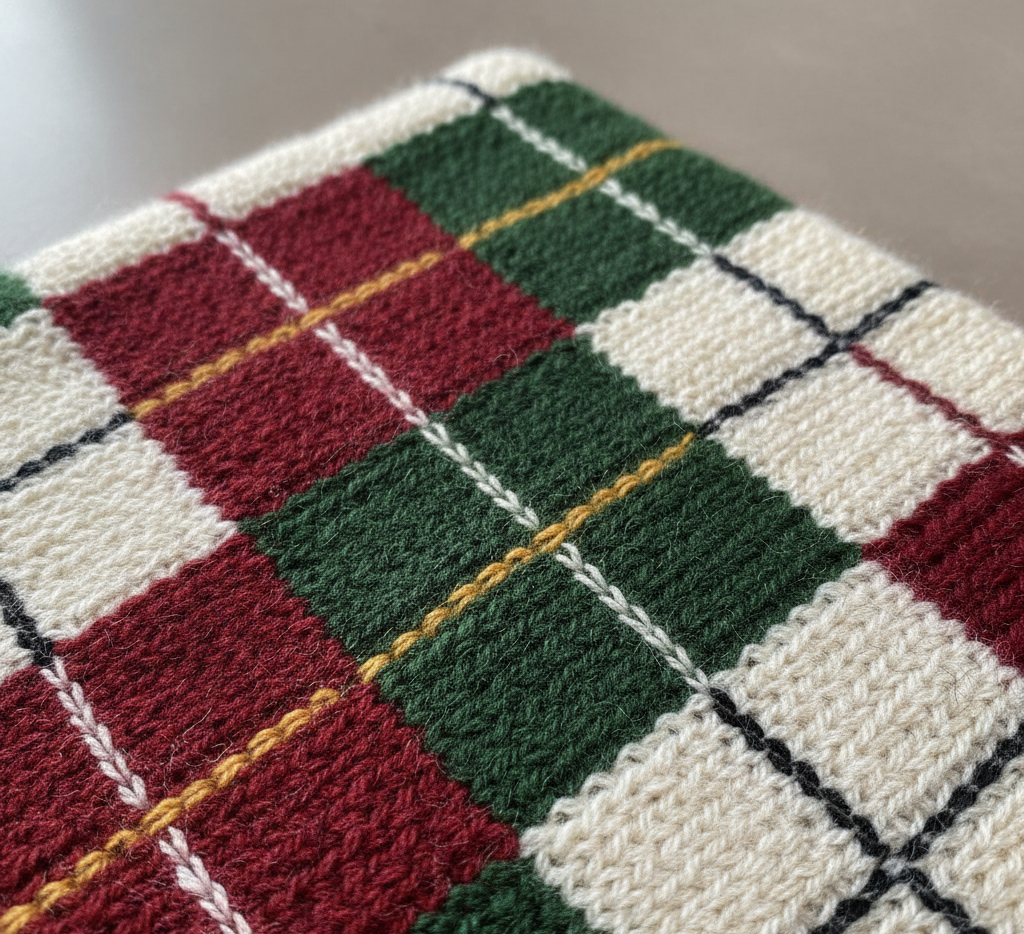
Argyle knit is a classic variation of jacquard knitting, known for its signature diamond-shaped patterns. This design is typically created using multiple colors, forming overlapping diamonds that give a timeless and decorative look.
The fabric structure is usually medium in thickness and offers good durability, making it suitable for both functional and fashion applications. Argyle patterns are especially popular in traditional and semi-formal wear.
Key properties include:
- Distinctive diamond-shaped pattern design
- Medium weight and balanced structure
- Good color durability with stable patterns
Common end uses:
- Sweaters and knitwear
- Casual and dress shirts
- Jackets, blazers and home textiles
Intarsia Knit (Single Jersey)
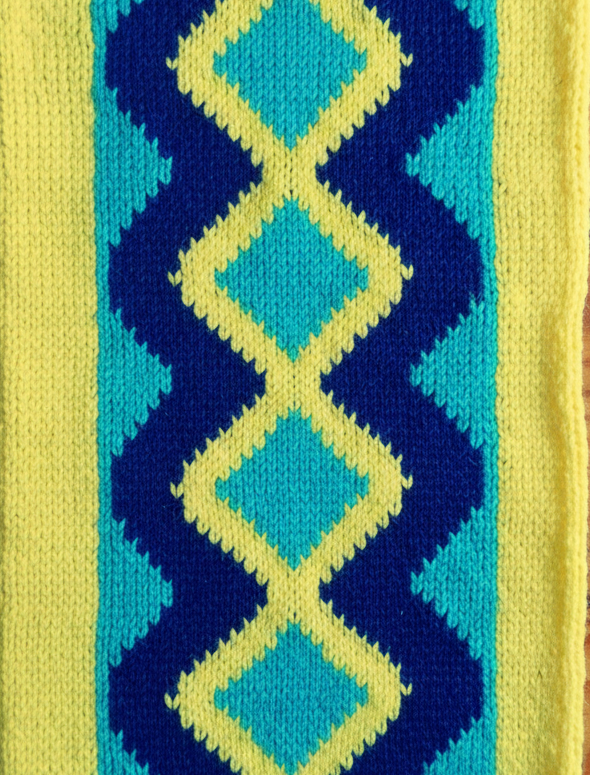
Intarsia knit is a specialized technique used to create large, clearly defined motifs or patterns using different colored yarns. Unlike jacquard knitting, where yarn floats may appear on the back, intarsia knitting involves separate yarn sections for each color area. This results in a clean backside and sharp pattern definition.
Because of this construction, intarsia is ideal for bold graphics, logos and artistic designs. It is commonly used when a high level of visual clarity and precision is required.
Key properties include:
- Sharp and well-defined color patterns
- No yarn floats on the reverse side
- Ideal for large motifs and graphic designs
Common end uses:
- Graphic sweaters and fashion knitwear
- Logo-based garments
- Decorative and artistic textile applications
Conclusion
Knowledge of the different knit fabric derivatives – from Lacoste and Piqué to Jacquard, Argyle and Intarsia – allows manufacturers, merchandisers and buyers to make informed decisions based on performance, aesthetics and cost efficiency. Each knit construction has its own mix of texture, stretch, look and performance.
Choosing the right kind of fabric is key to striking that perfect balance between comfort, durability and design appeal. This knowledge is necessary in today’s competitive textile and apparel industry to develop products that meet the market trend and technical requirements.