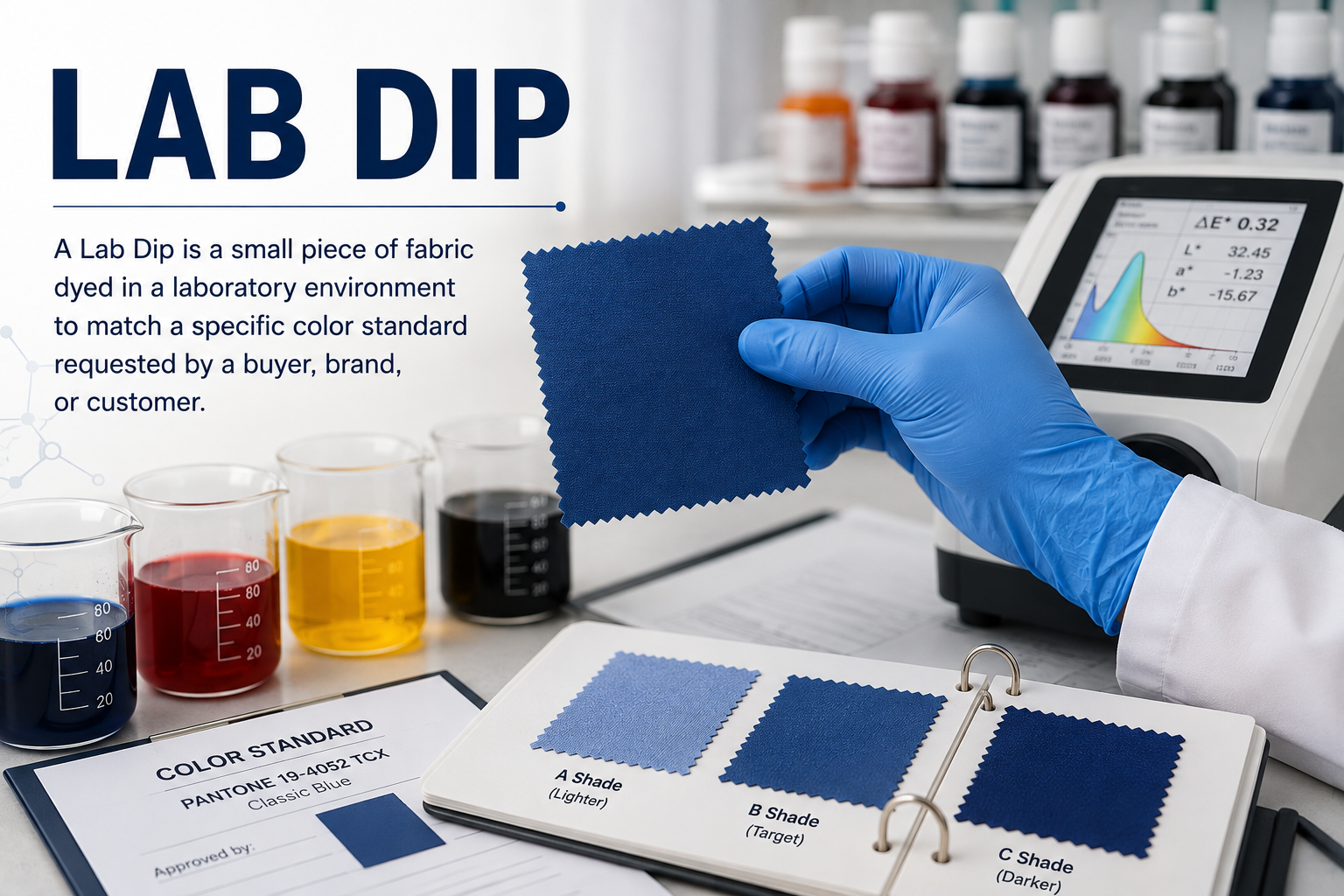
Defects in knit garments are… honestly, pretty common. Almost every factory deals with them at some point. They can show up anywhere—during knitting, dyeing, finishing, even later in cutting or sewing.
Some are obvious right away. Others sneak through and only get noticed after washing or during final inspection.
And the impact? It’s not small. These defects can mess with how a garment looks, how it feels, how long it lasts. In the end, it often leads to rejections, complaints… and extra cost.
Fabric Defects (Before Cutting)
These defects originate from knitting, dyeing, finishing or handling.
| Category | Defect Name | Description |
|---|---|---|
| Knitting Defects | Hole / Pin Hole | Small or large holes due to needle breakage |
| Laddering / Running | Fabric loops unravelling vertically | |
| Thick-Thin Place | Uneven yarn tension causing GSM variation | |
| Drop Stitches | Missing loops in the knit structure | |
| Dyeing/Finishing Defects | Shade Variation | Color difference roll-to-roll or within roll |
| Barre Mark | Horizontal streaks due to yarn variation | |
| Uneven Dyeing | Mottled or patchy appearance | |
| Softener Marks | Oily stains from finishing chemicals | |
| Crease Marks | Permanent crease lines | |
| Physical Defects | Bowing | Fabric weft is bowed downward/upward |
| Skewing | Fabric is twisted off grain | |
| Contamination | Dust, dirt, metal, yarn contamination | |
| GSM Variation | Weight inconsistency affecting fit |
Cutting Defects
These defects happen due to poor cutting accuracy or fabric handling.
| Defect Name | Description |
|---|---|
| Off-Shape Panels | Panels not matching pattern shape |
| Uneven Cutting | Jagged or wavy edges on cut panels |
| Wrong Notch | Missing or incorrect notches |
| Size Mix-Up | Incorrect bundling of sizes |
| Shade Variation | Panels from different shade lots mixed |
| Misaligned Grain | Wrong grain direction affecting fit |
| Plies Shifting | Movement during cutting causing size variation |
| Incorrect Marker Use | Wrong marker placement causing mismatch |
| Fusing Defects | Bubble, peel-off, shrinkage in fused parts |
Sewing Defects (Most Critical)
These include defects that affect appearance, durability or seam strength.
Seam & Stitching Defects
| Defect | Description |
|---|---|
| Skipped Stitch | Needle fails to catch loop, leaving gaps |
| Broken Stitch | Thread breakage in seam |
| Open Seam | Seam not closed fully |
| Puckering | Wrinkles along the seam |
| Seam Slippage | Fabric slips out of seam |
| Tight / Loose Stitch | Incorrect stitch tension |
| Twisted Seam | Seam not aligned due to mismatched panels |
| Raw Edge Exposed | Unfinished edge visible |
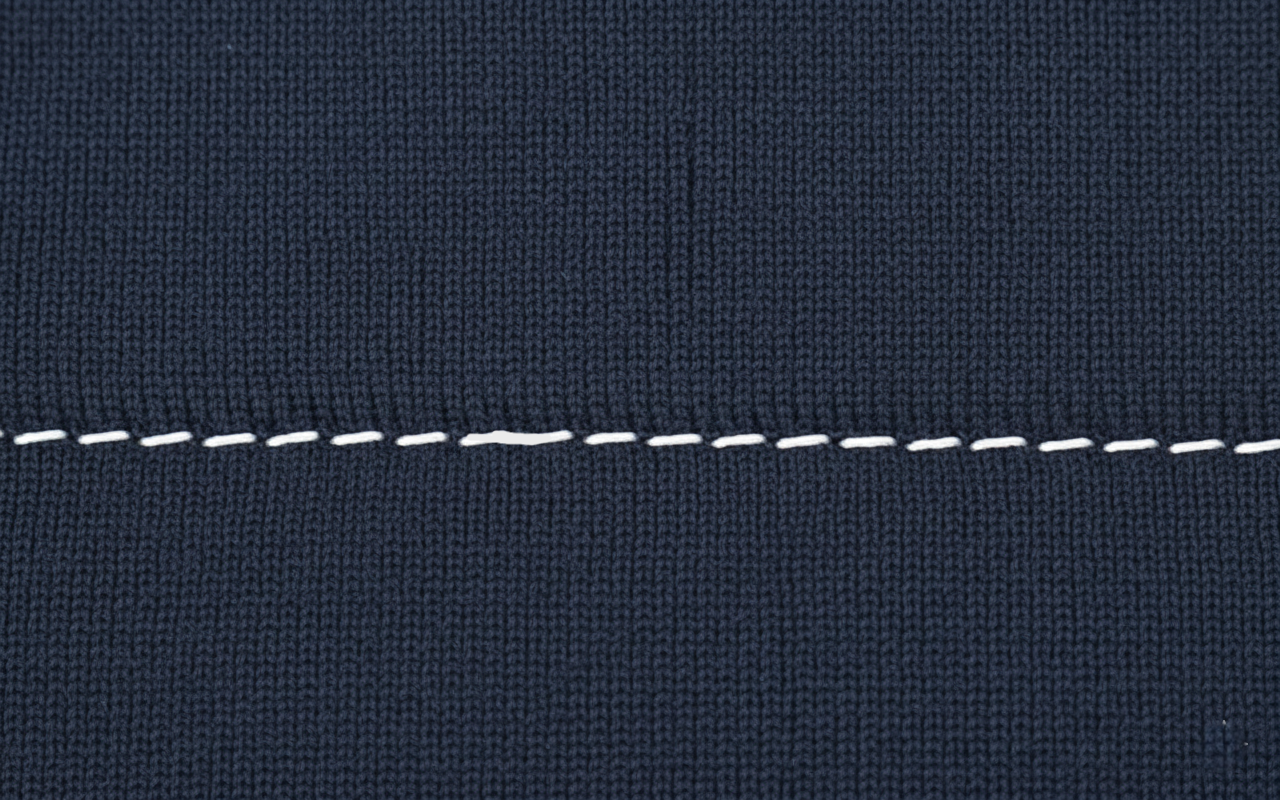
Skipped Stitch
Skipped stitches occur when the needle fails to interlock properly with the bobbin or looper thread, leaving gaps in the seam. Even minimal skipping weakens the seam, especially in stretch or movement areas.
Likely Causes:
- Needle and hook/looper timing not synchronized.
- Fluctuating needle or bobbin thread tension.
- Needle bending or vibration at high machine speed.
- Incorrect needle and thread combination (e.g., heavy thread with fine needle).
Practical Remedies:
- Correct machine timing so the hook catches the needle loop consistently.
- Match needle size and thread count to fabric type.
- Stabilize thread tension.
- Replace worn or flexible needles and ensure correct threading path.
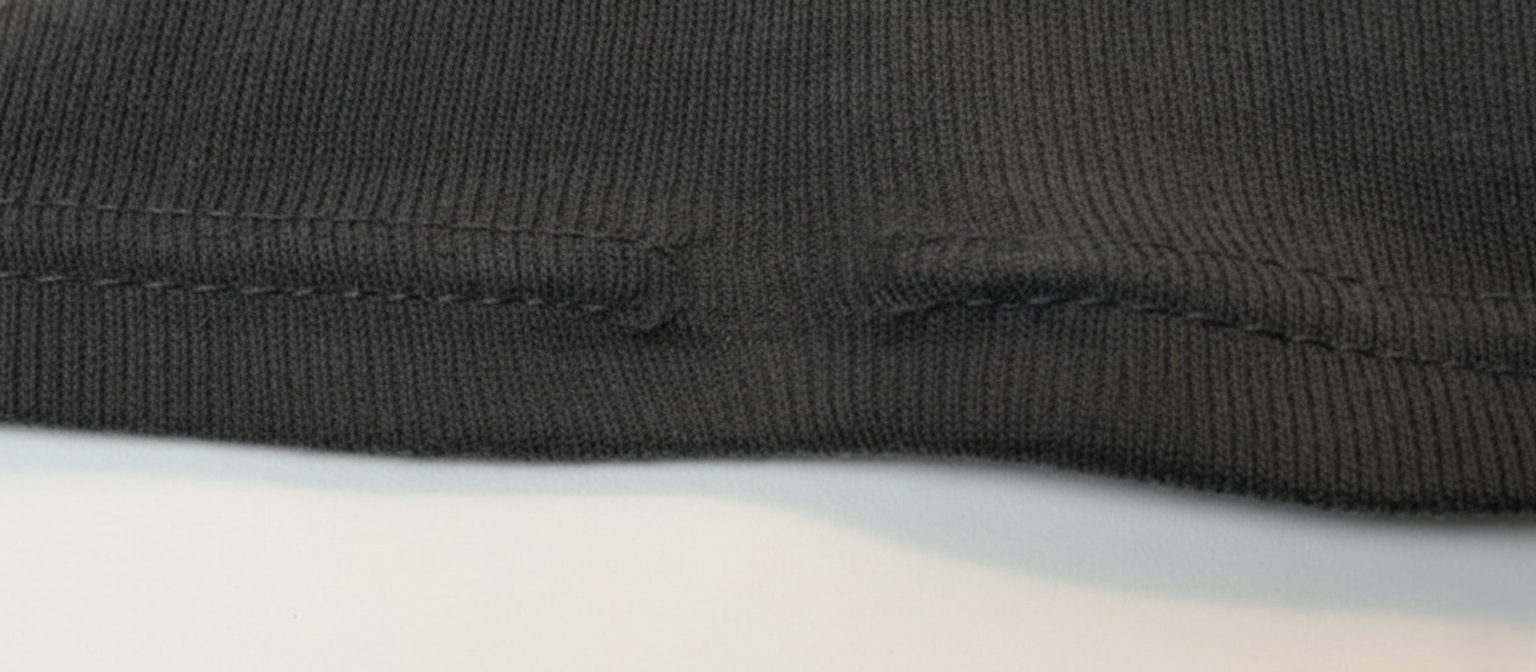
Broken Stitch
A broken stitch refers to thread breakage within the seam, caused by excessive stress, friction or poor thread quality.
Likely Causes:
- Low tensile strength or unevenly twisted thread.
- Excessively high thread tension. Damaged, worn or overheated needles.
- Sewing loosely structured fabrics that cause yarn drag.
Practical Remedies:
- Use high-quality, smooth thread suitable for the fabric.
- Reduce over-tight tension settings.
- Replace needles frequently to prevent burr damage.
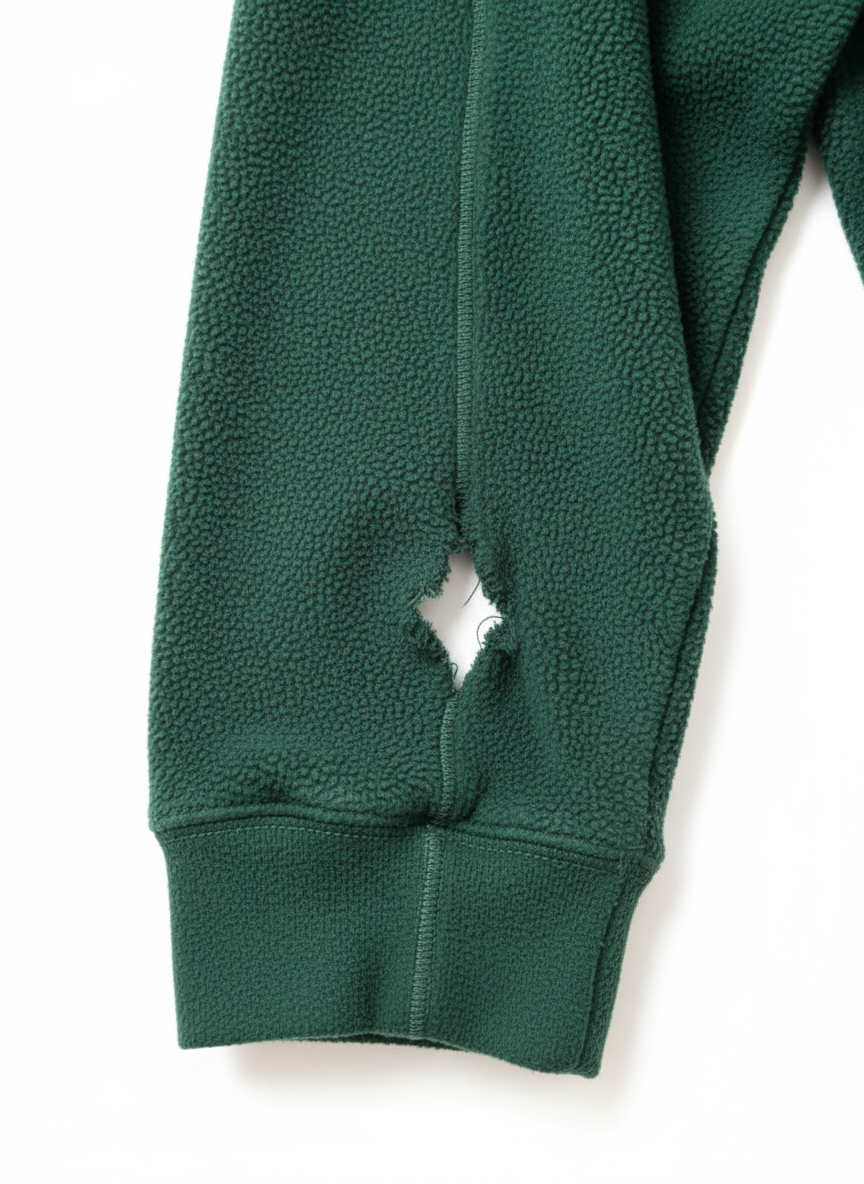
Open Seam
An open seam occurs when two fabric panels fail to remain joined, creating visible separation.
Likely Causes:
- Uneven or slippery feeding between fabric layers.
- Incorrect needle-to-looper or hook timing.
- Inadequate seam allowance.
- Excessive stretching during sewing.
Practical Remedies:
- Verify and correct machine timing.
- Maintain required seam allowance.
- Train operators on proper handling of stretch fabrics.
Puckering
Seam puckering appears as ridges or wrinkles instead of a flat seam line.
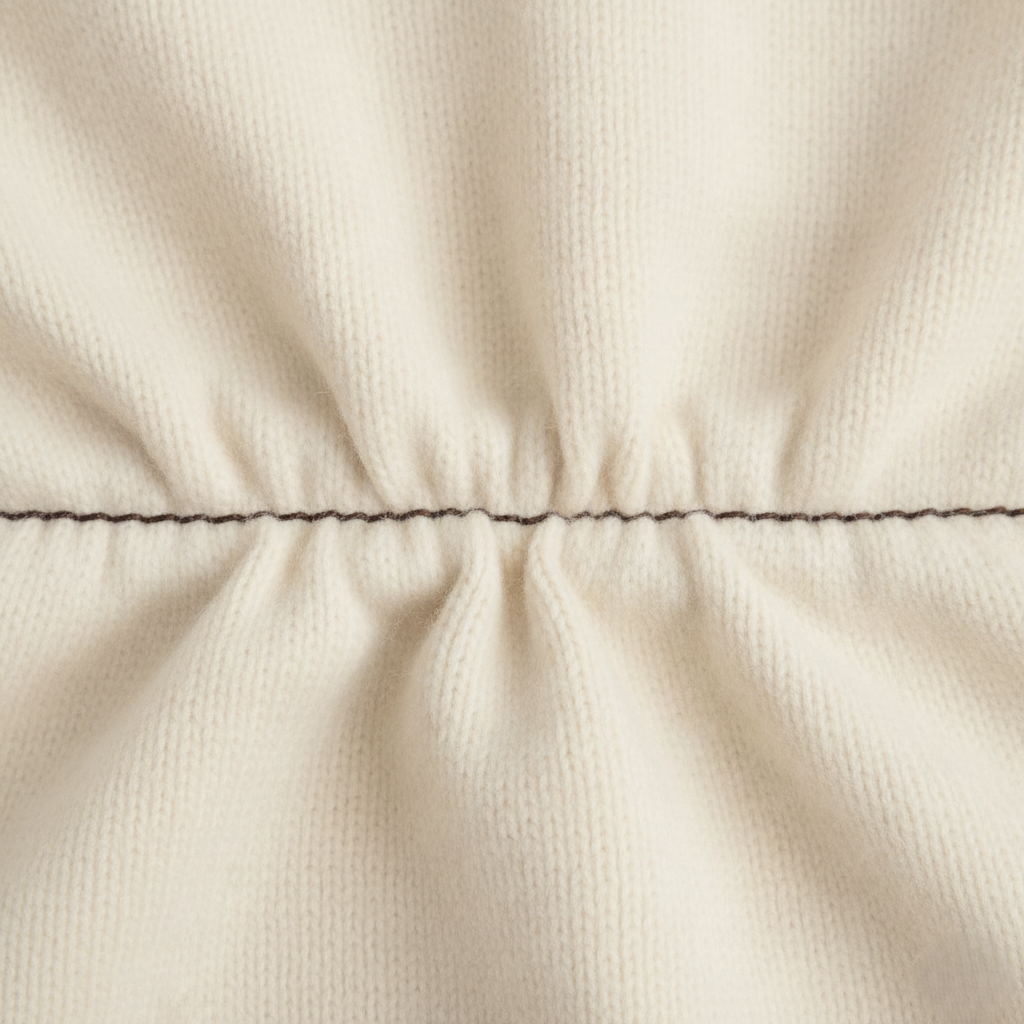
Likely Causes:
- Mismatch in feeding speed between fabric layers.
- Thread stretching during sewing and shrinking afterward.
- Fabric and thread shrinkage incompatibility.
- Lightweight or unstable fabrics.
Practical Remedies:
- Maintain feed dog and presser foot condition.
- Reduce thread tension and select low-shrink thread.
- Match fabric and thread shrinkage rates.
- Conduct seam tests before bulk production.
Seam Slippage
Seam slippage happens when fabric yarns pull away from the stitch line, giving the appearance of a seam opening without thread breakage (commonly confused with open seams).
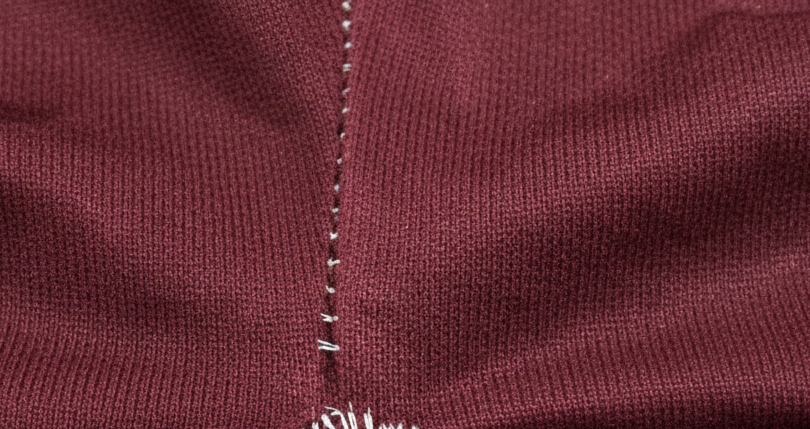
Likely Causes:
- Loosely woven or low yarn-density fabrics.
- Inadequate stitch density.
- Smooth filament yarns with poor interlocking.
Preventive Actions:
- Increase stitch density where fabric allows.
- Use appropriate seam type for fabric structure.
- Select thread with better friction compatibility.
Tight / Loose Stitch (Uneven Stitching or Irregular SPI)
This defect involves inconsistent stitch length or density, affecting seam strength and appearance.
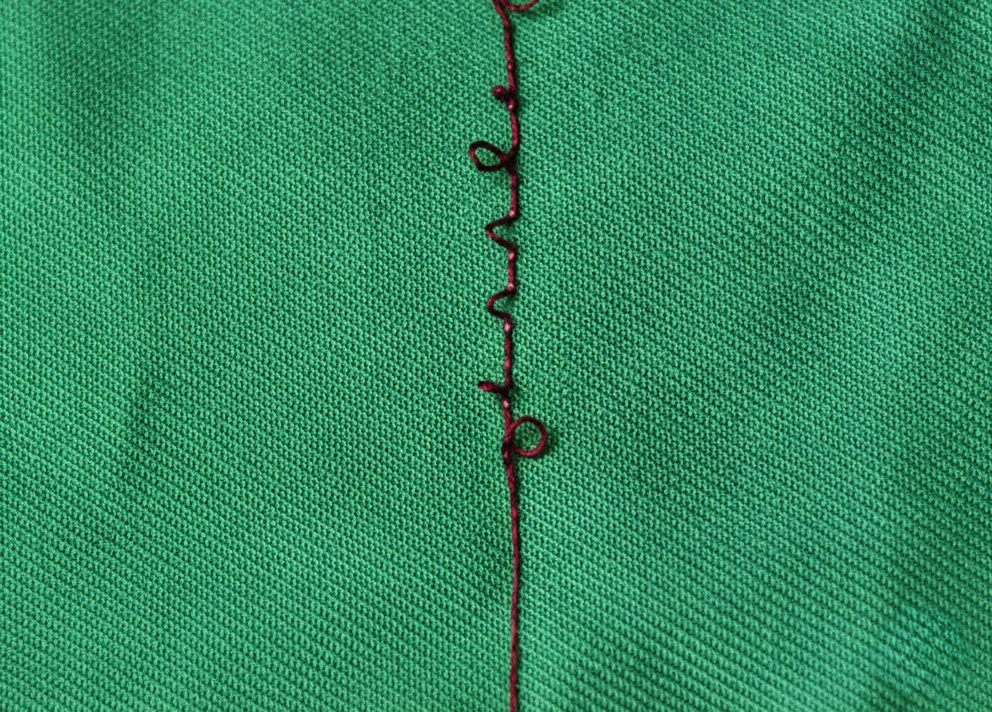
Likely Causes:
- Feed dog not gripping or lifting evenly.
- Imbalanced or incorrect thread tension.
- Inconsistent operator handling or sewing speed.
Practical Remedies:
- Clean, align and maintain feed dog and presser foot.
- Balance upper and lower thread tension.
- Train operators on uniform fabric control and speed.
Twisted Seam
Twisted seams appear straight before washing but distort or spiral after laundering.
Cause Explanation:
- Many fabrics (especially knits) contain internal torque.
- Washing releases internal stress, causing seam rotation and twisting.
- Unequal shrinkage between fabric panels worsens the effect.
Control Measures:
- Pre-relax fabrics before cutting.
- Balance grain alignment during panel layout.
- Conduct wash testing before bulk approval.
Raw Edge Exposed / Wrong or Excessively Loose Overlock
Overlock stitching fails to properly cover or secure fabric edges, leaving raw fabric exposed or over-wrapped.
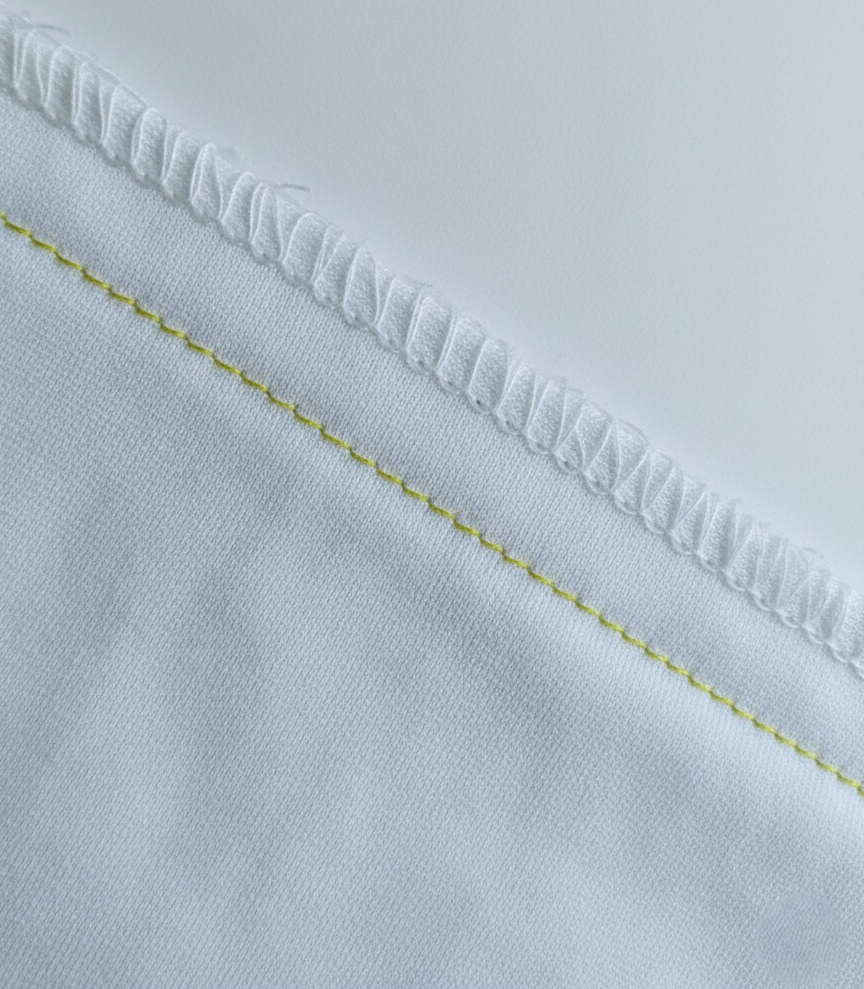
Likely Causes:
- Incorrect overlock width adjustment.
- Inconsistent cutting or trimming.
- Poor machine setup or operator control.
Industry Practice Note:
Overlock width is strictly monitored since poor coverage compromises durability and visual quality.
Corrective Actions:
- Adjust overlock width correctly to fabric thickness.
- Maintain knife sharpness.
- Ensure consistent operator supervision.
Construction Defects
| Defect | Description |
|---|---|
| Wrong Panel Join | Front-back or sleeve-body mismatch |
| Shoulder Mismatch | Uneven shoulder alignment |
| Sleeve Twisting | Sleeve rotates due to wrong join |
| Armhole Distortion | Incorrect sleeve-to-armhole fit |
| Collar Wavy / Twisted | Collar sewn unevenly |
| Neck Opening Incorrect | Too tight or too wide |
| Uneven Hem | Hem not straight or symmetric |
| Incorrect Dart / Pleat | Wrong placement or size |
| Fly Misalignment (Bottoms) | Fly opening shape incorrect |
| Waistband Uneven | Elastic tension inconsistent |
Measurement Defects
| Defect | Description |
|---|---|
| Out of Tolerance | Any measurement beyond buyer allowance |
| Length Variation | Body or sleeve length mismatch |
| Width Variation | Chest/hip/waist mismatch |
| Rise Variation | Crotch depth incorrect for bottoms |
Decorative & Embellishment Defects
| Defect | Description |
|---|---|
| Crooked Print | Print not aligned |
| Fading Print | Poor curing or weak ink |
| Embroidery Puckering | Distorted stitch area |
| Thread Pulling | Loose threads from embroidery |
Bottom/Trouser Specific Sewing Defect
| Defect | Description |
|---|---|
| Crotch Burst | Weak inseam or rise stitching |
| Twisted Leg | Misaligned inseam/outseam |
| Uneven Elastic Gathering | Waistband tension not balanced |
| Pocket Bag Visible | Pocket bag protruding |
| Knee Twisting | Bad alignment of leg panels |
| Ankle Rib Twisted | Rib not aligned properly |
Finishing Defects
Appearance & Pressing
| Defect | Description |
|---|---|
| Shining Marks | Excessive ironing heat |
| Scorch Marks | Burnt fabric |
| Crease Marks | Improper folding/pressing |
| Water Stains | Spot-clean or steam residue |
Cleanliness Defects
| Defect | Description |
|---|---|
| Loose Threads | Untrimmed threads |
| Stains | Oil, dirt, chemical, dye |
| Dust / Lint | Unclean finishing area |
Packing & Trims Defects
| Defect | Description |
|---|---|
| Wrong Label | Incorrect size/care label |
| Wrong Hangtag | Incorrect tagging |
| Barcode Error | Wrong barcode or scan failure |
| Incorrect Folding | Not following buyer spec |
| Wrong Polybag | Wrong print or wrong size |
| Carton Mix-Up | Mixed sizes or colors inside carton |
Critical vs Major vs Minor Defects (Industry Standard)
| Type | Examples | Impact |
|---|---|---|
| Critical | Needle in garment, major damage | Harmful; shipment rejection |
| Major | Open seam, wrong measurement | Visible defect; customer return |
| Minor | Loose threads, small stain | Acceptable but undesirable |
DHU/PPM Tracking Categories
Common categories to classify defects in QC:
- Stitching defects
- Assembly defects
- Fabric defects
- Trim defects
- Measurement defects
- Finishing defects
- Packing defects
- Embellishment defects
Final Thought
Knit garment defects aren’t always dramatic. Most of them start small.
A slight yarn issue. A minor machine fault. A tiny variation in dyeing.
But they add up. And by the time the garment reaches the final stage… it’s too late to fix cheaply.
That’s why quality control isn’t one step at the end. It runs through the entire process.