Bikini Manufacturing in Intimate Apparel: Design, Fabrics and Production Techniques
August 12, 20257 min read
The bikini is one of the most iconic garments in modern fashion history. It is more than just swimwear, it also symbolizes cultural change, changing beauty ideals and progress in textile design. Since its launch in the mid-20th century, the bikini has impacted world-wide fashion, sports and lifestyle sectors.
Bikini
The bikini is everywhere. Beaches, pools, sports… even fashion runways. But it’s not just a piece of clothing. It kind of tells a bigger story—about culture, changing ideas of beauty and how textiles have evolved over time.
Since it showed up in the mid‑1900s, the bikini hasn’t really stopped evolving. Different shapes, different fabrics, different meanings depending on where you look.
Where It All Started
Interestingly, the idea isn’t entirely new.
If you look back at ancient Greek and Roman mosaics, you’ll see women in two‑piece outfits—mostly during sports or physical activity. Not bikinis in the modern sense, but the concept? Already there.
Fast forward to 1946 and things get more recognizable.
Two French designers introduced their own versions of a two‑piece swimsuit:
Jacques Heim called his design the Atome
Louis Réard went a step further and named his version the Bikini—after the Bikini Atoll
That name stuck. Clearly.
The Early Reaction
At first… people didn’t quite know what to do with it.
It was considered bold. Even controversial.
Too revealing for the time.
But the world was changing—post-war energy, more travel, new attitudes toward freedom and fashion. Slowly, the bikini started gaining acceptance.
Not overnight. But it got there.
When It Really Took Off (1950s–1970s)
Cinema played a huge role here.
A few iconic moments—and suddenly the bikini wasn’t shocking anymore, it was aspirational:
Brigitte Bardot at Cannes
Ursula Andress in Dr. No
Raquel Welch in One Million Years B.C.
Those visuals stuck with people.
At the same time, beach culture was growing—California, Hawaii, Australia. Surfing, sun, youth culture… it all came together.
By the 1970s, the bikini wasn’t unusual anymore. It was standard.
Design Variations (And There Are Many)
No single bikini style defines everything. It’s more like a mix‑and‑match world.
Top Styles
Triangle
Halter neck
Bandeau
Tankini
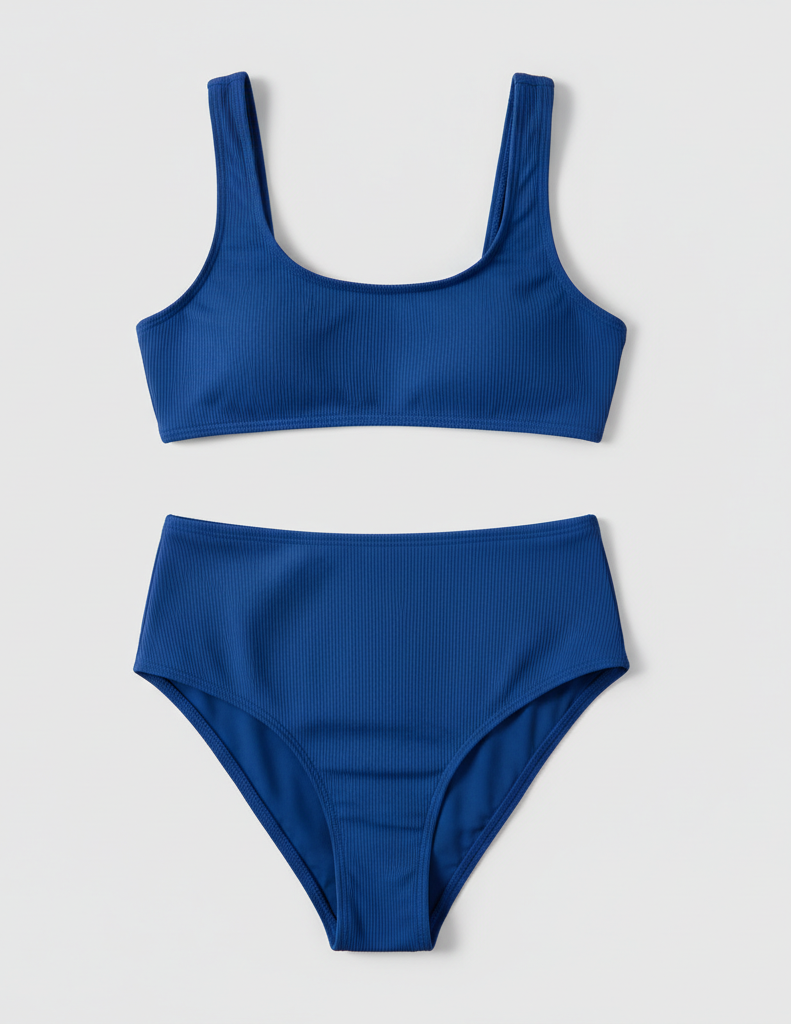
Sport top
Bottom Styles
Classic brief
High-waist
Hipster
Tie-side
Boyshort
Different body types, different preferences. Some for fashion, some purely for function.
Types of Bikinis (Fashion & Design Categories)
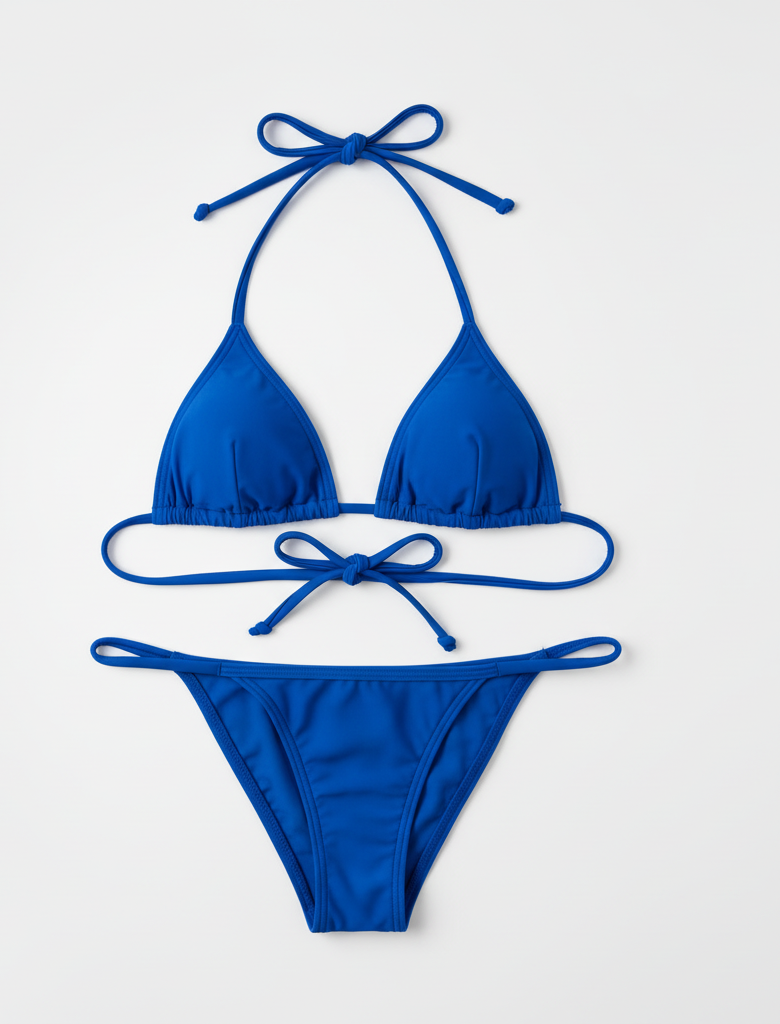
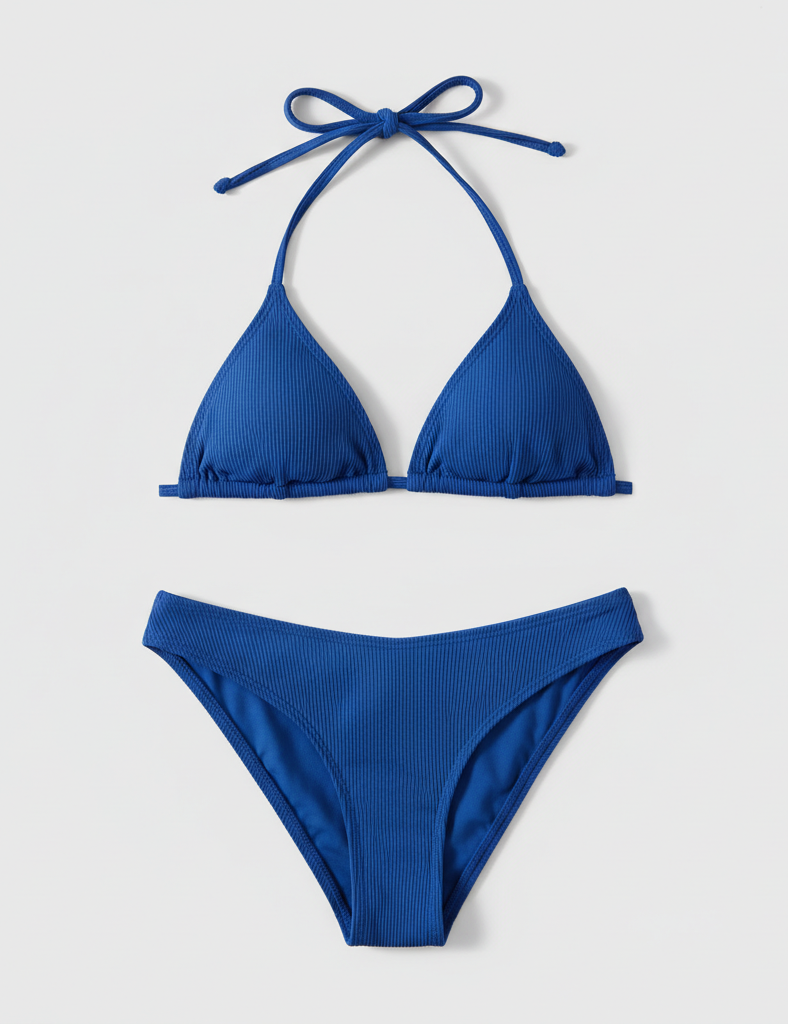
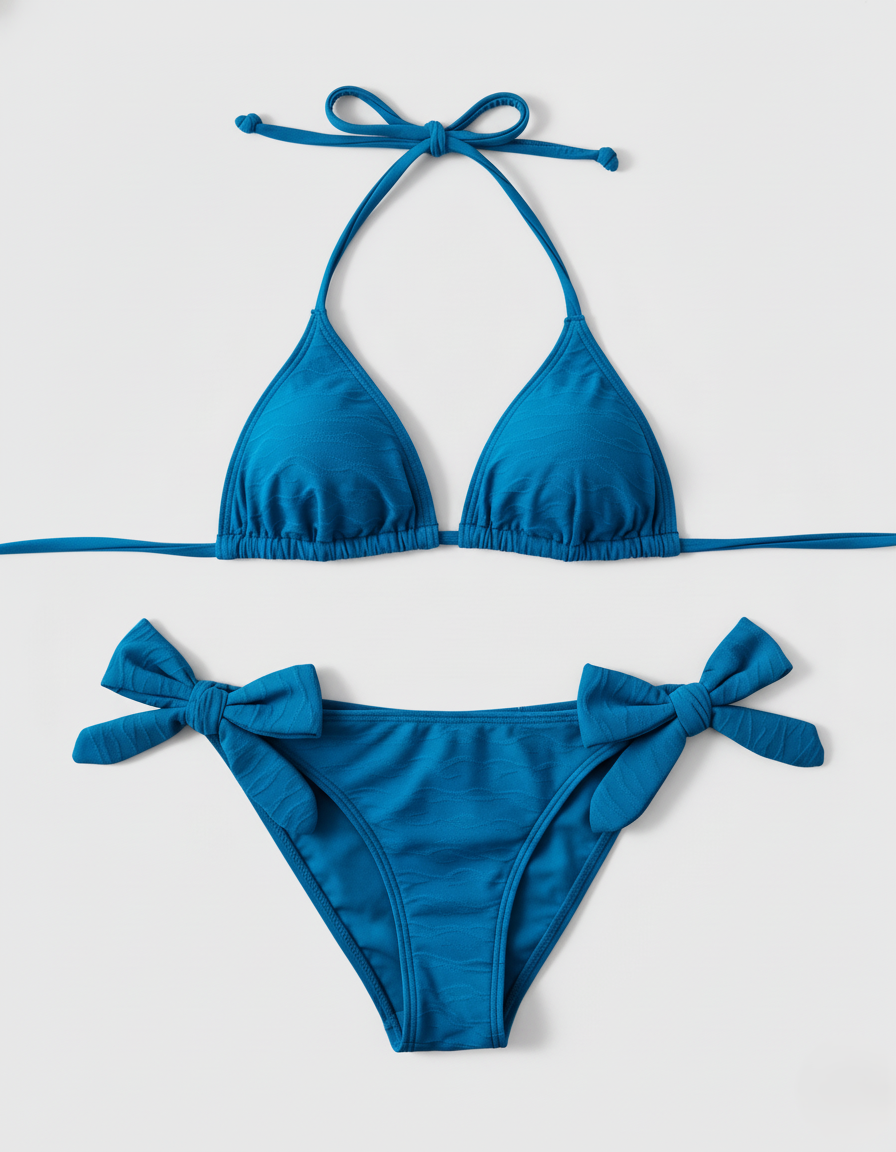
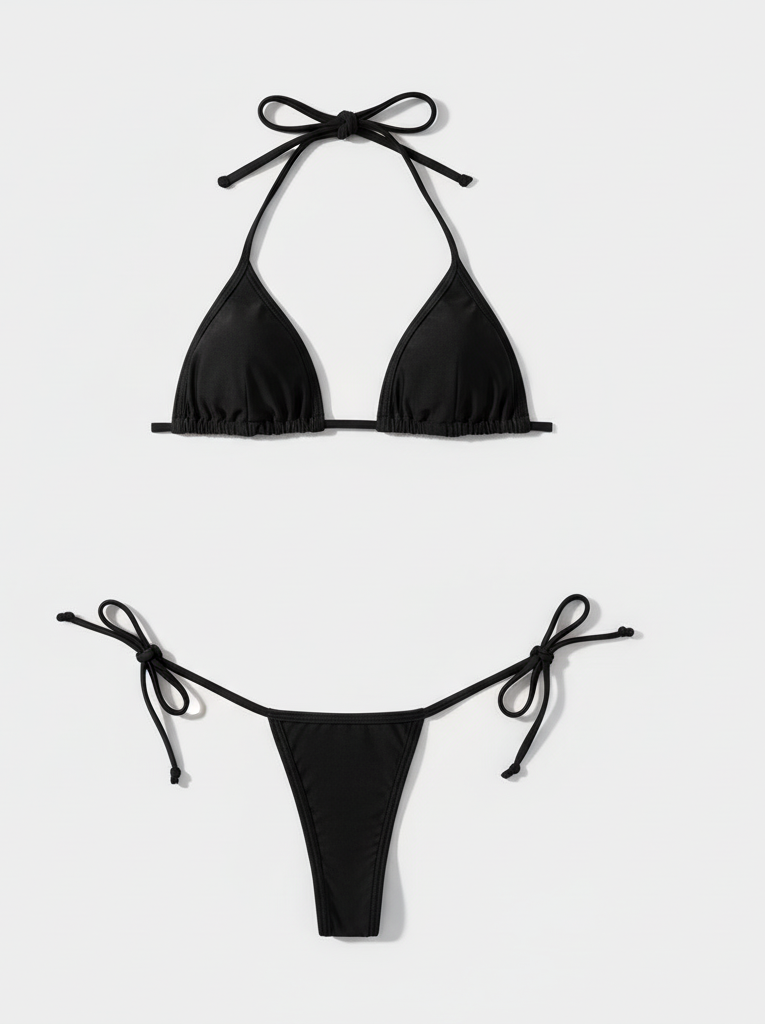
Triangle Bikini
A classic style with triangular cups and adjustable ties at the neck and back. Lightweight and often used in beach fashion.
Triangle Bikini
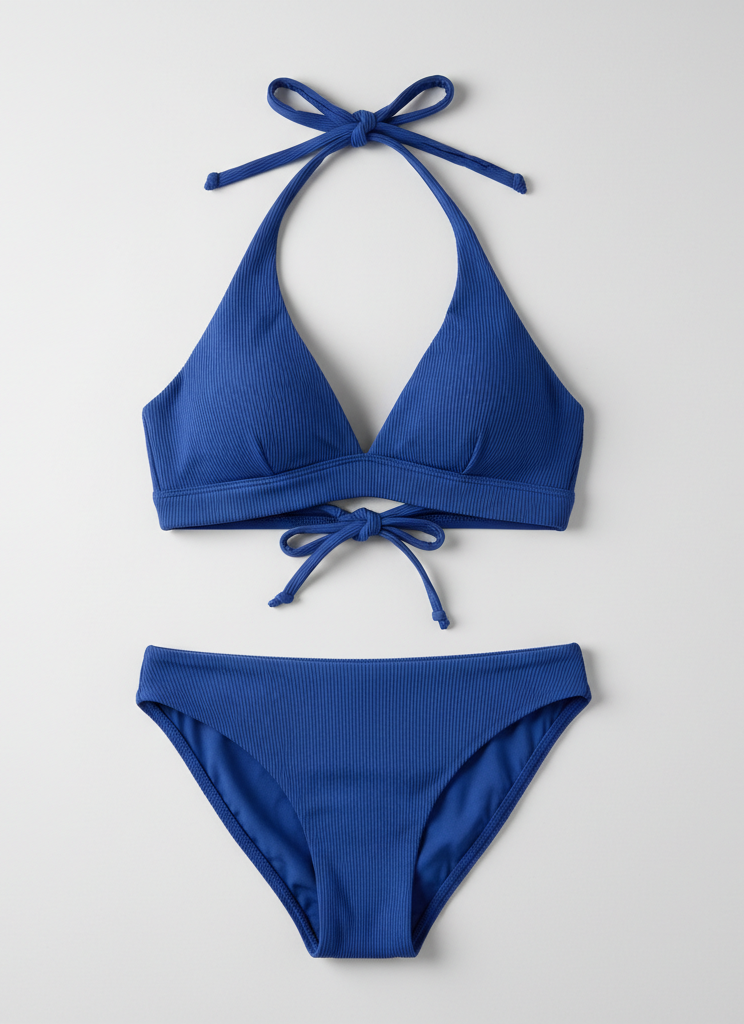
Halter-Neck Bikini
Features straps tied or clasped behind the neck. Offers more support and is popular in both leisure and sports swimwear.
Halter-Neck Bikini
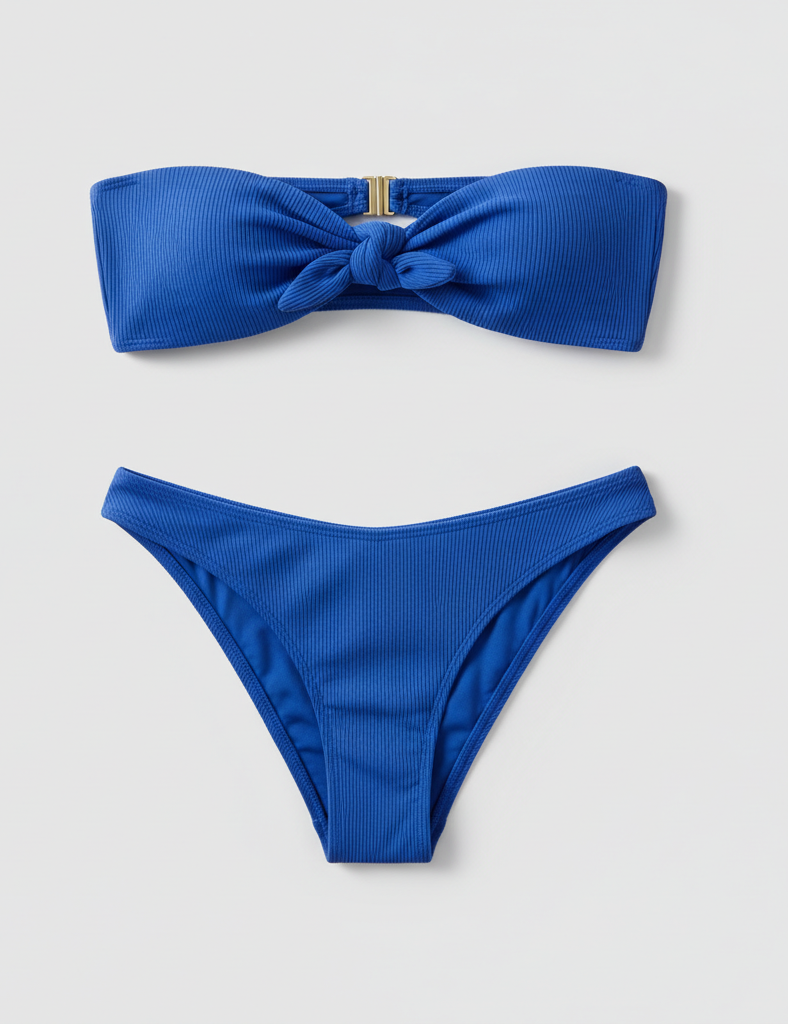
Bandeau Bikini
A strapless, straight-across top. Suitable for sunbathing because it minimizes tan lines.
Bandeau Bikini
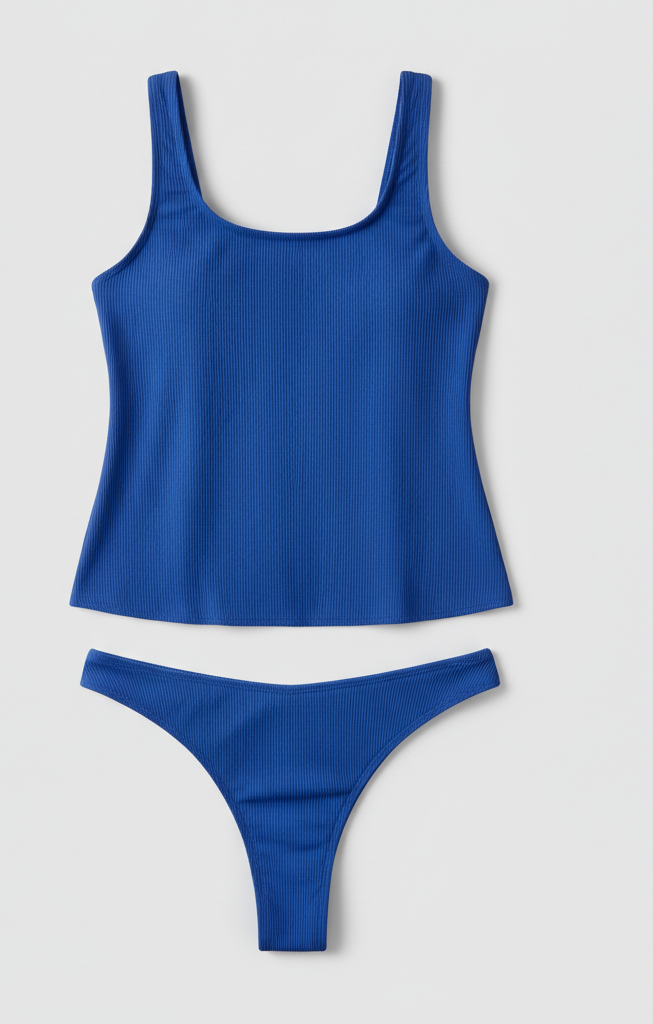
Tankini
A two-piece with a longer top resembling a tank top. Provides more coverage while maintaining two-piece flexibility.
Tankini
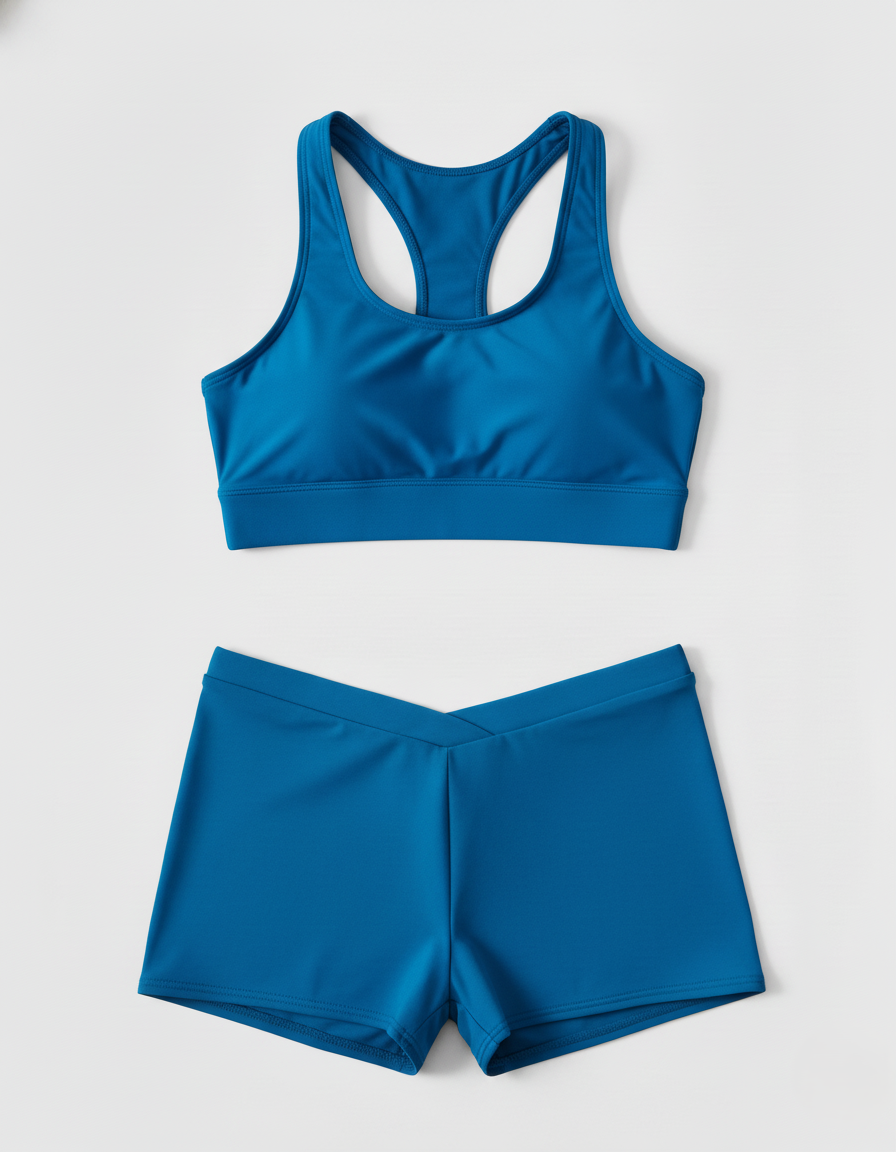
Sports Bikini
Designed for athletic activities like beach volleyball or surfing. Includes secure bands, high-support tops and functional fabrics.
Sports Bikini
High-Waisted Bikini
Inspired by retro aesthetics. The bottom sits above the natural waistline and offers more coverage and structure.
High-Waisted Bikini
Hipster Bikini
Bottoms sit low on the hips with a broader waistband. Known for comfort and modern appearance.
Hipster Bikini
Tie-Side Bikini
Features adjustable strings at the sides of the bottom. Allows easy fit customization.
Tie-Side Bikini
Boyshort Bikini
Bottoms inspired by athletic shorts. Provides fuller coverage and is often used for active beachwear.
Boyshort Bikini
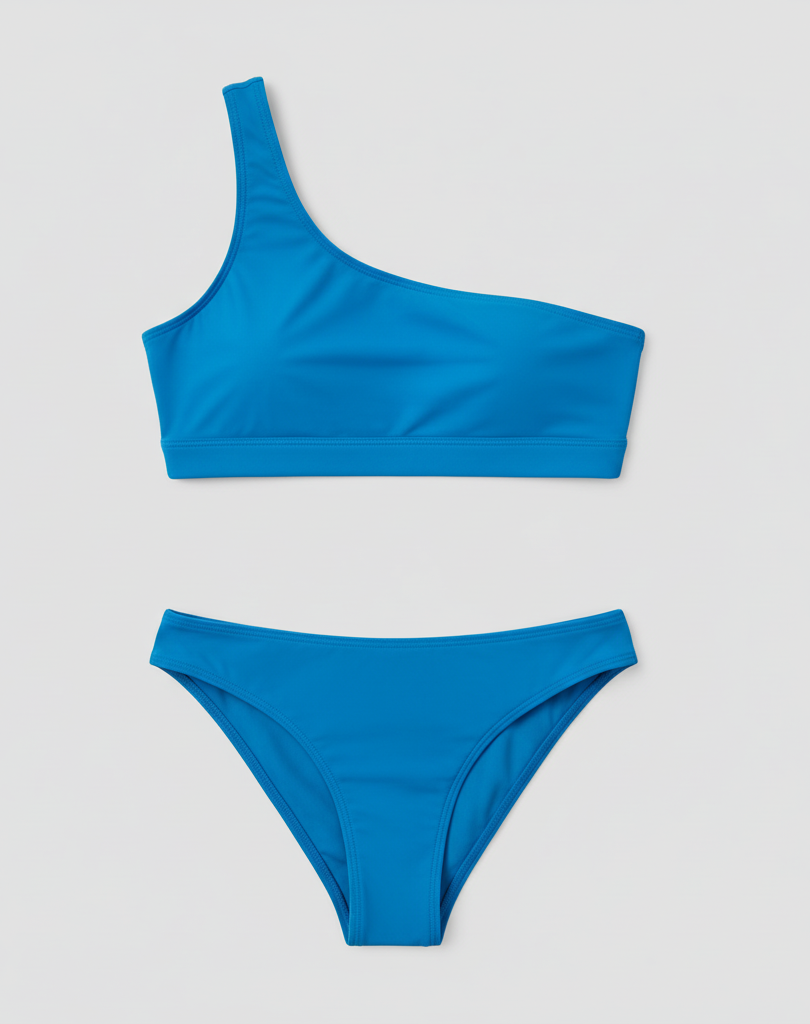
One-Shoulder Bikini
Asymmetrical top with a single strap. Trendy and visually dynamic.
One-Shoulder Bikini
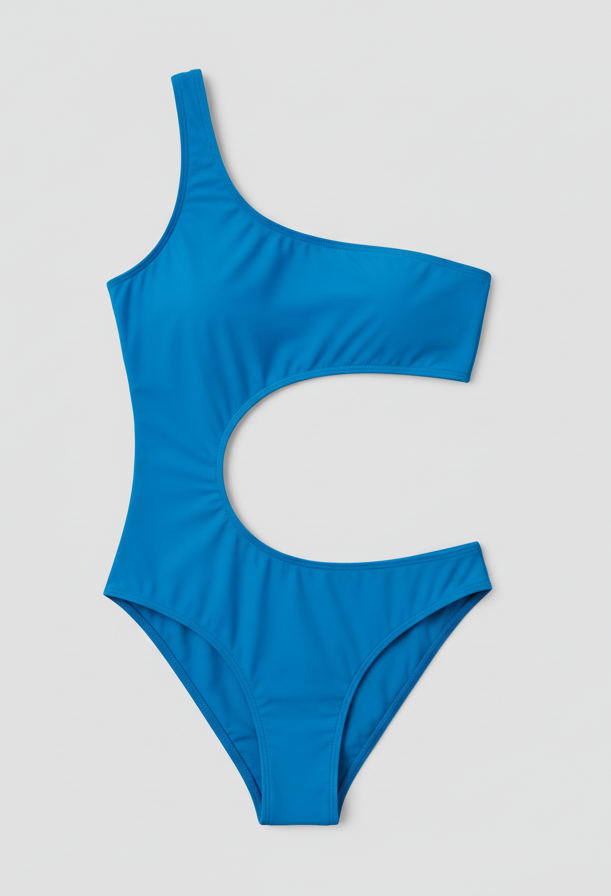
Cut-Out Bikini
Includes strategic cut-out designs for stylistic appeal. Popular in fashion-led swimwear collections.
Cut-Out Bikini
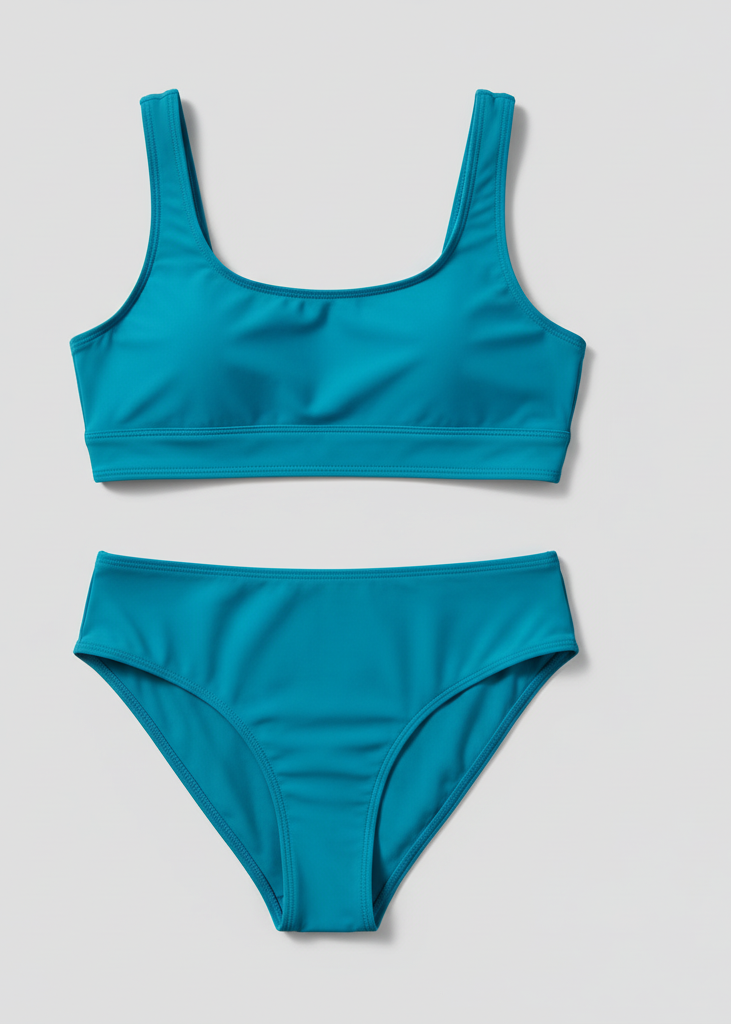
Longline Bikini
Top extends slightly downward, offering a structured look similar to a cropped top.
Longline Bikini
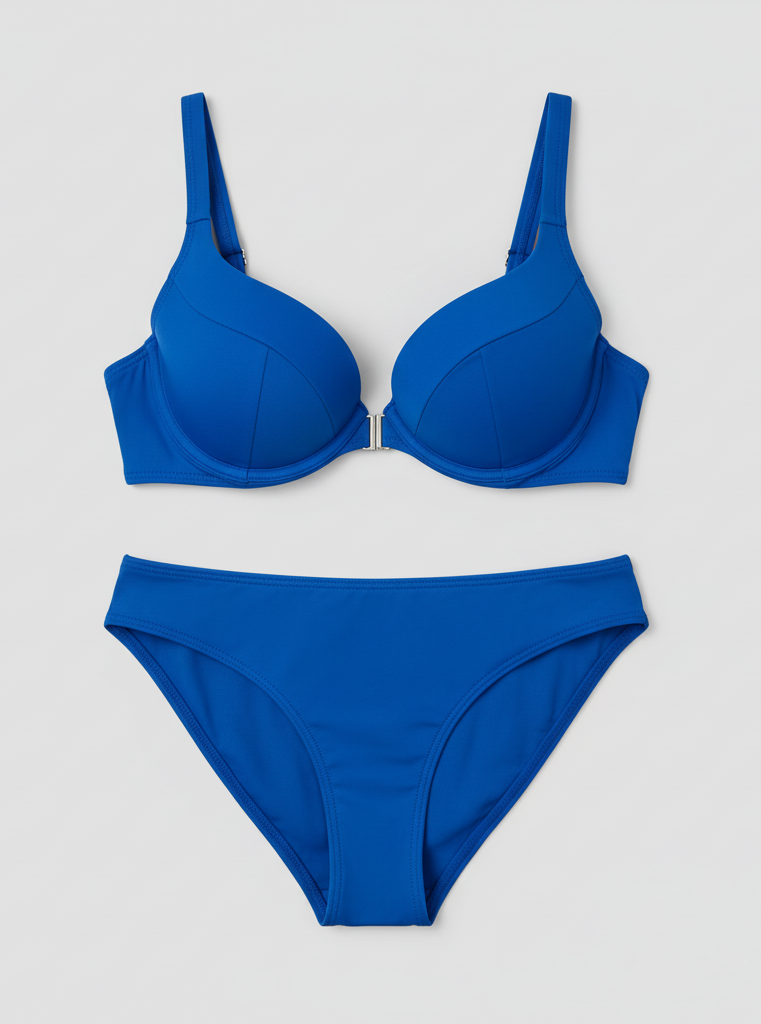
Underwire Bikini
Incorporates underwire for added support and shape—common in structured fashion swimwear.
Underwire Bikini
Racerback / T Back Bikini
Features shoulder straps that join between the shoulder blades, creating a sporty “T‑shaped” back design. This structure improves support and stability, making it popular in active and performance swimwear.
Racerback / T Back Bikini
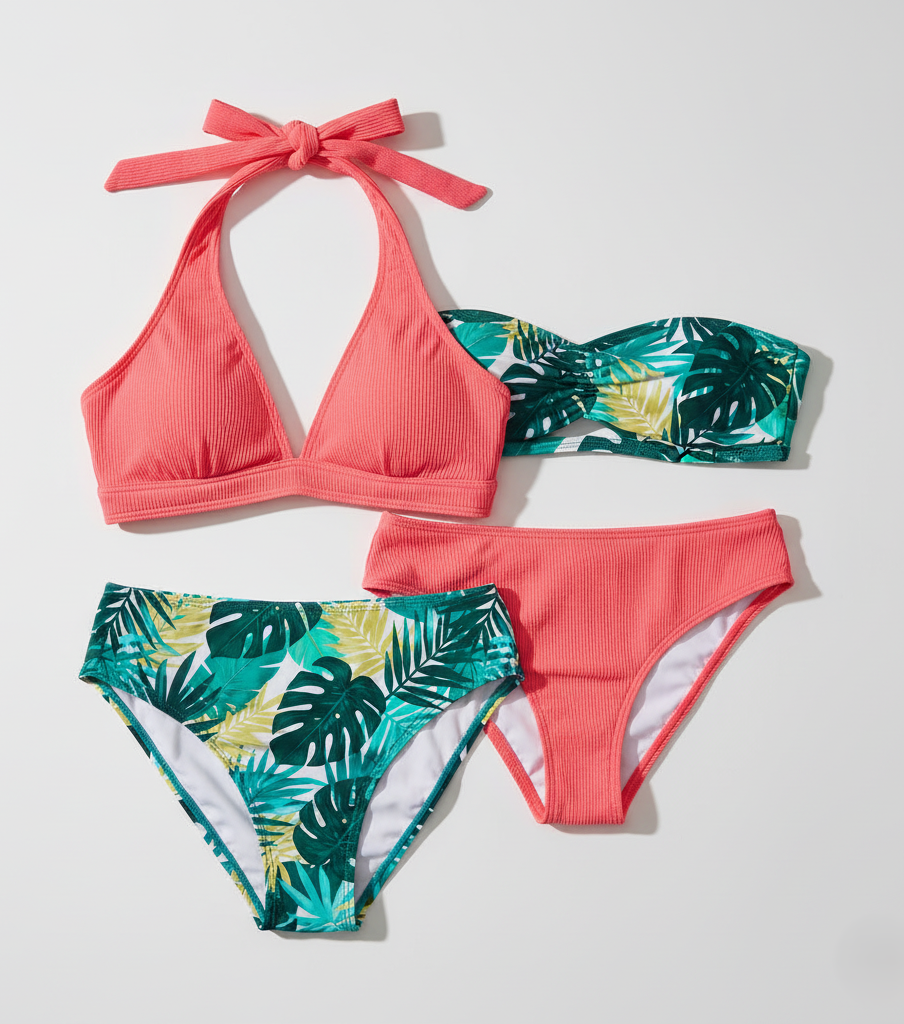
Mix-and-Match Sets
A modern category where tops and bottoms can be combined freely, allowing personalization of color, print and fit.
Mix-and-Match Sets Bikini
Materials & Manufacturing
This part has changed a lot over time.
Common Fabrics
Nylon
Polyester
Spandex / Elastane
These give stretch, durability, quick drying… all the basics you need.
But newer developments are pushing things further.
What’s Changing Now
Recycled materials like ECONYL (made from waste, including ocean plastics)
Low-impact dyes for reduced environmental damage
And then performance features:
UV protection
Faster drying fabrics
Chlorine resistance
Seamless construction for comfort
So it’s not just fashion—it’s engineering too.
Market & Industry Side
The bikini market keeps growing, mostly because of lifestyle shifts.
A few big drivers:
More global travel and resort culture
People leaning into active lifestyles
Social media influence (a big one, honestly)
And the market itself splits into different segments:
Luxury swimwear
Fast fashion (seasonal drops, quick turnover)
Sports-focused performance wear
Each plays a different game.
Cultural Impact (This One’s Big)
The bikini has always been more than just clothing.
It’s been part of conversations around:
Body image
Freedom of choice
Confidence and expression
Sometimes praised. Sometimes debated.
But always visible.
Bikini in Sports
It’s not just about style.
Variations of bikini-style outfits are used in sports like:
Beach volleyball
Surfing
Other water sports
And here, design shifts toward movement, flexibility, performance—not just appearance.
What’s Coming Next
Things aren’t slowing down.
Sustainability & Tech
More recycled fabrics
Better production methods
Body scanning for accurate fits
Digital printing
Inclusivity
Wider size ranges
Adaptive swimwear
More focus on real body shapes
Modular Designs
Mix-and-match sets are becoming more common.
People want options. And brands are responding.
Final Thought
The bikini might look simple. Two pieces of fabric, right?
But behind it—there’s history, culture shifts, material innovation, even tech development.
And it keeps evolving.
What started as something controversial is now… pretty normal.
Yet still changing, season after season.
References & Sources
Kadolph, S. J. Textiles.
Carr, H. & Latham, B. The Technology of Clothing Manufacture.
Glock, R. E. & Kunz, G. I. Apparel Manufacturing: Sewn Product Analysis.
Textile Institute Publications on Swimwear and Apparel Product Development.
AATCC Technical Manual and Textile Testing Standards.
ASTM International Textile and Apparel Standards.
Industry resources on swimwear design, performance fabrics, seamless garment technology, and sustainable textile materials.
Fashion history publications covering the evolution of swimwear and beachwear.
Disclaimer: This article is intended for educational and informational purposes only. Bikini styles, fabric technologies, manufacturing methods, sizing standards, and fashion trends may vary between brands, regions, and markets. Readers should refer to individual product specifications and industry standards when evaluating swimwear products, materials, or manufacturing requirements.
Written by
Alam Mohammad Shafiqul
Lead Editor, Senior Contributor & Founder
Textile Technology
Textile engineering professional with over 15 years of experience in Sweater Manufacturing, Industrial Engineering and Technical Development. Holds a degree in Textile Engineering and an MBA in Apparel Merchandising. Passionate about bridging the gap between factory-floor operations and technical expertise to drive efficiency, innovation, and continuous improvement.
Textile EngineeringSweaterIndustrial EngineeringLean Six SigmaPythonJS