Defects in Woven Fabrics: Identification, Causes and Prevention Methods
November 21, 202520 min read
A woven fabric defect is any visible or structural fault in fabric that occurs during weaving, yarn preparation or handling. These defects cause negative effects on the appearance, strength, dyeing performance, cutting efficiency and quality of the garment.
Woven fabric defects
Woven fabrics are widely used in garments and textiles, but they are prone to some defects during production. These defects may be due to fault of machine, quality of yarn or wrong handling. To improve the quality of the fabric and reduce the rejection rate, it is necessary to know the causes, effects, and preventive measures. Below are detailed explanations of some of the common defects found in woven fabric.
Major Woven Fabric Defects
Bad Selvage
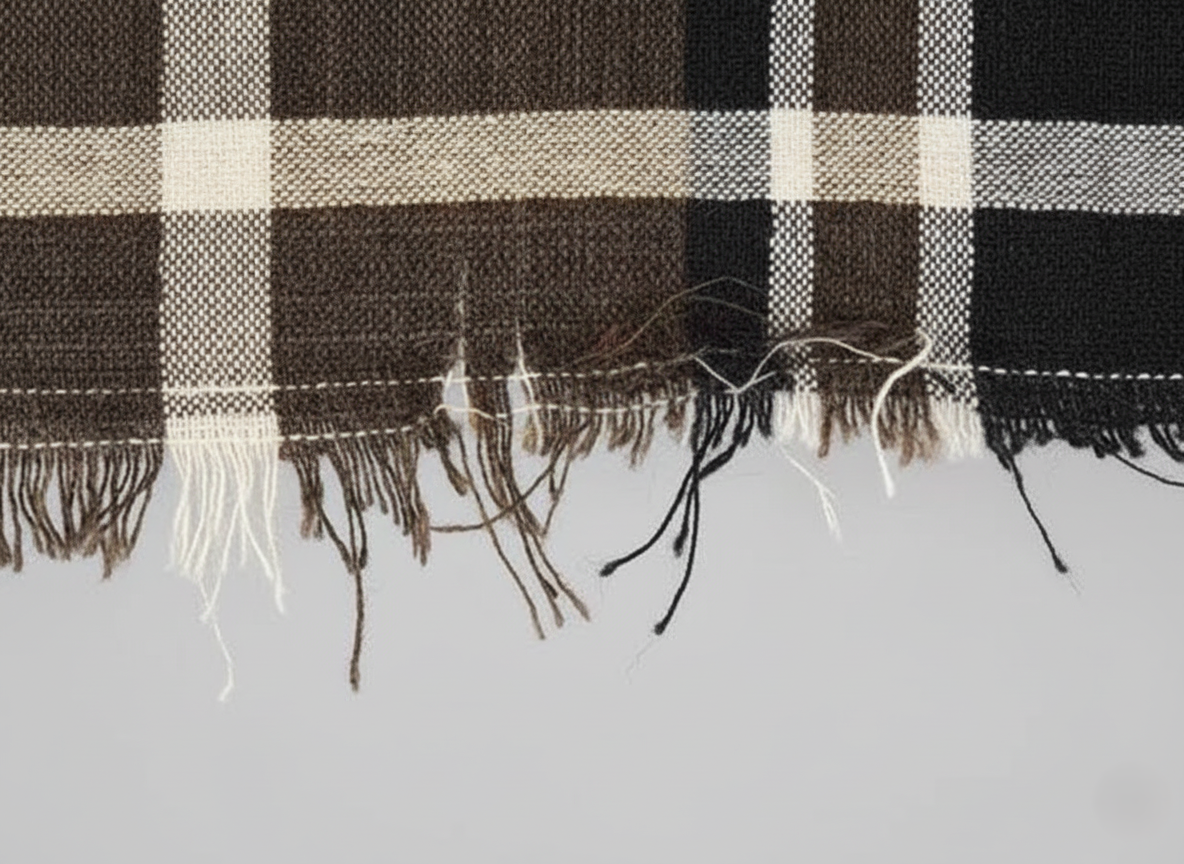
The edge of the fabric is known as the selvage and when it is defective it can cause serious difficulties in the manufacture of garments. A bad selvage can look frayed, curled, or uneven, and sometimes the edge yarns are either too loose or too tight.
This is mostly due to incorrect selvage motion, wrong weft tension or problems with the tuck-in device. The problem can also be caused by broken or weak edge warp yarns.
The consequences are serious – cutting is difficult, edges may tear when spreading, and garment panels may be rejected outright.
To avoid this manufacturers must ensure correct selvage setting, correct weft insertion control and regular inspection of tuck in mechanisms. Bad selvage appears as:
Frayed edges
Loose or tight edge yarns
Wavy, curled or torn edges
Bad selvage
Causes
Incorrect selvage motion
Improper weft tension
Faulty tuck‑in device
Broken or weak edge warp yarns
Effects
Cutting difficulties
Edge tearing during spreading
Garment panel rejection
Prevention
Correct selvage setting
Proper weft insertion control
Regular inspection of tuck‑in mechanisms
Broken Warp or Weft
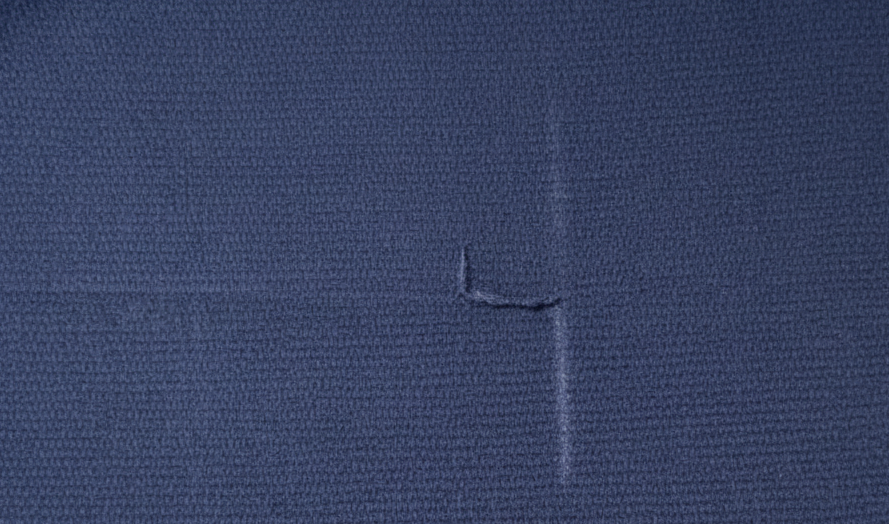
A broken warp or weft shows as a thin line across the fabric and is caused by missing or broken yarns. This defect is more pronounced, usually visible after dyeing.
The main reasons are bad yarn quality, tension, sharp parts of the loom and weak yarn strength.
The adverse effects are loss of strength of the fabric, visible lines after finishing and increased tearing propensity during wear of the garment.
Prevention is to use yarns of sufficient tensile strength, to set the right tension and to timely replace the damaged parts of the loom.
Broken Warp or Weft
Causes
Weak yarn strength
Excessive tension
Sharp loom parts
Poor yarn quality
Effects
Reduced fabric strength
Visible lines after dyeing
Risk of fabric tearing
Prevention
Use yarn with adequate tensile strength
Optimize warp and weft tension
Replace damaged loom components
Loose Warp (Slack Warp)
Loose warp yarns appear wavy or buckled with respect to the neighboring yarns, leading to a distorted appearance of the fabric.
This defect is often caused by uneven warp tension, improper let-off mechanisms or defects in the warp beam.
The result is obvious: fabric distortion, color change after dyeing, bad look of the garment.
To prevent this manufacturers must maintain consistent warp tension, regularly align beams and properly adjust let-off mechanisms.
Loose Warp (Slack Warp)
Causes
Unequal warp tension
Incorrect let‑off mechanism
Warp beam defects
Effects
Fabric distortion
Shade variation after dyeing
Poor garment appearance
Prevention
Uniform warp tension
Regular beam alignment
Proper let‑off adjustment
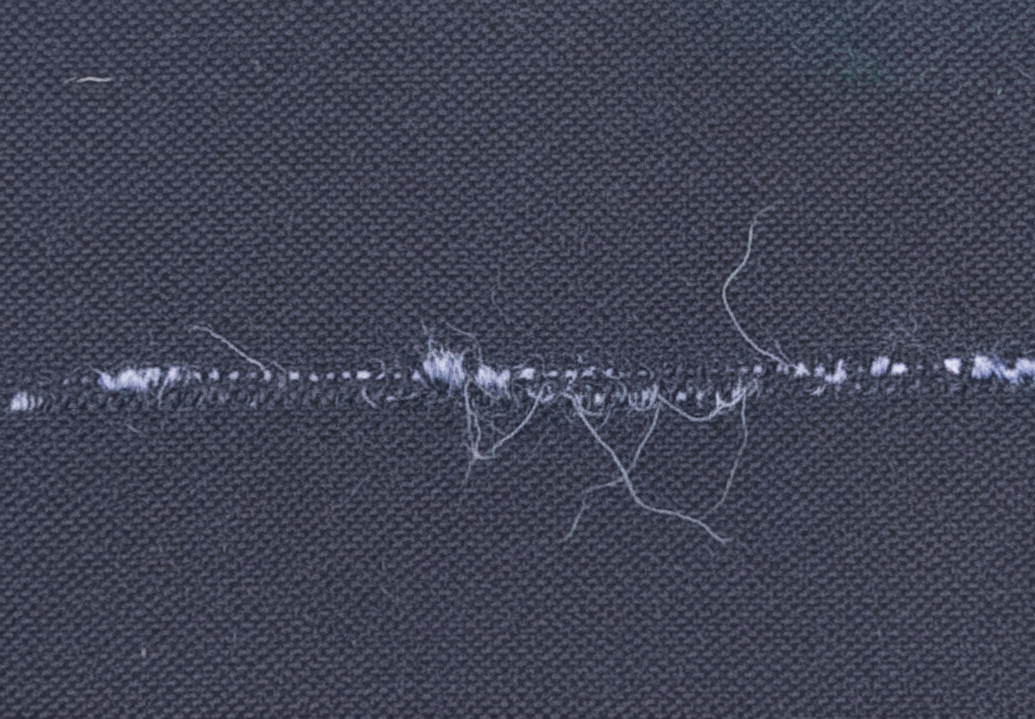
Hole
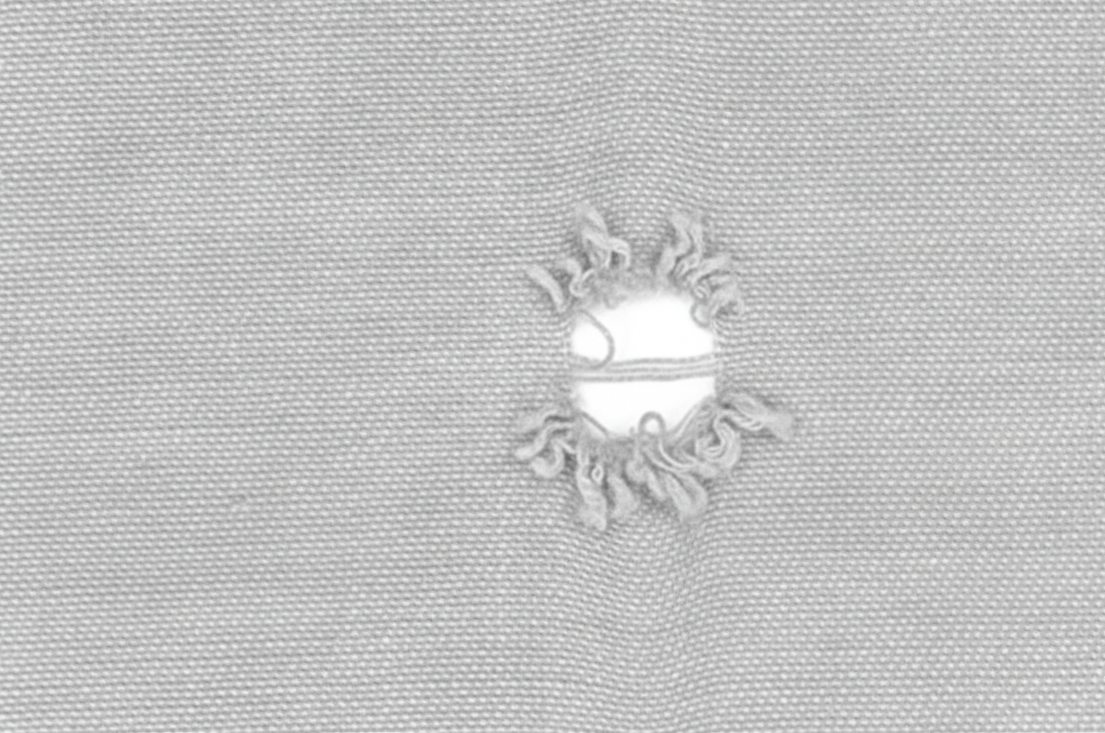
One of the most critical defects is a hole. A hole is an open space in the fabric due to missing or broken yarns.
It can be caused by broken warp or weft yarns that are not repaired, mechanical damage or weak yarn breakage.
Unfortunately, holes are often a reason for fabric rejection as they are not repairable in most cases.
Prevention is immediate stoppage of loom when yarn breaks, effective warp stop motions and strict inspection routines.
Hole
Causes
Broken warp and weft not repaired
Mechanical damage
Weak yarn or slub breakage
Effects
Fabric rejection
Not repairable in most cases
Severe quality fault
Prevention
Immediate loom stop on yarn break
Effective warp stop motion
Strict fabric inspection
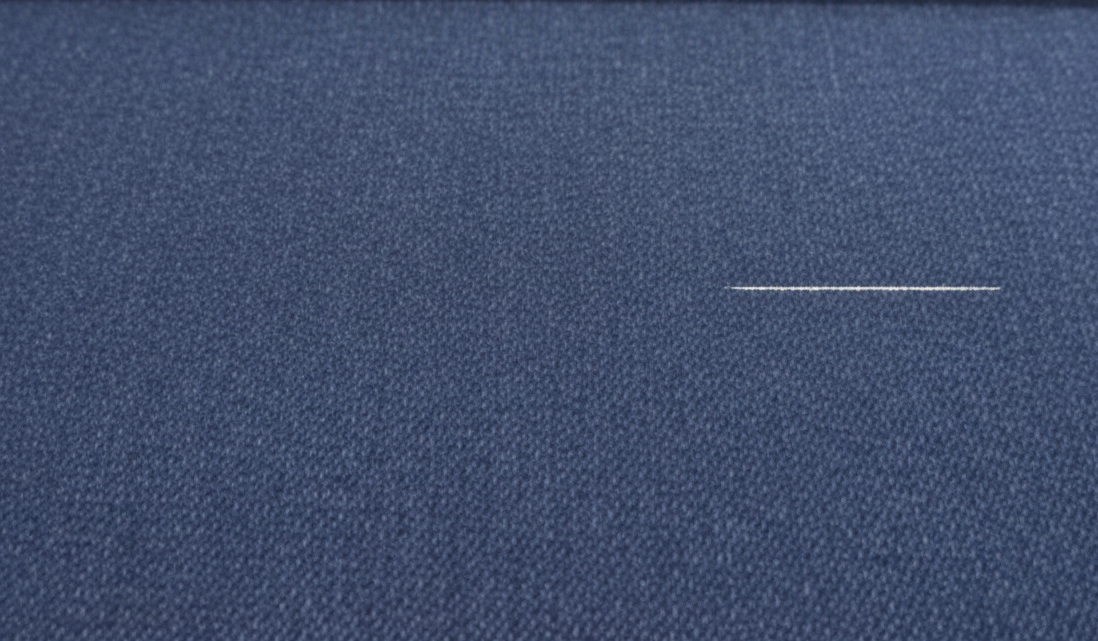
Miss Pick
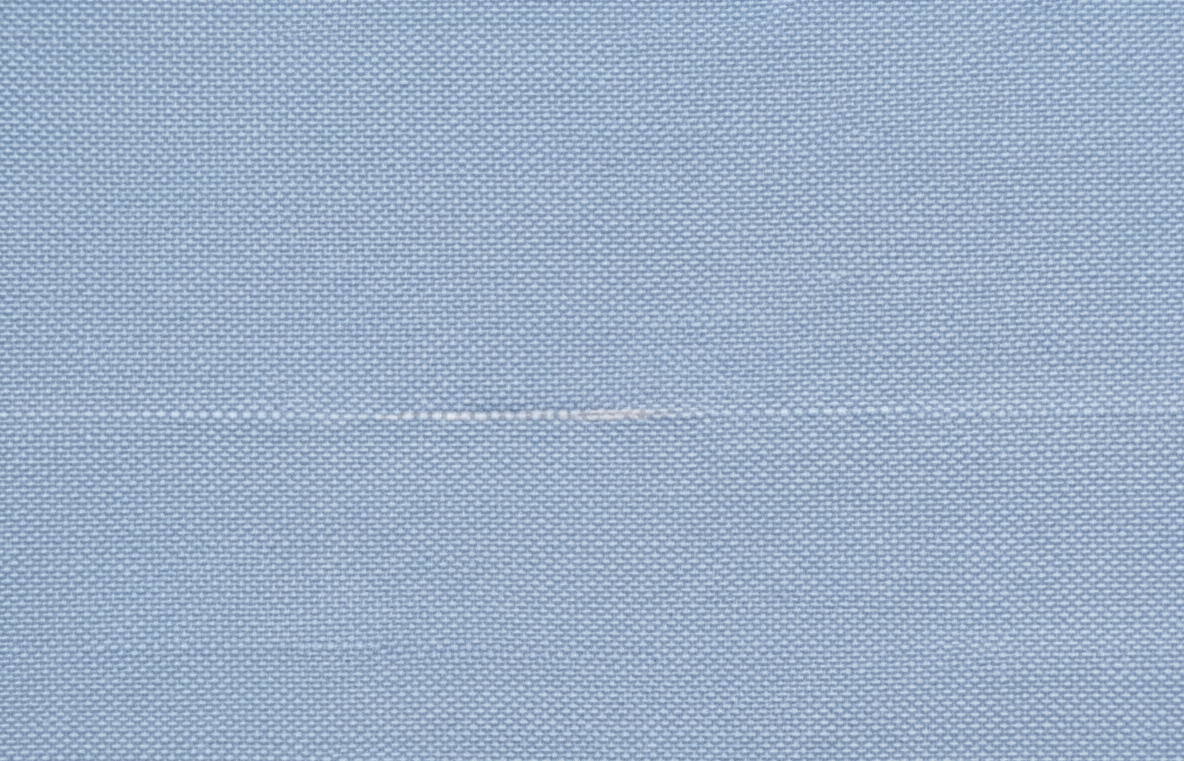
A miss pick occurs when one or more weft yarns are not inserted in the fabric. This leaves thin horizontal gaps that are very visible, especially when you've finished or dyed your hair. These gaps are even more noticeable in solid-dyed fabrics, and the defect is unacceptable to most buyers.
The root causes are often weft breakage, malfunction of shuttle, rapier or air‑jet systems and improper pick detection. If the loom does not stop immediately after a missed insertion, the defect continues along the fabric length.
The consequences are serious: the material is structurally less stable and the defect is visible to the naked eye. Clothes made of such fabric may tear easily or be rejected at inspection.
To avoid miss picks weft stop motions should be properly fitted, insertion systems need to be checked regularly and calibration checks should be done to ensure smooth operation of the looms.
Miss Pick
Causes
Weft breakage
Shuttle/rapier/air‑jet malfunction
Improper pick detection
Effects
Fabric weakness
Visual defect after finishing
Rejection in solid‑dyed fabrics
Prevention
Proper weft stop motion
Maintain weft insertion systems
Regular loom calibration
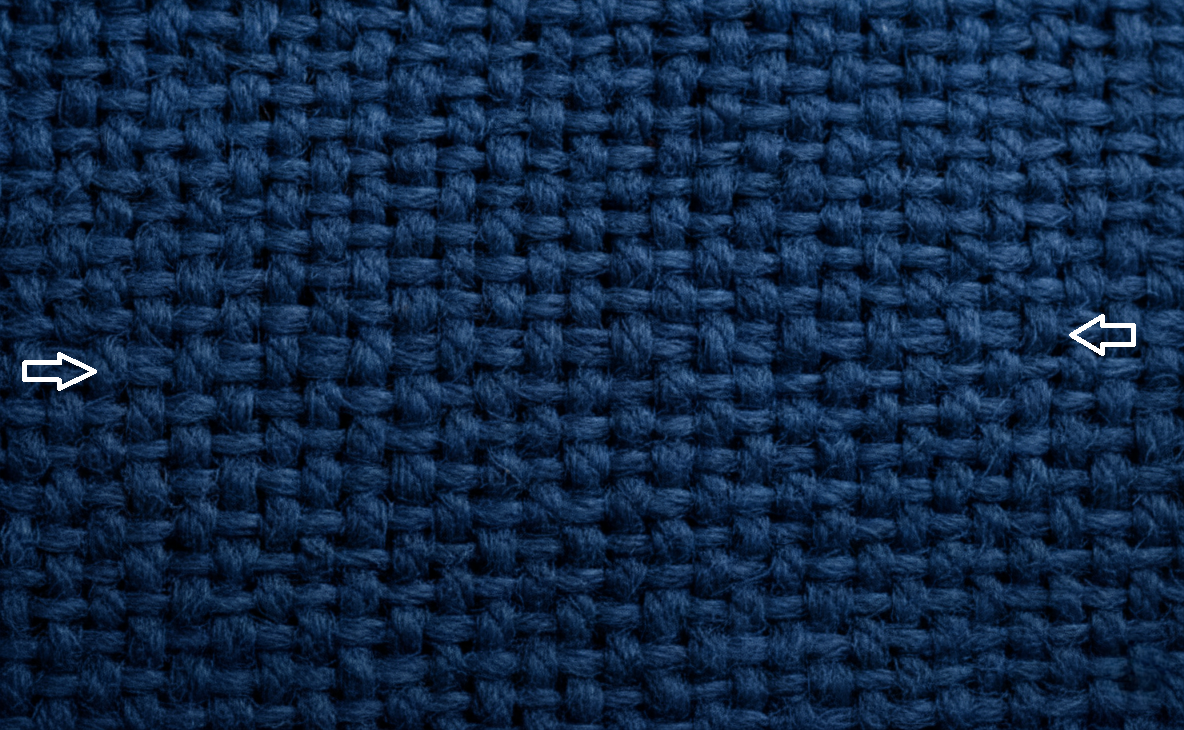
Loose Weft (Slough‑off)
Loose weft yarns appear slack, causing loops or waviness across the fabric. It breaks the uniform surface of the fabric and can cause problems in cutting and sewing.
The main causes are: low weft tension, wrong beat-up force, or faulty take-up motion. If the weft yarn is not held firmly in place it will not integrate properly with the warp yarns and will result in unevenness.
The effects are visible: inconsistent dyeing, uneven fabric surfaces and a loss of professional finish in garments. The loops can get caught when handling the extreme cases, causing further damage.
Prevention involves adjusting the weft tension properly, optimizing the beat-up force, and inspecting the take-up mechanism regularly to make sure that fabric winding is smooth.
Loose Weft (Slough‑off)
Causes
Low weft tension
Improper beat‑up force
Faulty take‑up motion
Effects
Uneven fabric surface
Poor dyeing uniformity
Cutting and sewing problems
Prevention
Correct weft tension setting
Optimize beat‑up force
Regular take‑up checks
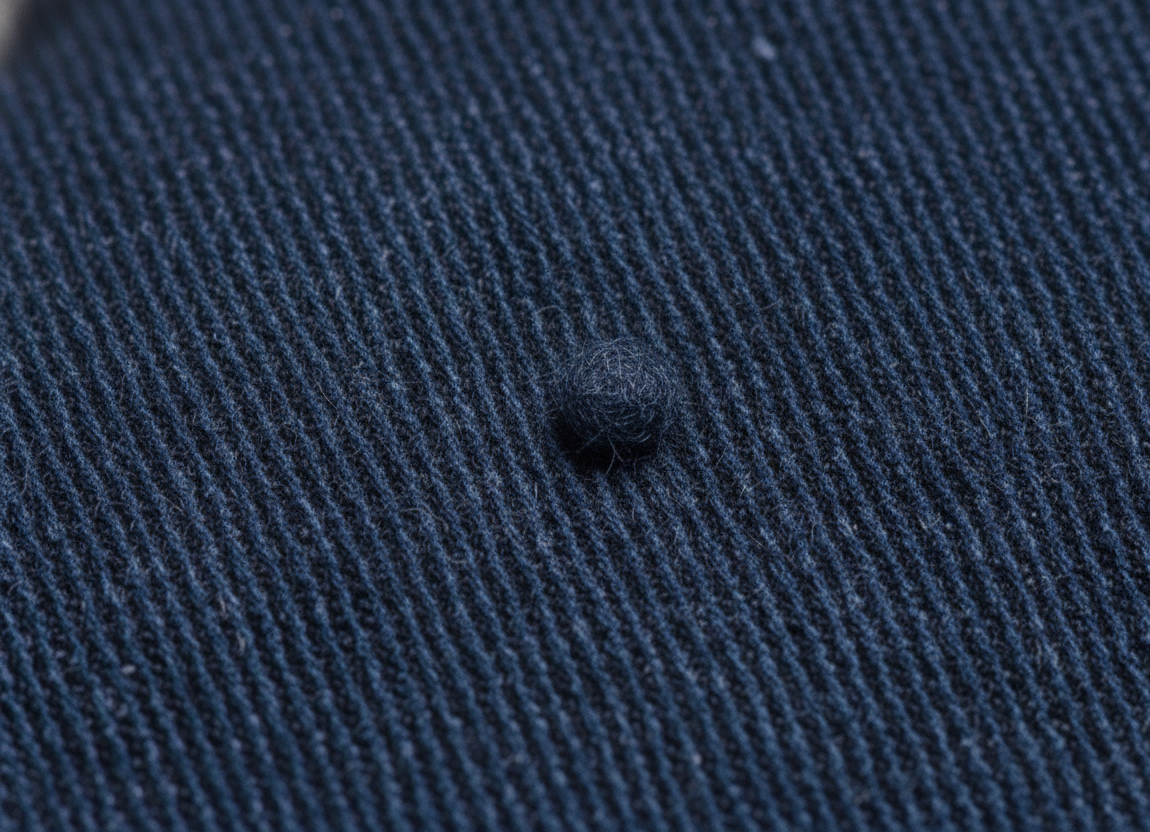
Ball (Knot / Lint Ball)
Lint balls or knots are small accumulations of fibers caught in the fabric structure. They may look like nothing at first but once dyed they are visible spots that spoil the look of the fabric.
These defects are often caused by yarn knots, lint contamination in the weaving area or poor yarn clearing during preparation. This problem is more common in factories with bad house keeping.
The consequences are poor aesthetic appeal, customer complaints and rejection of fabric lots . Buyers can see lint balls as a sign of bad quality control.
To avoid this yarn clearers should be used, housekeeping has to be improved to reduce lint contamination and knot frequency has to be minimized during yarn preparation.
Ball (Knot / Lint Ball)
Causes
Yarn knots
Fly and lint contamination
Poor yarn clearing
Effects
Visible spots after dyeing
Poor aesthetic appearance
Buyer complaints
Prevention
Use yarn clearers
Improve housekeeping
Reduce knot frequency
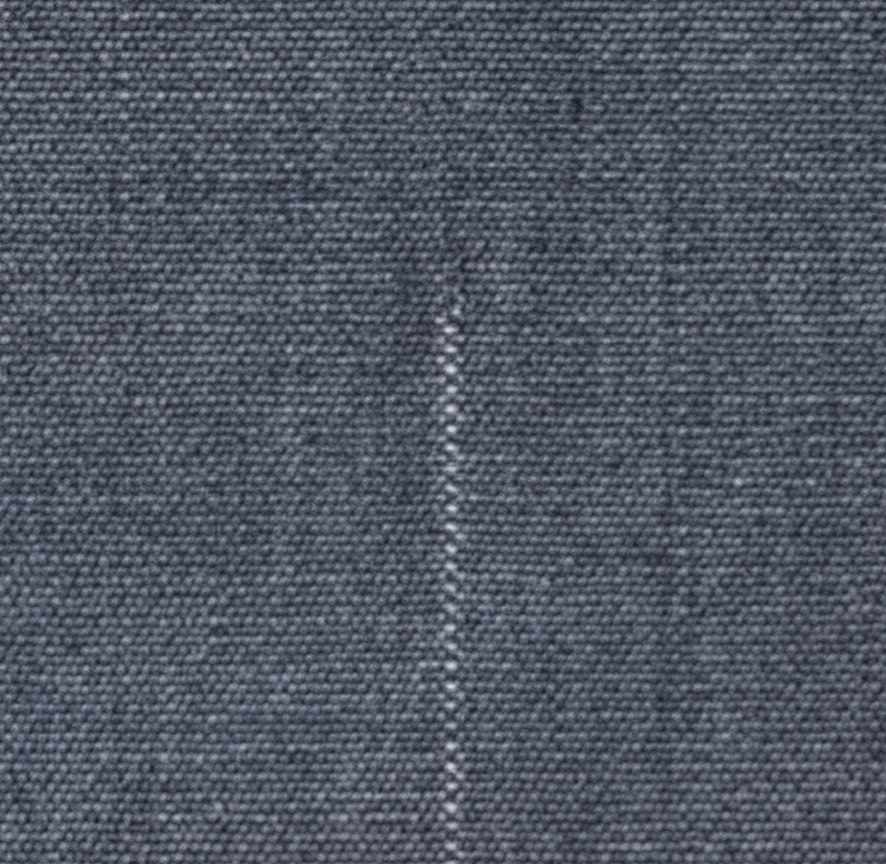
Reed Mark
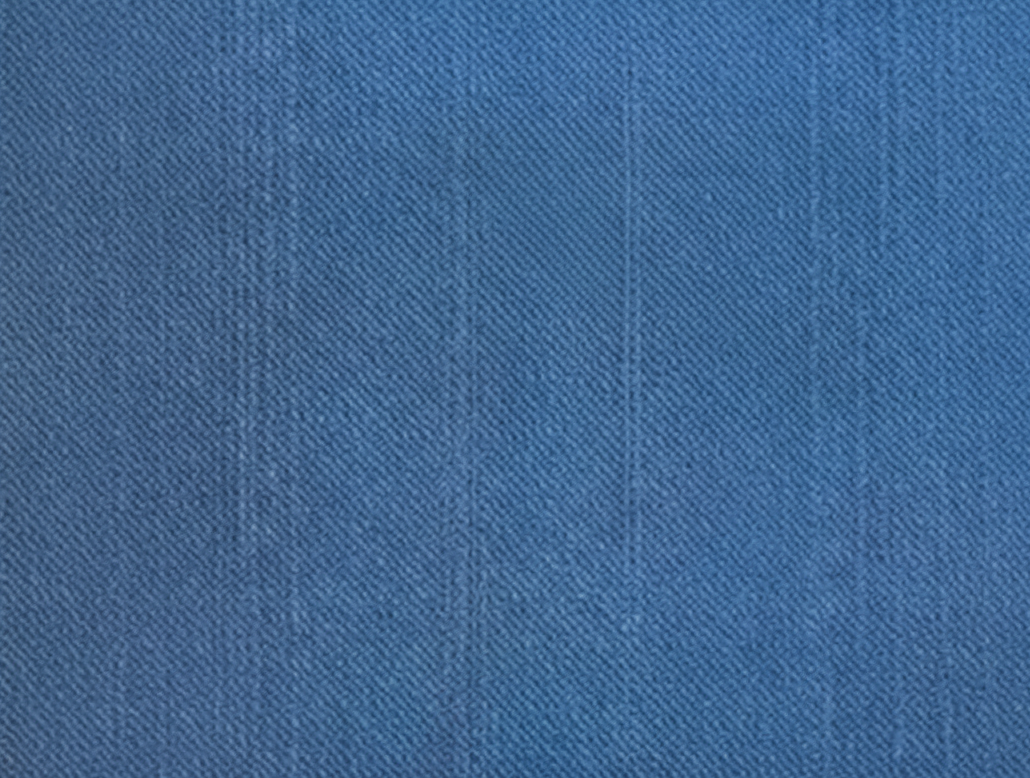
Reed marks are vertical streaks or lines that repeat at regular intervals, corresponding to the reed's dent. They are among the most common appearance flaws encountered in woven fabrics.
Causes include damaged or dirty reeds, uneven spacing of warp yarns, or selection of the wrong reed count. The reed does not beat the warp yarns evenly, leaving the yarns unevenly spaced, and thus the streaks are visible.
The effects are considerable. After dyeing, barre or streaks develop and the overall appearance of the fabric is impaired. Once they happen, these defects are hard to fix, so prevention is key.
Regular reed cleaning, proper reed selection, and uniform warp drawing‑in are necessary to avoid reed marks.
Reed Mark
Causes
Damaged or dirty reed
Unequal spacing of warp yarns
Incorrect reed count
Effects
Barre or streaks after dyeing
Fabric appearance defects
Difficult to correct later
Prevention
Regular reed cleaning
Correct reed selection
Uniform warp drawing‑in
Float
A float is when a yarn passes over a number of yarns without being properly interlaced. This results in loose sections that snag and wear easily.
Floats are caused by an incorrect weave design, broken yarns that miss interlacing, or loom timing faults. Floats can run across large portions of fabric if not corrected immediately.
reduced abrasion resistance, visible defects in finished garments, and snagging during use. Fabrics with floats are often rejected because of durability problems.
To avoid this proper programming of the weave, immediate repair of broken ends and proper control of the timing of the loom is necessary to ensure that the yarns interlace correctly.
Float
Causes
Incorrect weave design
Missing interlacing due to broken yarn
Loom timing faults
Effects
Snagging during use
Reduced abrasion resistance
Visible defects in finished garments
Prevention
Correct weave programming
Immediate repair of broken ends
Proper loom timing control
Slub (Unwanted)
Slubs are thick areas of yarn that appear as bumps or lines in the fabric. Although intentional slubs are sometimes used for fashion effects, unwanted slubs are defects.
They are caused by yarn count variation, poor carding or combing in spinning or roller slippage. When the thickness of the yarn varies, the fabric surface is uneven.
The effects are uneven appearance, dyeing spots and reduced strength of the fabric. Slubs can make garments look cheap or poorly made, leading to dissatisfaction among buyers.
Prevention means rigorous yarn evenness control, use of autolevellers in spinning and optimization of yarn clearers to identify and clear thick places before weaving.
A double pick means that two weft yarns are inserted at the same time instead of one. This creates a heavy horizontal line on the cloth, which is especially visible after dyeing. The defect is very noticeable in solid-dyed fabrics and often results in rejection.
The double picks are generally due to faulty weft insertion systems, timing problems in rapier or air-jet looms or incorrect control of weft. If the loom timing is wrong or the insertion mechanism is not working correctly, two yarns may lie side by side instead of one.
And the effects aren’t just visual. Double picks can lead to shade variation after dyeing, uneven fabric thickness and problems in garment cutting. Many buyers consider this defect as major because it affects the performance and also the look.
The prevention depends on the careful maintenance of weft insertion systems, regular checking of loom timing and effective pick detection mechanisms. Manufacturers can cut down on the occurrence of double picks by making sure that each insertion is promptly checked and corrected.
Double Pick
Causes
Faulty weft insertion
Timing issues in rapier or air‑jet looms
Improper weft control
Effects
Thick horizontal line
Shade variation after dyeing
Fabric rejection in solid shades
Prevention
Maintain weft insertion system
Check loom timing
Effective pick detection
Snag
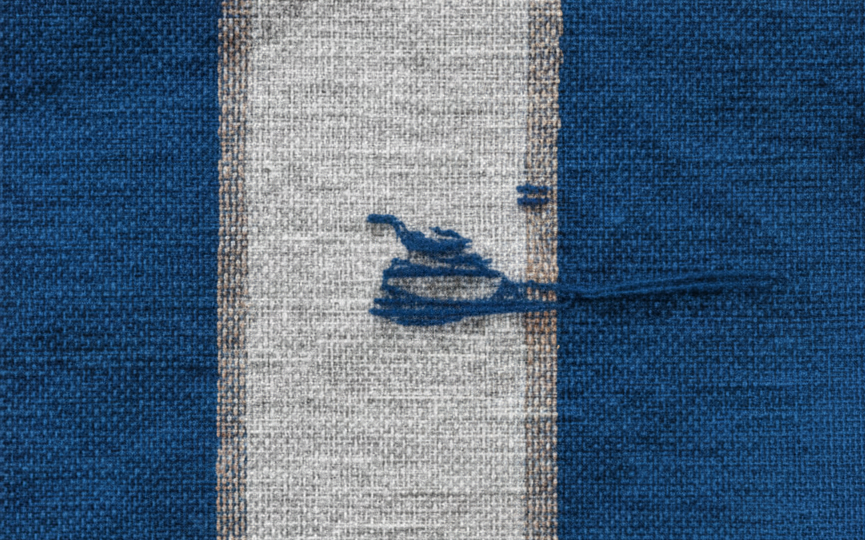
A snag is a defect, which occurs when yarn loops are pulled out of the fabric structure. This happens generally as a result of mechanical pulling, abrasion or rough handling during production and transit. Snags are easy to see because they break the smooth surface of the fabric with visible loops or pulled threads.
Sharp edges of machines, improper fabric transport or careless handling during storage can cause it. Small abrasions can cause weak areas in the fabric, which then become snags.
The consequences are serious, as clothes made of snagged fabric are not only unattractive, but also have weak points that reduce durability and often lead to customer dissatisfaction. Sometimes snags are considered minor defects, but if they are frequent or large, they can result in fabric rejection.
Prevention includes handling material smoothly, polishing machine surfaces to remove sharp edges and storing and transporting fabrics carefully. A clean and safe production environment helps manufacturers to reduce snagging and protect the quality of fabric.
Snag
Causes
Rough handling
Sharp edges on machines
Improper fabric transport
Effects
Poor appearance
Weak points in fabric
Customer dissatisfaction
Prevention
Smooth material handling
Machine surface polishing
Careful fabric storage and transport
Severity Classification (Typical)
Defect Type
Severity
Hole
Critical
Broken yarn
Major
Miss pick
Major
Reed mark
Major
Loose warp/weft
Major
Slub / ball
Minor–Major
Snag
Minor
(Severity depends on buyer standard and defect size/frequency.)
Impact of Woven Fabric Defects on Garments
Woven fabric defects don’t just stay at the fabric stage; they ripple through the entire garment manufacturing process. Any small defect can become a major problem when the fabric reaches the cutting, sewing and finishing departments.
Cutting Wastage Increases:
One of the most immediate impacts is loss reduction. Large portions of the roll may need to be discarded when fabric has holes, miss picks, or severe distortions. This lowers the amount of usable product and raises the cost of production. Often cutting masters find it difficult to place garment patterns efficiently when defects are scattered all over the fabric, resulting in wastage.
Sewing interruptions
Defects also lead to sewing interruptions. Loose wefts, snags or reed marks may seem like no big deal at first glance, but in sewing they translate into uneven seams, puckering or weak spots. Operators may have to stop often to adjust or repair, slowing production lines and reducing efficiency.
Visible garment defects
Visible garment defects are another major issue. Once the garment is finished and dyed, customers notice even small irregularities such as streaks, slubs, or floats. These defects compromise the overall look and feel of the garment, making it look cheap or poorly made. In fashion, appearance is everything — so visible flaws directly impact sales.
Higher rejection and claims
The economic fallout is dire. When defects exceed acceptable tolerance levels, factories face higher rejections and claims from their buyers. Rejected shipments are a waste of material and create bad relationships with suppliers. In competitive markets, one refused lot can mean losing a long-term client.
Reduced brand value
And then there’s brand value. Customer confidence is broken down by consistent flaws. A brand which is known for poor quality garments finds it difficult to sustain its reputation and buyers tend to switch to competitors. In the long run, fabric defects do not just affect one order, they can reduce the overall market value of a brand.
Quality Control & Inspection
Due to the wide influence of defects, the quality control of fabric production should be strict at every stage. Inspection is not a formality. It is a safeguard, protecting manufacturers and buyers alike.
The grey fabric is first inspected. Fabrics are checked in the raw state (before dyeing or finishing) so as to detect defects at an early stage. This avoids the expense of processing fabric that is later rejected. Inspectors look for holes, broken yarns, miss picks and other structural problems.
Then there are in-process loom checks. So looms are regularly checked for defects as soon as they crop up. In the event of failure of a weft insertion system, the loom can be stopped immediately to prevent long runs of miss picks. This is a proactive approach that saves time and cuts waste.
The most widely used method is the 4-Point System of fabric inspection. This system standardizes defect size and frequency and penalizes it with penalty points. This enables factories to provide an objective assessment of fabric quality and only pass acceptable rolls for the garment production process. Often buyers demand reports generated from this system to verify quality.
After dyeing shade and appearance checks are done. Some defects, such as reed marks or slubs, become more noticeable after color has been applied. Fabric shades are tested by inspectors in controlled lighting to check for uniformity and to spot streaks or uneven dyeing.
Finally, a full audit is carried out before cutting. This is the final barrier before the fabric is cut and sewn into clothing. The rolls are opened completely and inspected to make sure the defects are within buyer tolerance levels. Any rolls that do not pass inspection are set aside to avoid costly rejections later on.
When these inspection stages are applied together, they help manufacturers reduce defects, claims and maintain good relationships with buyers. Quality control is not just about catching problems — it is about building trust, protecting brand reputation and ensuring that garments meet the high expectations of consumers.
Final thought
Woven fabric defects are not only technical problems on the loom, but problems that cascade through all stages of garment production. Each defect has a cost that goes much further than the fabric itself, from cutting losses and sewing interruptions to visible flaws and damage to brand reputation. A slight irregularity in the yarn tension or loom timing can begin as a little problem but ultimately decide whether a garment will meet the buyer’s expectations or be rejected.
This is why textile manufacturing has quality control and inspection at its back bone. By looking at grey fabric early, monitoring looms in real time, using standardized systems such as the 4-Point method, and auditing fabric before cutting, manufacturers put a safety net in place that protects both their operation and their clients. They are not just practices — they are investments in trust, efficiency and long-term brand value.
In the final analysis, woven fabric defects can never be eliminated entirely, but their effect can be minimized through vigilance, precautions and disciplined inspection. A factory that considers quality control as a culture instead of a checklist will not only reduce rejections but also improve its reputation in the global market. After all, quality is the silent ambassador of every garment.
References & Sources
Uster Technologies AG – Publications on yarn quality control, yarn evenness, contamination management, and textile process optimization.
Picanol Group – Technical resources on weaving machine performance, loom maintenance, and woven fabric defect prevention.
Itema Group – Technical publications on weaving technologies, quality assurance, and process troubleshooting.
Toyota Industries Corporation – Technical references on weaving systems, warp control, and fabric defect reduction.
Staubli Group – Publications covering shedding systems, dobby and jacquard mechanisms, and weaving process control.
Bonas Textile Machinery – Resources related to jacquard weaving quality and woven fabric pattern control.
SDL Atlas – Textile testing and inspection equipment references.
James Heal Ltd. – Technical guidance on snagging, appearance evaluation, and fabric performance assessment.
ASTM International – Standards related to woven fabric testing, tensile properties, fabric appearance, dimensional stability, and quality evaluation.
ISO Textile Standards – International standards for woven fabric inspection, testing, dimensional measurement, and performance assessment.
AATCC (American Association of Textile Chemists and Colorists) – Testing methods related to color appearance, shade variation, dimensional stability, and fabric quality.
American Society for Quality (ASQ) and widely adopted textile industry inspection practices, including the 4-Point Fabric Inspection System, used by global retailers and garment manufacturers.
Disclaimer: This content is intended for educational and training purposes only. Woven fabric defects, classifications, severity ratings, inspection limits, and acceptance criteria may vary depending on fabric construction, fiber type, weaving technology, finishing process, customer requirements, and factory quality standards. The examples and classifications presented are typical industry practices and should not be considered universal standards. For production approval, quality audits, and commercial decisions, users should follow customer specifications, factory SOPs, and applicable ASTM, ISO, AATCC, and buyer-specific requirements.
Written by
Alam Mohammad Shafiqul
Lead Editor, Senior Contributor & Founder
Textile Technology
Textile engineering professional with over 15 years of experience in Sweater Manufacturing, Industrial Engineering and Technical Development. Holds a degree in Textile Engineering and an MBA in Apparel Merchandising. Passionate about bridging the gap between factory-floor operations and technical expertise to drive efficiency, innovation, and continuous improvement.
Textile EngineeringSweaterIndustrial EngineeringLean Six SigmaPythonJS