Definition of Garment Merchandising
Garment merchandising is the systematic process of managing garment orders. It involves product development, costing, sourcing, follow up of production, quality assurance, logistics and shipment. It is the process of ensuring that the right product is delivered to the buyer at the right time, right price and right quality. A garment merchandiser is the factory's representative to the buyer and the buyer's representative to the factory.
Role and Importance of Garment Merchandising
Garment merchandising plays a critical and strategic role in the apparel industry, acting as the link between buyers and the factory. It is not just about handling orders—it is about converting buyer requirements into practical production plans while ensuring quality, cost control and timely delivery.
A strong merchandising function ensures that all departments work in alignment and that the factory meets both commercial and technical expectations. Without effective merchandising, even a technically sound factory can face delays, quality issues, or financial losses in the global market.
The key roles of merchandising include:
- Translating buyer requirements into executable production plans
- Ensuring cost competitiveness and maintaining profitability
- Monitoring and maintaining delivery schedules
- Controlling product quality standards
- Coordinating between different departments
- Building long-term trust and relationships with buyers
Types of Garment Merchandising
Garment merchandising can be broadly divided into two phases—development merchandising and production merchandising—each with its own focus and responsibilities.
Development Merchandising
Development merchandising begins before the order is confirmed and plays a crucial role in deciding whether a business opportunity is feasible. It involves close interaction with buyers and focuses on product development and costing.
Key responsibilities include:
- Understanding buyer requirements and technical specifications
- Managing sample development and approvals
- Preparing accurate costing and negotiating prices
- Sourcing fabrics and trims
- Conducting risk and feasibility analysis
This stage determines whether the order will be profitable and achievable.
Production Merchandising
Once the order is confirmed, production merchandising takes over. This stage focuses on execution, ensuring that everything runs smoothly from production planning to final shipment.
Key responsibilities include:
- Production planning and scheduling
- Material follow-up and coordination
- Quality control monitoring
- Shipment and delivery management
Production merchandisers are responsible for ensuring that the order is delivered on time and meets all quality standards.
Responsibilities of a Garment MerchandiserA garment merchandiser manages the entire lifecycle of an order, acting as a bridge between internal teams (production, QA, sourcing) and external stakeholders (buyers, suppliers). Their role requires both technical knowledge and strong communication skills.
Buyer Communication and Order Handling
The merchandising process begins with receiving a buyer inquiry. This is a critical step because it sets the foundation for the entire order. The merchandiser carefully studies all details provided by the buyer to assess feasibility and potential risks.
Typical buyer inquiry includes:
- Tech pack and specification sheet
- Sample reference or design details
- Order quantity and target price
- Delivery timeline and expectations
After reviewing the inquiry, merchandisers communicate with buyers to clarify requirements and align expectations. Proper communication at this stage avoids misunderstandings later.
Key communication activities:
- Clarifying technical specifications
- Confirming quality and testing requirements
- Understanding compliance needs
- Aligning price and lead time expectations
Product Development and Sampling
Sample Development Process
Sampling is one of the most important responsibilities in merchandising because it ensures that the product meets the buyer’s expectations before bulk production begins. Each stage of sampling must be approved before moving forward.
Typical sampling stages include:
- Proto sample
- Fit sample
- Size set sample
- Pre-production (PP) sample
- Shipment or top-of-production sample
During this phase, merchandisers also coordinate with sourcing teams and suppliers to ensure that materials meet quality standards and are available within the required timeline.
Fabric and Trim Sourcing for Samples
Material sourcing is closely linked with both sampling and production planning. Merchandisers ensure that all fabrics and trims meet buyer specifications and are available on time.
Key responsibilities include:
- Selecting appropriate fabrics based on design and usage
- Confirming yarn count, GSM and composition
- Sourcing trims such as buttons, zippers and labels
- Ensuring supplier lead times match production schedules
Material delays are one of the major reasons for shipment failure, so close follow-up is essential.
Garment Costing and Price Negotiation
Accurate costing is crucial for maintaining factory profitability while staying competitive in the market. Merchandisers must calculate all cost components carefully and negotiate effectively with buyers.
Costing components include:
- Fabric cost
- Trims and accessories cost
- Manufacturing cost (CM)
- Washing and finishing cost
- Testing and certification charges
- Overheads and commercial costs
During negotiation, merchandisers may optimize the product and process to meet buyer price expectations.
Negotiation strategies include:
- Suggesting alternative materials
- Optimizing fabric consumption
- Adjusting construction methods
- Revising order quantities
Order Confirmation and Contract Finalization
Order Placement
Once pricing and terms are agreed upon, the buyer issues official documents such as:
- Purchase Order (PO)
- Sales Contract
- Letter of Credit (LC)
Before confirming the order, merchandisers must carefully verify all commercial and technical details. A detailed risk assessment is also conducted to avoid future issues.
Key risk checks include:
- Delivery feasibility
- Material availability
- Production capacity
- Compliance requirements
- Financial exposure
Pre‑Production Coordination
After order confirmation, merchandisers organize internal meetings to ensure all departments understand the requirements clearly. This stage aligns planning across the factory.
Departments involved:
- Production planning
- Cutting and sewing
- Quality assurance
- Procurement
- Washing and finishing
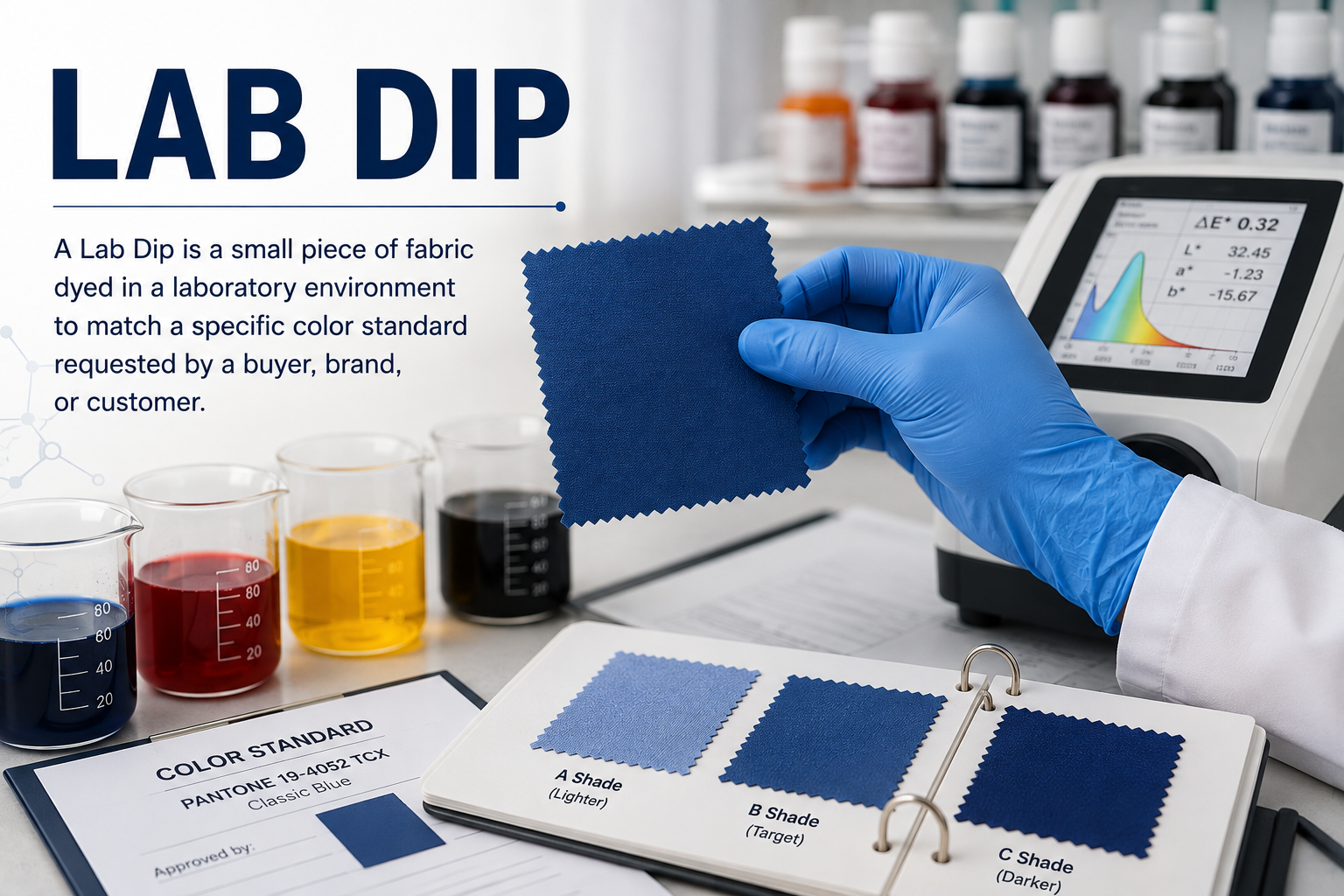
They also track material preparation, including fabric booking, lab dips, trim approvals and bulk material arrival.
Production Monitoring and Control
During production, the merchandiser continuously monitors progress to ensure timelines are met. They identify issues early and coordinate with teams to resolve them.
Key activities include:
- Monitoring daily production output
- Coordinating line planning
- Updating buyers on order status
- Managing bottlenecks and delays
Merchandisers also coordinate quality checks at different stages to ensure compliance.
Quality control coordination includes:
- Inline inspection
- End-line inspection
- Final random inspection
- Buyer or third-party audits
Compliance and Sustainability in Merchandising
Modern merchandising must ensure that production meets both social and environmental standards. Compliance is critical for securing and retaining buyers.
Social compliance includes:
- Labor law adherence
- Buyer codes of conduct
- Working hours and safety standards
Environmental requirements include:
- Use of sustainable materials
- Chemical compliance
- Waste management practices
- Carbon footprint reduction
Shipment and Logistics Management
Once production is complete, merchandisers manage the shipment process to ensure on-time delivery within buyer requirements.
Key responsibilities include:
- Booking shipments and selecting transport mode (sea/air)
- Managing container allocation
- Planning shipment schedules
They also ensure that all export documents are accurate and complete.
Required documents include:
- Commercial invoice
- Packing list
- Bill of lading
- Certificate of origin
- Inspection certificates
Payment Realization and Order Closure
After shipment, the merchandiser follows up to ensure timely payment realization and smooth financial closure of the order.
Key follow-up activities include:
- Negotiation of export documents
- LC realization
- Monitoring buyer payments
After completing the order, a review is conducted to improve future performance.
Post-order evaluation includes:
- Cost variance analysis
- Delivery performance review
- Quality issue tracking
- Buyer feedback analysis
Skills Required for a Garment Merchandiser
A successful garment merchandiser must combine technical expertise with strong interpersonal and analytical skills. Since the role involves coordination across multiple functions, the ability to manage time and communication effectively is critical.
Key skills include:
- Strong communication and negotiation skills
- Knowledge of fabrics and garment construction
- Commercial awareness and costing ability
- Time management and planning skills
- Problem-solving and analytical thinking
- Understanding of buyer expectations and behavior
Conclusion
Garment merchandising is the core of apparel manufacturing operation, integrating design, sourcing, production, quality, logistics and finance into one coordinated flow. With growing global competition and buyer demands for speed, transparency and sustainability, the role of garment merchandisers is increasingly strategic.