Major Types of Yarn Defects
Yarn is the core of every textile product. From a soft cotton t-shirt, to a luxurious silk scarf and even a durable denim fabric, the quality of the yarn has a direct effect on the look, feel and performance of the final product. But yarn isn’t always perfect. In spinning, handling and storage small defects can find their way into the fabric and these small defects can cascade into big problems in downstream processes such as knitting, weaving, dyeing and finishing. Let us go through the major types of yarn defects, understand their causes, see how they affect the fabrics and explore practical ways to control them.
Twist Variation
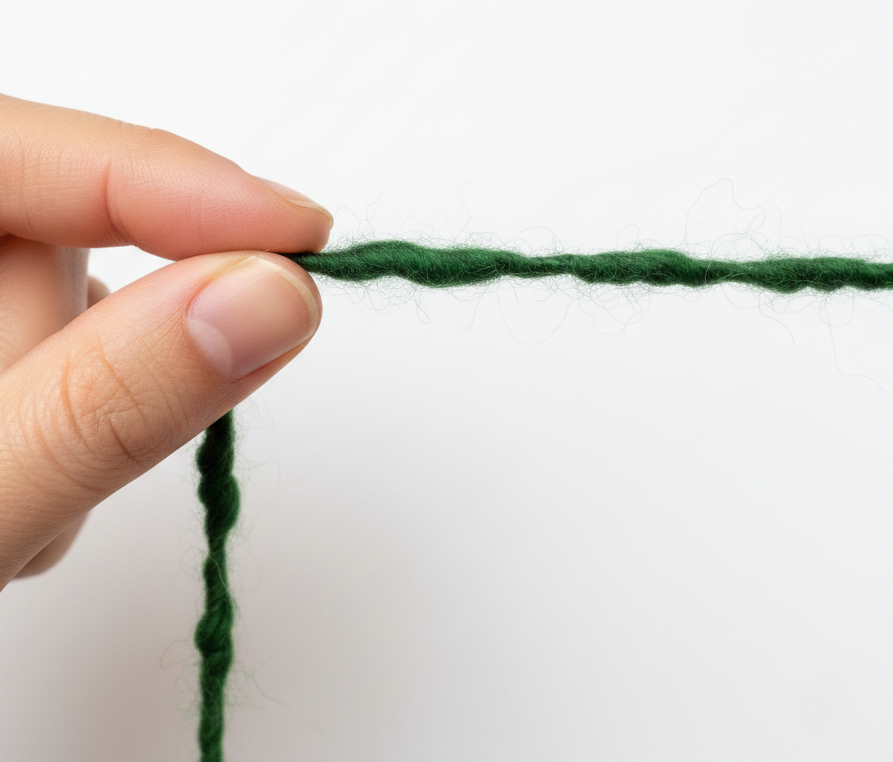
Twist variation is a variation in the amount of twist in the yarn along its length. Twist is the "glue" that holds the fibers together. Too much twist (over-twist) makes the yarn tight and harsh, while too little twist (under-twist) makes it weak and fluffy
- Over‑twist: Yarn is too tight
- Under‑twist: Yarn is too loose
Causes:
This is normally caused by incorrect ring frame or rotor settings, varying spindle speeds or instability in the drafting system. Poor maintenance of the twisting elements also is a factor.
Fabric Effects:
Over-twisted yarn is rough to the touch, absorbs less moisture and resists the penetration of dye, producing uneven shades. On the other hand, under-twisted yarn breaks easily, sheds fibers and produces too much hairiness and pilling.
Control Measures:
To maintain twist levels, regular TPM/TPI measurements, proper spindle speed control, balanced drafting systems and routine machine calibration are necessary.
Count Variation
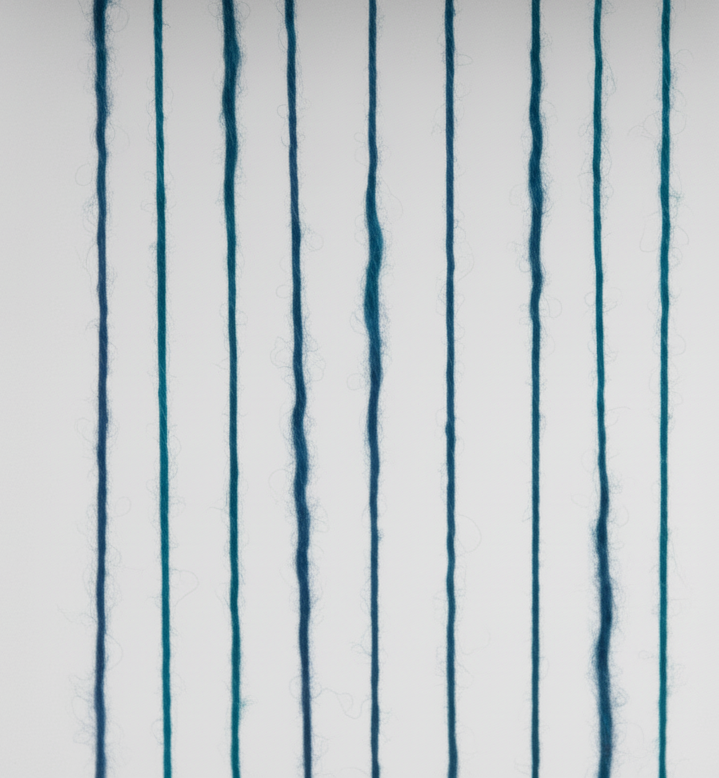
Count variation is the irregularity in the number. It is the unevenness in the thickness of the yarn along its length. Think of a yarn that randomly is thick in one place and thin in another. It breaks up the uniformity of the fabric.
Kinds:
Thick Places: Localized bulges that cause streaks or barre effects.
Thin Places: Places that are delicate and easily broken.
Neps: Small, tangled knots of fiber that look like specks after dyeing.
Slubs: Thick places, deliberate in fancy yarns, but defects when uncontrolled.
Reasons: Poor carding and combing, improper drafting, contaminated raw cotton or roller slip.
Fabric Effects: Uneven dyeing, streaking, lower strength and poor appearance.
Control Measures: Correct carding/combing adjustments, use of autoleveller, Uster evenness monitoring and strict control of raw materials.
Foreign Matter Contamination
Foreign matter is one of the most feared defects because it is often zero‑tolerance for buyers, especially in light shades.
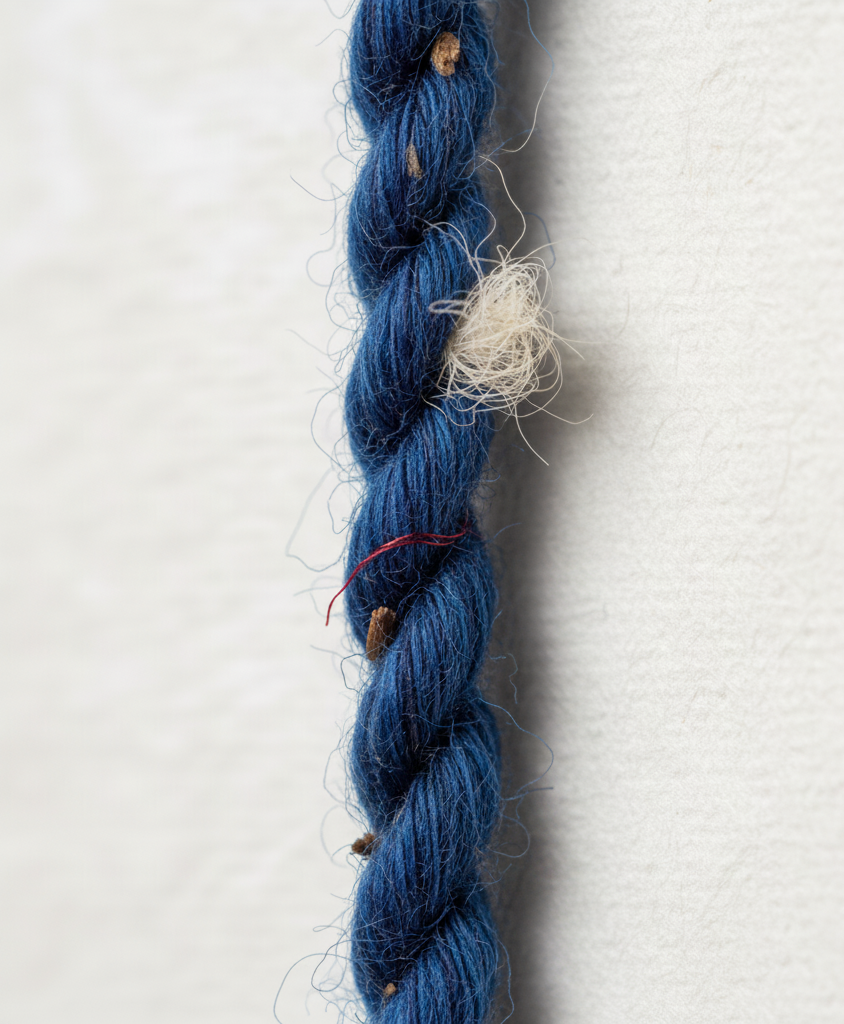
Types of Common: Polypropylene fibres, jute, coloured fibres, pieces of plastic, dust and seed coat pieces.
Reasons: Contaminated raw cotton, poor housekeeping, improper handling of bales, or recycling waste contamination.
Effect on Fabric: Specks which appear after dyeing, shade inconsistency and outright rejection of the fabric. One foreign fiber can cause claims in white or pastel colors.
Control Measures: Manual cotton sorting, optical yarn clearers, foreign fiber detectors and strict mill housekeeping.
Stain in Yarn
Stains are localized discolorations that spoil the appearance of yarns and the overall aesthetics of fabric. These are particularly tricky, since even the smallest stain can show up after dyeing, especially with lighter colours where consistency is key. Buyers of premium fabrics are especially sensitive to this issue, as stains compromise both the look and the perceived quality of the material.
Categories: There are different types of stains such as oil stains, grease stains, rust stains, and water or chemical stains. Each type has its own origin and effect, but all are detrimental to the visual appearance of the yarn. Oil and grease stains often come from machinery, rust stains from metal parts or storage racks, and water or chemical stains from improper handling during wet processes.
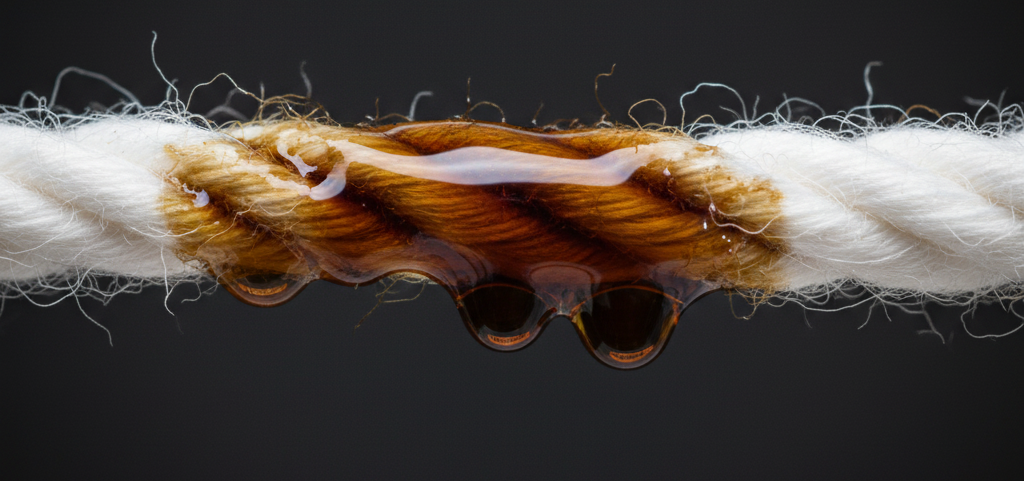
Causes: These stains can come from dirty transport surfaces, leaking machine oil, poor storage conditions, or contamination of water during handling. In many cases, they are preventable with better housekeeping and maintenance practices.
Fabric Effects: Once stains are present, they appear as dyeing spots, shade differences, and poor overall appearance. For buyers of light‑colored fabrics, these defects are not acceptable and often lead to outright rejection of the material. Even a single stain can undermine confidence in the entire batch.
Control Measures: Mills must ensure oil‑free machine maintenance, clean material handling, proper storage conditions, and the prompt removal of stained packages prior to their entry into production. Prevention is always better than cure, and proactive care saves both time and money.
Hairiness (Grade 5)
Hairiness is fiber ends protruding from the surface of the yarn that give it a fuzzy appearance. While a small degree of hairiness is natural, excessive levels reduce both the appearance and performance of the fabric. Buyers often associate hairy yarns with poor quality, and fabrics made from them tend to look worn out much sooner.
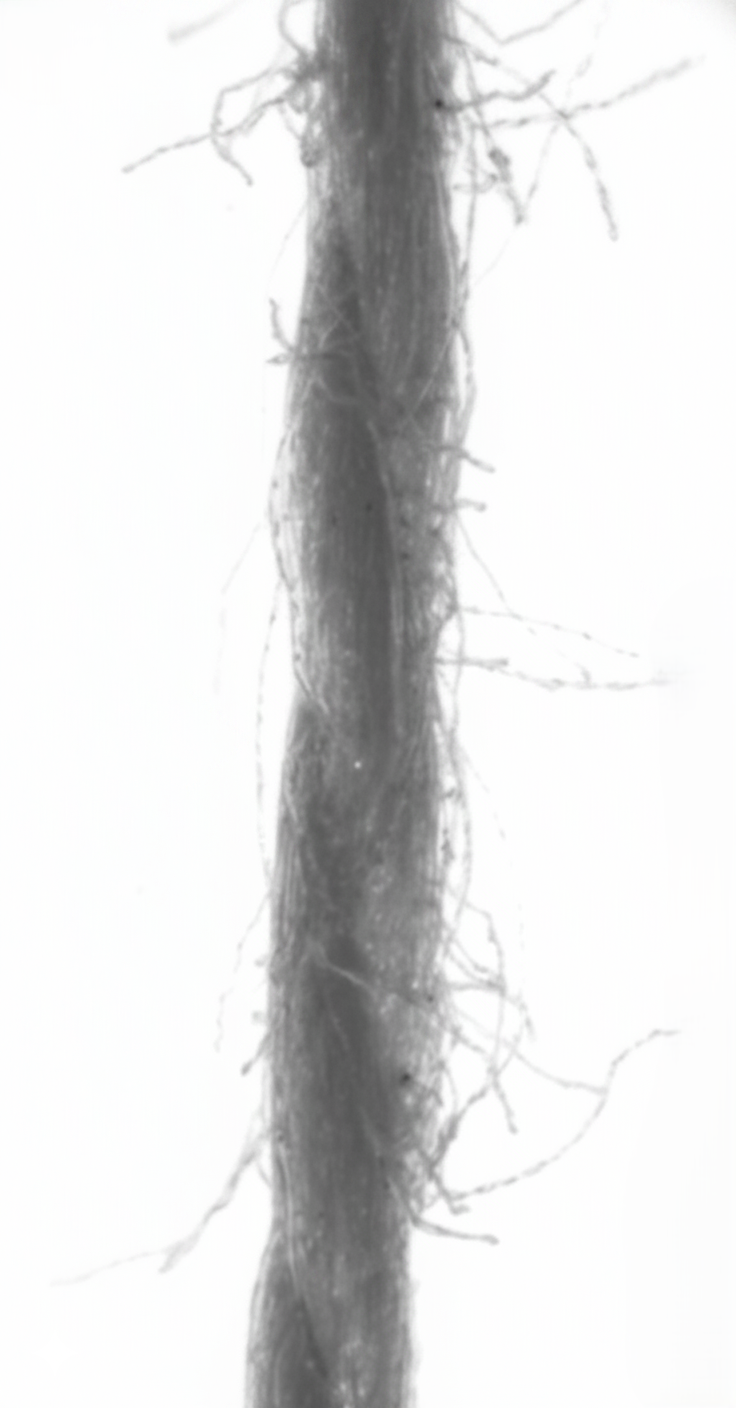
Reasons: Hairiness is usually due to poor carding or combing, worn machine parts, low twist levels, or a high proportion of short fibres in the blend. These factors make the fibers break out of the yarn body and stand up, creating a halo effect around the yarn.
Fabric Effects: Excessive hairiness leads to fuzziness, high pilling tendency, poor print definition, and low abrasion resistance. Fabrics made from hairy yarns are likely to lose their smoothness quickly, fail to meet buyer requirements, and often get rejected in quality inspections.
Control Measures: Mills can increase twist within safe limits, use compact spinning techniques, improve fiber selection, and apply singeing at the fabric stage to burn off protruding fibers. These measures help produce cleaner, smoother yarns and improve the overall quality of the fabric.
Snarl (Grade 3)
Snarling is the tendency of yarn to coil or loop up because of too much twist and torque. This is one of the more disruptive defects since it directly interferes with knitting and weaving operations. Unlike surface issues, snarls affect the very flow of production, causing stoppages and inefficiencies.
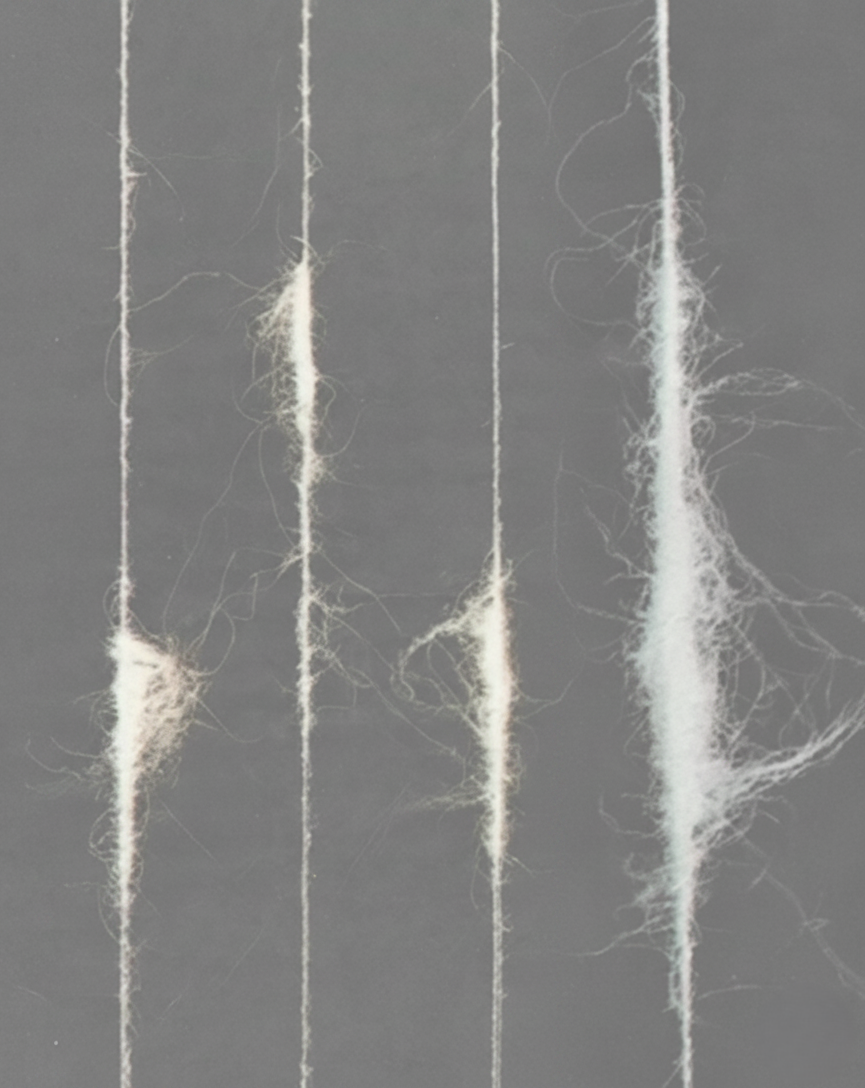
Reasons: Snarls are caused by excessive twist insertion, inconsistent twist direction, or incorrect winding tension. A yarn with unbalanced torque will naturally try to release that energy by forming loops or coils, which then interfere with downstream processes.
Effect on Textile: Snarling causes defects such as loops or dropped stitches in knitting, uneven fabric structures, and frequent production stoppages. These interruptions waste time, increase costs, and reduce efficiency. In weaving, snarls can lead to warp breaks and loom downtime, further compounding production losses.
Control Measures: The best prevention of snarling is to maintain correct twist balance, use anti‑snarling devices, control winding tension carefully, and apply steam relaxation where applicable. These steps help stabilize the yarn and ensure smoother processing downstream, reducing both defects and delays.
Yarn Defect Grading (Visual Standards)
Yarn defects are not judged randomly; they are carefully graded using visual boards or reference standards. The most common grading system ranges from Grade 1 to Grade 7. Lower numbers represent minor defects, while higher numbers indicate severe ones. This rating system gives manufacturers and customers a shared language to evaluate quality.
For instance, yarn that is slightly uneven may be classified as Grade 2 or 3, which is generally acceptable within tolerance limits. However, defects such as foreign fibers, heavy stains, or severe snarls may be graded as 6 or 7, which are considered critical and unacceptable.
What Buyers Want
Most buyers set strict limits on defect frequency, such as the number of defects per kilogram or per 1000 meters of yarn. In high‑end applications, especially for light shades, buyers often demand zero tolerance for foreign fibers. This means that even a single polypropylene fiber or colored speck can lead to rejection of the entire batch.
Grading standards therefore act as a bridge between mills and buyers, providing clear benchmarks of what is acceptable and what is not.
Impact of Yarn Defects on Downstream Processes
| Process | Impact |
|---|---|
| Knitting | Needle damage, dropped stitches |
| Weaving | Warp breaks, loom stoppage |
| Dyeing | Barre, patchy shades |
| Finishing | Pilling, streaks |
| Garments | Visual defects, rejections |
Yarn faults do not end at the spinning stage. They ripple through each subsequent process, creating inefficiencies, faults, and rejections.
Knitting: Defective yarn can damage needles, cause dropped stitches, and produce uneven fabric structures. Stoppages due to yarn breaks or snarls are common, slowing down production.
Warping: Count variation or contamination from foreign matter can cause warp breaks, loom stoppages, and poor fabric uniformity. This increases idle time and reduces productivity.
Dyeing: Uneven yarn quality results in barre effects, patchy shades, and poor dye penetration. Buyers notice these discrepancies immediately, especially in fashion fabrics.
Finishing: Hairiness and weak yarns lead to pilling, streaks, and reduced abrasion resistance. Fabrics lose smoothness and fail durability tests.
Garments: At the final stage, defects are most visible. Stains, streaks, or fuzziness compromise garment appearance, leading to rejections, claims, and damage to brand reputation.
In short, yarn defects are not isolated problems; they cascade through the textile chain, magnifying costs and risks at each step.
Quality Control Tools for Yarn Defects
To meet these challenges, mills rely on a series of quality control tools:
Uster Tester: Provides precise measurement of yarn evenness, hairiness, and faults.
Electronic Yarn Clearers: Detect and remove thick places, thin places, and foreign matter during winding.
Visual Inspection Boards: Allow inspectors to visually grade yarn defects against reference standards.
Fabric Inspection: After knitting or weaving, fabrics are checked for streaks, barre, or structural faults.
Shade and Appearance Testing: After dyeing, fabrics are compared under controlled lighting to ensure uniformity and detect hidden defects.
These tools combine objective data with subjective visual checks, ensuring yarn quality meets buyer requirements before shipment.
Importance of Controlling Yarn Defects
Controlling yarn defects is not just a technical requirement — it is a business necessity.
It keeps production running smoothly, with fewer stoppages and less downtime.
It reduces fabric waste and reprocessing, saving money and resources.
It improves dyeing consistency, making fabrics look uniform and professional.
It enhances garment appearance, making products more attractive to shoppers.
Most importantly, it helps mills meet buyer quality standards, protecting long‑term relationships and brand reputation.
In today’s competitive textile industry, buyers expect perfection. A single defect can result in claims, rejections, or even loss of contracts. That is why mills invest heavily in defect prevention, monitoring, and correction — because quality yarn is the foundation of quality fabric.