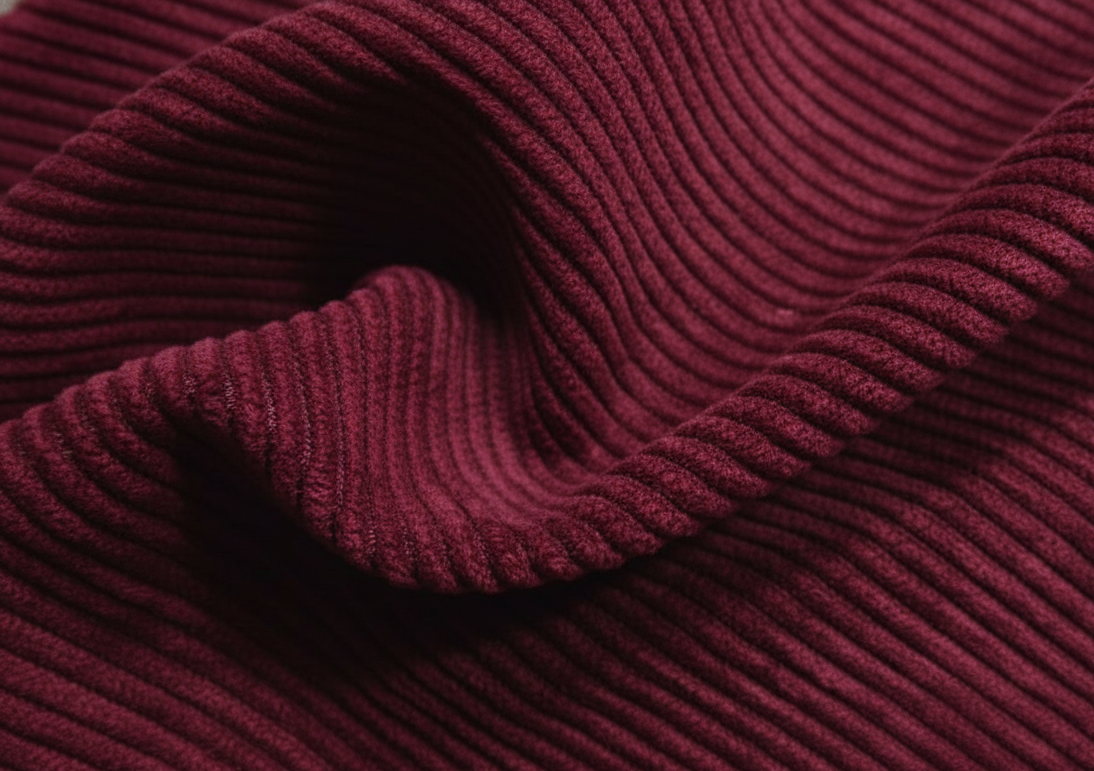
Corduroy (Pile-Based Decorative Weave)
Corduroy is easy to recognize — those vertical ribs (called wales) give it away instantly.
It’s made by inserting extra weft yarns to form a pile, which is then cut. That’s what creates that soft, raised texture.
What stands out:
- Ribbed surface
- Soft but slightly heavy feel
- Holds warmth quite well
- Fairly durable
Used in: Trousers, jackets, workwear
Oxford (Basket / Dobby Decorative Weave)
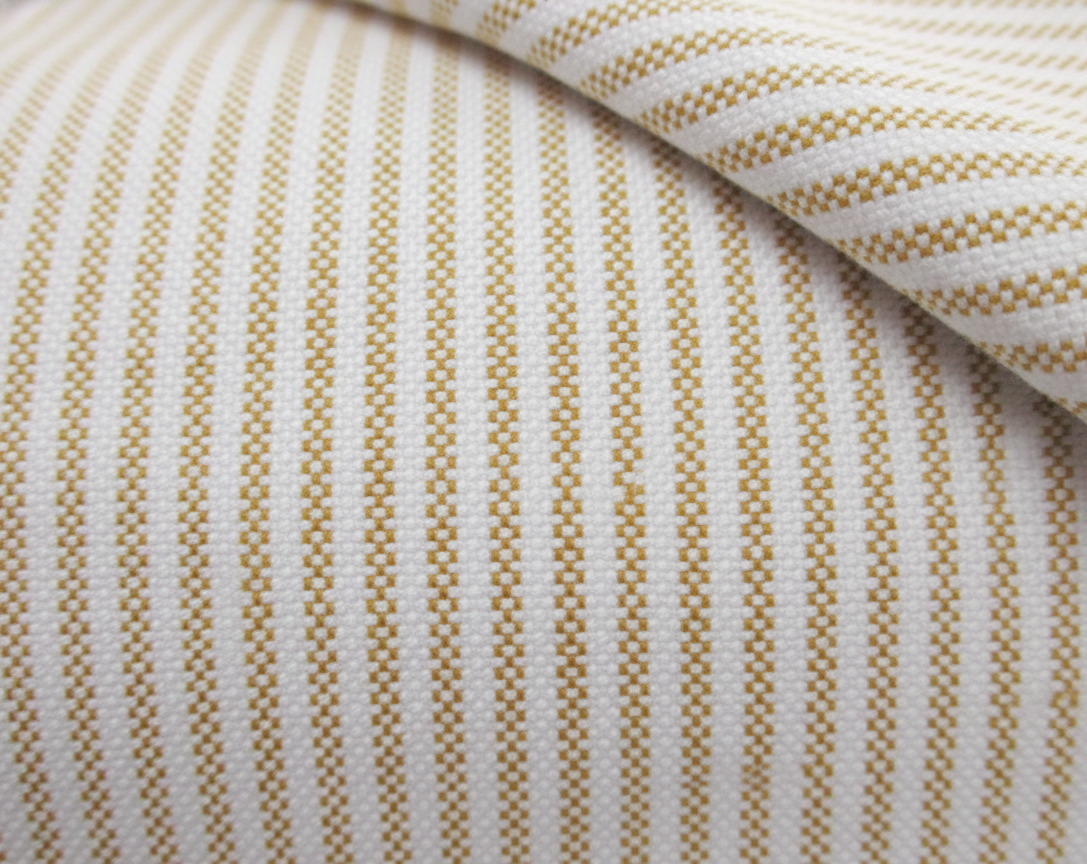
Oxford fabric has that subtle texture — not rough, just slightly raised.
It comes from a kind of basket weave, usually two warp yarns against one weft.
Key feel:
- Breathable
- Strong, but comfortable
- Easy to maintain
Used in: Shirts, blazers, casual wear
Huck‑a‑Back (Huckaback Weave)
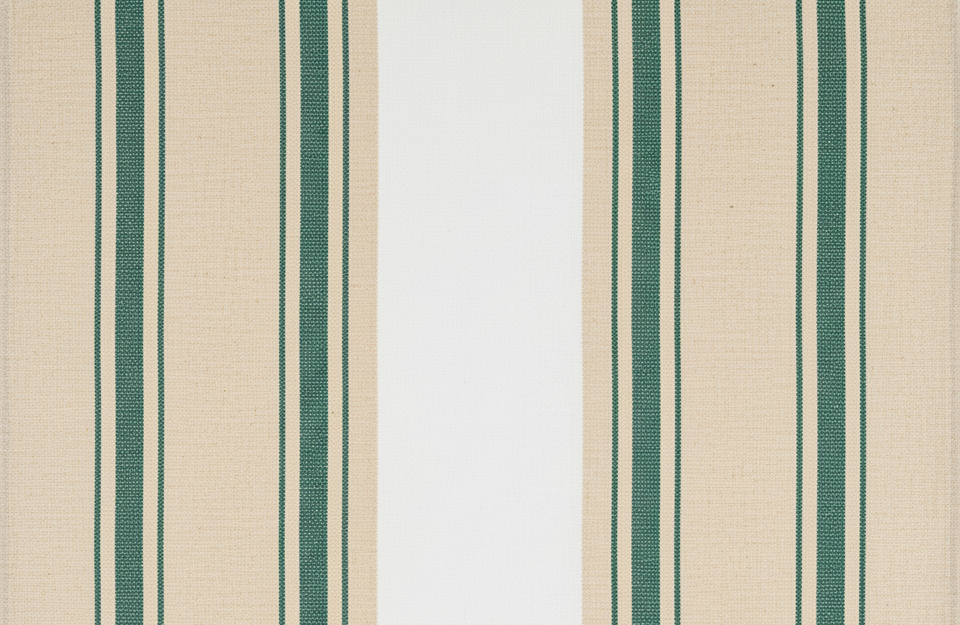
This one’s more functional than it looks at first.
The weave creates small geometric patterns — kind of like tiny diamonds or honeycombs — which actually improve absorbency.
Why it’s used:
- Highly absorbent
- Textured surface
- Holds up well in repeated washing
Used in: Towels, cleaning cloths, medical textiles
Mock Leno
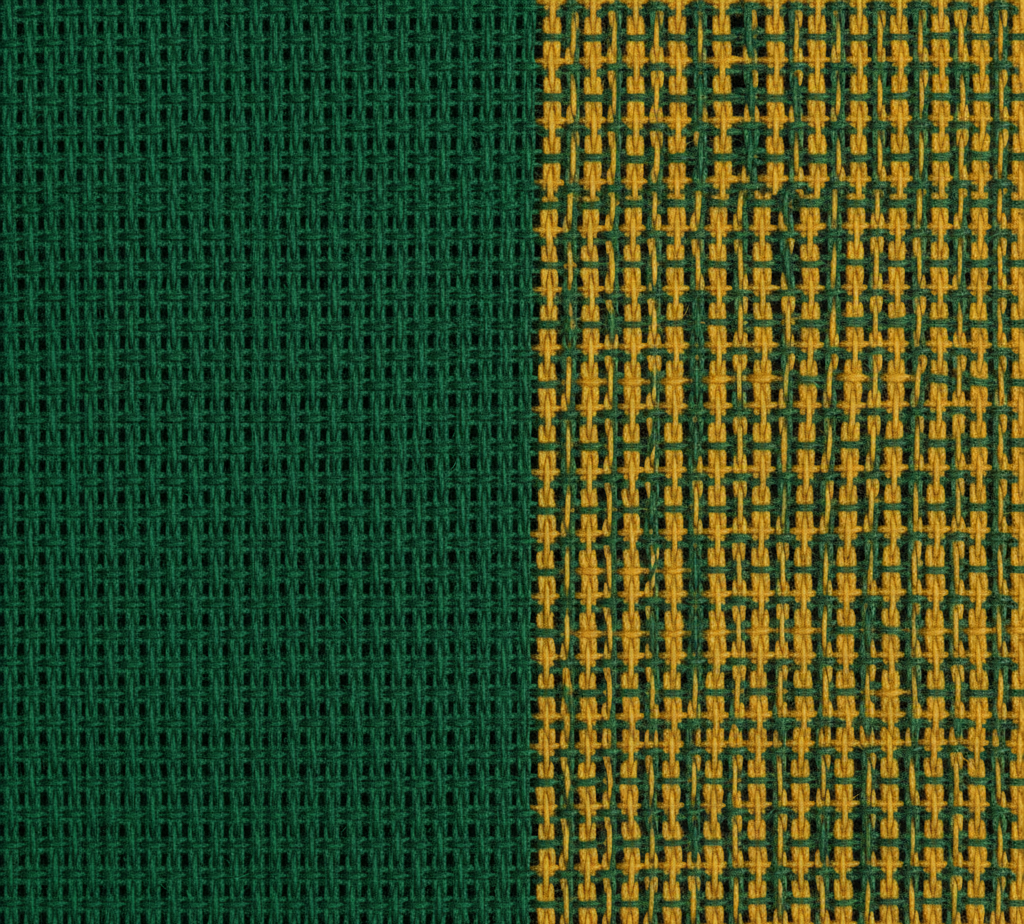
Mock leno gives that open, mesh-like look — but without the complexity of real leno weaving.
It’s created using dobby or jacquard techniques instead of twisting warp yarns.
Feels like:
- Light, breathable
- More stable than actual leno
- Functional but still decorative
Used in: Sportswear, workwear, home textiles
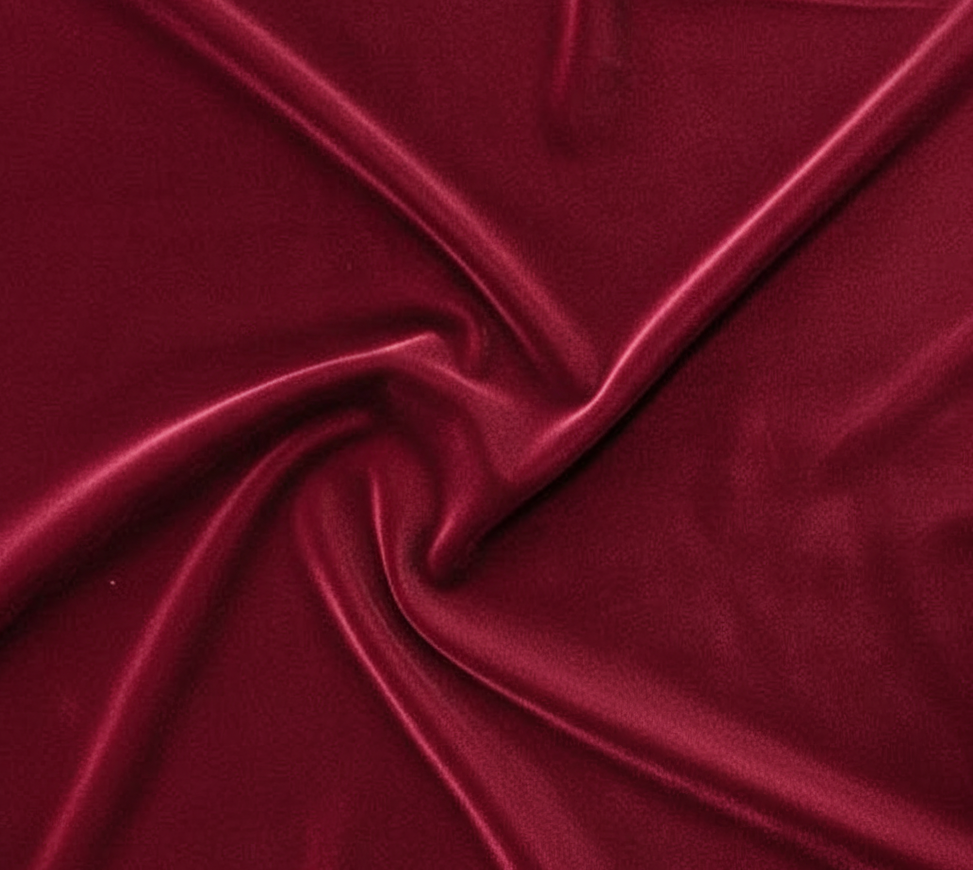
Velvet (Pile Decorative Weave)
Velvet is all about surface feel.
Extra warp yarns create a dense pile, which is cut to give that smooth, almost glossy finish.
What you notice:
- Very soft surface
- Rich, slightly shiny look
- Drapes well
Used in: Formal wear, décor, accessories
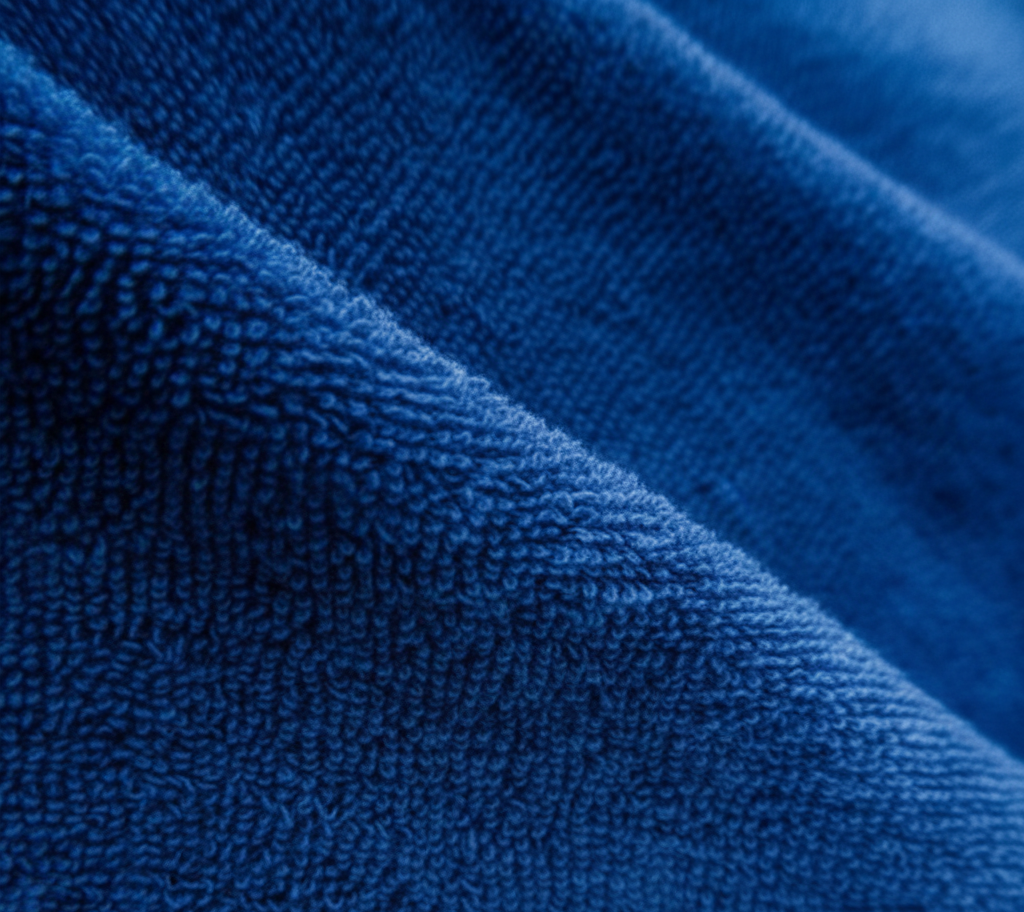
Terry (Weft Pile Decorative Weave)
Terry fabric doesn’t cut the pile — it keeps it in loops.
Those loops are what make towels so absorbent.
Key features:
- High absorbency
- Bulky and soft
- Durable
Used in: Towels, bathrobes, cleaning textiles
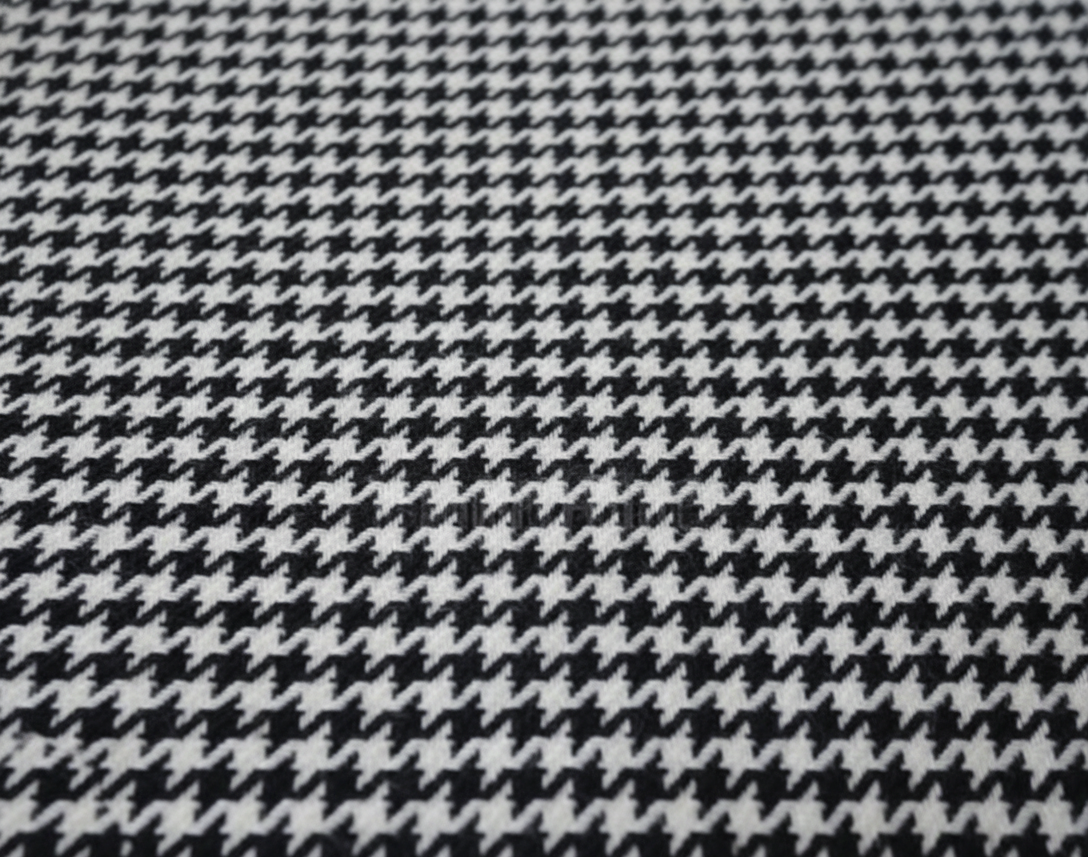
Crow’s Feet (Decorative Twill / Jacquard Pattern)
This one is more about pattern than texture.
Small, broken geometric shapes give it a bit of visual interest without being too loud.
Look & feel:
- Subtle pattern
- Decent durability
- Medium weight
Used in: Jackets, trousers, home textiles
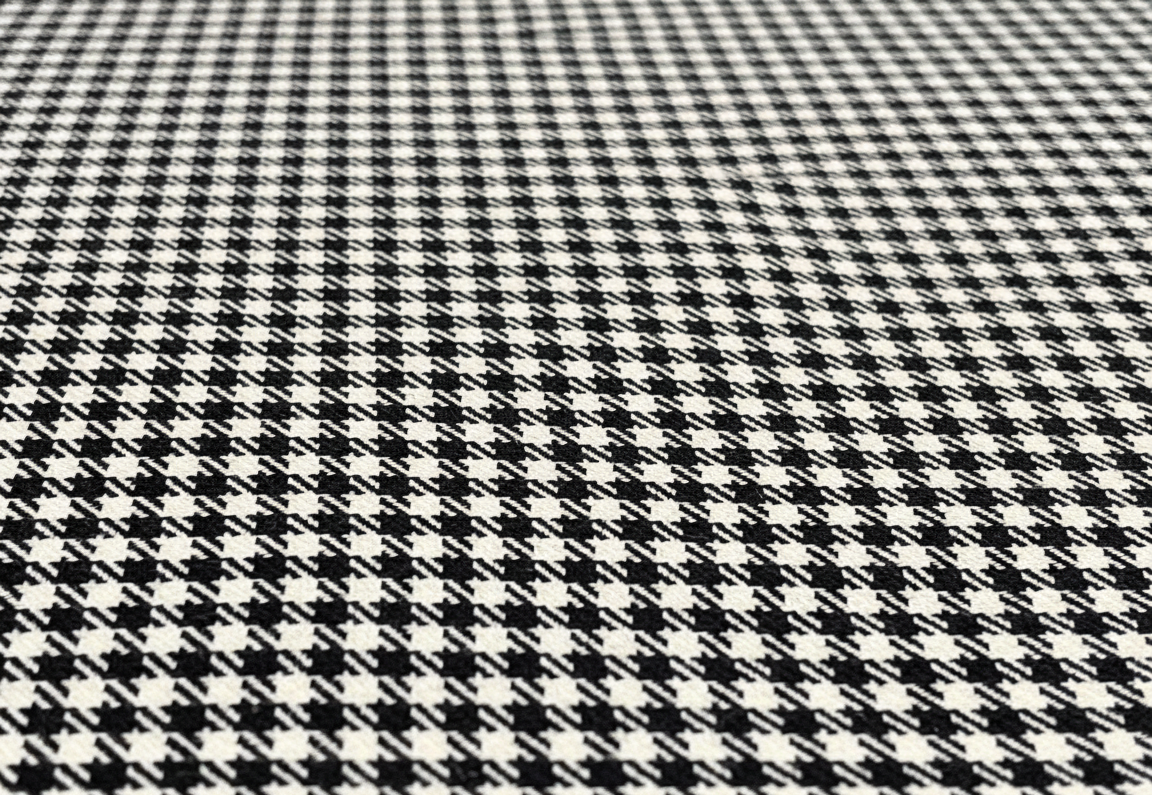
Dogtooth (Houndstooth Pattern)
More bold compared to crow’s feet.
That broken-check pattern is pretty iconic — sharp contrast, easy to spot.
Characteristics:
- Strong visual impact
- Classic style
- Firm structure
Used in: Formal fashion, outerwear, décor
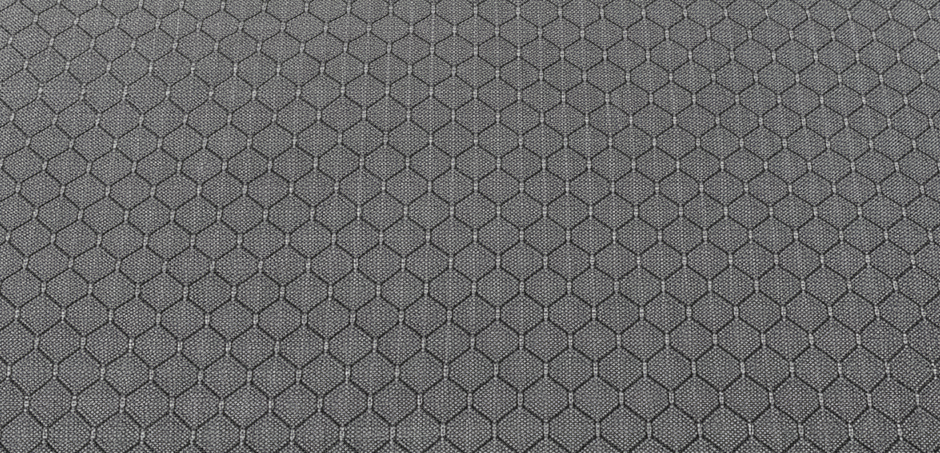
Honeycomb (Decorative Dobby Weave)
You can actually see the small “cells” in this one — like a honeycomb.
It’s not just aesthetic though, it boosts absorbency too.
What it gives:
- 3D texture
- Good durability
- Moisture handling
Used in: Towels, wipes, crafts
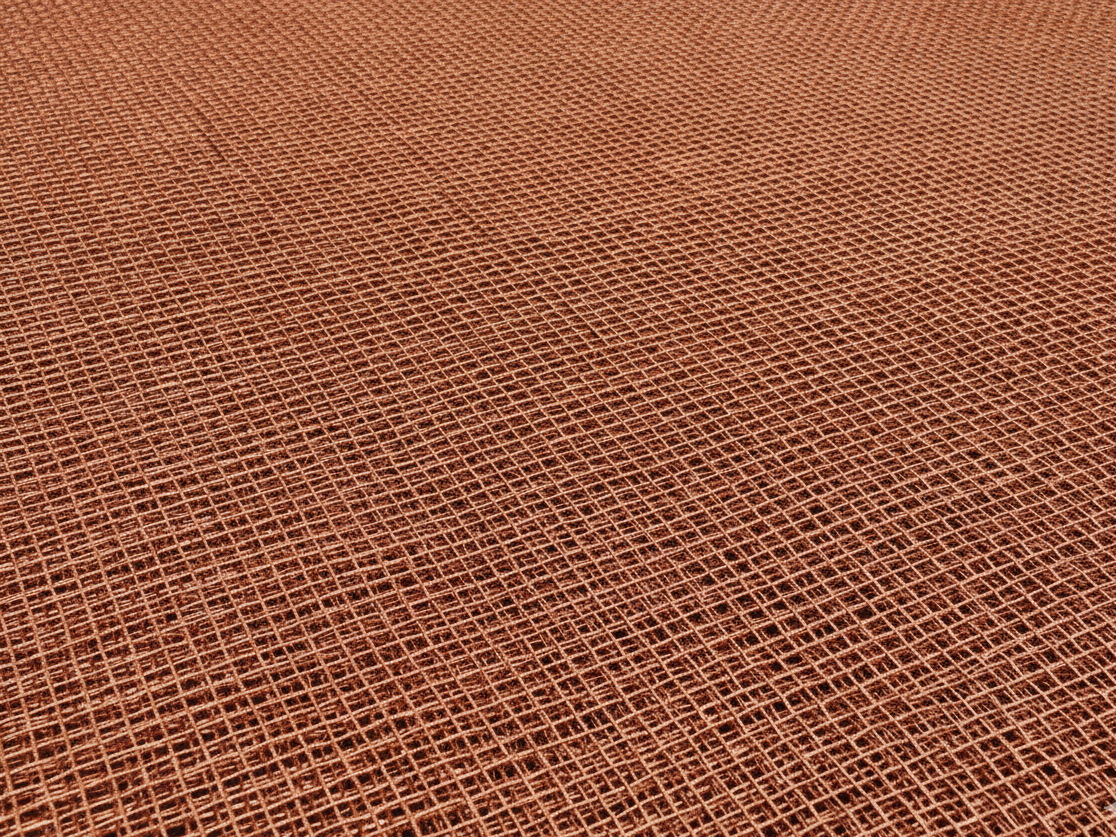
Mesh (Open Decorative Weave)
Mesh is more about openness than structure.
Yarns are spaced out intentionally to create visible holes, which improves airflow.
Main qualities:
- Very breathable
- Lightweight
- Flexible
Used in: Sportswear, linings, fashion layers
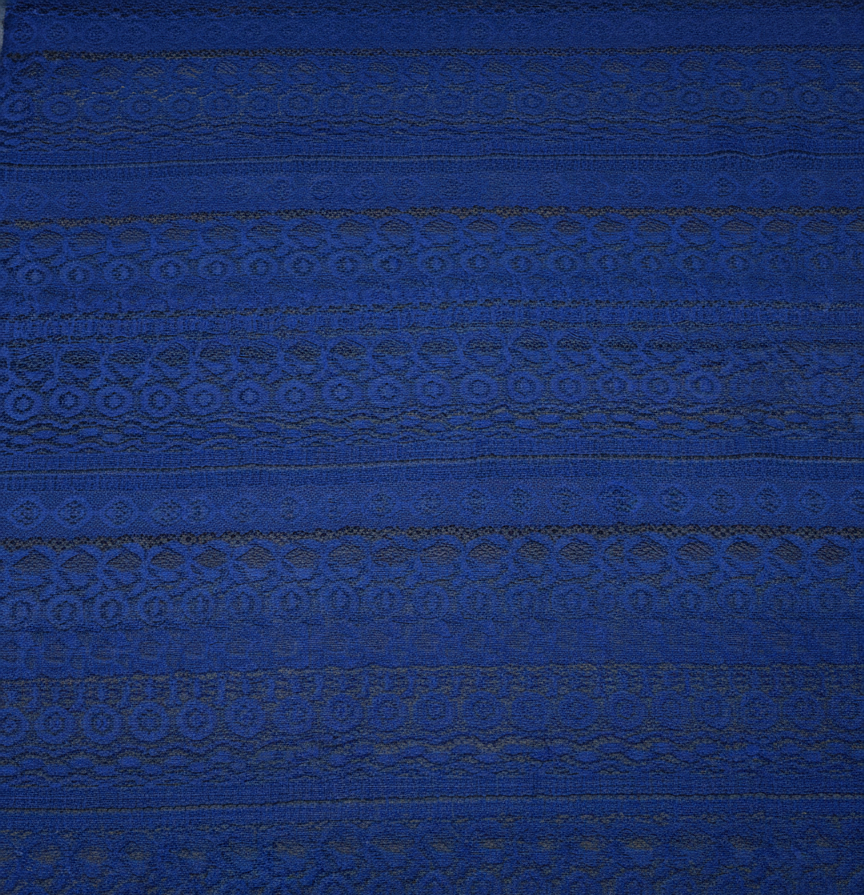
Lace (Decorative Openwork Fabric)
Lace is more delicate — almost decorative first, functional second.
Created through detailed patterns with open spaces, often quite intricate.
What stands out:
- Sheer appearance
- Fine detailing
- Lightweight feel
Used in: Lingerie, blouses, curtains
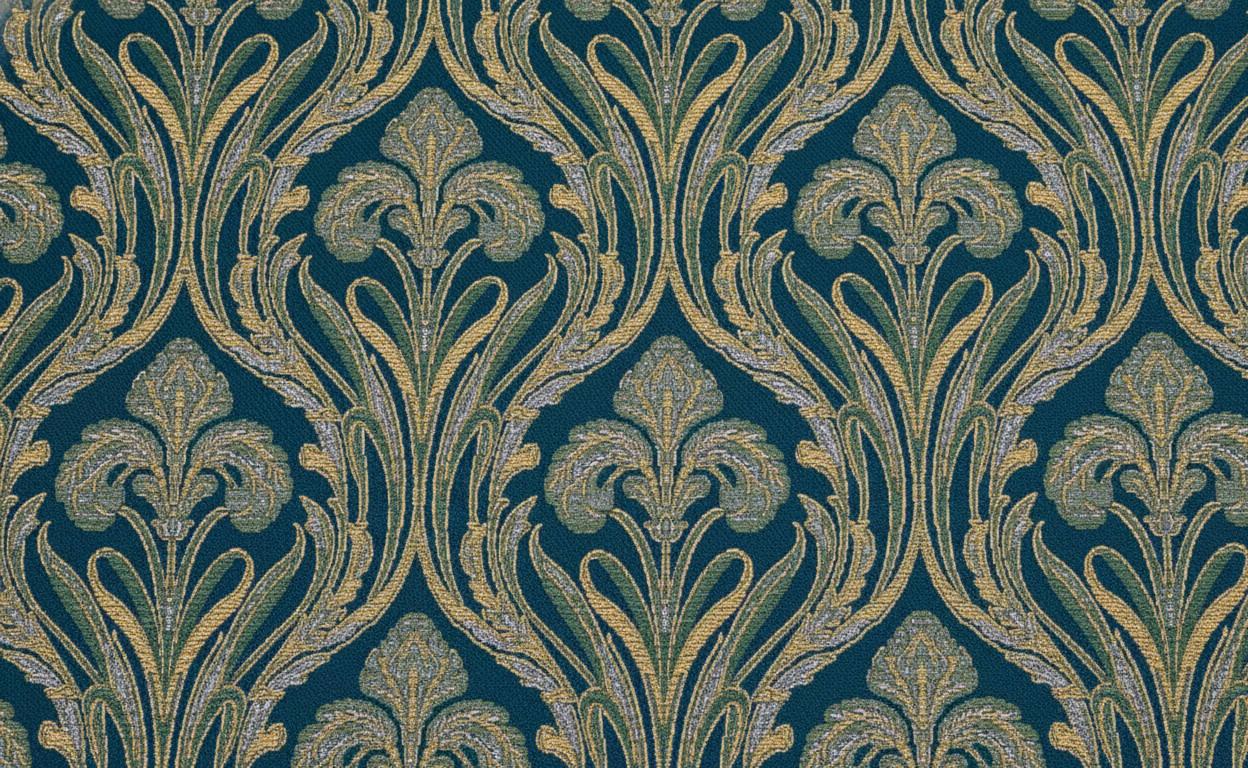
Jacquard (Decorative Patterned Weave)
Jacquard is probably the most flexible of all.
Each warp yarn is controlled individually, so you can weave complex designs directly into the fabric.
Why it’s popular:
- Detailed patterns
- Strong structure
- Works for both light and heavy fabrics
Used in: Fashion, upholstery, curtains
Final Thought
These decorative woven fabrics aren’t just about design — they change how a fabric behaves too. Texture affects comfort, airflow, durability… even how color looks on the surface.
Some are built for performance, others more for appearance. But most sit somewhere in between.
And in real production, it’s rarely just about the weave — yarn choice, GSM: , finishing… everything plays a part in what the final fabric becomes.