Twill fabrics are easy to spot. That diagonal line—once you see it, you don’t really forget it.
These twill weave derivatives all come from the same basic idea: warp and weft interlacing in a step pattern (like 2/1, 3/1). Sounds technical, but the result is pretty clear—stronger structure, better drape, and fabrics that don’t wrinkle as easily as plain weaves.
And from that one structure… a whole family of fabrics.
Let’s go through them.
Drill (3/1 Twill)
Drill is one of those fabrics that just feels tough the moment you touch it.
Construction & Structure
Usually made in a 3/1 twill, which gives those clear, bold diagonal ribs. Nothing subtle here.
- Yarn count: ~16s × 30s
- GSM: 200–400
Yarn types
Cotton, polyester, sometimes nylon.
What stands out
- Strong. Really strong.
- Good abrasion resistance
- Medium to heavy weight
- Visible twill pattern
Where it’s used
Workwear, uniforms, trousers, jackets.
Basically—places where fabric takes a beating.
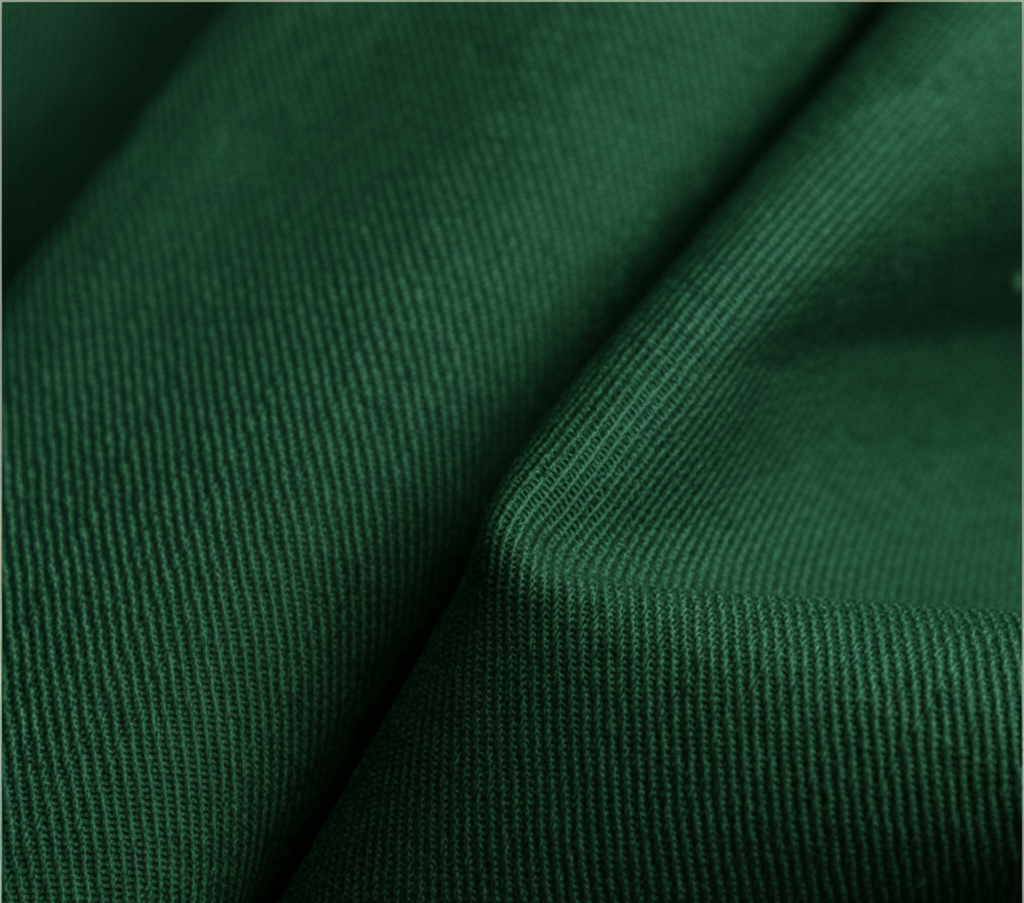
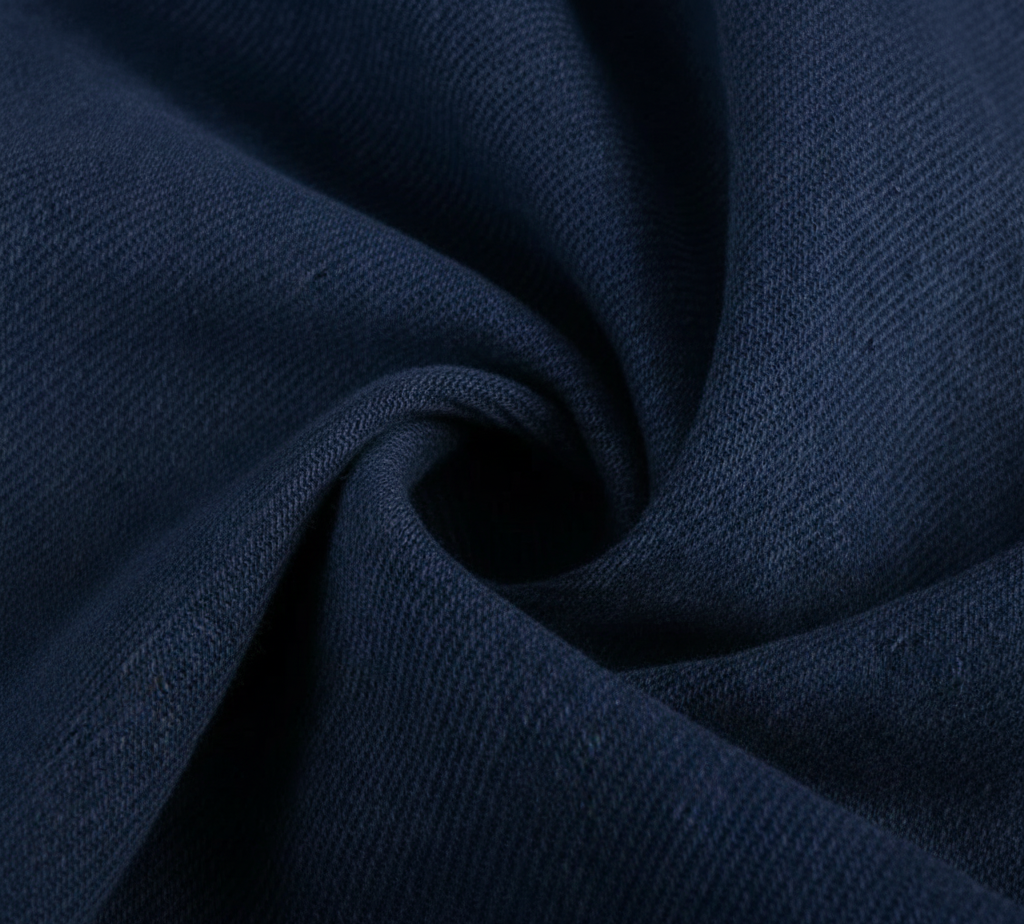
Denim / Jeans (2/1 or 3/1 Twill)
Probably the most recognizable twill fabric out there.
Denim has its own personality though.
Construction & Structure
Usually 3/1 twill (sometimes 2/1), with indigo-dyed warp and white weft. That contrast does a lot of the visual work.
- Yarn count: ~8s × 16s
- GSM: 250–350
Yarn types
Mostly cotton. Blends show up too.
Key characteristics
- High strength and durability
- That classic diagonal pattern
- Good wear resistance
- Softens over time (this part people love)
End uses
Jeans, jackets, workwear…
It ages. That’s its charm.
Gabardine
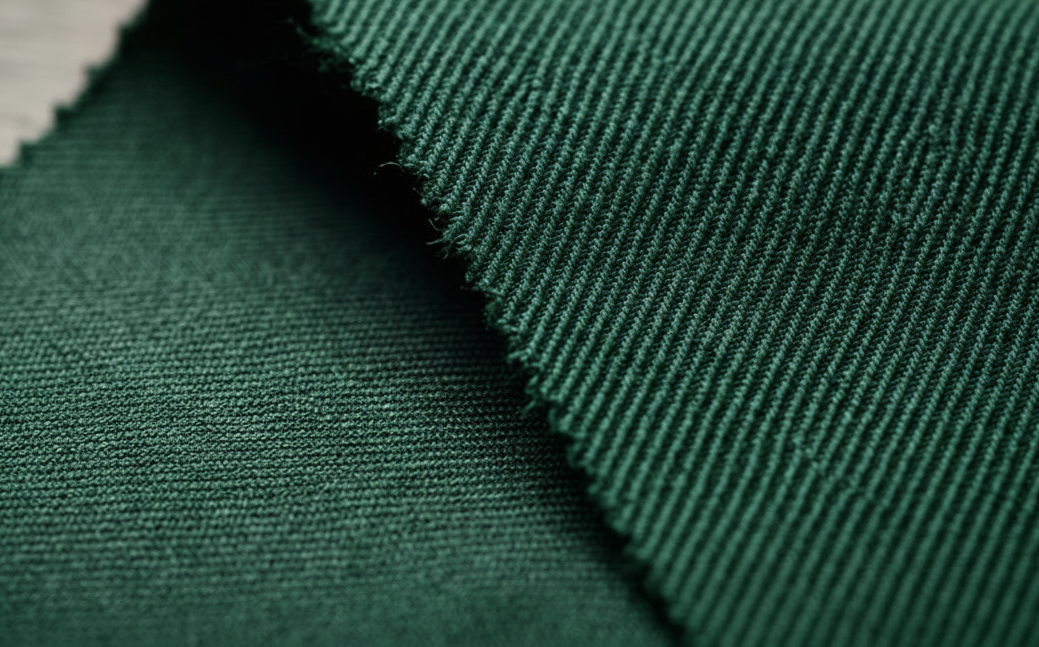
A bit more refined. Cleaner.
Construction & Structure
Tightly woven twill with steeper diagonal ribs. Usually higher EPI, finer yarns.
- Yarn count: ~20s × 30s
- GSM: 200–250
Yarn types
Wool, cotton, or synthetics.
Key characteristics
- Smooth surface
- Sharp twill lines
- Firm feel
- Good wrinkle resistance
End uses
Suits, trousers, skirts, outerwear, uniforms.
Feels structured, looks neat. That’s the idea.
Chino
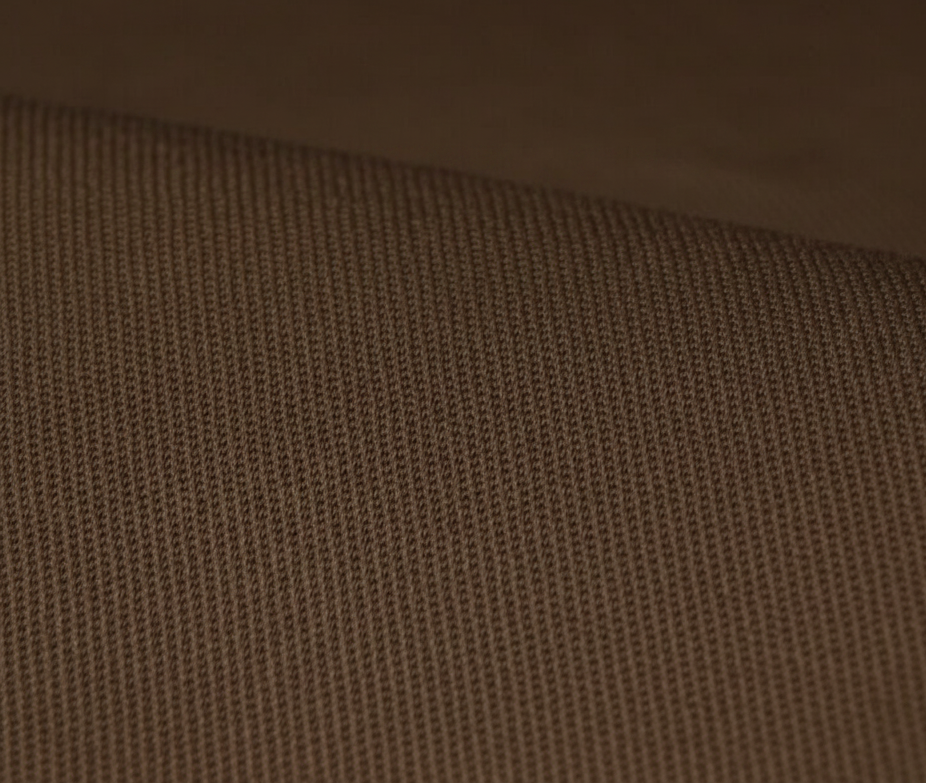
More relaxed than gabardine. Softer overall.
Construction & Structure
Light to medium twill, usually finished for a smoother hand feel.
- Yarn count: ~20s × 40s
- GSM: 200–300
Yarn types
Cotton or cotton-poly blends.
Key characteristics
- Soft touch
- Breathable
- Moderate durability
- Subtle twill lines (not too obvious)
End uses
Casual trousers, uniforms, lightweight jackets.
Easy to wear. Not too stiff, not too heavy.
Sateen (Cotton Twill Variant)
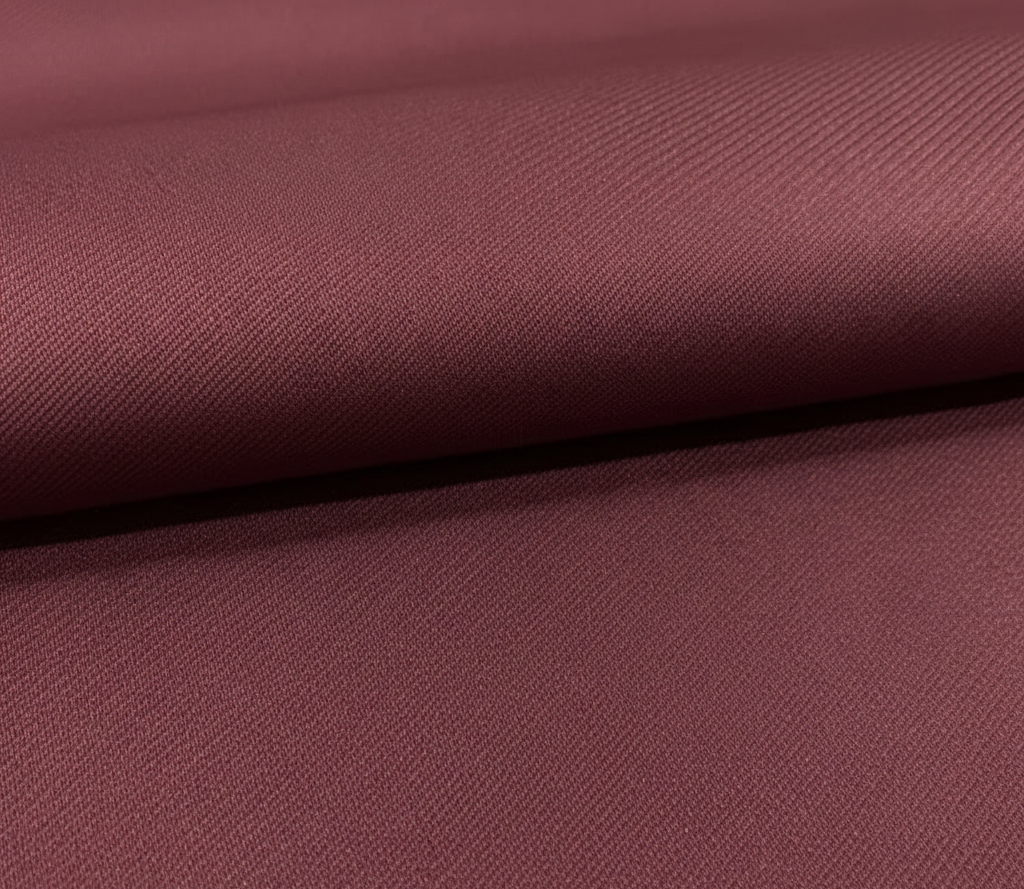
Sateen sits somewhere between twill and satin.
Construction & Structure
Modified twill where weft floats dominate the surface, so it looks smoother than standard twill.
- Yarn count: ~20s × 40s
- GSM: 180–250
Yarn types
Cotton, polyester, blends (sometimes with elastane)
Key characteristics
- Soft, smooth surface
- Better drape
- Less “visible” twill
- Moderate strength
End uses
Shirts, dresses, blouses, soft trousers.
Feels nicer on skin. That’s the selling point.
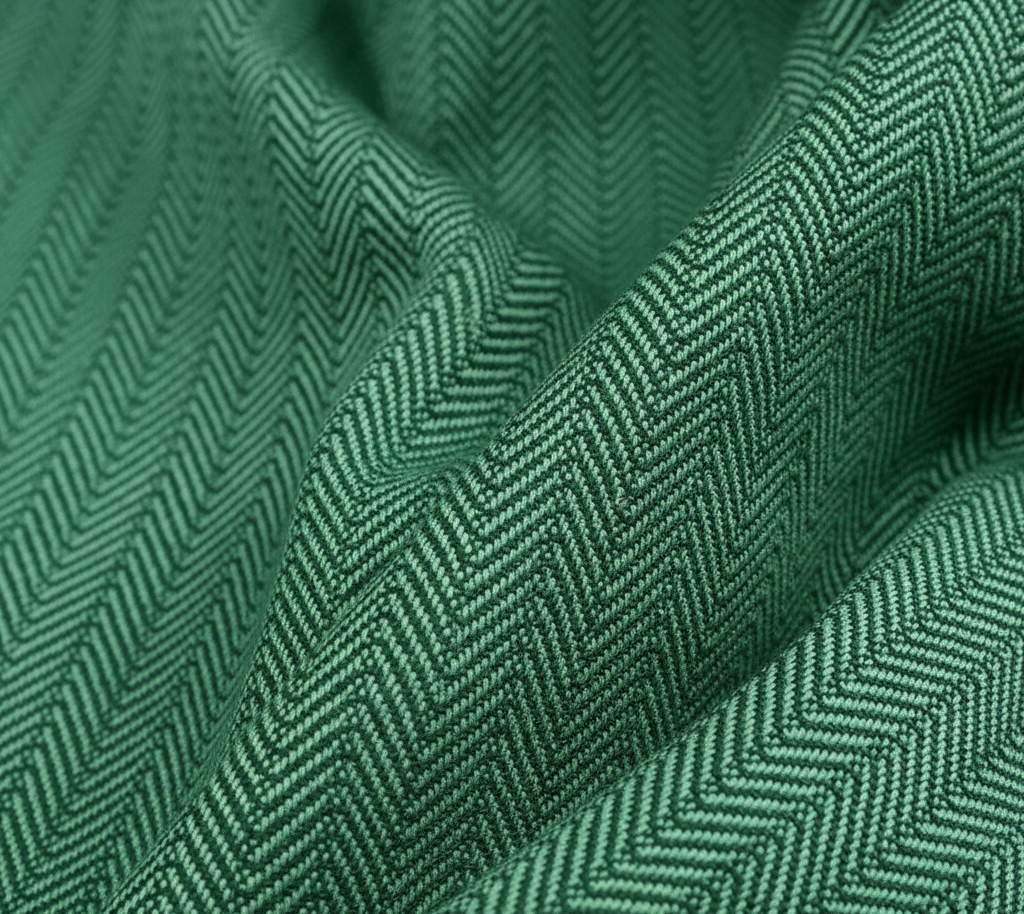
Herringbone
This one stands out immediately.
Construction & Structure
A reversed twill pattern—zigzag instead of straight diagonal.
- Yarn count: ~20s × 40s
- GSM: 200–400
Yarn types
Cotton, wool, synthetics or blends.
Key characteristics
- Distinct zigzag design
- Good durability
- Strong visual appeal
- Medium to heavy weight
End uses
Suits, coats, blazers, décor fabrics.
More about design here. But still functional.
Taslan
Now we move away from traditional feel a bit.
Construction & Structure
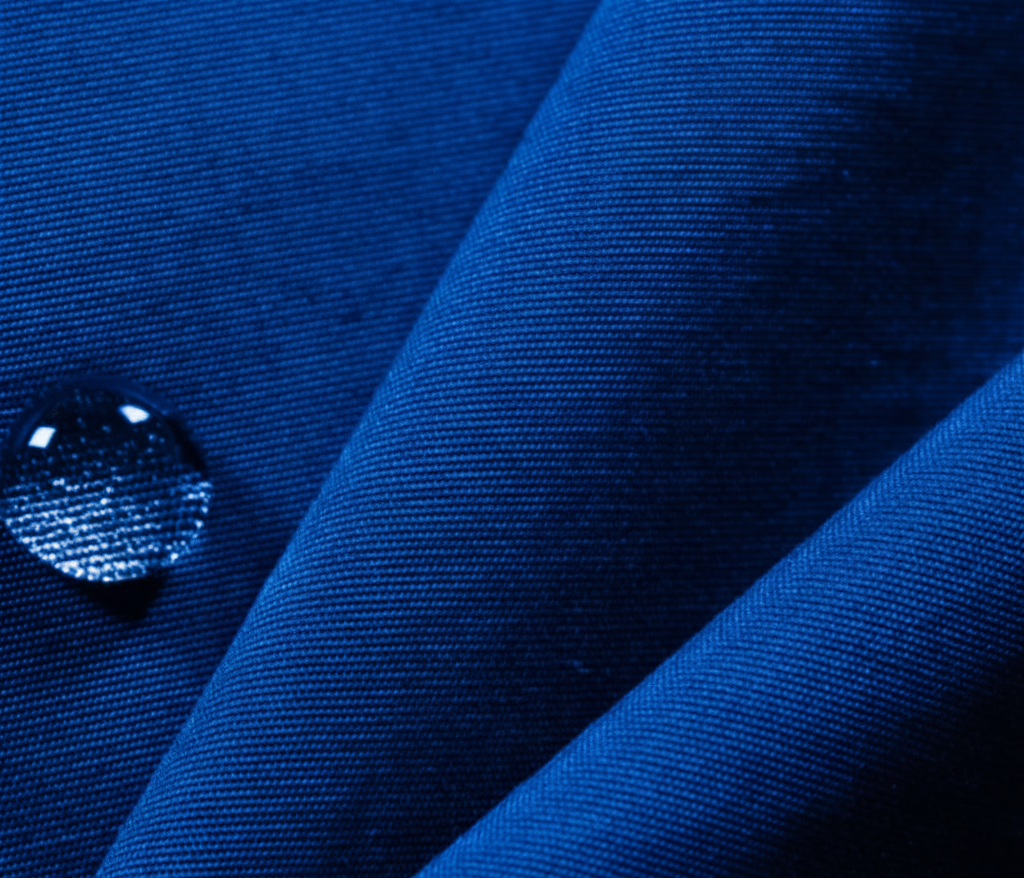
A synthetic-based twill using air-textured yarns. Designed to mimic cotton—but with performance built in.
- Yarn count: ~20s × 40s
- GSM: 30–300 (wide range)
Yarn types
Nylon or nylon-polyester blends.
Key characteristics
- Lightweight to medium weight
- Durable
- Dimensional stability
- Can be water-repellent
End uses
Jackets, sportswear, linings.
More functional. Less about tradition.
Basket (Twill-Based Variant)
This one gets a bit unconventional.
Construction & Structure
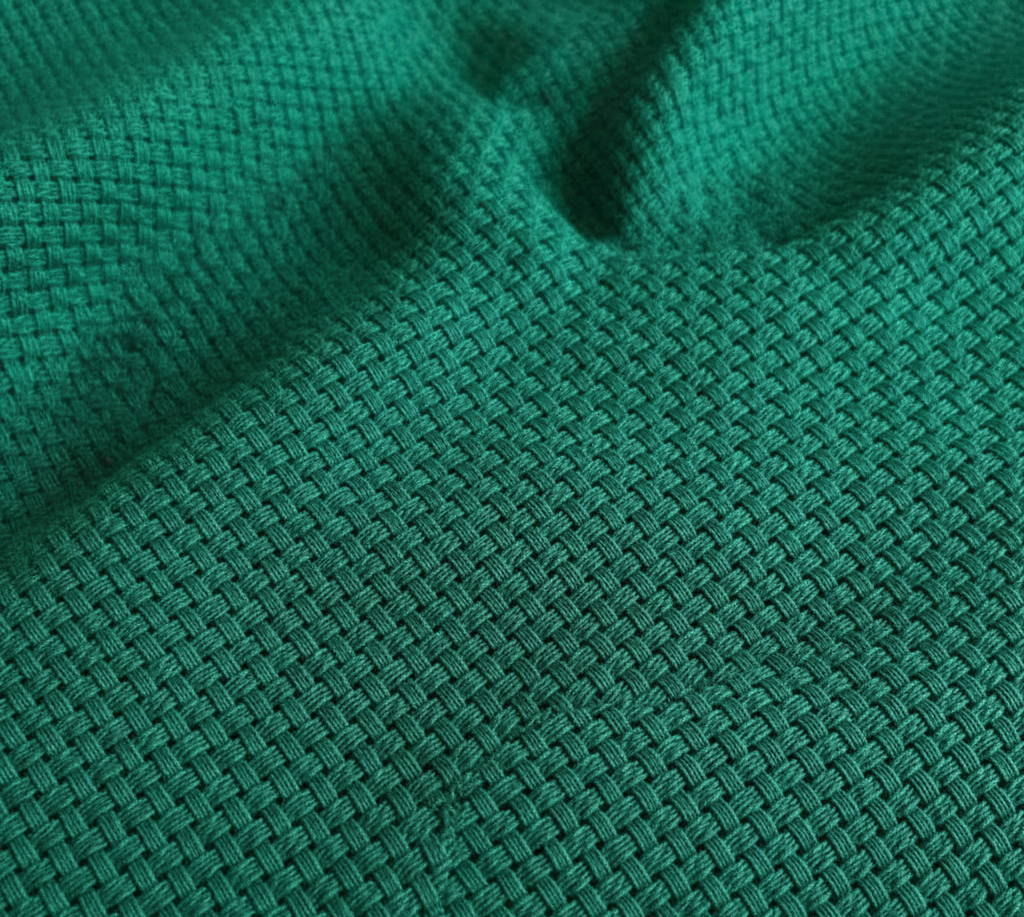
Grouped yarns—kind of a hybrid. Sometimes described as modified twill behavior with a coarse, textured look.
- Yarn count: ~20s × 40s
- GSM: 200–400
Yarn types
Cotton, synthetics, blends.
Key characteristics
- Rougher texture
- Good absorbency
- Durable build
- Heavier feel
End uses
Towels, cleaning cloths, medical textiles, crafts.
Not fashion-focused. More practical use.
Final thought (because it all connects)
All these fabrics—drill, denim, gabardine, chino—they come from the same starting point: twill weave.
But small changes in:
- Yarn count
- density
- finishing
- fiber type
…completely shift how the fabric behaves.
Stronger or softer. Smooth or textured. Casual or formal.
Same foundation. Different outcomes.
That’s the interesting part.