
Fabric

Types of Fabrics and Methods of Production: Woven, Knit, Nonwoven and Technical Textiles
Fabric is a flexible, two-dimensional material formed by interlacing, interlooping or bonding yarns or fibres. Fabrics are the foundation of …

Knitting Techniques and Stitch Calculations for Sweater and Jersey Fabric Production
Knitting is a process of inter-looping one or more yarns to form a continuous fabric structure. Unlike woven fabrics, knitting …

Knit Fabric in Textiles: Types, Properties and Applications in Apparel Manufacturing
Knit fabric is a kind of textile material which is formed by interlooping the yarns unlike Woven fabrics are formed …

Nonwoven Fabric Production: Process flows, Raw material, Spunbond, Meltblown, Spunlace and Needle‑Punched Techniques
Nonwoven fabric is a type of engineered textile material that is produced by bonding fibers directly rather than by spinning …

Woven Fabric in Textiles: Types, Properties and Applications in Apparel and Home Furnishing
Woven fabrics are constructed from two sets of yarns which are interlaced at right/certain angles to each other, the warp …

Weaving in Textiles: Weaving Techniques , Loom types and Applications
Weaving is the process of fabric formation by interlacing two sets of yarns at right angles/any angles to one another. …

Woven Plain Weave Derivatives (Common Fabrics)
Plain weave derivatives are fabrics developed from the basic plain weave structure, with variations in yarn count, twist, finishing and …

Woven Twill Weave Derivatives (Common Fabrics)
Twill weave derivatives are fabrics that are made from the twill weave structure. Twill weave is distinguished by diagonal ribs …

Decorative Woven Fabric Derivatives: Types, Techniques and Applications in Fashion and Home Textiles
Decorative woven derivatives are fabrics produced by the use of special weave effects, yarn manipulation or surface treatments to enhance …

Knit Fabric Testing & Quality Control
To ensure the consistent quality of knit fabrics, systematic testing and strict quality control measures are required. Knit fabric testing …

Defects in Woven Fabrics: Identification, Causes and Prevention Methods
A woven fabric defect is any visible or structural fault in fabric that occurs during weaving, yarn preparation or handling. …

Count vs GSM in Textiles: Understanding Yarn Count, Fabric Weight and Quality Measurement
Fabric GSM (Grams per Square Meter) is one of the most critical parameters in textile manufacturing. It directly influences fabric …

Woven Fabric Testing and Quality Control: Standards, Methods and Best Practices
Woven Fabric Testing & Quality Control (QC) is an important process in textile manufacturing to assure fabrics meet buyer requirements, …

Defects in Knit Fabrics: Identification, Causes and Quality Control Solutions
Knit fabric defects is a common quality problem occurred in knitting, dyeing, finishing or handling processes. Knitted fabrics are produced …

Knitting Gauge in knit Manufacturing: Importance, Measurement and Applications
In knitting , gauge is the number of needles/wales per inch of the needle bed . It is a measure …

AI-Powered Fabric Inspection: How Textile Manufacturers Improve Quality and Reduce Defects
AI is changing the way textile factories check fabric quality. Using cameras and smart software, AI can quickly find defects …
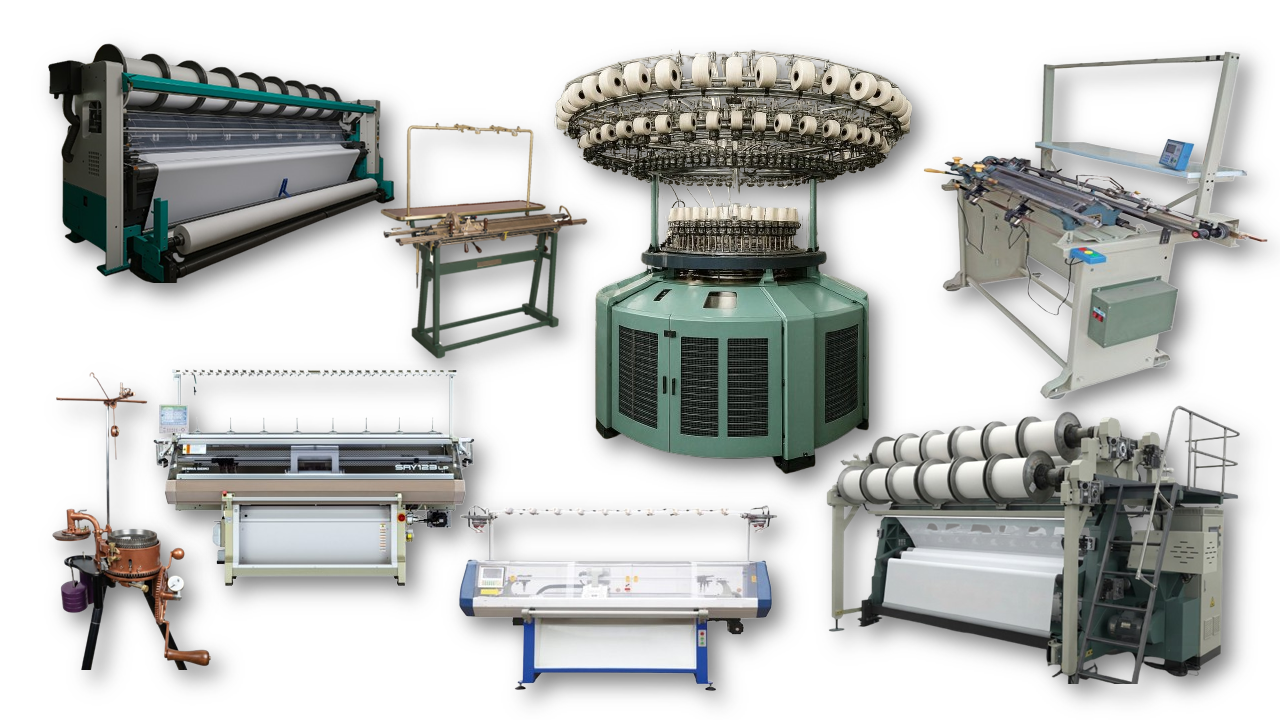
Types of Knitting Machines: Complete Guide to Industrial & Textile Knitting Machines
Knitting machines are the backbone of modern textile manufacturing, transforming yarn into fabric with speed, precision, and consistency. From simple …