Yarn in Textiles: Definition, Types and Applications in Knitting and Weaving
9 min read
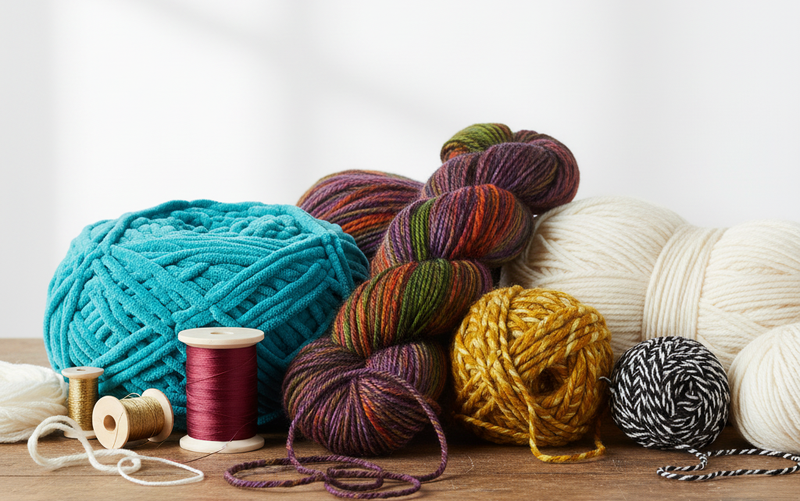
Yarn is the basic component of textile manufacturing and provides the foundation of fabrics in apparel, home furnishings and technical products. It is a continuous filament of fibers, carefully spun and engineered to meet specific performance, quality and aesthetic requirements.
Yarn is critical in shaping how fabrics look, feel and perform, from age-old handcrafts to the latest industrial manufacturing.
Yarn is made by twisting or spinningfibers together to create strength, flexibility and uniformity. It is the primary input for fabric construction methods such as weaving, knitting, crocheting and braiding.
Yarn characteristics such as thickness, twist and fiber composition have direct effects on durability, comfort and appearance of fabric
Thread
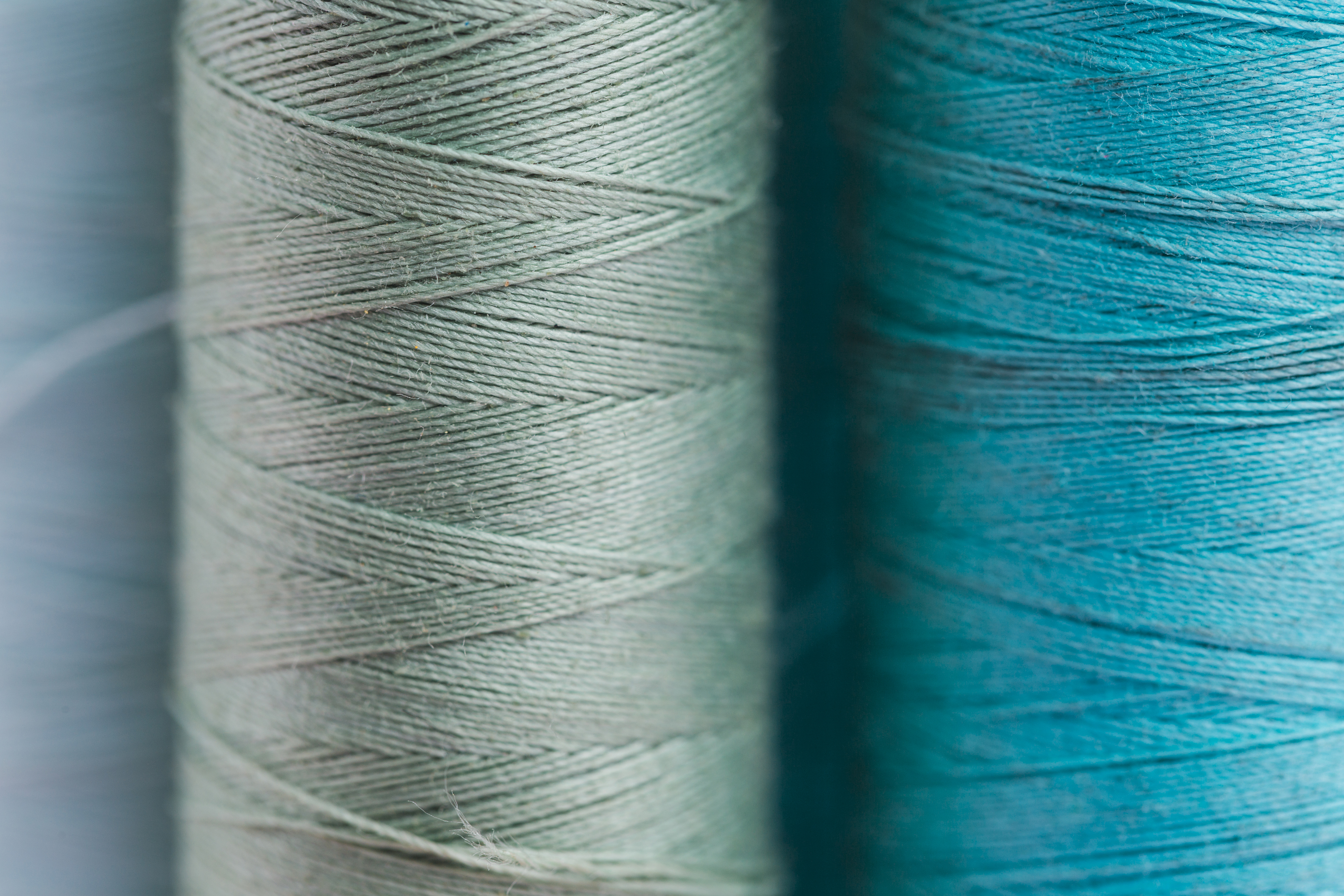
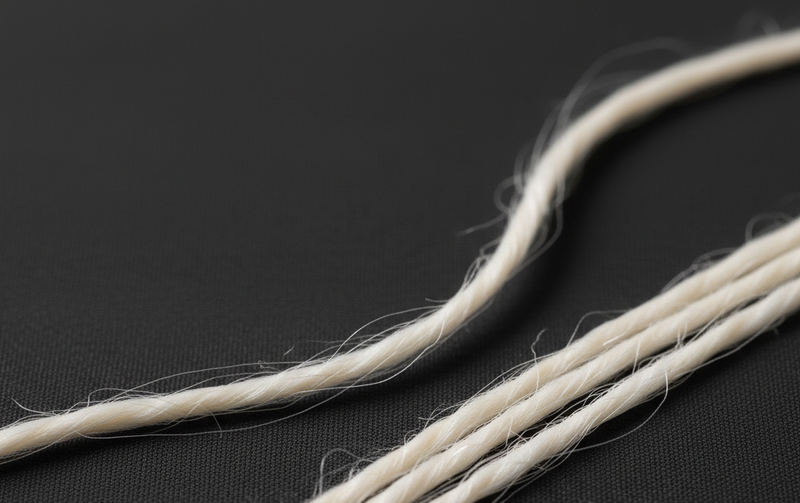
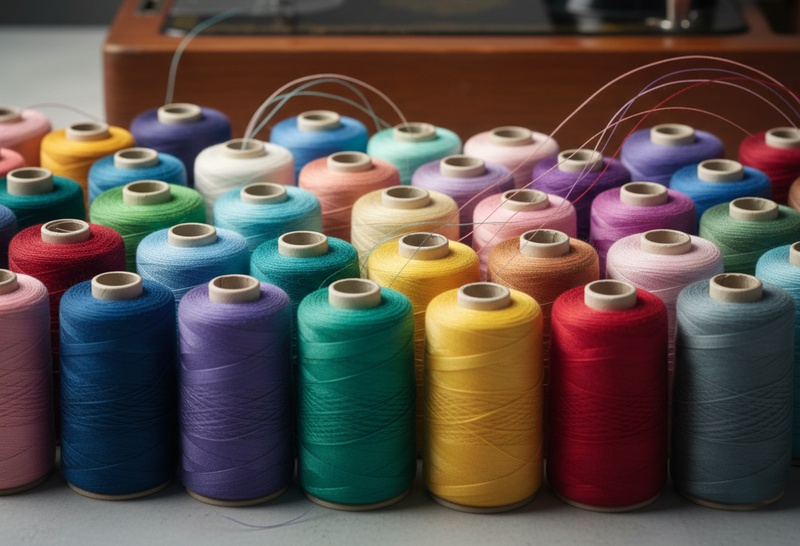
A thread is a long piece of fibre made of different materials and is mostly used in sewing. Cotton, nylon, silk, polyester, rayon or wool can be used; therefore a thread is always a yarn but a yarn may not always be thread
Thread
How Yarn Is Made
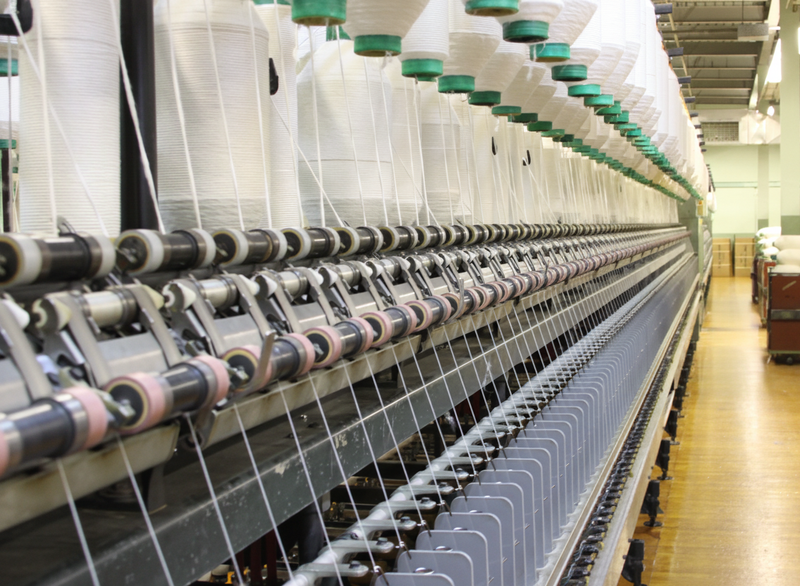
Yarn is the basic building block of all textile fabrics and its quality directly affects the performance and appearance of the final product. The process of making yarn involves transforming loose fibers into a strong, continuous strand. This is done through a sequence of steps where fibers are first collected, then aligned and finally twisted together.
Initially, fibers—either natural or man-made—are gathered and processed through carding or combing to align them in a parallel form. This alignment improves uniformity and removes impurities. After that, the fibres are spun and twisted together, which binds them into a cohesive yarn with sufficient strength. The twisting process plays a key role, as it increases both durability and resistance to breakage.
Yarn is commonly classified based on the type of fibre from which it is made. This classification is important because the fibre content directly affects the comfort, performance, durability and overall feel of the final fabric. Broadly, yarns are divided into two main categories: natural fibre yarns and man-made fibre yarns, each offering its own set of advantages.
Natural Fibre Yarns
Natural fibre yarns are made from fibres obtained from plants or animals. These yarns are widely preferred for their comfort, breathability and eco-friendly nature. They are especially popular in garments that are worn directly on the skin, as they provide a soft and natural feel.
Common types include:
Cotton yarn
Wool yarn
Silk yarn
Linen yarn
Key features include:
Breathable and comfortable for everyday wear
Smooth, soft and skin-friendly feel
Derived from renewable sources
More environmentally friendly compared to synthetics
Man-made fibre yarns are produced through chemical and industrial processes. These yarns are engineered to provide high strength, durability and easy maintenance, making them ideal for modern apparel and performance fabrics.
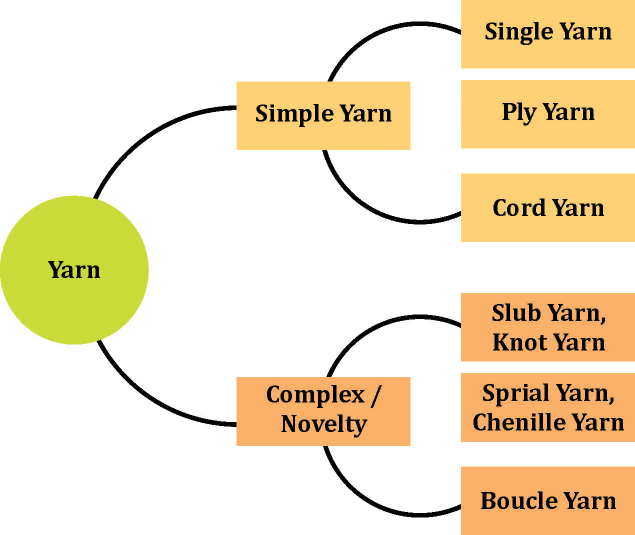
Yarns can also be classified based on how they are constructed, which affects their strength and performance.
Single yarn: Made from one strand of fibers
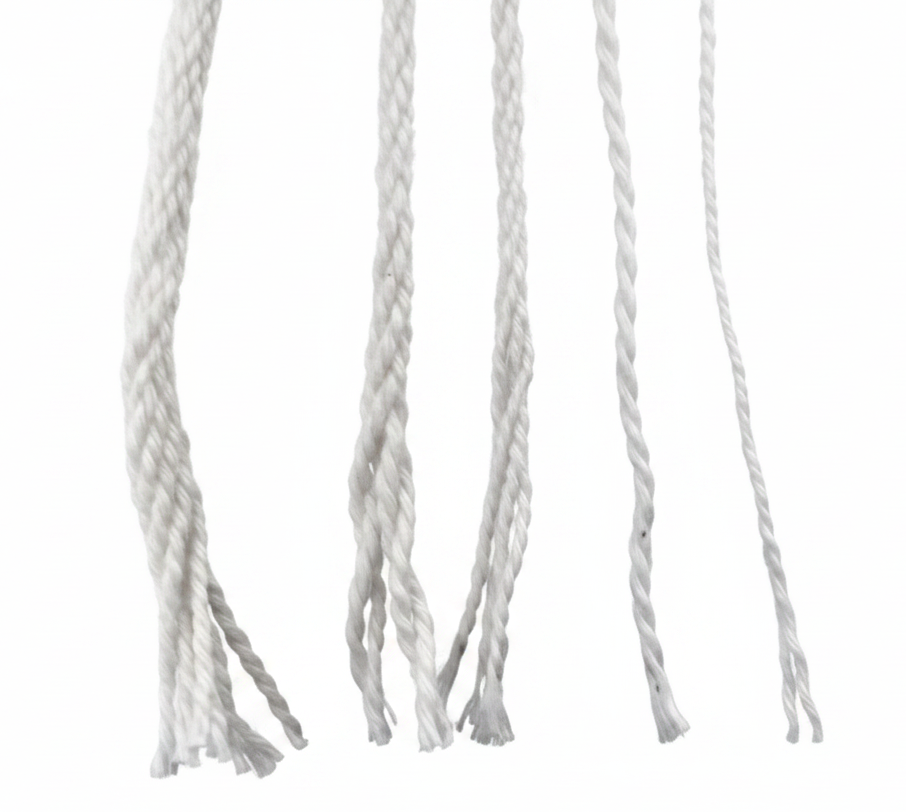
Ply yarn: Two or more single yarns twisted together
Cable yarn: Ply yarns twisted again for extra strength
This structure helps control thickness, durability and appearance.
Yarn Based on Spinning Method
The spinning method influences the smoothness and quality of yarn.
Carded yarn: Slightly rough and less uniform; used for coarse or basic fabrics
Combed yarn: Fibres are more aligned and refined, producing smoother and finer yarn
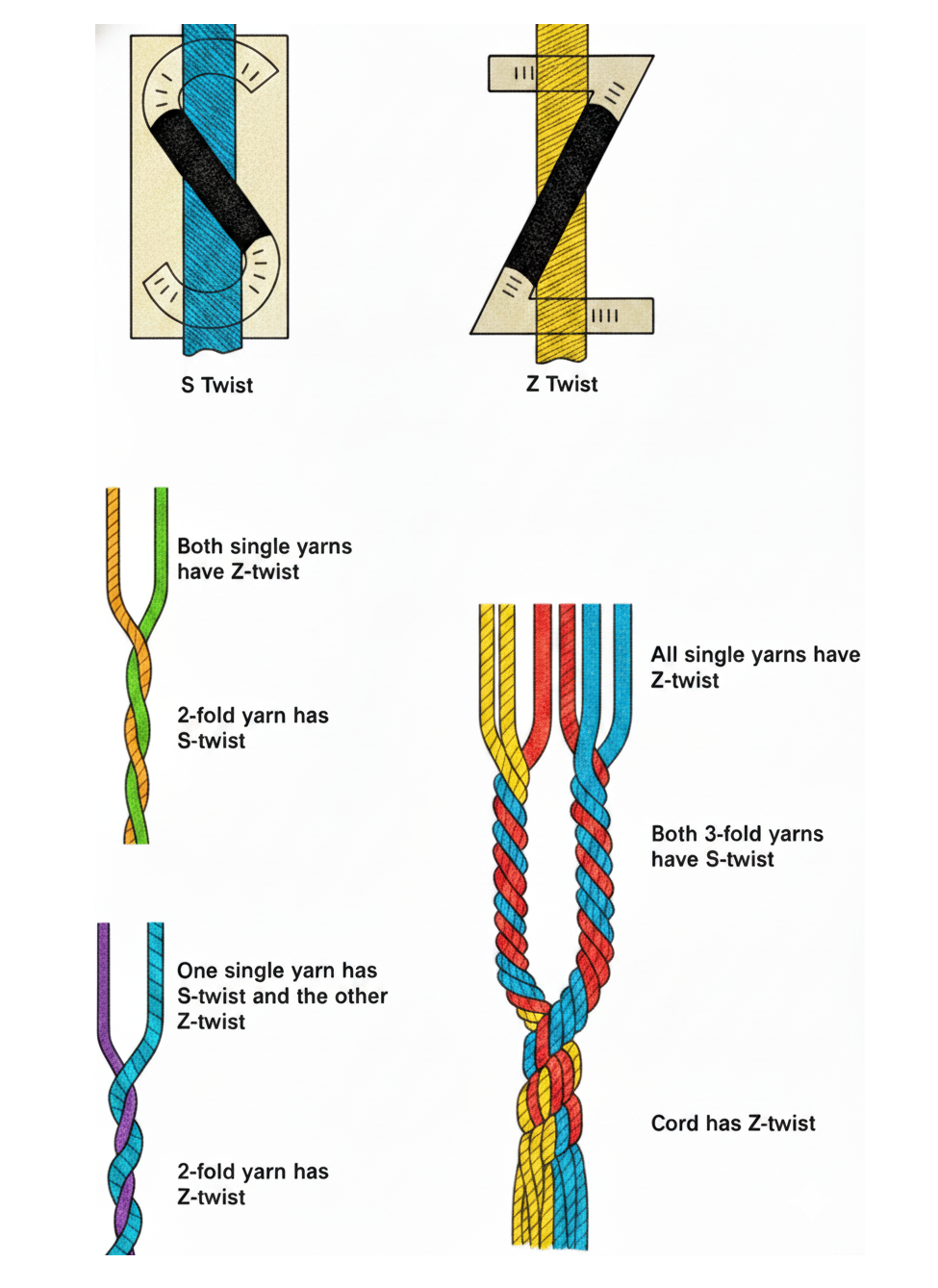
Yarn Based on Twist Direction
The direction in which yarn is twisted also affects its behavior and compatibility in fabric formation.
S-twist yarn
Z-twist yarn
These twist directions are important for balancing yarns in weaving and knitting processes.
S-twist yarn, Z-twist yarn
Yarn Based on Texture
Yarns can also be categorized based on their surface appearance and decorative effect.
Smooth yarn: Uniform surface and clean appearance
Fancy or novelty yarn: Designed for decorative and textured effects
Novelty Yarn
Novelty yarns are specially designed yarns that create decorative effects by introducing irregularities at controlled intervals. These variations may be achieved by changing the twist, thickness or by combining yarns of different sizes and textures.
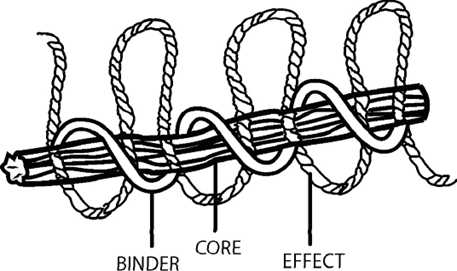
A typical novelty yarn is made up of three components:
Core: Provides strength and structure
Effect: Creates the decorative surface design
Binder: Holds the structure together if needed
Novelty Yarn
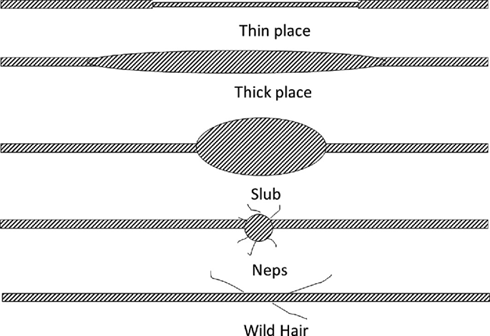
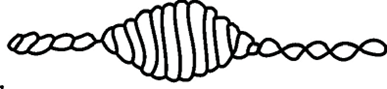
Thin_Thick & Slub Neps
Thin_Thick & Slub Neps
Thin Place : >50% Narrower than normal dia Thick Place : <50% wider than normal dia
Common examples of novelty yarns include:
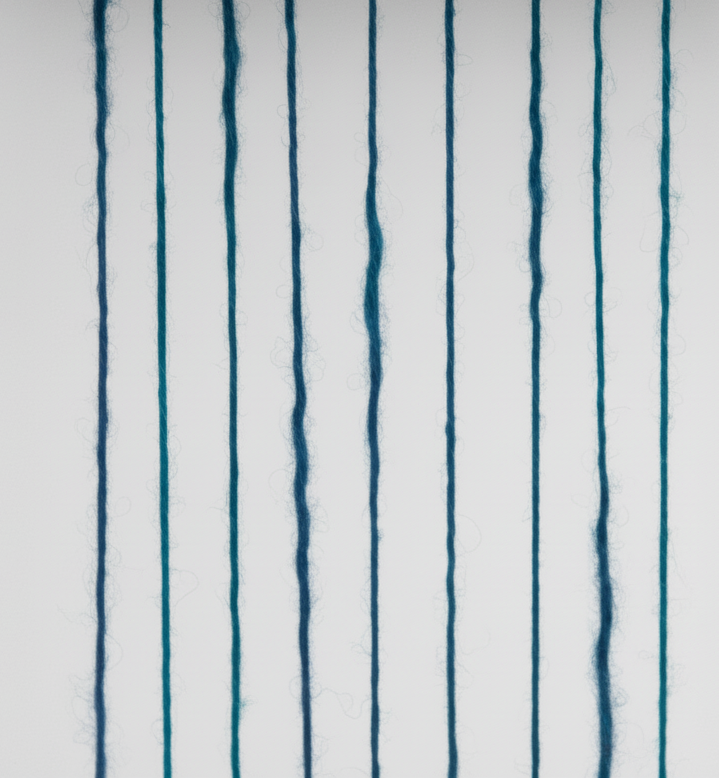
Slub yarns
Slub yarns are produced by purposely varying the amount of fiber fed during spinning. This controlled variation causes uneven yarn thickness, which results in visible texture and subtle patterns when woven or knitted into fabric.
Originally considered defects in hand-spun yarns, slub effects are today a designed feature and widely used in fashion and home textiles.
Slub yarns Slub yarns
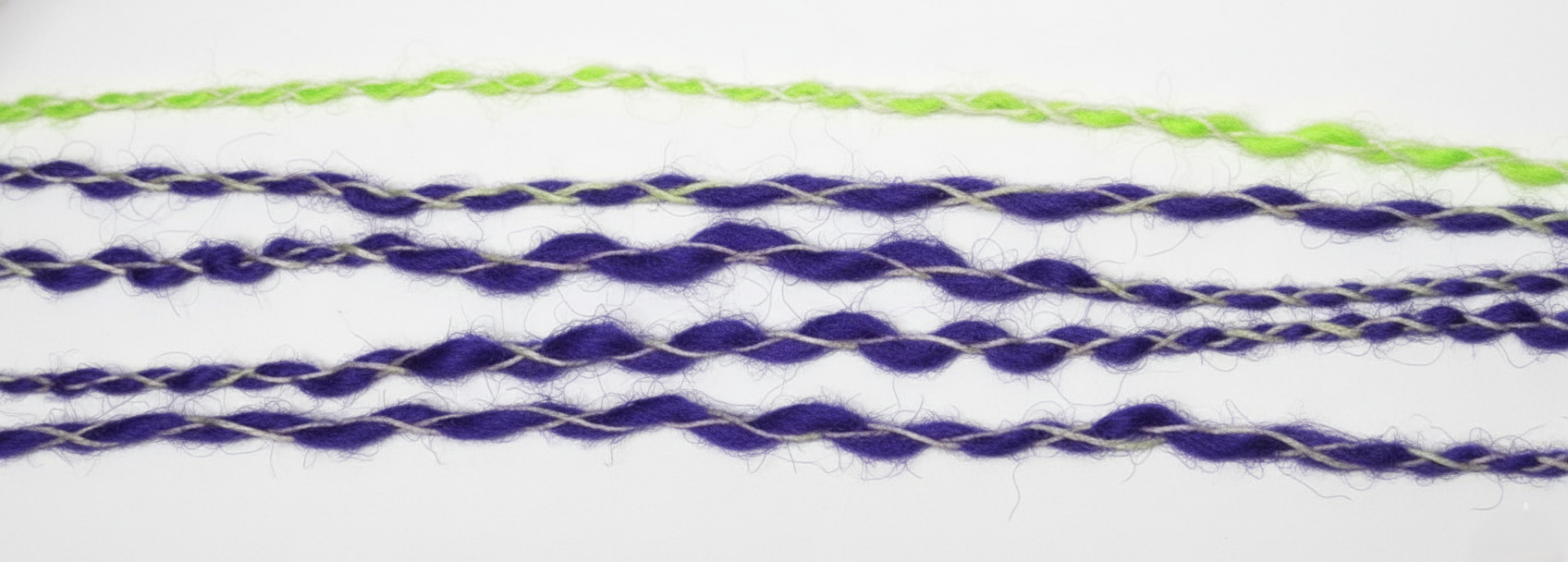
Spiral yarns
A spiral yarn is made by twisting two or more yarns of different thicknesses, colors or materials together, normally with a heavier yarn spiraling around a finer core yarn. The wrapping yarn is visible on the surface of the fabric as a spiral along the length of the yarn.
Spiral yarns are deliberately uneven and are often used to produce decorative effects on the surface without complicated fabric constructions.
Spiral yarns
Spiral yarns
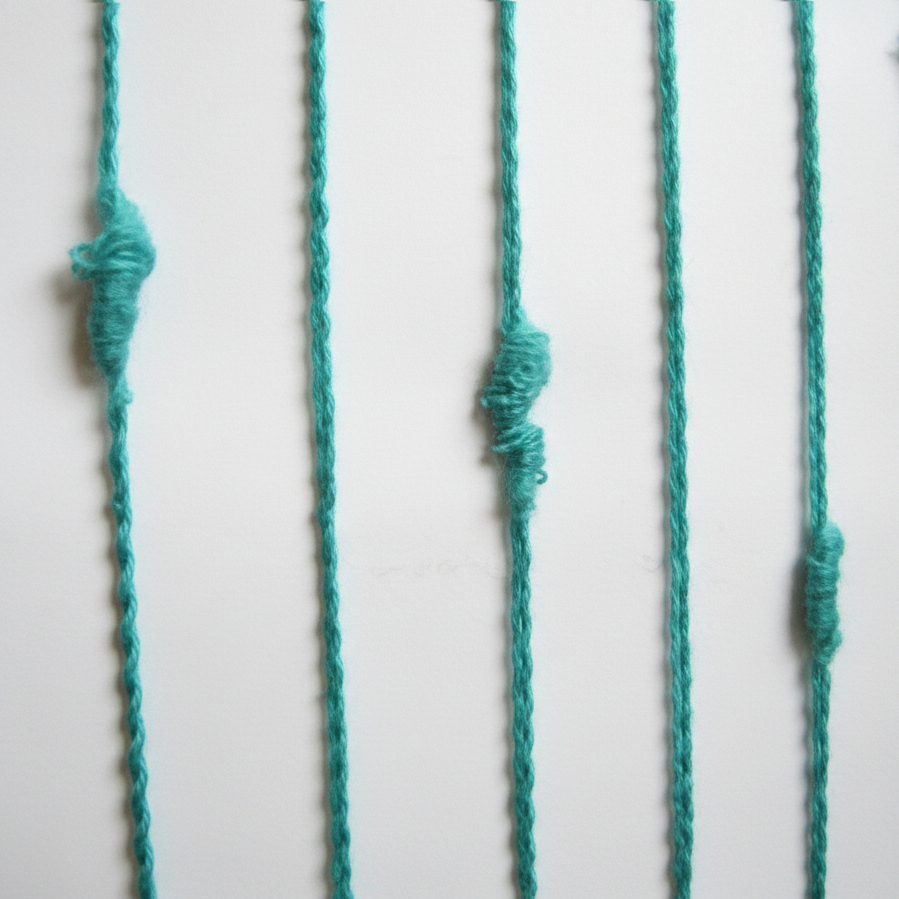
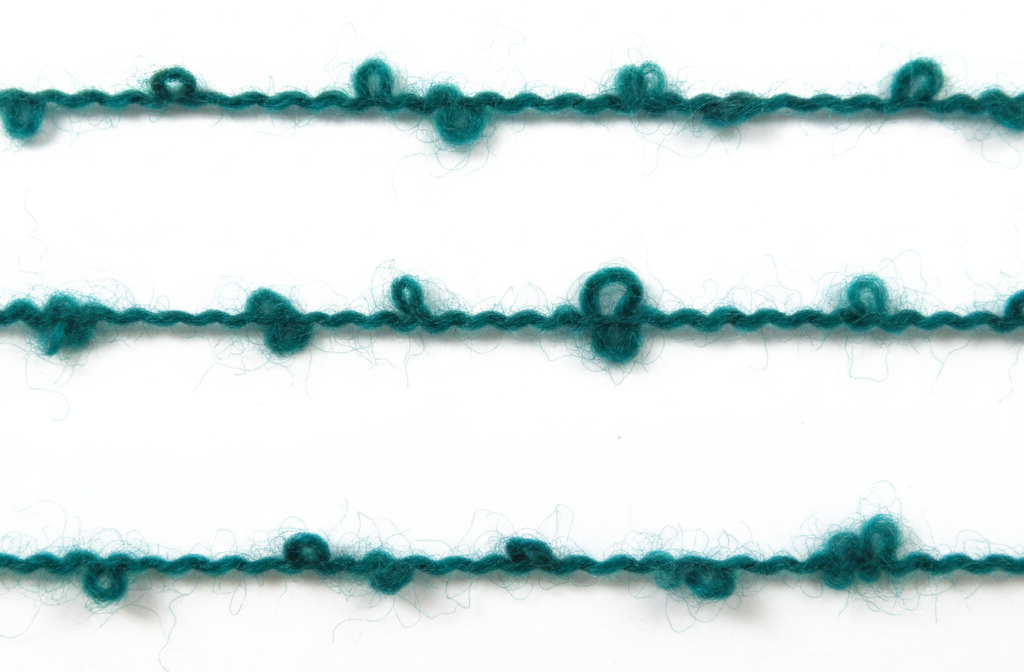
Nub, Knot or Spot yarn
Nub yarns are characterized by small to large collections of fibers that are twisted or wrapped around a core yarn. These clusters (nubs or knots) are visible as round, dot-like or irregular projections on the surface of the yarn and on the face of the fabric. These knots were once considered flaws in the spinning, but in contemporary textile design they are intentionally introduced to give the fabric texture, contrast and visual interest.
Nub, Knot or Spot yarn Nub, Knot or Spot yarn
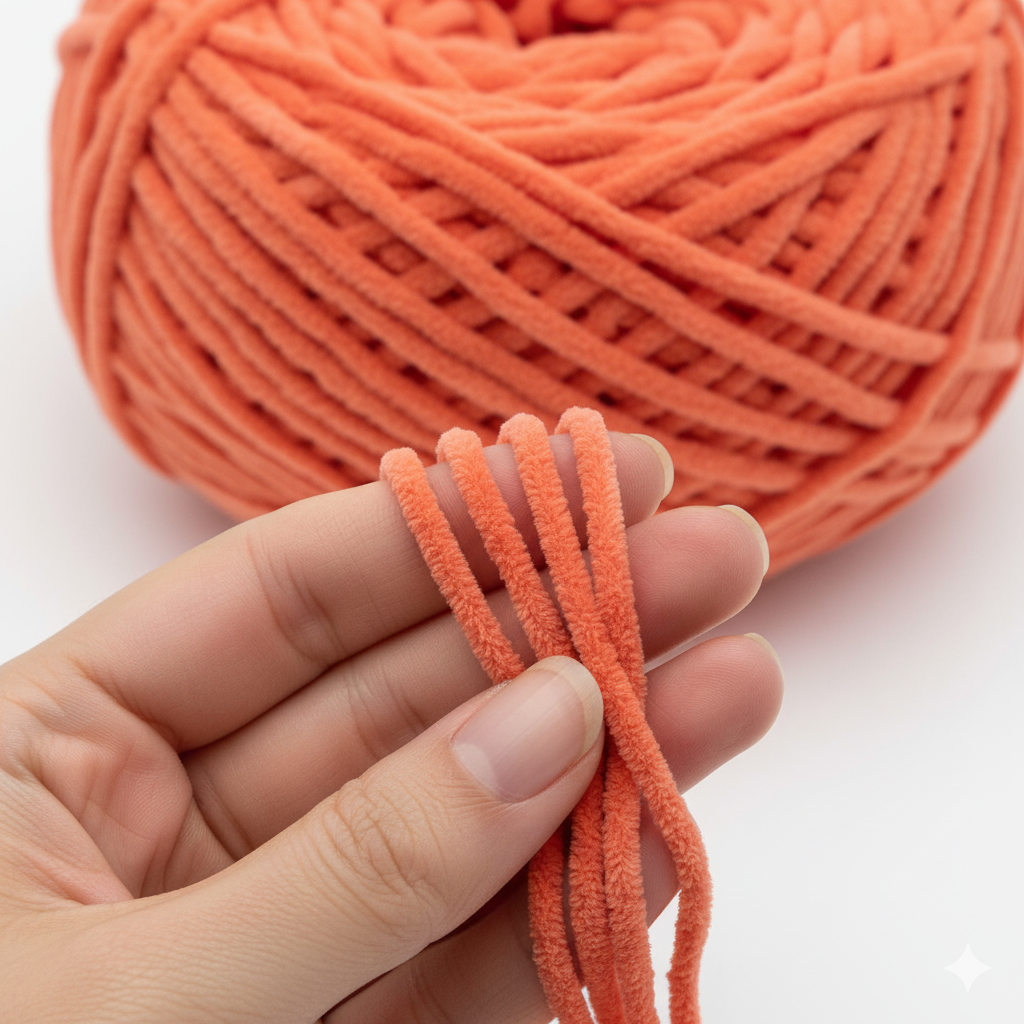
Chenille yarn
Chenille yarn is made by putting short lengths of fibers (pile) between two core yarns that are twisted together. The pile fibers stick out all around the yarn and give it a smooth, dense and velvet-like texture.
Chenille is characterized by fibers cut or fixed perpendicular to the yarn axis, as opposed to regular yarns which have fibers aligned lengthwise.
Chenille yarn Chenille yarn
Boucle, loop or curl yarn
Boucle yarn is made by combining at least two yarn components with different feed rates. One yarn is fed tightly (core yarn) and the other loosely, forming loops or curls around the core. This creates a 3D texture, which is very visible in yarn and fabric.
Bouclé texture is created by continuous loops rather than thick spots or knots like slub or nub yarns.
Boucle, loop or curl yarnBoucle, loop or curl yarn
✅ In summary, yarn is essential because it determines the final fabric’s strength, texture, appearance and performance. From basic smooth yarns to decorative novelty yarns, each type plays a unique role in modern textile design and production.
References & Sources
B.P. Corbman - Textiles: Fiber to Fabric.
R.T. Khandual & M. Pradhan - Textile Design and Yarn Engineering.
Lawrence T.J. - Fundamentals of Spun Yarn Technology.
Carl A. Lawrence - Advances in Yarn Spinning Technology.
Eric Oxtoby - Spun Yarn Technology.
V.K. Kothari - Progress in Textiles: Science & Technology.
The Textile Institute (UK) - Textile Terms and Definitions.
Uster Technologies AG - Technical guides on yarn quality, yarn irregularity, neps, thick places, thin places, and spinning performance.
ASTM International - Textile yarn testing and classification standards.
ISO Textile Standards - Yarn structure, testing methods, and quality evaluation procedures.
AATCC (American Association of Textile Chemists and Colorists) - Textile processing and yarn performance references.
Disclaimer: Information provided is for educational guidance only. Actual yarn characteristics and performance may vary based on raw materials, spinning methods, and production conditions.
Written by
Alam Mohammad Shafiqul
Lead Editor, Contributor
Textile Technology
Over 15 years of experience in textile engineering, Sweater & tech development. Passionate about bridging the gap between factory-floor practice and technical knowledge.