Primary Quality Check (PQC)
“The first defense line against defects.”
PQC is performed immediately after every major production step, ensuring issues are detected early—before they become costly problems.
It reduces rework, stabilizes quality and prevents defective components from passing to the next department.
When PQC Is Performed
PQC checkpoints occur at critical stages:
- After knitting (panel inspection)
- After linking
- After overlocking / assembly processes
- Before washing (to ensure garments are wash‑ready)
- After washing, before sending to finishing
- After zipper/button/badge attachment
This ensures defects are caught as early as possible.
Responsibilities of PQC Inspectors
PQC inspectors must:
- Visually inspect each panel or garment
- Check measurements vs. pre‑wash spec or buyer chart
- Identify knitting, linking or assembly defects
- Segregate defective items for mending or rework
- Approve defect‑free pieces to move to the next operation
Their judgment directly influences production efficiency and cost control.
PQC Checklist (Panel Level – After Knitting)
Knitted panels must meet structural and aesthetic requirements before linking.
a) Knitting Defects
Inspectors look for:
- Holes
- Dropped stitches
- Tight or loose stitches
- Needle lines
- Barré or horizontal shade variations
- Yarn shade inconsistency
- Dark/foreign fiber contamination
- Loop deformation
- Uneven racking areas
b) Panel Condition
Inspectors confirm:
- Clean surface (no dust or oil contamination)
- No machine‑oil spots or lubricant streaks
- No broken or pulled yarns
- Panel shape matching the pattern
- No twisting or skewing
- Consistent fabric density
Panels that fail any part of this checklist must not enter linking.
PQC Checklist (Post‑Linking / Assembly)
Linking issues, if undetected, can cause fit problems, seam opening or wash‑time failures. Therefore:
Inspectors verify:
- Accurate seam alignment
- No missed or unpicked loops
- Strong rib‑to‑body attachment
- Neckline shape and tension stability
- Correct shoulder slope
- Sleeve set‑in alignment
- Straight and durable zipper joints
- Clean and secure button attachment
- No seam puckering or distortion
This step ensures garment integrity before washing.
PQC Checklist (Pre‑Wash)
Pre‑wash PQC protects garments from wash damage such as holes, distortion or broken attachments.
Inspectors check:
- Sweater symmetry (both sides match)
- All embellishments secured
- No loose threads that may unravel
- No major shape distortion
- No weak spots or open seams
- Correct PO, color and size segregation
- Wash‑risk zones stabilized (neck, armhole, side seams, ribs)
Sweaters must be structurally ready to tolerate mechanical and chemical wash actions.
PQC Checklist (Post‑Wash)
Performed after wet processing and before the finishing team receives the garment.
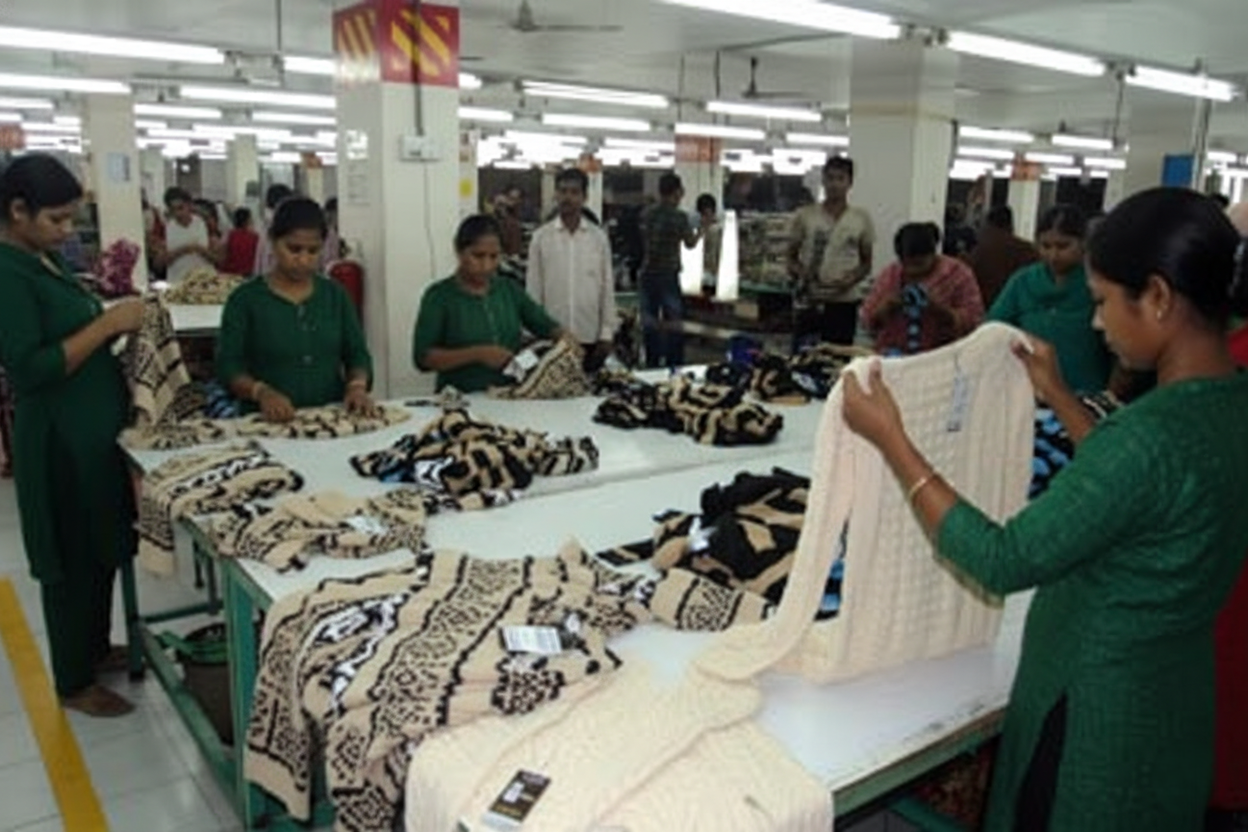
Inspectors ensure:
- Sweater symmetry after shrinkage
- All embellishments intact
- No loose threads formed during wash
- Labels stitched correctly
- No wash‑developed holes, fuzzing or distortion
- Measurements align with post‑wash spec tolerance
- Color integrity remains acceptable
- No contamination or water‑stain marks
This checkpoint protects finishing and packing from receiving non‑conforming goods.
Light Check (Lightbox QC)
Sweater Light Check is a specialized inspection process used in sweater factories to detect internal or subtle fabric faults that are invisible to the naked eye.
The method uses high‑intensity backlighting, allowing inspectors to clearly see:
- Thin areas
- Pinholes
- Missing loops
- Needle damage
- Loose stitches
- Yarn breakage
- Incorrect loop tension
- Internal distortions
This inspection is essential for knitted garments because knitted loops can hide faults within the fabric layers, especially in:
- Dark colors
- Heavy gauge sweaters
- Brushed or fluffy yarns
- Jacquard and multi‑layer patterns

Common Defects Detected by Light Check
Light Check exposes faults that typical surface QC cannot detect:
Structural Defects
- Pinholes
- Needle line damage
- Broken loops
- Thin areas
- Loose stitches
- Laddering (run lines)
Yarn‑Related Defects
- Weak yarn sections
- Knots or splice issues
- Inconsistent yarn tension
Knitting Machine Faults
- Missed needles
- Over‑tensioned tracks
- Under-feed areas
- Float issues in jacquards
Assembly‑Related Faults
- Stretch damage during linking
- Seam stress near armholes
- Rib attachment weakening
These defects, when undetected, often lead to:
- Holes after washing
- Panel distortion
- Broken stitches during wearing
- Customer complaints
When Light Check Should Be Performed
Light checking is typically done:
✔ After knitting (panel level)
To detect early knitting faults before linking.
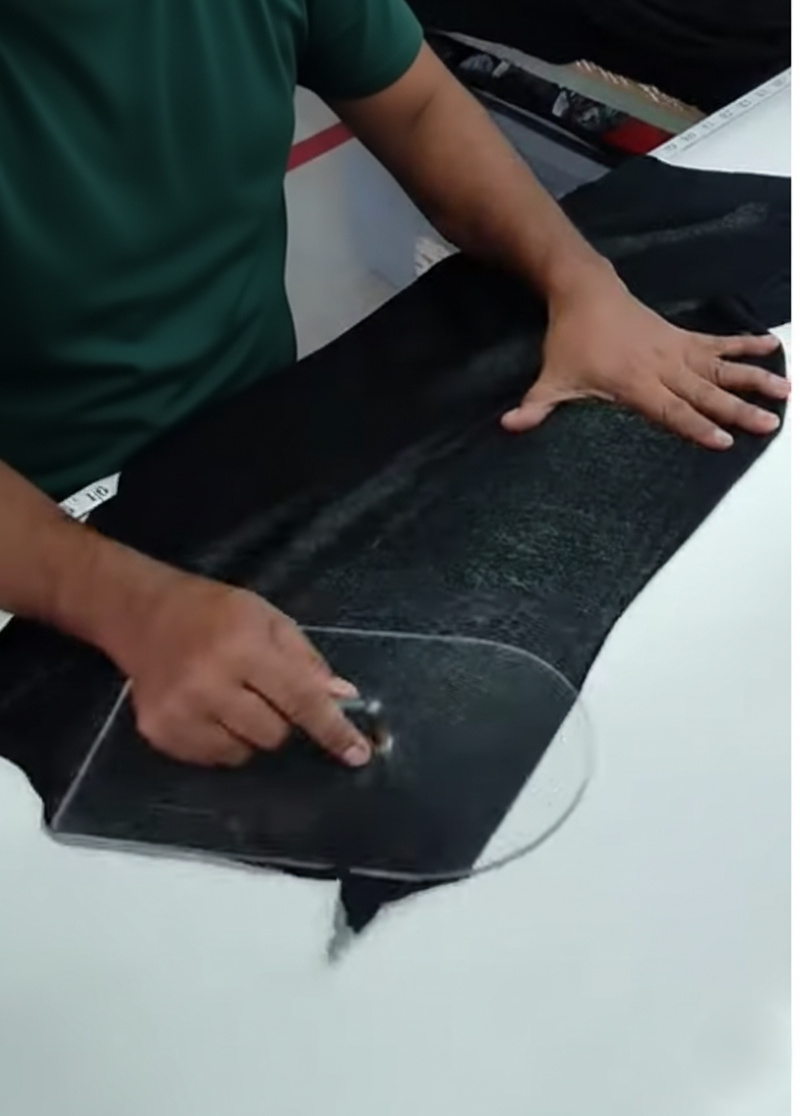
✔ After linking & before washing
To verify seams and tension stability.
✔ After washing
To find & mend wash-time breakage.
✔ During final QC (selected garments
For high-quality or expensive fabrics.
Final Quality Check (FQC)
“The last gatekeeper before shipment.”
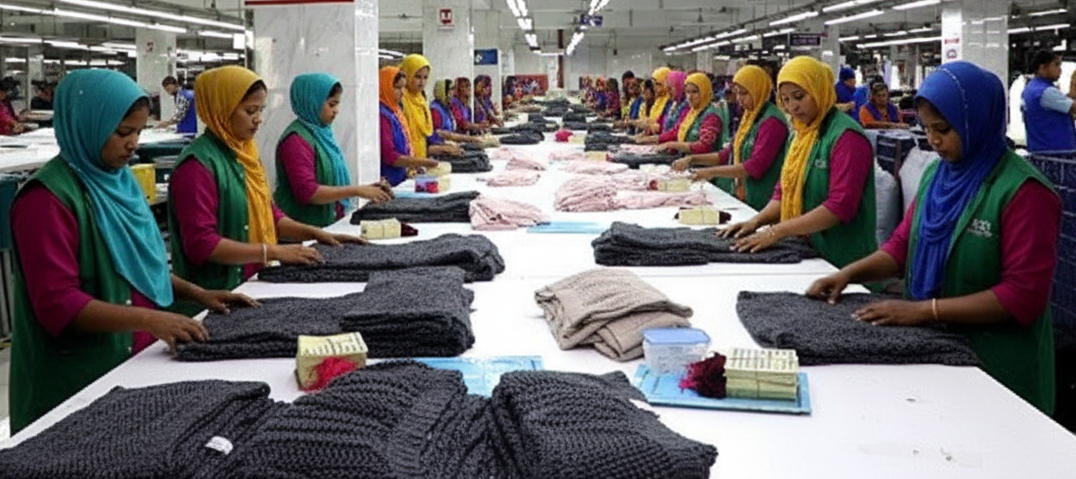
FQC ensures the finished sweater is buyer‑approved, defect‑free and ready for packing.
This inspection occurs after:
- Thread trimming
- Final measurements
It is the final filter before garments enter the packing and shipping stage.
Key Objectives of FQC
- Confirm finished measurements meet post‑wash specs
- Validate workmanship quality
- Ensure clean appearance under proper lighting
- Verify trim & label accuracy
- Guarantee stain‑free, defect‑free garments
- Ensure packing compliance with brand standards
Final QC Checklist
1. Measurement Check
Using post‑wash spec sheet:
- Chest width
- Body length
- Sleeve length
- Armhole depth
- Neck opening
- Rib length & stretch recovery
2. Appearance Check
- No wrinkles or creases
- No distortion or twisting
- No fuzz or pilling
- Surface texture even and smooth
- Shade consistency
3. Workmanship Check
- Seam quality
- Rib attachment accuracy
- Perfect zipper straightness
- Button tightness (pull‑test)
- Patch/symbol alignment
- No seam puckering
4. Label & Trim Verification
- Correct brand & size label
- Care label accuracy
- Country of origin label
- Barcode verification
- Hangtag placement
5. Defect-Free Finish
- No stains
- No needle or iron marks
- No loose threads
- No broken yarn
- No holes
6. Packaging Compliance
- Correct folding method
- Poly bag quality & size
- Hangtag visibility
- Sticker placement
- Carton markings as per buyer standard
AQL Standards in Final QC
Most buyers follow AQL systems such as:
- AQL 2.5 (standard products)
- AQL 1.5 (high‑end buyers)
- AQL 4.0 (low‑critical styles)
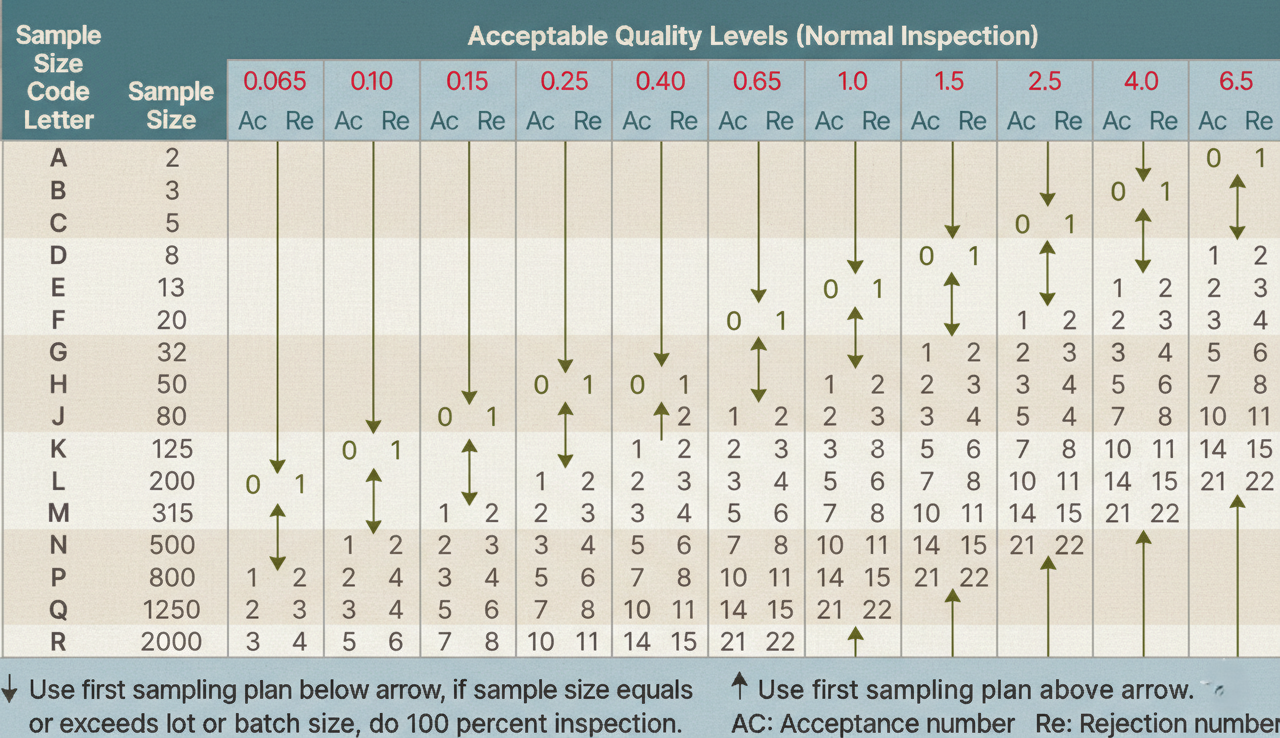
QC inspectors:
- Pick random samples
- Evaluate major/minor defects
- Approve or reject shipment lots
This ensures consistent quality for large‑batch production.
Common Final QC Defects
- Shade variation
- Zipper angle or shifting
- Uneven shoulders
- Twisted panel
- Neckline distortion
- Out‑of‑tolerance measurements
- Missing label or incorrect PO
- Loose button / weak tack stitches
- Pilling after wash
- Stains or oil marks
- Wrong folding or packing
- Rejected items are sent for rework, re‑ironing or mending.