Sweaters are made from a wide variety of yarns, each selected based on the desired comfort, appearance, performance and cost. The choice of yarn plays a major role in determining how a sweater feels on the skin, how it performs in different weather conditions and how it looks in terms of texture and color.
Natural and man-made fibres are often used individually or in blends to achieve the right balance of softness, durability and style. Each yarn type brings its own unique characteristics, making it suitable for specific sweater categories—from lightweight casual wear to premium fashion garments.
Sweaters are made from a wide variety of yarns, each selected based on the desired comfort, appearance, performance and cost. The choice of yarn plays a major role in determining how a sweater feels on the skin, how it performs in different weather conditions and how it looks in terms of texture and color.
Natural and man-made fibres are often used individually or in blends to achieve the right balance of softness, durability and style. Each yarn type brings its own unique characteristics, making it suitable for specific sweater categories—from lightweight casual wear to premium fashion garments.
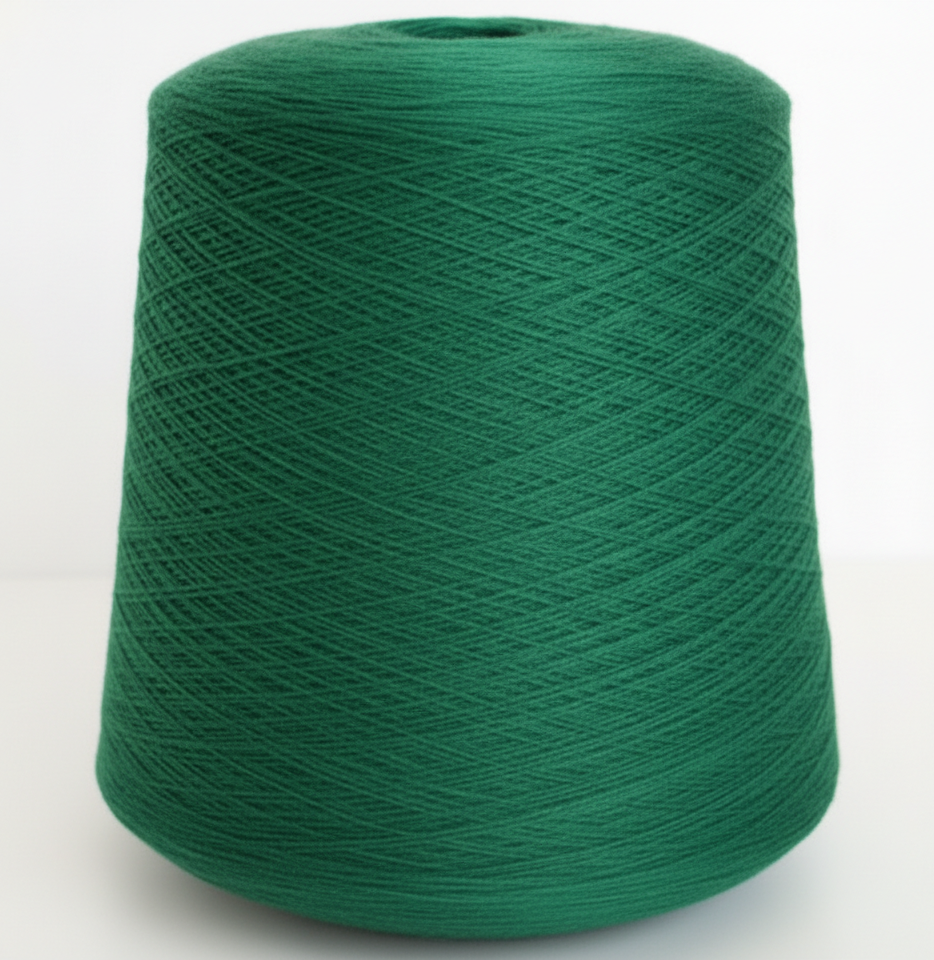
Cotton
Cotton is one of the most commonly used natural fibres for sweaters, especially in lightweight knitwear. It is known for its comfort and breathability, making it ideal for warmer climates or transitional weather.
Cotton sweaters are soft against the skin and provide excellent moisture absorption, which helps keep the wearer comfortable throughout the day. Because of its natural origin, cotton is also considered a more eco-friendly option.
Features include:
- Soft and skin-friendly feel
- High breathability and moisture absorption
- Suitable for warm climates and casual wear
Cotton Mélange
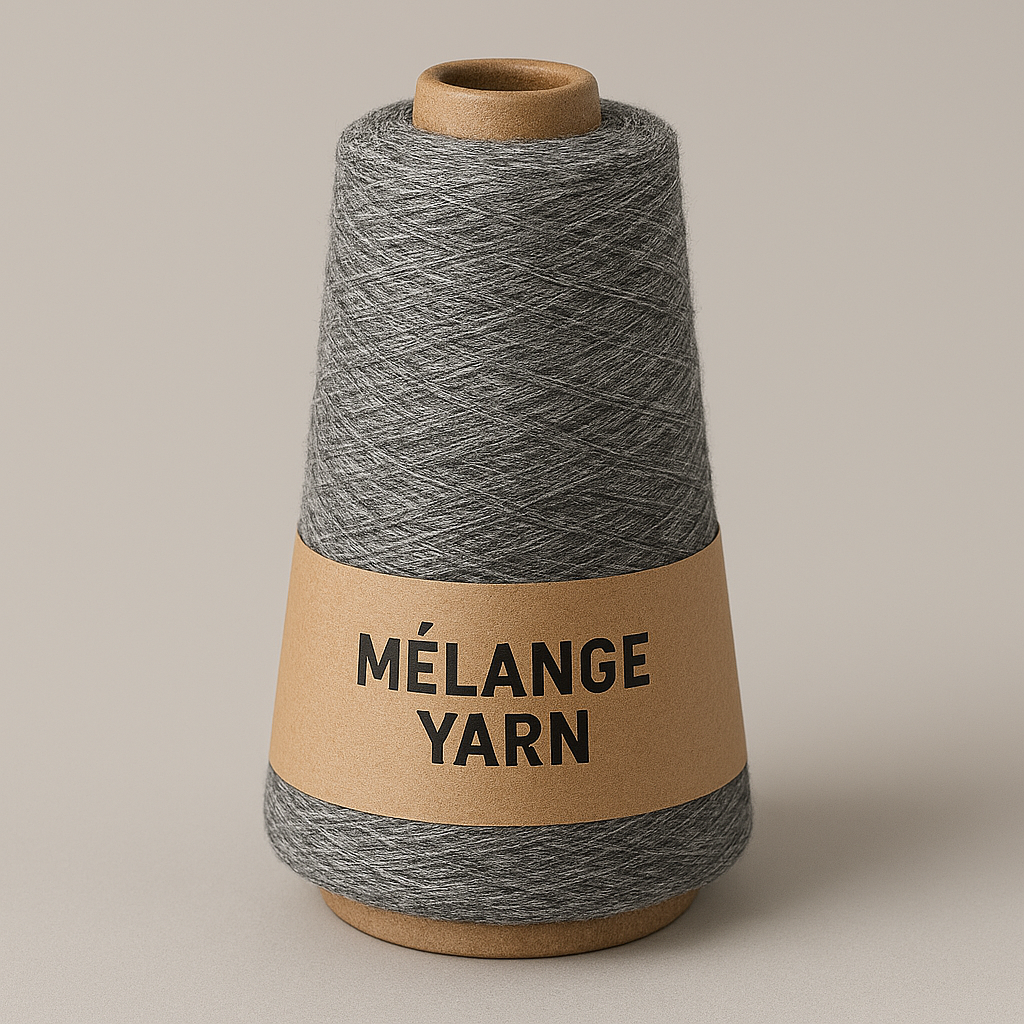
Cotton mélange yarn is created by blending fibres of different colors before spinning, resulting in subtle, heather-like color effects. This gives the fabric a more dynamic and stylish appearance compared to plain solid colors.
Mélange yarns are popular in modern knitwear because they add visual depth without the need for printing or complex patterns. At the same time, they retain the comfort and softness of cotton.
Benefits include:
- Unique, stylish color variations
- Smooth and comfortable texture
- Ideal for fashion-oriented knitwear
Viscose Yarn
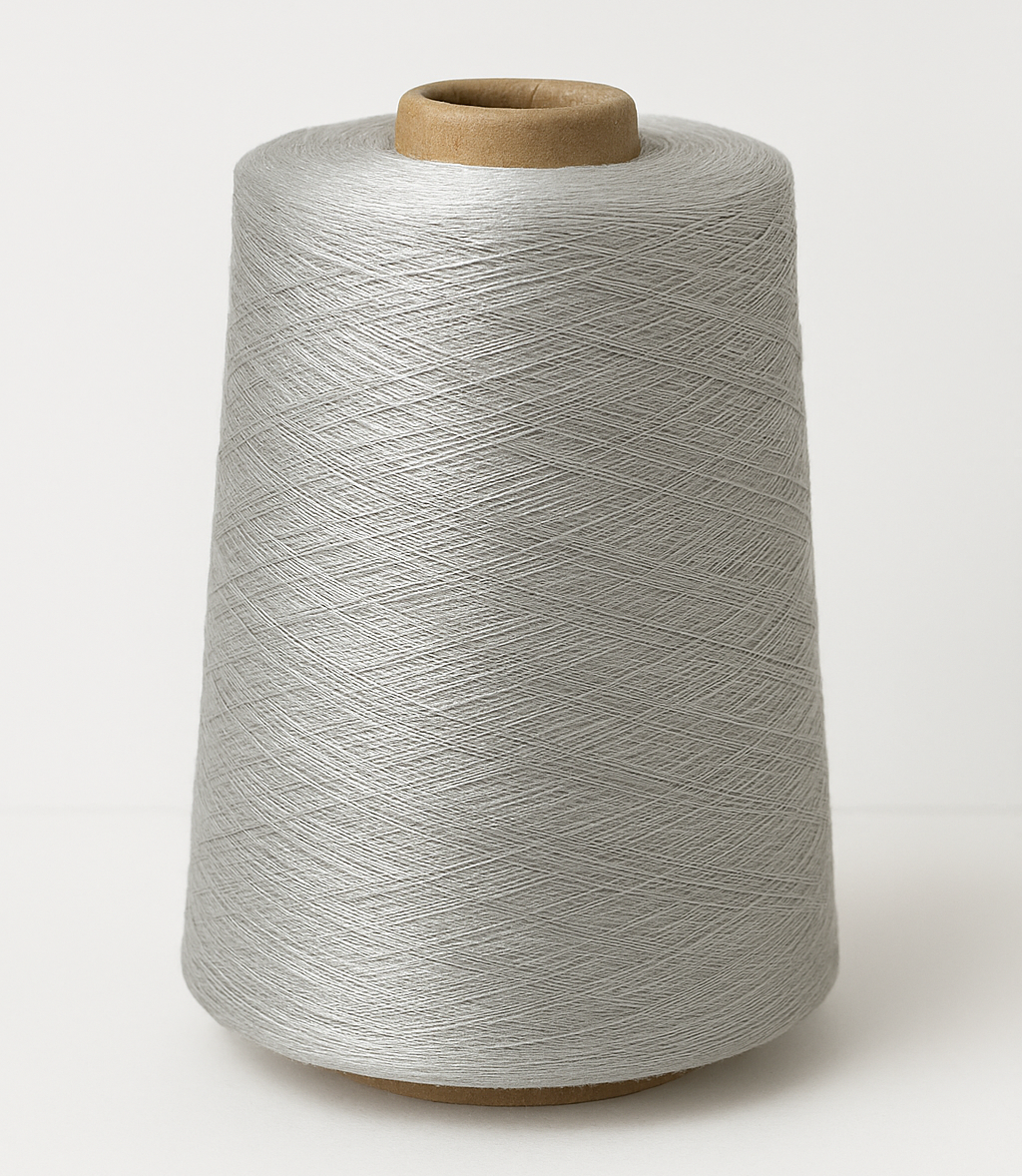
Viscose is a regenerated cellulose fibre known for its smooth, silky feel and elegant drape. It is often used in sweaters that require a more refined and luxurious appearance.
This yarn enhances the visual appeal of garments by providing excellent color brightness and a soft flowy texture. It is especially suitable for lightweight, dressy knitwear.
Why it is used:
- Soft, silky and luxurious feel
- Good color brilliance and dye absorption
- Ideal for elegant and drapey sweaters
Polyamide / Nylon Yarn
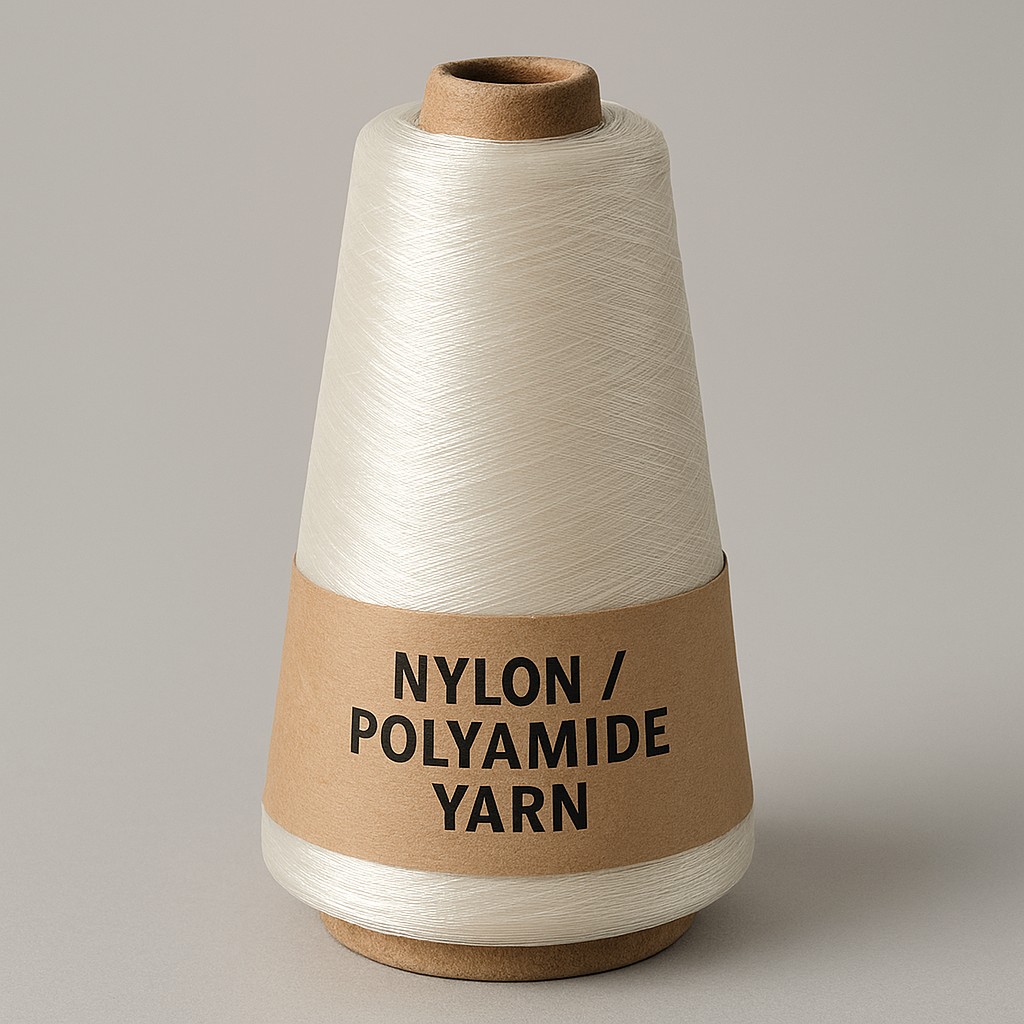
Nylon is a strong synthetic fibre that is often blended with other yarns to enhance durability and elasticity. While it may not always be used alone in sweaters, it plays an important supporting role in improving performance.
It helps sweaters maintain their shape and withstand repeated use, making it especially useful in activewear or fitted garments.
Key advantages include:
- High strength and durability
- Excellent elasticity and flexibility
- Improves shape retention and lifespan of garments
Polyester Yarn
Polyester is widely used in sweater production due to its strength, affordability and easy-care properties. It is often blended with natural fibres to improve durability and reduce maintenance requirements.
Sweaters made with polyester are resistant to wrinkles and tend to dry quickly, making them practical for everyday use.
Key features include:
- Strong and long-lasting
- Wrinkle-resistant and easy to maintain
- Quick-drying and suitable for daily wear
- Commonly used in blends for enhanced performance
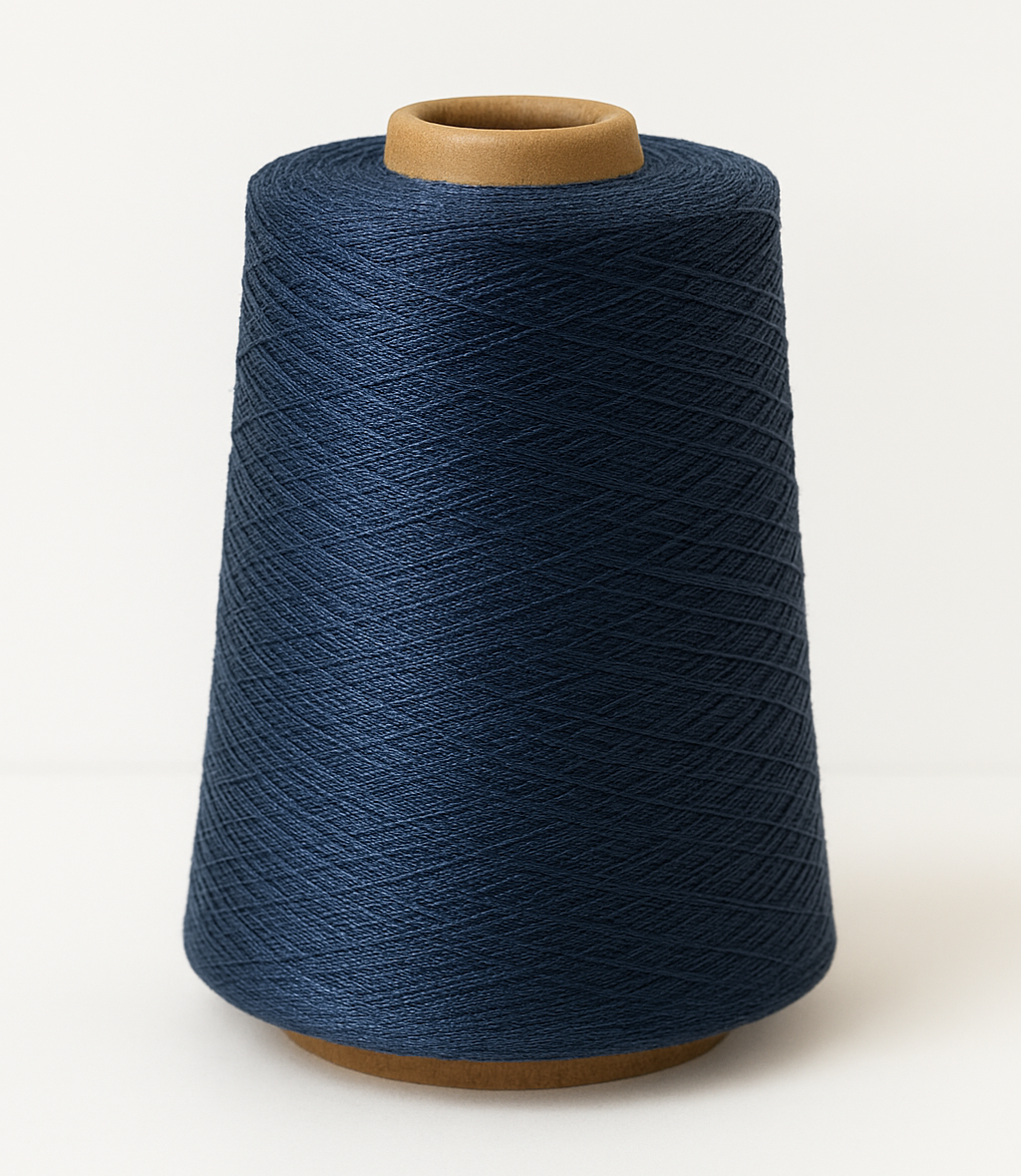
Metallic Yarn (Lurex)
Metallic yarn, often known as Lurex, is used to add shine and decorative effects to knitwear. It is typically blended with other yarns to create eye-catching designs without compromising comfort too much.
This type of yarn is popular in fashion-forward garments, especially for festive or special occasions where a more glamorous look is desired.
Popular uses include:
- Festive and party wear sweaters
- Decorative trims, stripes, or highlights
- High visual impact fashion designs
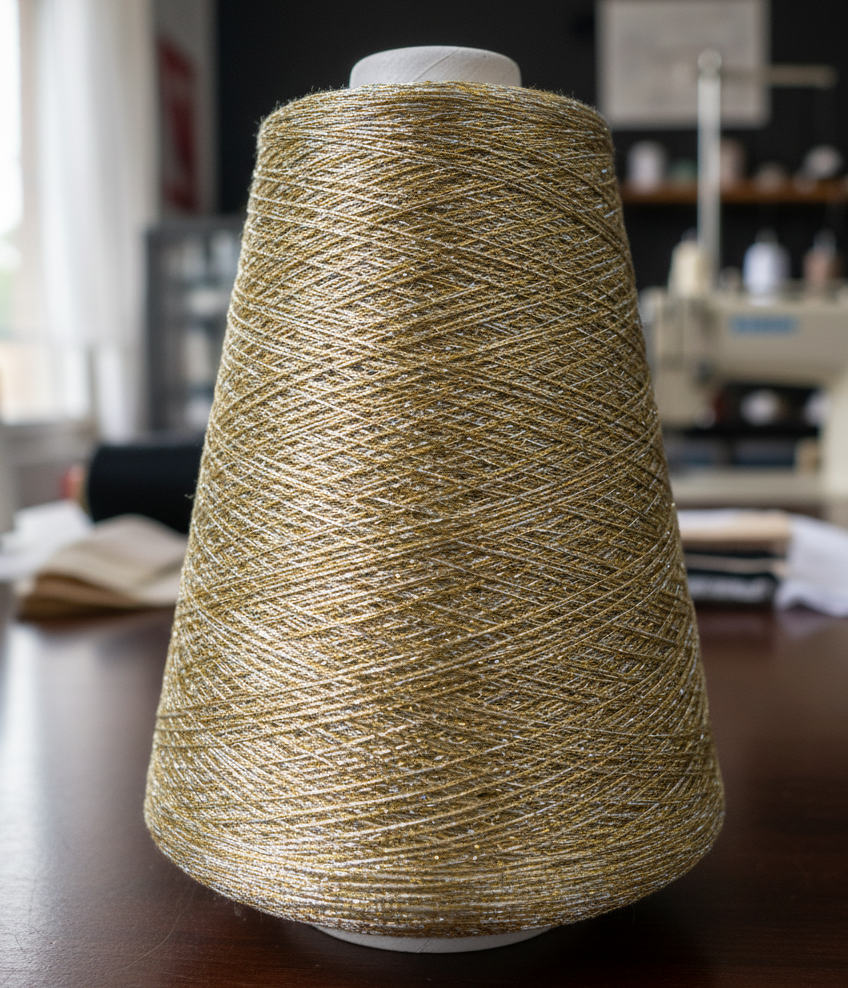
Specialty & Fancy YarnsSpecialty or fancy yarns are widely used in sweater manufacturing to add visual interest, texture and a unique fashion appeal. Unlike regular yarns, these are intentionally designed with irregularities, loops, or decorative elements that enhance the overall look and feel of knitwear. They play a key role in creating premium, trendy and high-value garments, especially in fashion and winter collections.
These yarns allow designers to create depth, dimension and uniqueness without relying heavily on complex fabric constructions or prints. Each type of fancy yarn offers a different effect, making it suitable for specific design purposes.
Naps Yarn
Naps yarn contains small clusters of fibres embedded throughout the yarn, giving it a slightly speckled and natural appearance. This subtle texture adds a raw, organic feel to garments.
Best suited for:
- Casual and rustic sweater designs
- Natural and earthy fashion looks
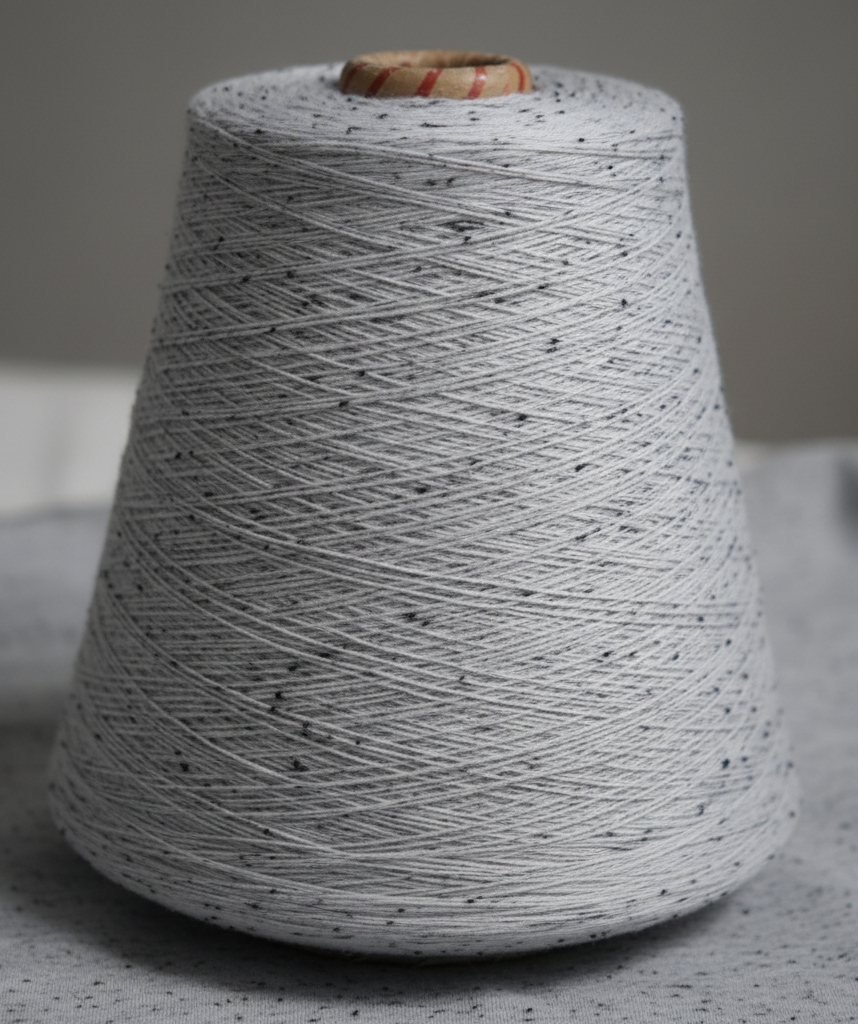
Slub Yarn
Slub yarn is characterized by uneven thickness along the strand, created by varying the fibre feed during spinning. This produces a textured and slightly irregular surface.
Gives sweaters:
- A unique and handcrafted appearance
- Natural texture and visual variation
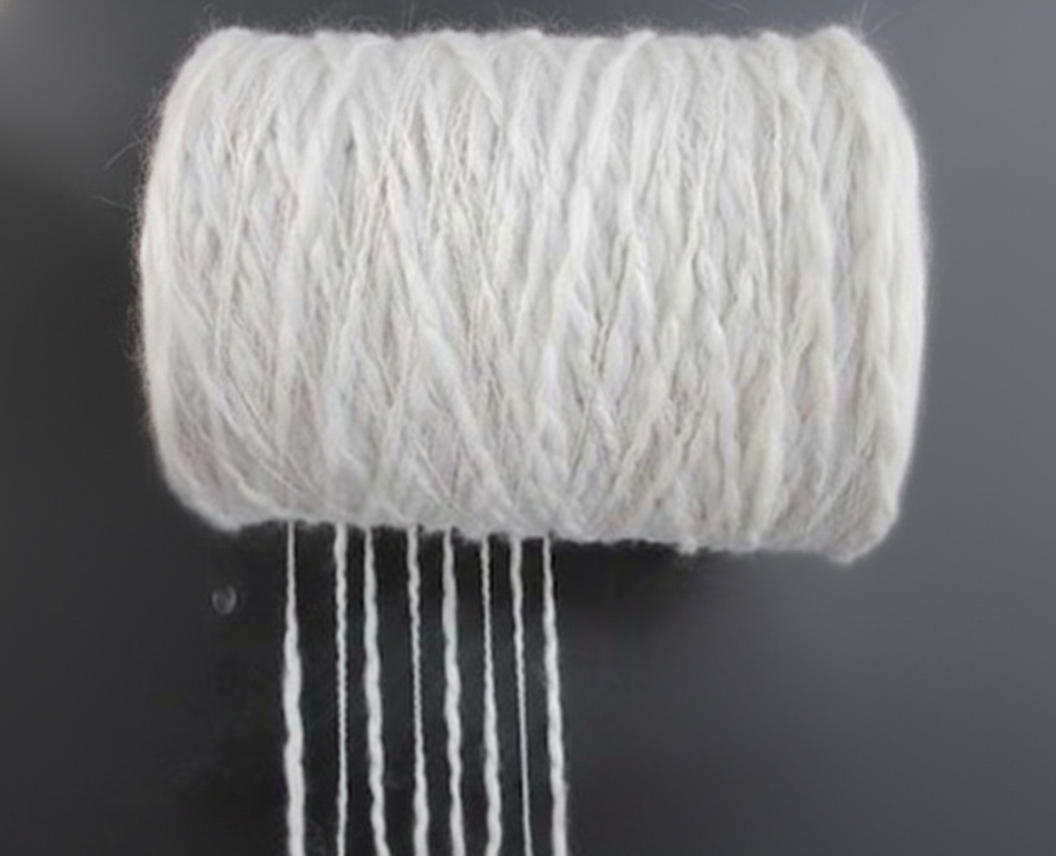
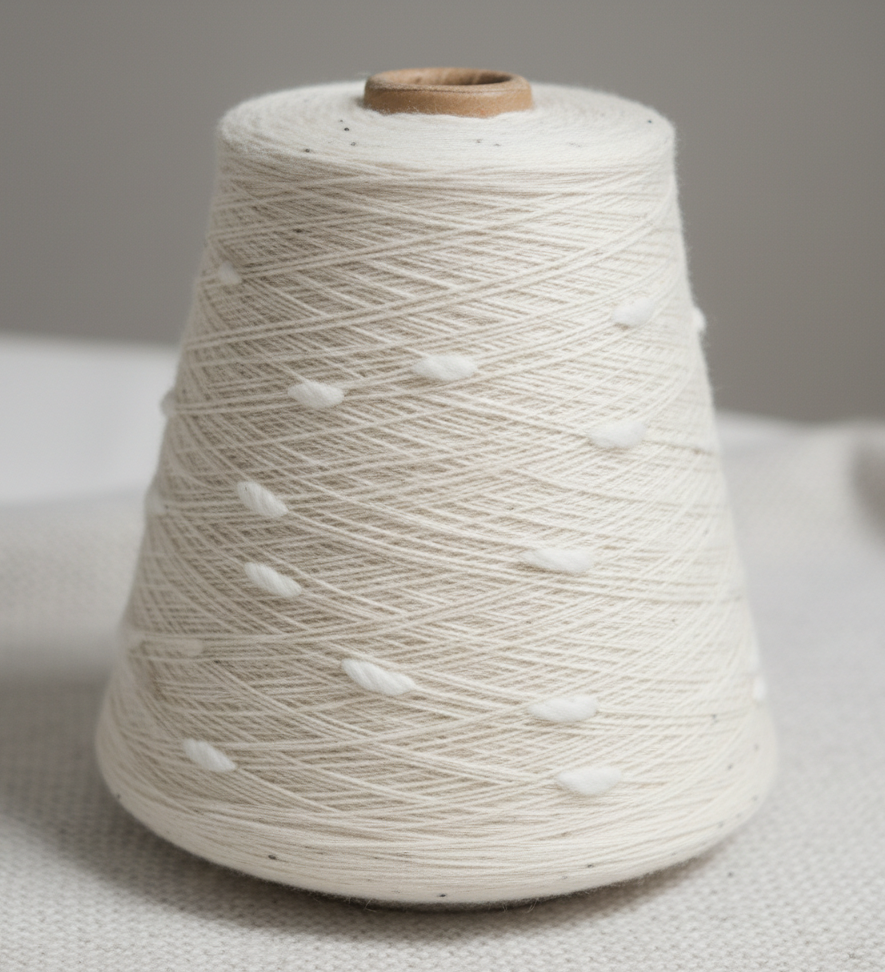
Snarl Yarn
Snarl yarn includes twisted or spiral loops that create a curly, irregular surface. It is mainly used for decorative purposes rather than full garments.
Common uses:
- Accent panels
- Fashion embellishments
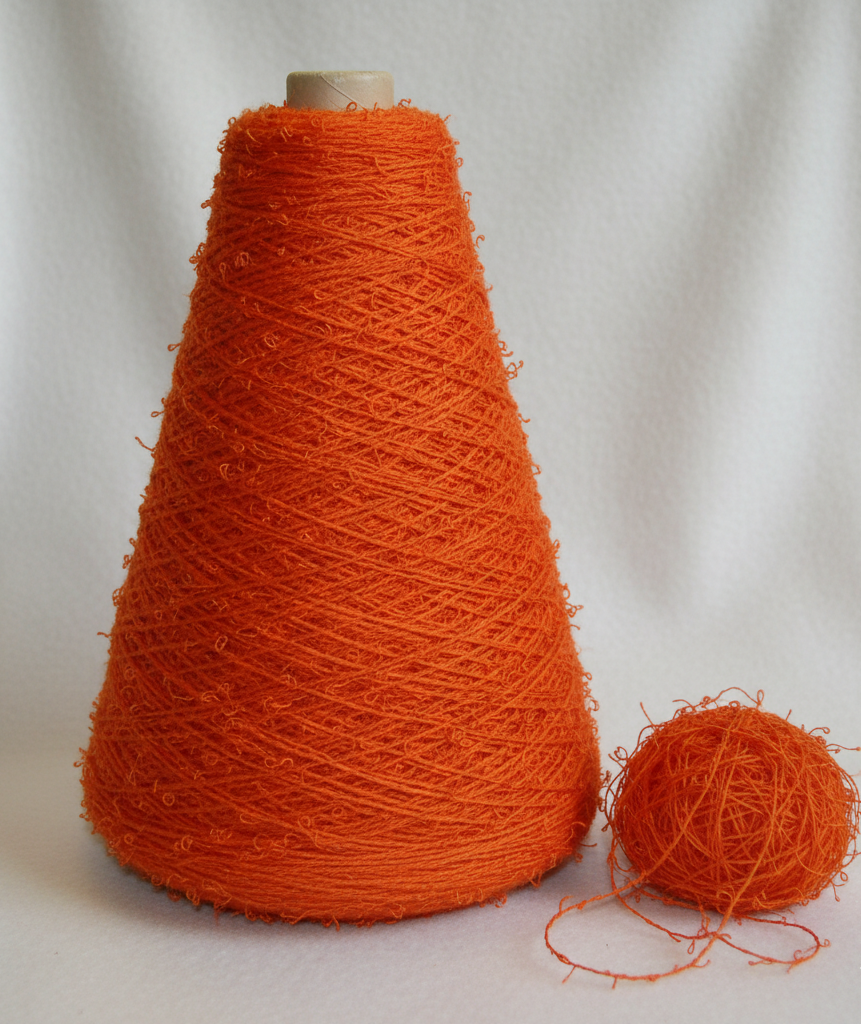
Feather Yarn or Faus Fur Yarn
Feather or faux fur yarn mimics the softness and appearance of real fur, offering a plush and luxurious feel. It is widely used in winter collections.
Best suited for:
- Soft trims and collars
- Cozy and luxurious sweaters
- Winter fashion garments
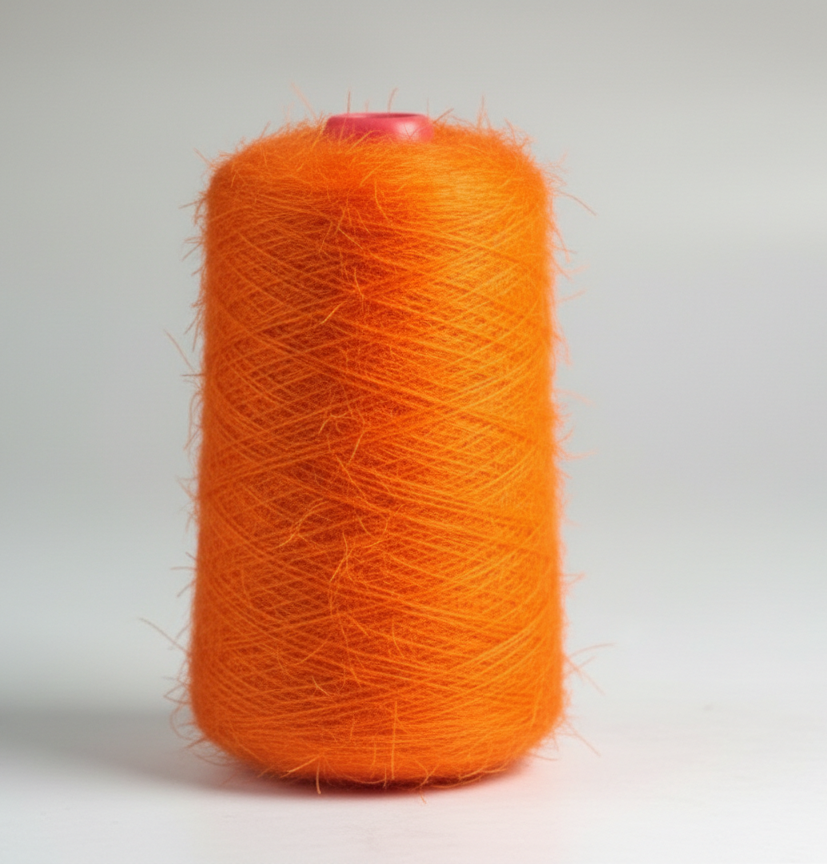
Loop Yarn
Loop yarn has small loops distributed along its length, giving it a bulky and textured look. It adds volume and dimension to knitted fabrics.
Applications include:
- Chunky sweaters
- Kidswear and playful designs
- High-texture fashion knitwear
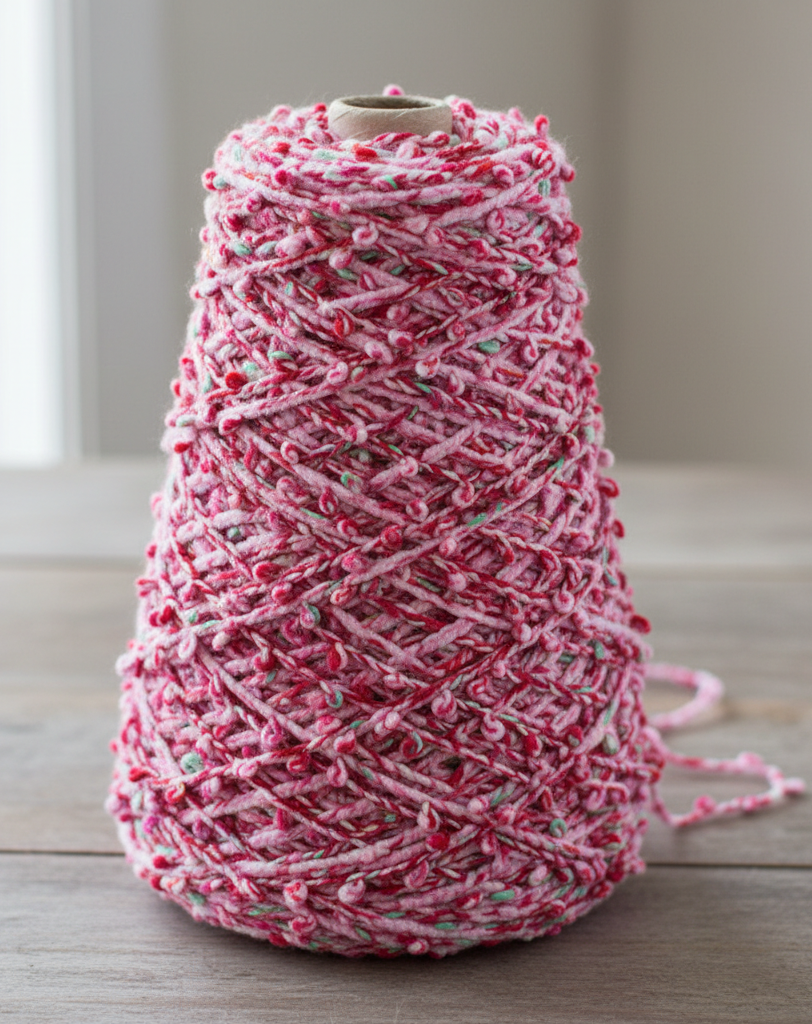
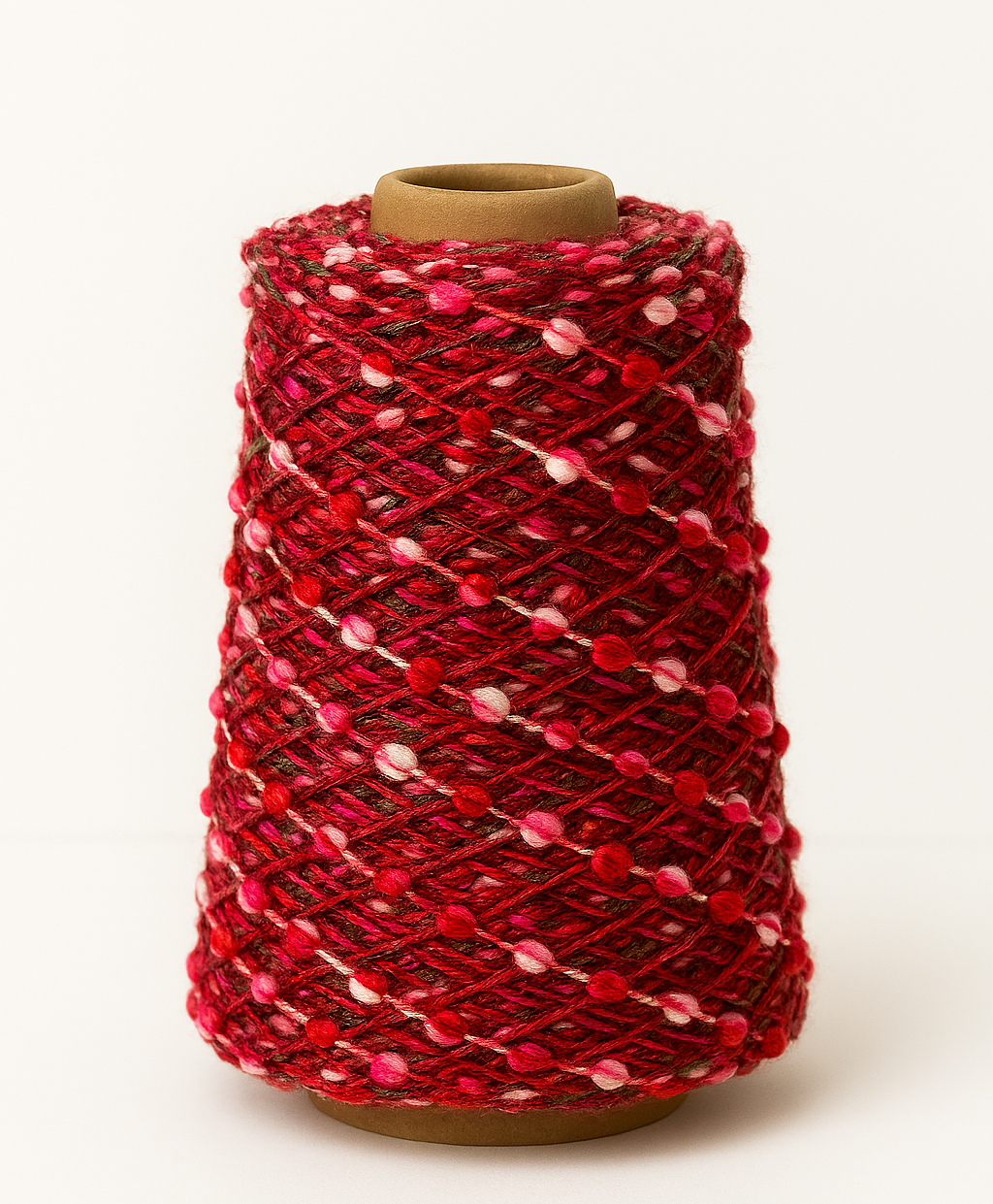
Eyelash Yarn
Eyelash yarn features long, hair-like fibres extending from the core, creating a soft and furry effect. It is popular for its cozy and decorative look.
Best suited for:
- Soft trims and accents
- Decorative knitwear
- Warm winter styles
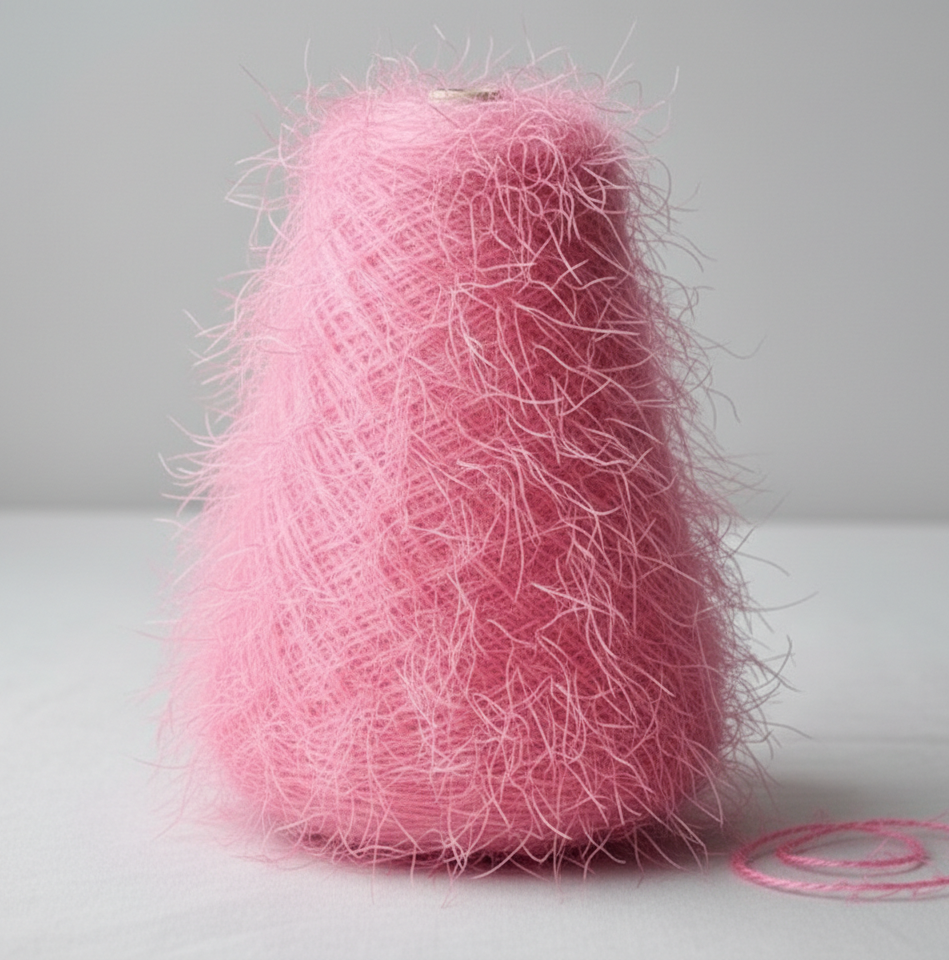
Crepe Yarn
Crepe yarn is tightly twisted, resulting in a crinkled or pebbled surface texture. This structure gives the fabric elasticity and a distinctive look.
Key benefits:
- Unique crimped texture
- Good elasticity
- Suitable for textured fashion sweaters
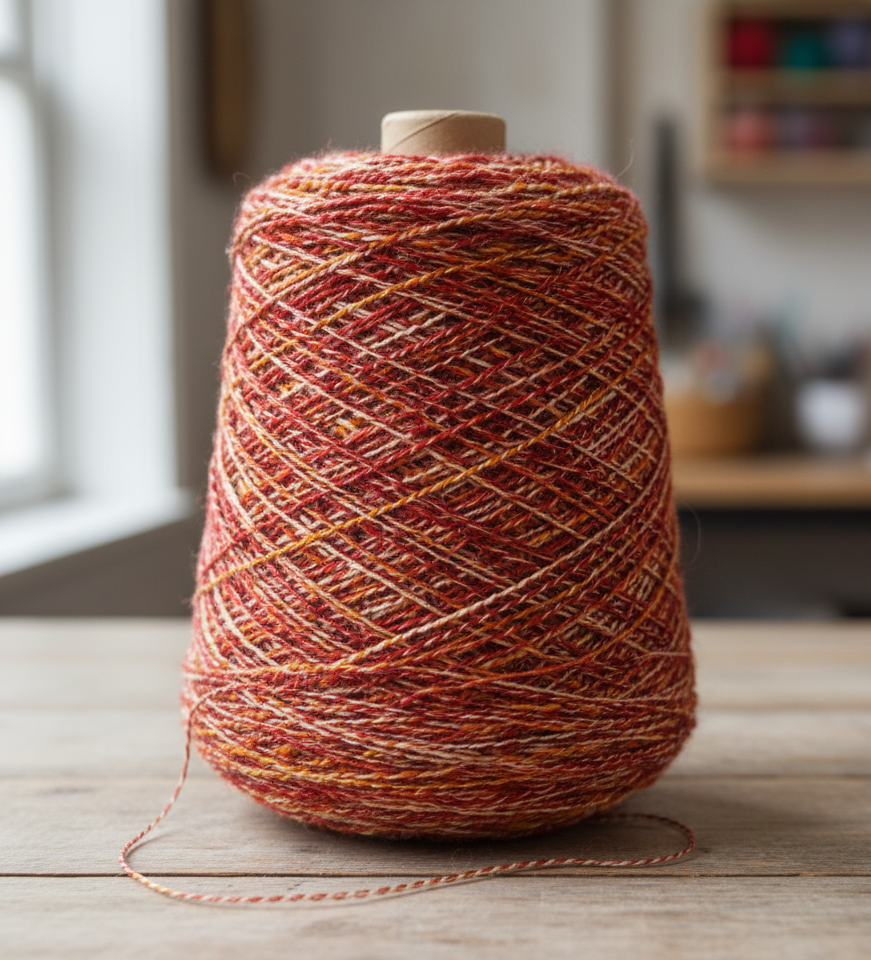
Marl Yarn
Marl yarn is produced by twisting two or more differently colored yarns together. The result is a blended, multi-tone effect that adds depth.
Advantages include:
- Attractive color variation
- Added visual richness
- Popular in casual and winter wear
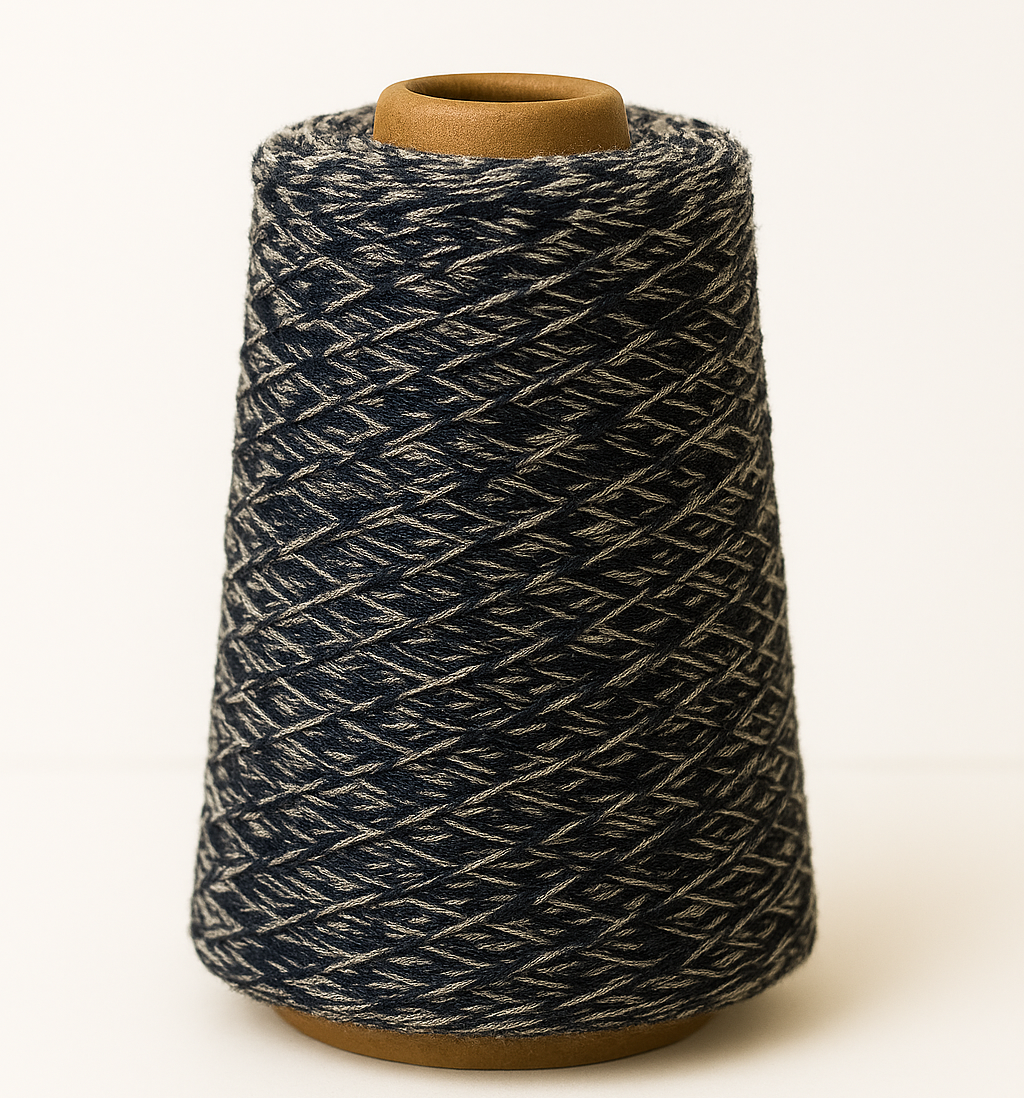
Chenille Yarn
Chenille yarn has a soft, velvety surface due to its dense pile fibres. It provides a luxurious feel and rich texture.
Why it’s popular:
- Extremely soft and plush
- Warm and comfortable
- Ideal for cozy sweaters and accessories
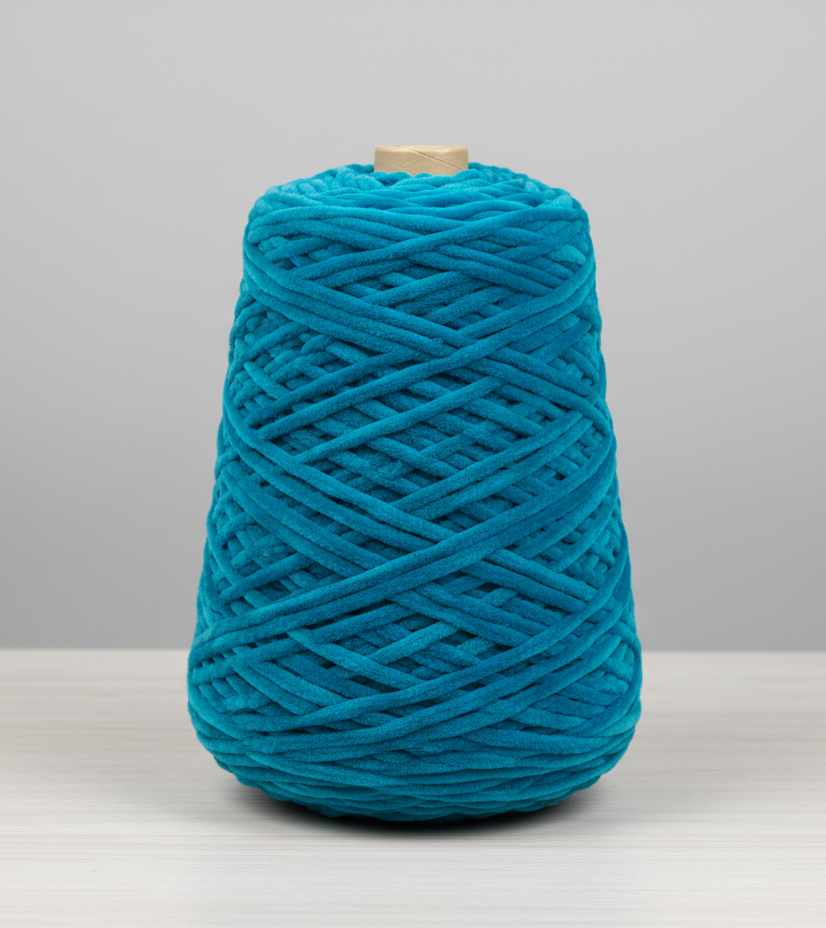
Ladder Yarn
Ladder yarn has a flat, tape-like structure with open spaces between threads, giving it a lightweight and decorative look.
Used for:
- Fashion-forward, airy designs
- Decorative knit elements
- Trendy styling
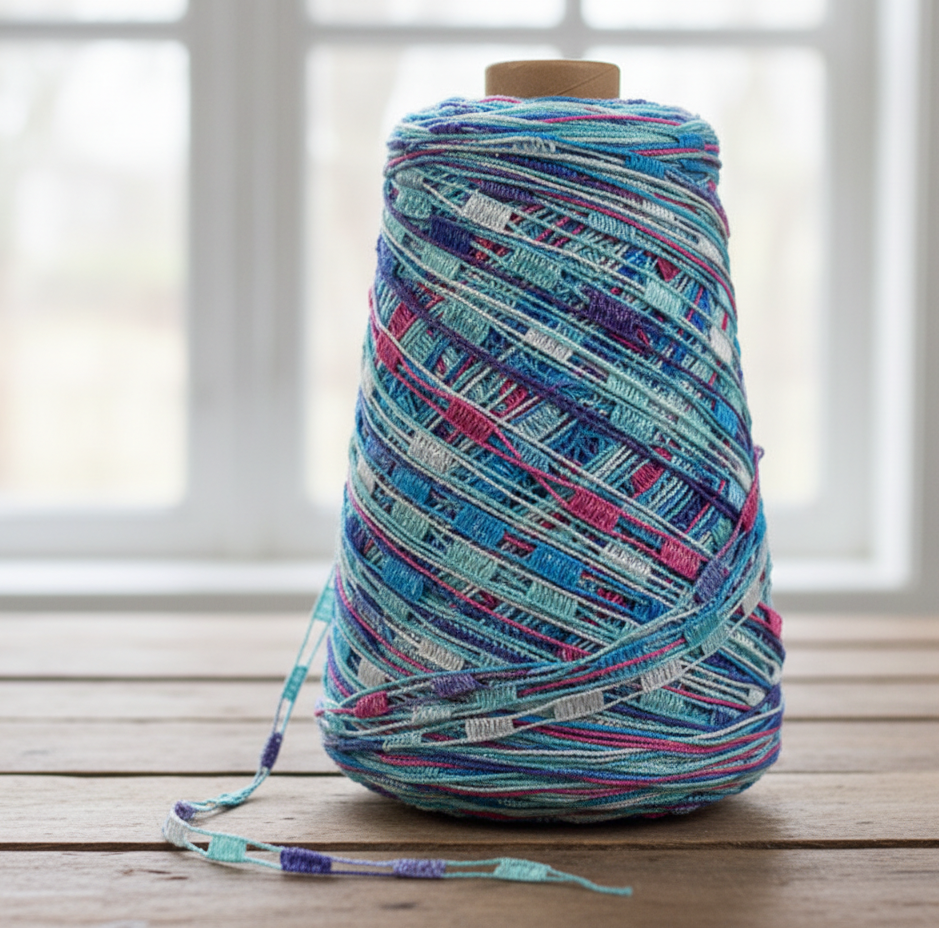
Grimp Yarn
Grimp or ripple yarn has a slightly uneven and wavy structure, creating a subtle textured effect without heavy bulk.
Characteristics:
- Soft, wave-like appearance
- Adds mild texture and depth
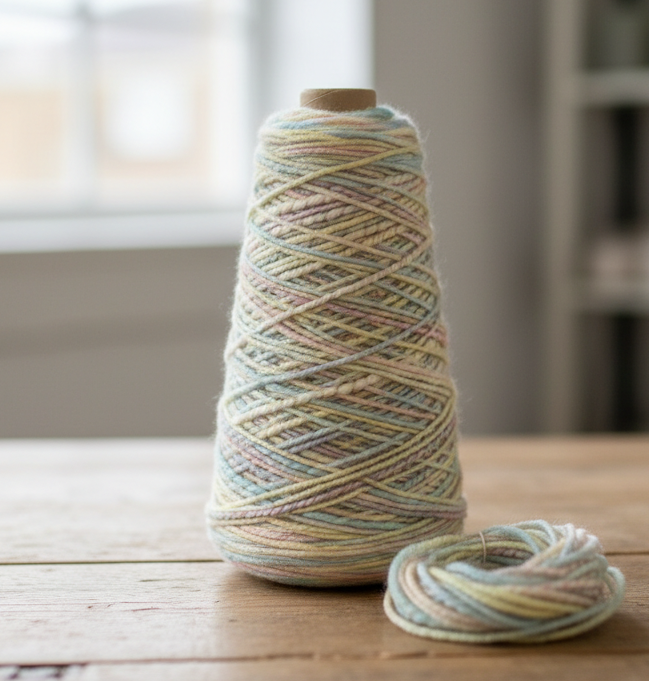
Knop Yarn
Knop yarn features small knots or lumps along its length, giving it a bold, textured surface.
Great for:
- Rustic and artisanal designs
- High-texture fashion knitwear
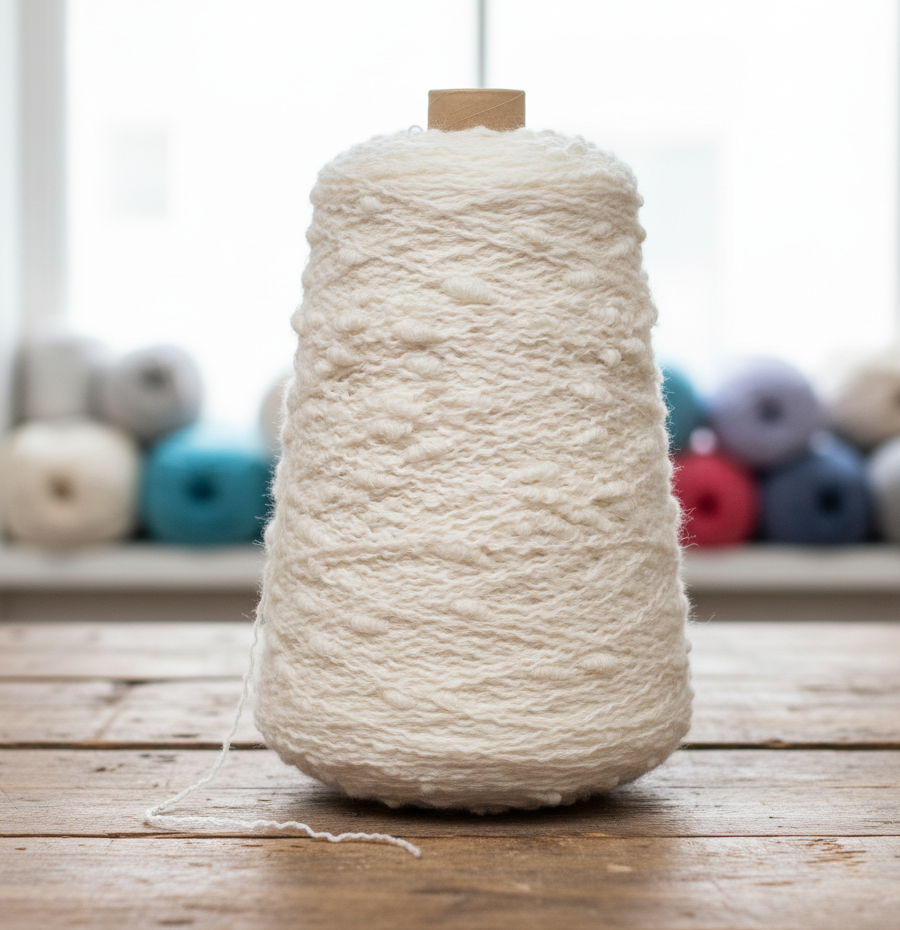
Spiral Yarn
Spiral yarn is made by twisting yarns of different thicknesses or tensions, creating a corkscrew or spiral pattern.
Key features:
- Decorative spiral effect
- Suitable for novelty knitwear
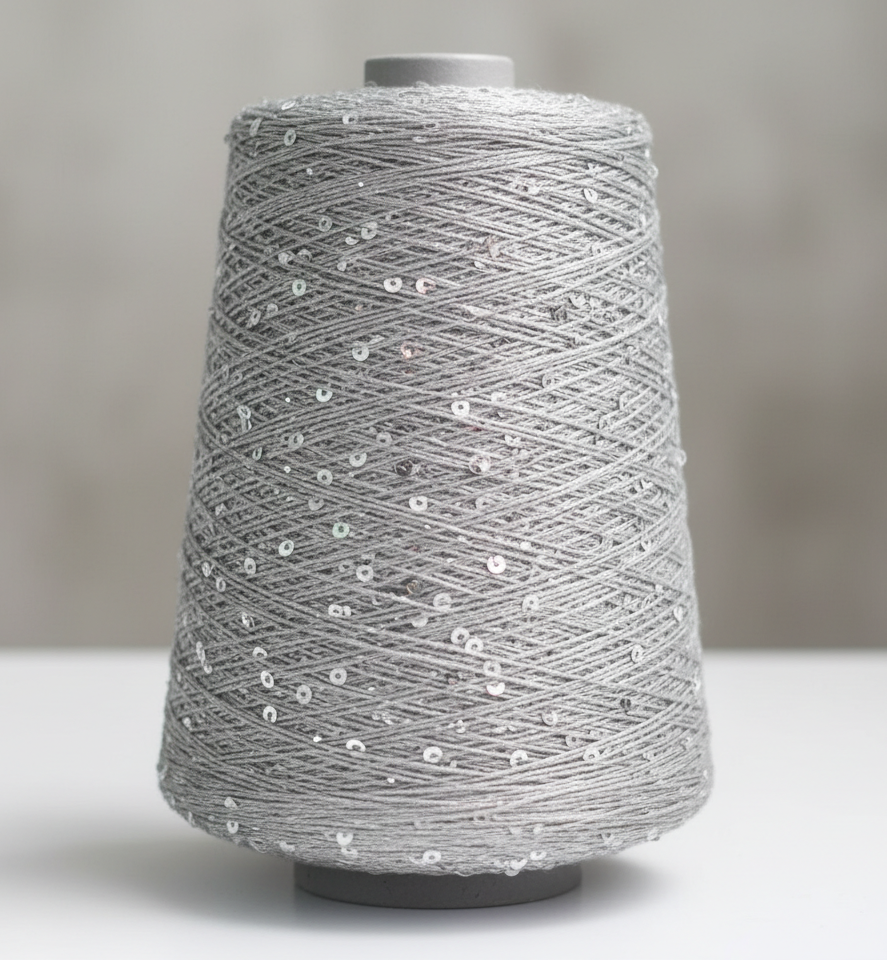
Sequin Yarn
Sequin yarn has small sequins embedded along the strand, adding sparkle and shine to the fabric.
Common uses:
- Party and festive wear
- Decorative trims and highlights
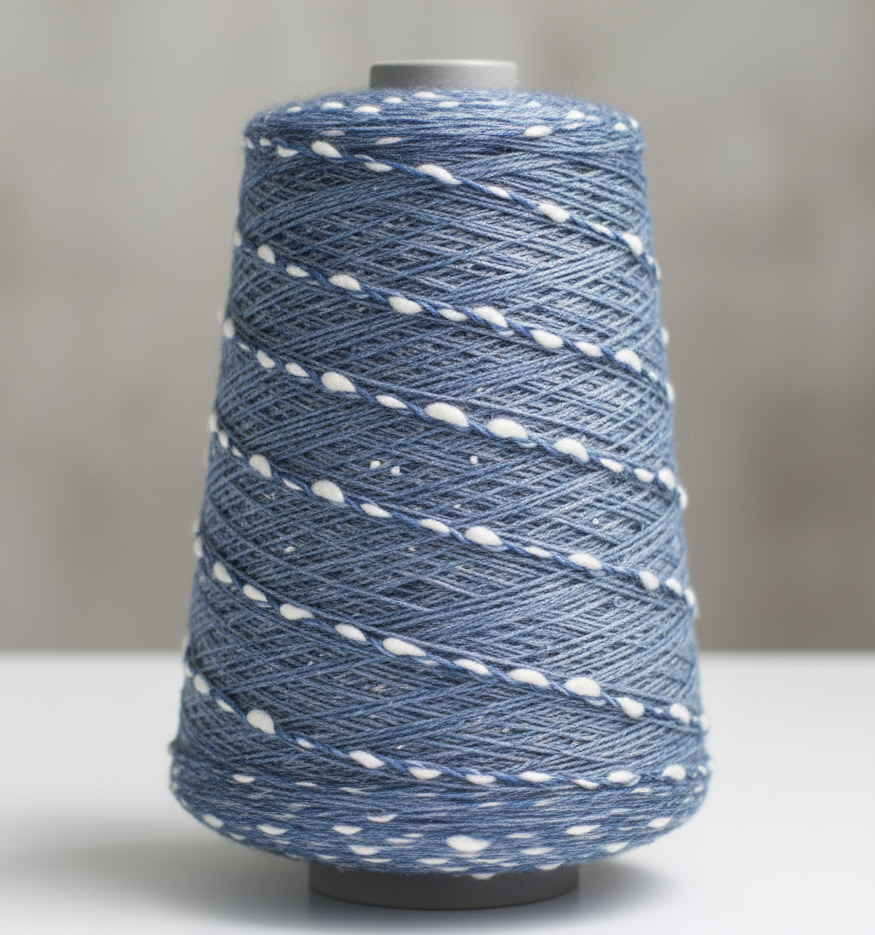
Flake Yarn
Flake yarn contains small, scattered fibre clusters that create an irregular and natural texture.
Benefits include:
- Soft, uneven surface
- Ideal for casual and artisanal styles
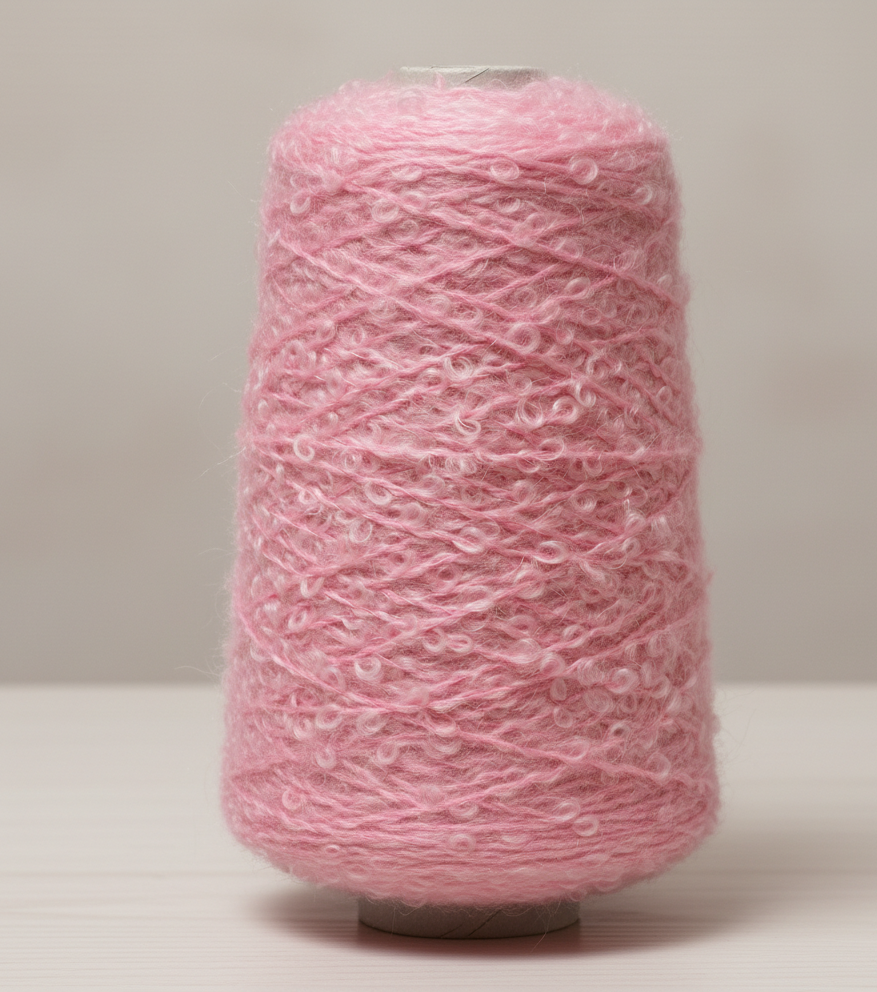
Boucle Yarn
Boucle yarn is formed with looped or curled structures along its length, creating a soft and bumpy texture.
Popular for:
- Cozy, voluminous sweaters
- High-fashion textured knitwear
Tweed Yarn
Tweed yarn is made by blending fibres with small colored flecks into a base yarn, resulting in a classic speckled effect.
Advantages include:
- Heritage-inspired appearance
- Warm and durable
- Ideal for timeless winter styles

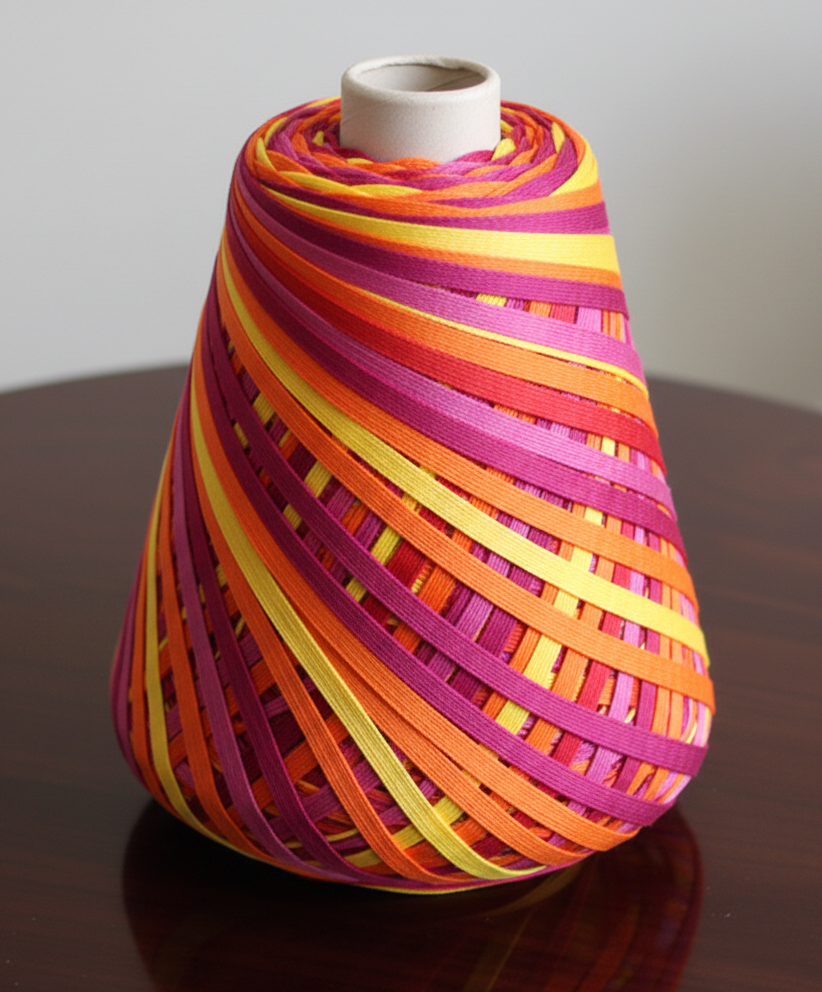
Ribbon Yarn
Ribbon yarn consists of flat, tape-like fibres that create bold, structured knit patterns. It adds a modern and distinctive look to garments.
Characteristics include:
- Flat and wide structure
- Creates bold and eye-catching designs
- Lightweight but visually strong
Premium Natural Animal fibre Yarns Used in Sweaters
Premium Natural Animal fibre Yarns Used in Sweaters
Luxury animal fibres hold a special place in the sweater industry because of their exceptional warmth, softness and natural performance. These fibres are sourced from different animals and are valued not just for comfort, but also for their premium feel, durability and aesthetic appeal. They are commonly used in high-end and designer knitwear where quality and exclusivity are key.
Each type of animal fibre offers unique characteristics, allowing brands to create sweaters that range from lightweight elegance to heavy winter protection.
Luxury animal fibres hold a special place in the sweater industry because of their exceptional warmth, softness and natural performance. These fibres are sourced from different animals and are valued not just for comfort, but also for their premium feel, durability and aesthetic appeal. They are commonly used in high-end and designer knitwear where quality and exclusivity are key.
Each type of animal fibre offers unique characteristics, allowing brands to create sweaters that range from lightweight elegance to heavy winter protection.
Merino Wool
Merino wool is sourced from Merino sheep and is known for its ultra-fine fibres, which make it much softer than traditional wool. Unlike coarse wool, it feels smooth and comfortable directly on the skin.
It is widely used across different sweater categories due to its versatility and performance.
Key benefits include:
- Excellent temperature regulation (keeps warm in winter, cool in mild weather)
- Soft and non-itchy, suitable for direct skin contact
- Naturally moisture-wicking and odor-resistant
- Suitable for both lightweight and heavy knitwear
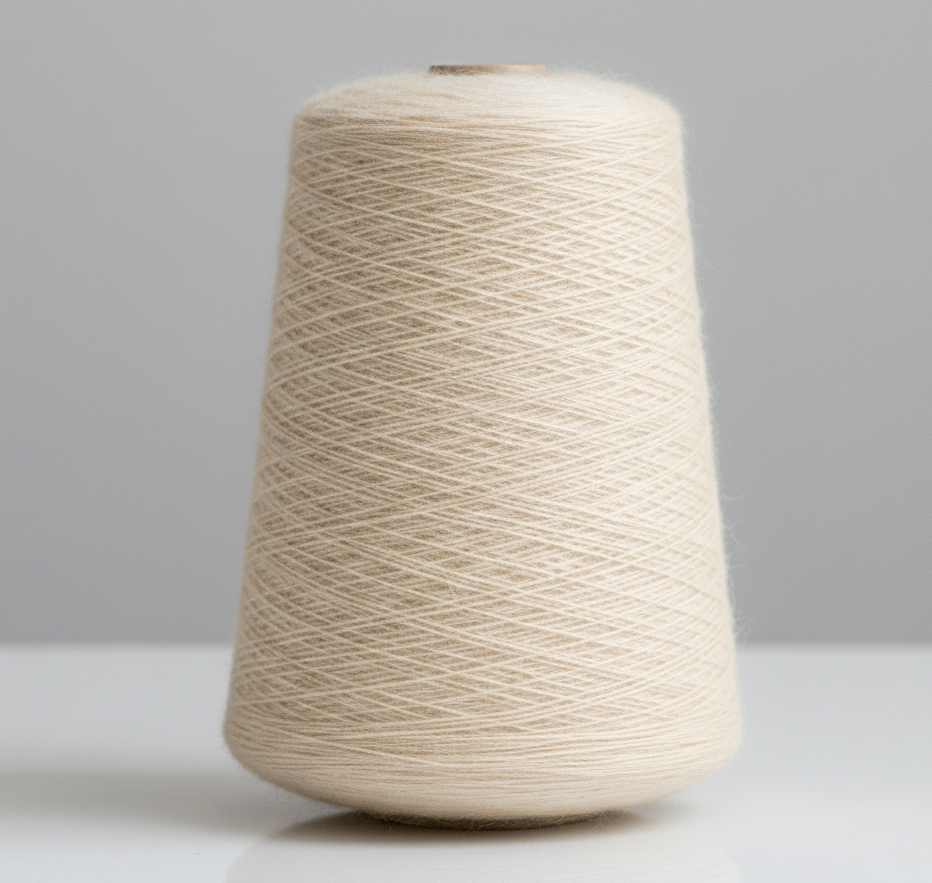
Cashmere Wool
Cashmere, obtained from cashmere goats, is one of the most luxurious fibres available. It is prized for its exceptional softness and warmth, while remaining lightweight.
This makes it a favorite choice for premium and high-fashion sweaters.
Why it is valued:
- Extremely soft and smooth texture
- Lightweight yet provides excellent insulation
- High-end appearance and premium feel
- Commonly used in luxury winterwear
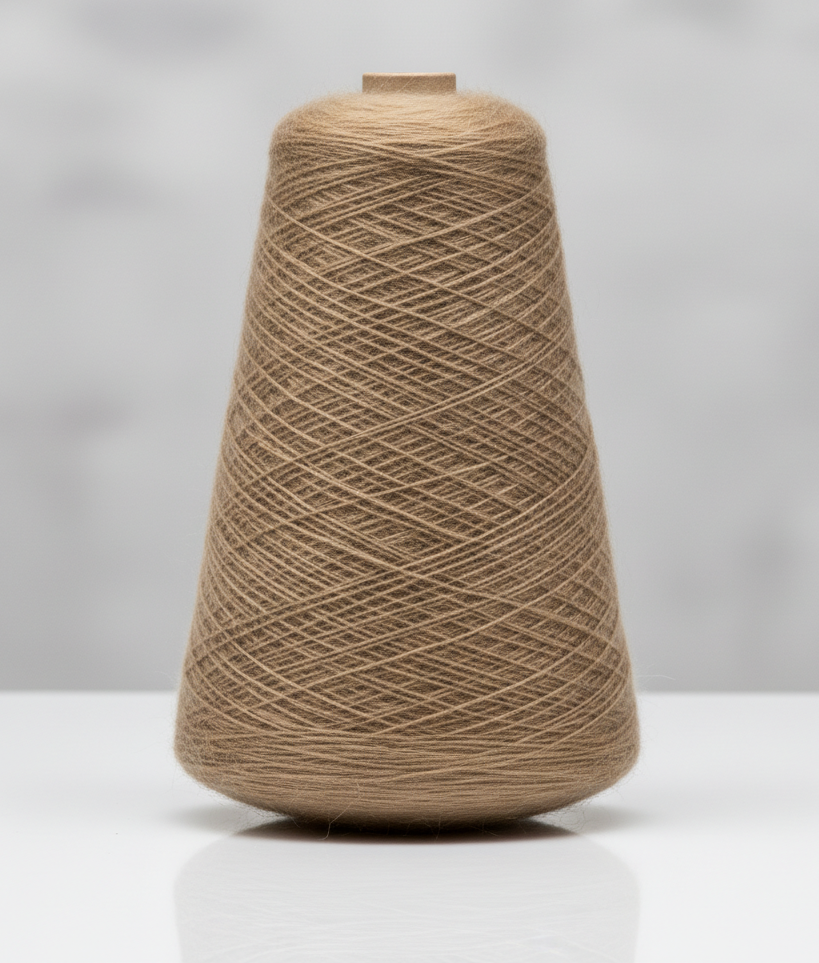
Mohair Yarn (Angora Goat)
Mohair comes from the Angora goat and is known for its distinct sheen and durability. It has a silky texture and reflective surface that gives garments a polished look.
It is often blended with other fibres to enhance its usability.
Key characteristics include:
- Silky and shiny appearance
- High luster and elasticity
- Strong yet lightweight
- Excellent drape and shape retention
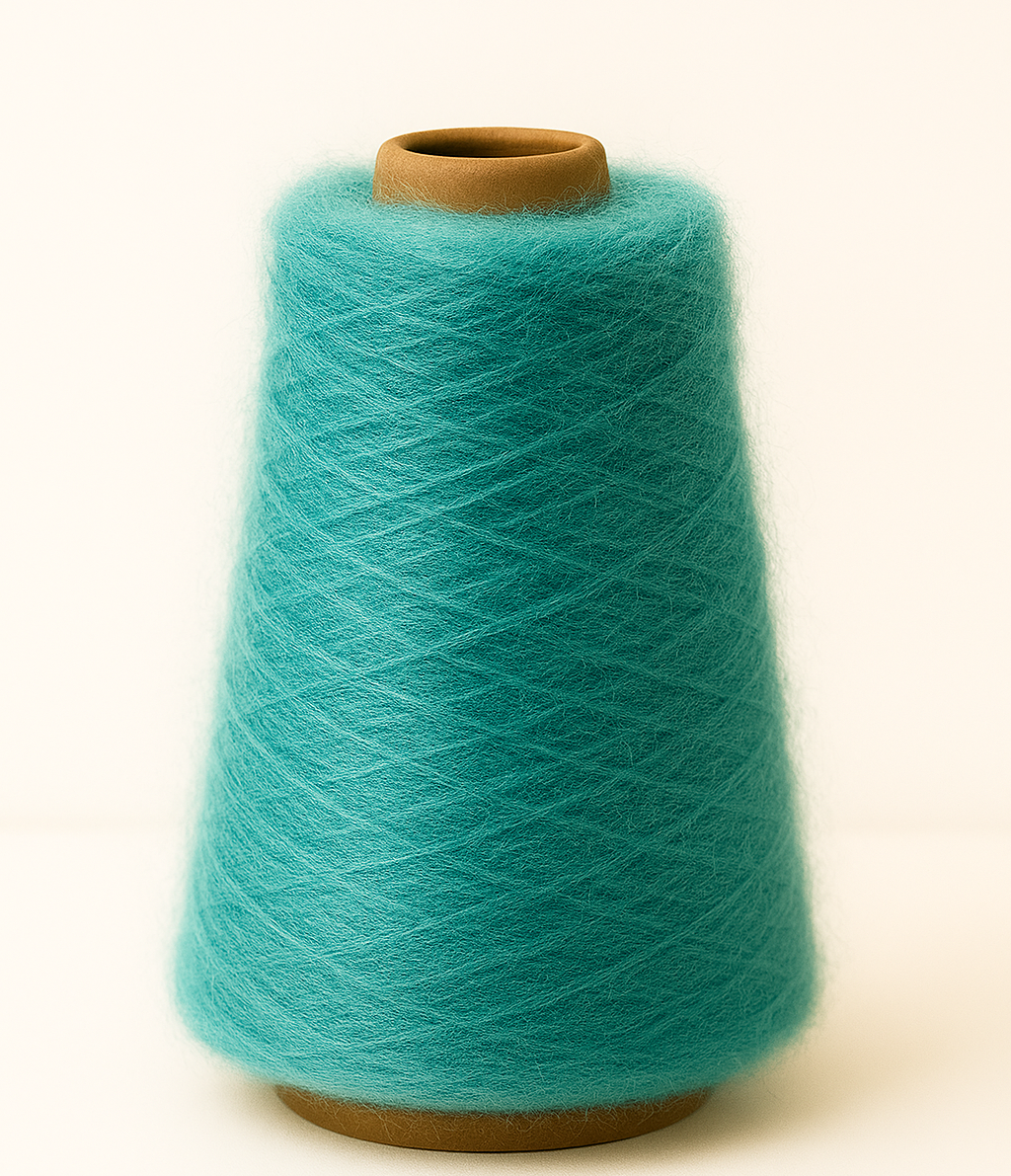
Alpaca Yarn
Alpaca fibre is soft, lightweight and naturally hypoallergenic due to the absence of lanolin. It provides excellent warmth without adding bulk.
It is particularly popular in winter garments and accessories.
Advantages include:
- Warmer and lighter than traditional wool
- Very soft and comfortable
- Durable and long-lasting
- Suitable for sensitive skin
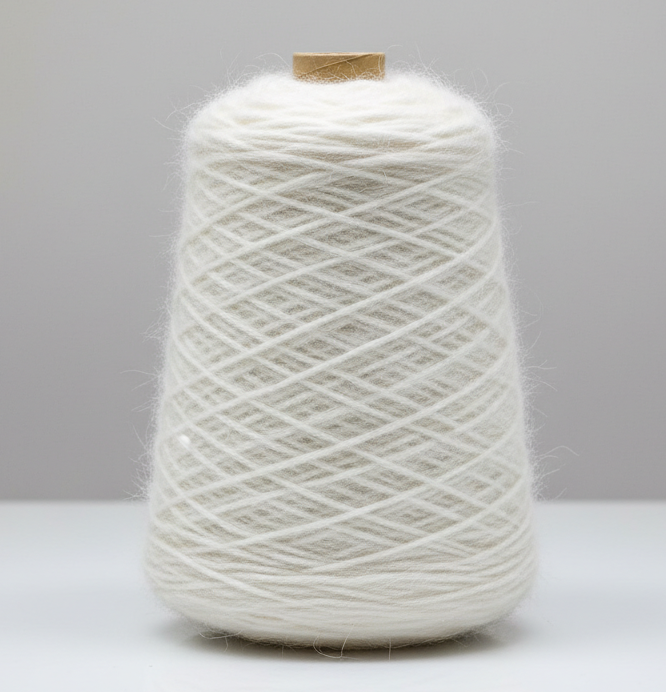
Angora Wool (Angora Rabbit)
Angora wool is sourced from Angora rabbits and is known for its extremely soft and fluffy texture. It creates a distinctive “halo” effect, giving garments a fuzzy and luxurious appearance.
It is often blended with other yarns to improve strength and durability.
Key benefits include:
- Ultra-soft and lightweight
- Excellent warmth and insulation
- Unique fluffy appearance (halo effect)
- Enhances softness in blended yarns

American Bison Yarn
Bison fibre is a rare and premium material known for its exceptional warmth and durability. It performs well even in extreme cold conditions.
Although not widely used, it is gaining attention in high-performance knitwear.
Why it stands out:
- Warmer than standard sheep wool
- Strong and highly durable
- Retains insulation even when wet
- Suitable for heavy-duty winter garments
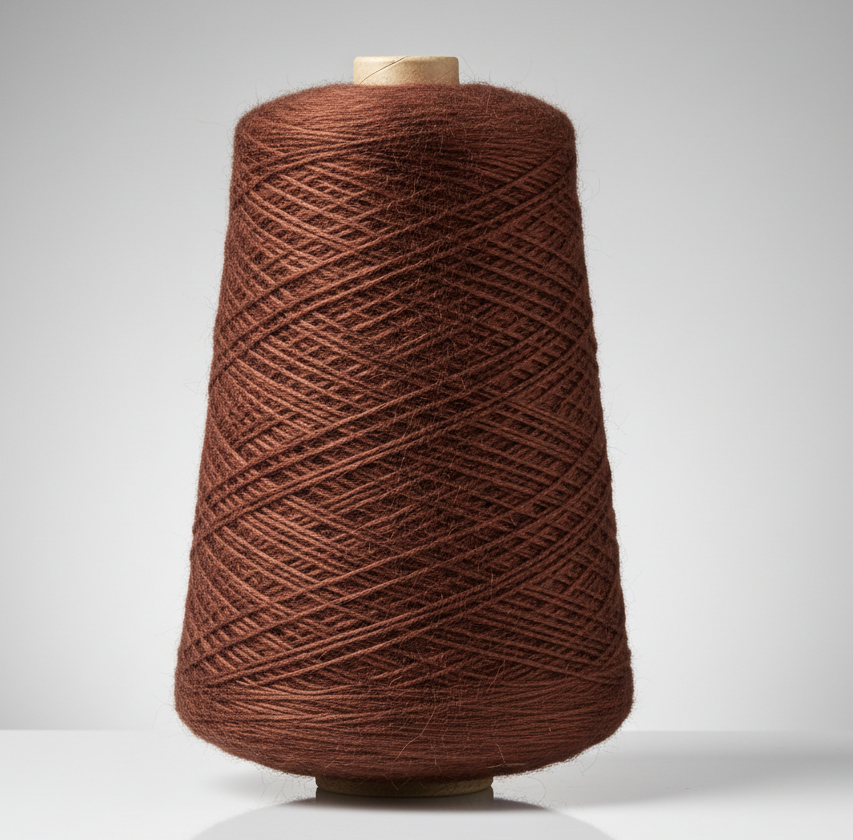
Yak Yarn
Yak wool is sourced from animals living in high-altitude regions, which makes the fibre naturally adapted to cold environments. It is soft, breathable and often compared to cashmere.
Key features include:
- Ultra-soft and luxurious feel
- Excellent thermal insulation
- Lightweight and breathable
- Ideal for premium winter sweaters
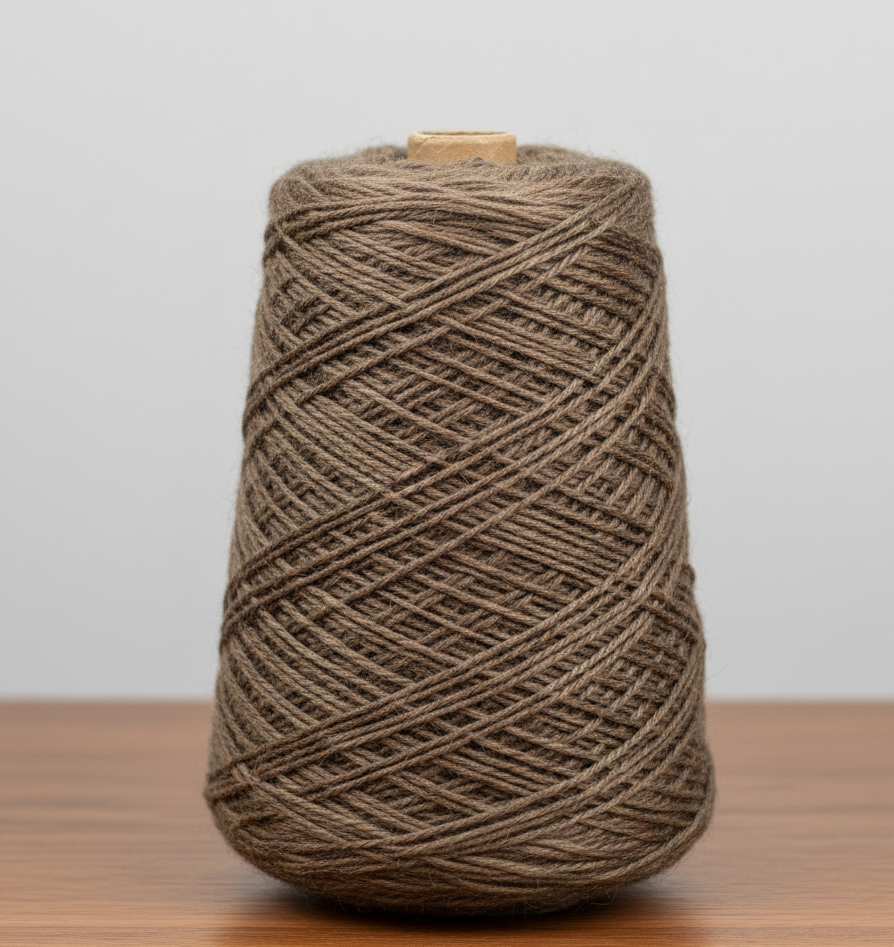
Llama Yarn
Llama fibre is similar to alpaca but slightly more textured. It offers natural warmth with durability and comes in a range of beautiful natural shades.
It is often used in artisanal or handcrafted knitwear.
Advantages include:
- Lightweight yet warm
- Strong and durable
- Naturally available in various earthy tones
- Suitable for hand-knit and specialty garments
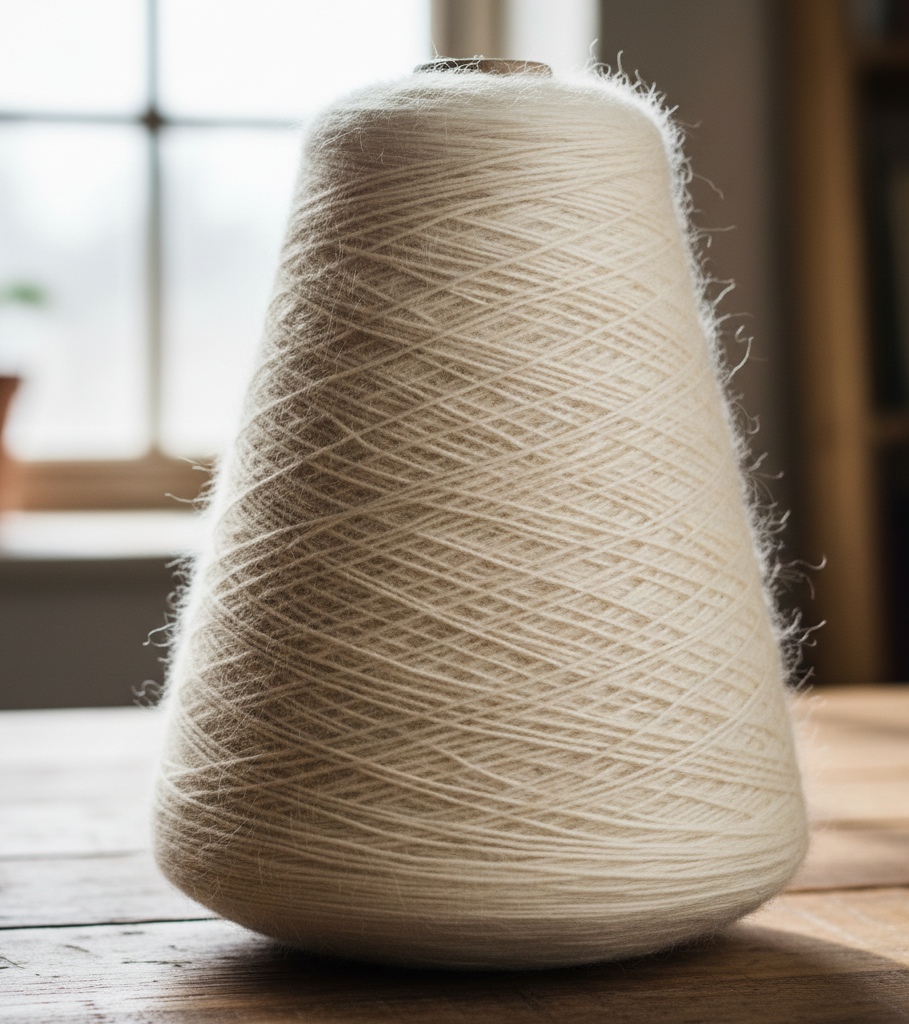
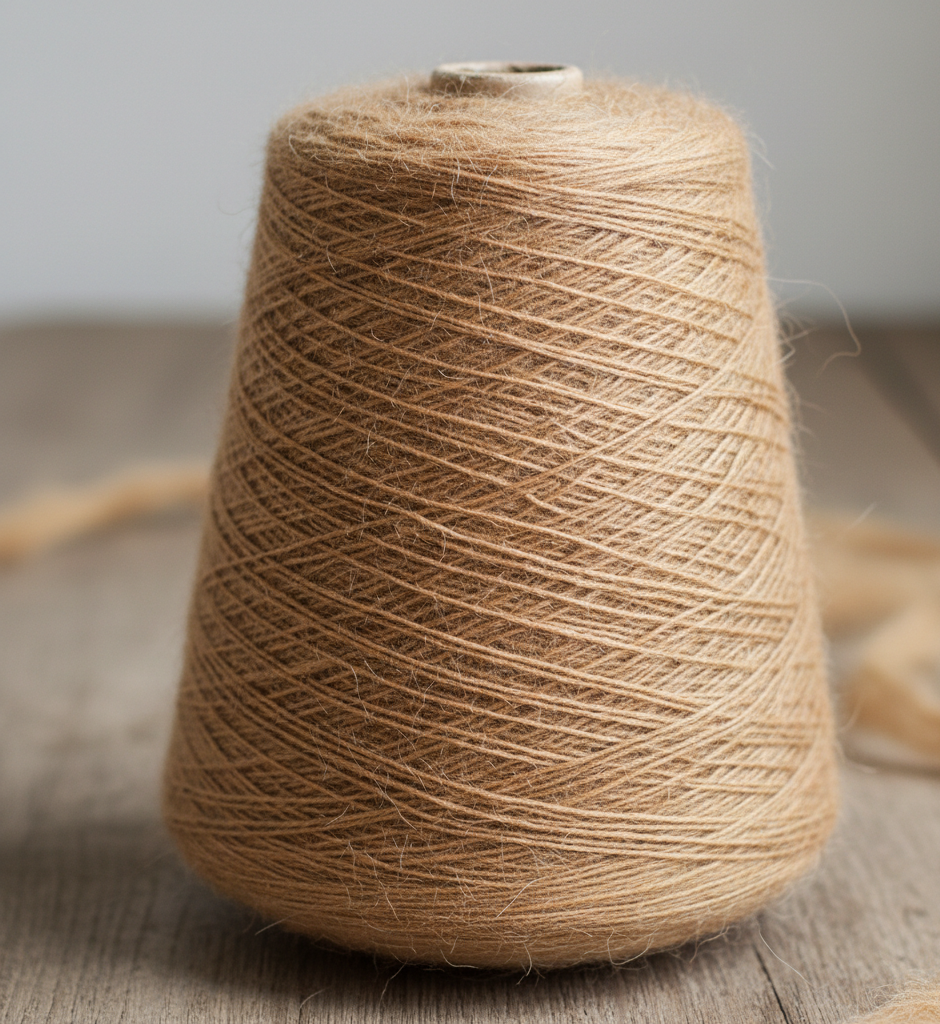
Camel Hair Yarn
Camel hair, particularly from the soft undercoat, is another luxury fibre known for its smooth texture and natural warmth. It has a rich and classic appeal, often associated with premium outerwear.
Key benefits include:
- Soft and smooth feel
- Excellent natural insulation
- Lightweight and comfortable
- Common in luxury sweaters and coats
Blended Yarns in Sweaters
While pure animal fibres are highly valued, most commercial sweaters use blended yarns to balance cost, performance and care requirements. Blending allows manufacturers to combine the best properties of different fibres while keeping products affordable and durable.
Common blends include:
- Acrylic–Wool: Warm, cost-effective and easy to maintain
- Cotton–Acrylic: Soft, lightweight and breathable
- Wool–Nylon: Improved durability and strength
- Cotton–Polyester: Reduced shrinkage and better cost control
- Cashmere–Wool: Premium feel with reduced cost compared to pure cashmere
While pure animal fibres are highly valued, most commercial sweaters use blended yarns to balance cost, performance and care requirements. Blending allows manufacturers to combine the best properties of different fibres while keeping products affordable and durable.
Common blends include:
- Acrylic–Wool: Warm, cost-effective and easy to maintain
- Cotton–Acrylic: Soft, lightweight and breathable
- Wool–Nylon: Improved durability and strength
- Cotton–Polyester: Reduced shrinkage and better cost control
- Cashmere–Wool: Premium feel with reduced cost compared to pure cashmere
Summary
Sweater manufacturing uses a wide mix of yarns depending on customer demand:
| Category | Examples | Purpose |
|---|---|---|
| Natural fibres | Wool, Cotton, Cashmere, Alpaca | Premium warmth, comfort |
| Synthetic fibres | Acrylic, Nylon | Cost-effective, durable |
| Blends | Wool–Acrylic, Cotton–Polyester | Balanced properties |
| Fashion Yarns | Bouclé, Chenille, Melange | Trend and texture |
In sweater manufacturing, yarn is more than just a raw material—it’s what defines how the garment feels, looks, and performs in everyday use. Whether it’s the softness of natural fibres, the strength of synthetic yarns, or the creativity of specialty yarns, each type plays an important role in shaping the final product.
By carefully selecting and combining different yarns, manufacturers can create sweaters that offer the right balance of comfort, durability, style, and cost. This flexibility allows brands to meet changing fashion trends while also delivering quality that customers expect.
✅ Simply put, the right yarn choice is the key to turning a basic sweater into a product that people enjoy wearing and value over time.