Yarn Crimp and Hairiness in Textiles: Types, Measurement and Impact
March 03, 20266 min read
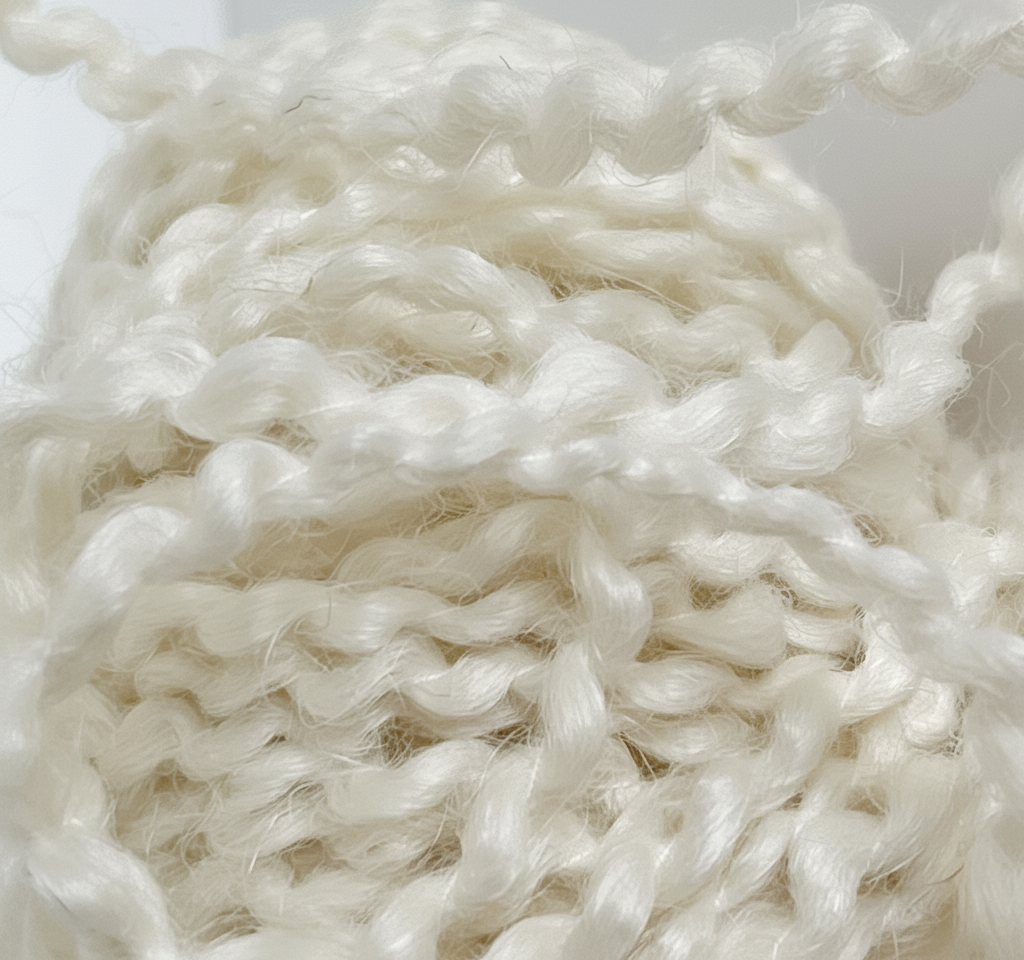
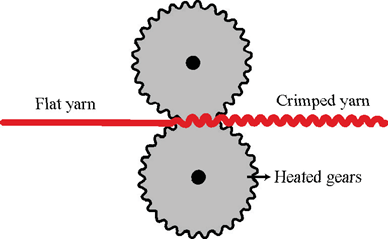
Yarn crimp is basically the waviness or slight curvature you see along the length of a yarn. Instead of running straight, the yarn follows a kind of zigzag or wavy path.
Some fibres, like wool, already have this built in. Others — especially synthetics — need to be crimped mechanically or chemically to get that effect.
They’re different properties, but not completely separate.
Higher crimp → more bulk, sometimes slightly more hairiness
Controlled crimp → better comfort without too much fuzz
Too much of both → fabric can look messy
So it always comes down to balance.
Practical Applications
Fabric Type
Preferred Crimp
Preferred Hairiness
Knitwear
High
Medium
Sweaters
High
Medium–High
T‑shirts
Low–Medium
Low
Fleece
High
Medium
Formal Wovens
Low
Very Low
Summary
Yarn crimp is the waviness that gives bulk, stretch and warmth.
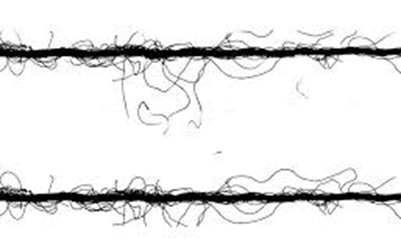
Yarn hairiness is all about those loose fibres on the surface — affecting feel, appearance and pilling.
Both need to be controlled carefully depending on the end use. Too little or too much of either… and the fabric won’t perform the way you want.
In the end, it’s really about getting the balance right — that’s what separates an average fabric from a good one.
References & Sources
V.K. Kothari – Testing and Quality Management in Textiles.
The Textile Institute (UK) – Textile Terms and Definitions.
Uster Technologies AG – Technical publications on yarn hairiness, yarn evenness, compact spinning, pilling behavior, and yarn performance.
Rieter Machine Works Ltd. – Technical resources on fibre alignment, yarn structure, compact spinning, and yarn quality optimization.
ASTM International – Standards for yarn testing, fibre properties, pilling evaluation, and textile performance.
Disclaimer: This content is intended for educational and training purposes only. Yarn crimp, yarn hairiness, and their effects on fabric performance may vary depending on fibre type, yarn count, spinning method, twist level, finishing treatments, testing procedures, and end-use requirements. For product development, quality assurance, or commercial applications, refer to applicable industry standards and laboratory testing results.
Written by
Alam Mohammad Shafiqul
Lead Editor, Senior Contributor & Founder
Textile Technology
Textile engineering professional with over 15 years of experience in Sweater Manufacturing, Industrial Engineering and Technical Development. Holds a degree in Textile Engineering and an MBA in Apparel Merchandising. Passionate about bridging the gap between factory-floor operations and technical expertise to drive efficiency, innovation, and continuous improvement.
Textile EngineeringSweaterIndustrial EngineeringLean Six SigmaPythonJS