Types of Nonwoven Fabrics: Spunbond, Meltblown, Spunlace and Needle‑Punched Applications in Textiles
March 10, 20266 min read
Nonwoven fabrics can be categorized in different ways based on their manufacturing process, bonding method and the type of fibers used. The knowledge of these classifications is important in selecting the suitable material for specific applications such as apparel, medical, automotive and filtration. Knowing these classifications will help you select the right material for specific applications such as apparel, medical, automotive and filtration.
Types of Non woven fabric
Nonwovens can be broadly classified by three key factors: web formation technology, bonding methods, fiber composition and end-use applications, due to the technical flexibility of nonwoven fabrics. The knowledge of these categories helps industries to choose the most suitable material for their needs.
Types based on web formation technology
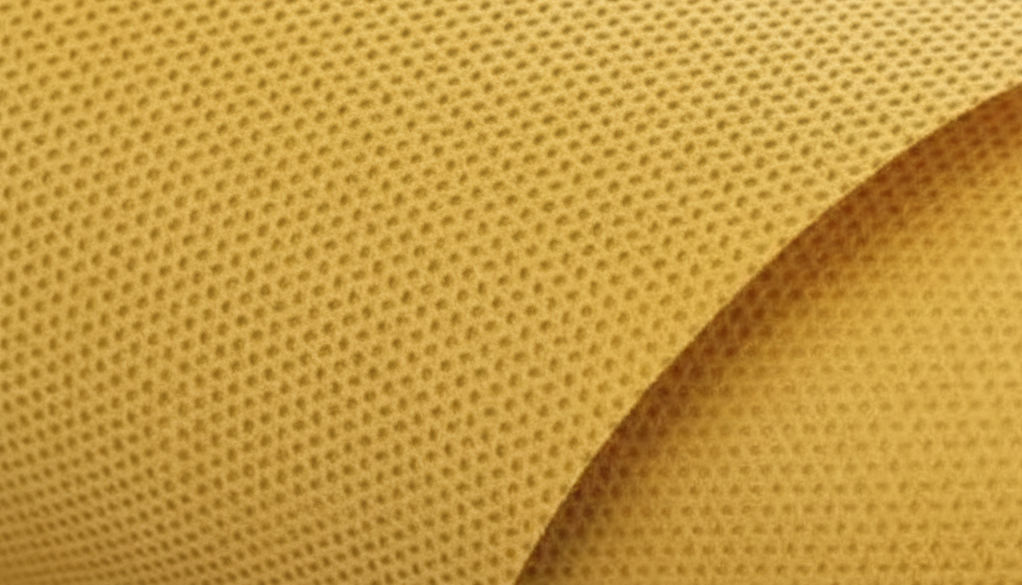
Spunbond nonwoven
Spunbond nonwovens are manufactured from continuous filaments, extruded from polymers such as polypropylene (PP) or polyester (PET). These filaments are cooled, stretched and randomly laid on a moving conveyor belt to form a web.
The result is a strong, light and very even fabric. Spunbond nonwovens are widely used in shopping bags, disposable medical clothing, agricultural covers, and packaging materials. They are one of the most widely used types of nonwovens worldwide due to their cost efficiency and high speed of production.
Spunbond nonwoven
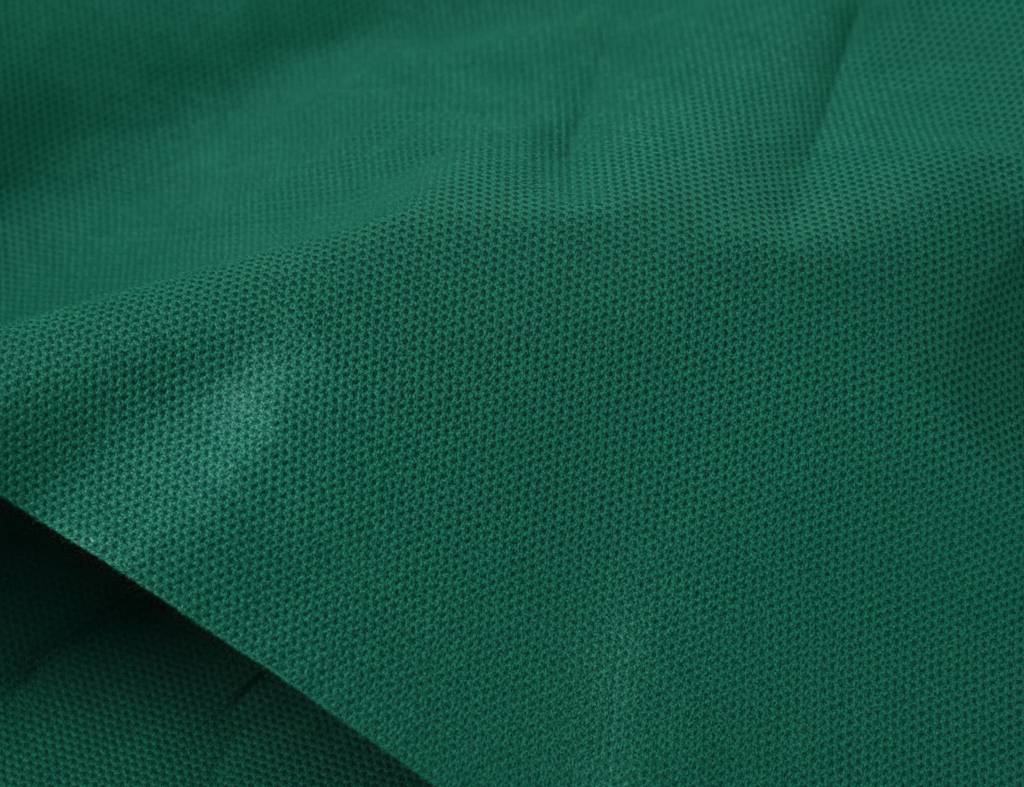
Meltblown nonwoven
Meltblown technology uses high-speed hot air to blow molten polymer into very fine fibers. These microfibers form a dense and compact web with very small pore size.
These characteristics give meltblown nonwovens excellent filtration efficiency, making them ideal for use in N95 masks, air and liquid filtration systems, and oil absorbent materials. They are not as strong as spunbond fabrics, but no other fabric can rival their filtration performance.
Meltblown nonwoven
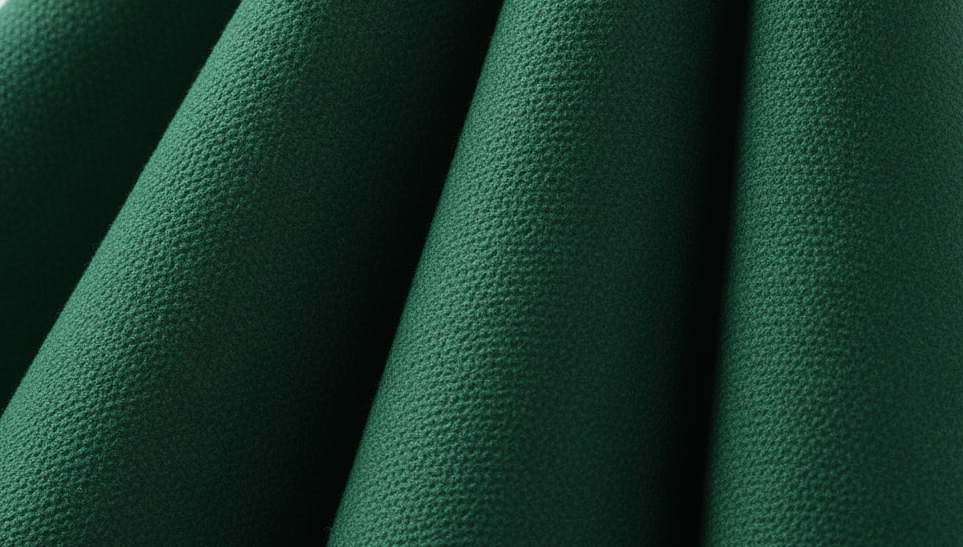
SMS / SMMS / SSMMS composite nonwoven
Composite nonwovens are made up of multiple layers of spunbond (S) and meltblown (M) fabrics. For instance, SMS is short for Spunbond–Meltblown–Spunbond.
These multilayer structures offer a balance of strength, softness, breathability and barrier protection. They have wide application in medical and hygiene products like surgical gowns, masks, diapers, protective suits. This combination of layers allows manufacturers to design fabrics that have specific performance characteristics.
SMS / SMMS / SSMMS composite nonwoven
Spunlace (hydroentangled) nonwoven
Spunlace nonwovens are created by tangling fibers together with high-pressure water jets, without the use of any adhesives. The result: a fabric that is both soft and durable.
Because of their textile-like feel and absorbency, spunlace fabrics are very popular for use as wet wipes, facial tissues, medical gauze, and cleaning cloths. They are particularly useful in applications where comfort and softness are important. Spunlace (hydroentangled) nonwoven
Air‑laid nonwoven
Air-laid technology uses an air stream to disperse fibers and deposit them randomly onto a forming surface. This leads to a heavy, porous fabric with a very good absorbency.
Air-laid nonwovens are widely used in the absorbent cores of diapers, sanitary napkins and adult incontinence products. They are essential in hygiene applications because they can hold large volumes of liquid.
Air‑laid nonwoven
Wet‑laid nonwoven
Wet laid nonwovens are made in a similar process to papermaking. Fibers are suspended in water and then deposited on a screen.
The technique produces thin, uniform and smooth fabrics, which are used in tea bags, medical disposables, battery separators and filtration papers.
Wet‑laid nonwoven
Types based on mechanical bonding
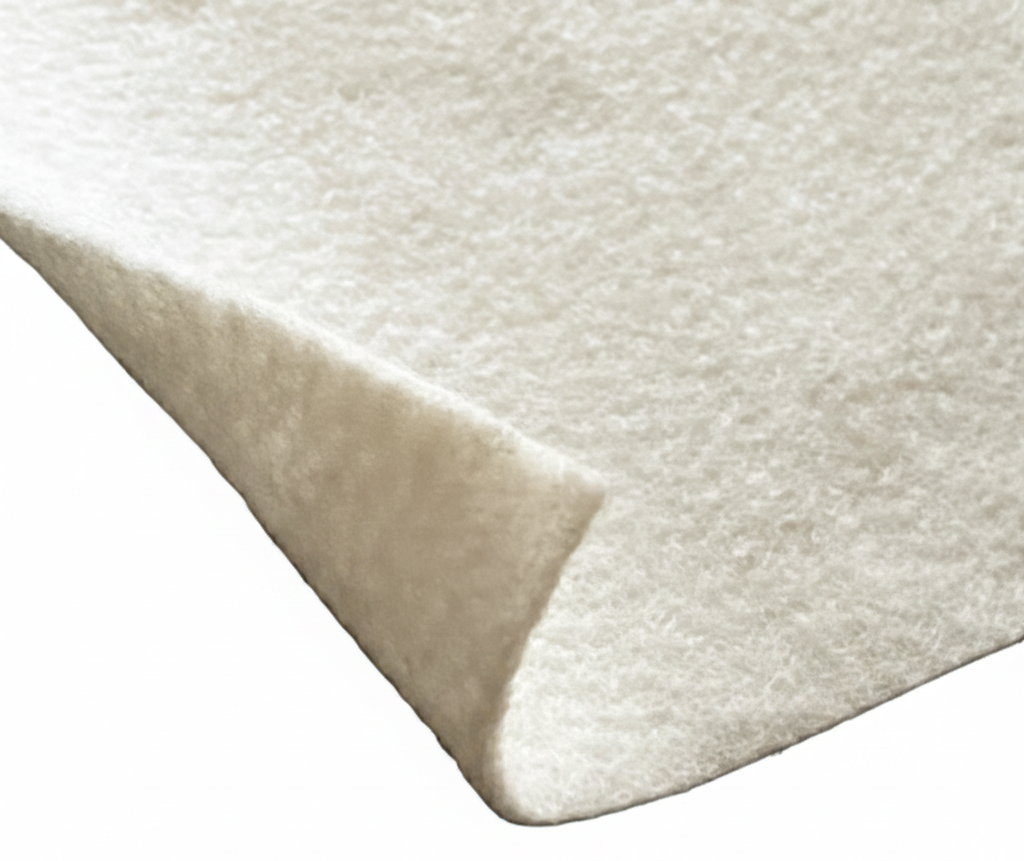
Needle‑punched nonwoven
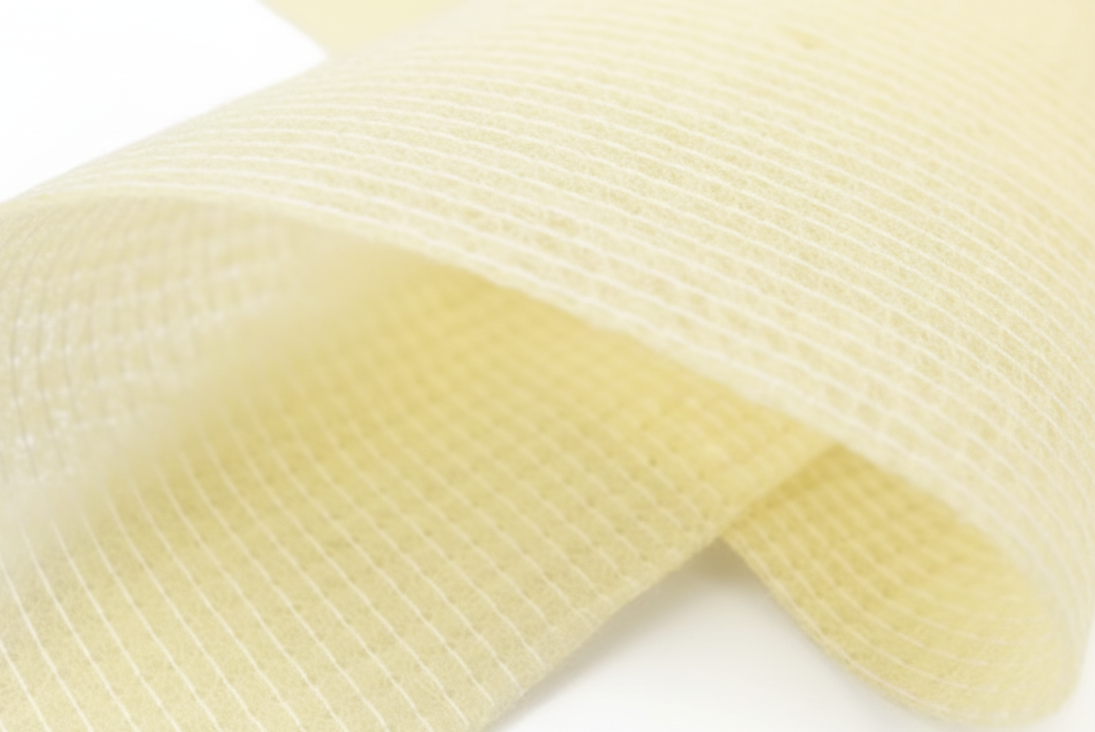
Needle punching is a process of mechanically entangling the fibres by repeatedly piercing the fibre web with barbed needles.
This technique creates strong, heavy, and durable fabrics, which are widely used in carpets, automotive interiors, geotextiles and insulation materials.
Needle‑punched nonwoven
Stitch‑bonded nonwoven
Stitch bonding: The fibers are bonded together by means of stitching threads or knitting techniques.
This gives extra strength and reinforcement making the fabric suitable for applications such as shoe linings, furniture upholstery and construction textiles.
Stitch‑bonded nonwoven
Types based on thermal bonding
Thermal‑bonded nonwoven
Thermal bonding fuses fibers together by applying heat and pressure, usually with heated rollers.
The result is a smooth, clean and uniform fabric which is widely used in hygiene products, wipes and medical textiles.
Air‑through bonded nonwoven
This process involves blowing hot air through the fiber web to melt only the bonding fibers, but keep the structure.
It produces soft, bulky and breathable fabrics that are ideal for diaper top sheets and padding applications.
Types based on chemical bonding
Chemical‑bonded nonwoven
This process uses liquid binders such as latex or resin to bind fibres together.
It gives stiffness, dimensional stability and durability and is suitable for interlinings, industrial wipes and technical fabrics.
Types based on fiber material
Synthetic fiber nonwovens
Polypropylene, polyester, polyethylene or nylon. These are popular for their durability, consistency and cost effectiveness.
Natural fiber nonwovens
It is made from cotton, bamboo, woodpulp, jute or hemp. Wipes, hygiene products, eco friendly fabrics and disposables.
Biodegradable nonwovens
Made from PLA, bamboo viscose or biodegradable blends. More and more used for environmentally friendly applications.
Specialty nonwoven fabrics based on end use
Geotextile nonwovens
Usually needle punched or thermal bonded. Used for road construction, drainage systems, erosion control and soil separation.
Medical and hygiene nonwovens
These include spunbond, meltblown, SMS and spunlace types. Used in masks, gowns, drapes, diapers and sanitary napkins.
Filtration nonwovens
Made of meltblown or needle-punched technology. Air filter, water filtration, HVAC systems and industrial dust collection.
Automotive nonwovens
Used in trunk liners, insulation, carpets and seat cushions.
References & Sources
INDA (Association of the Nonwoven Fabrics Industry) – Nonwoven definitions, web formation technologies, bonding methods, fiber classifications, performance characteristics, and industry applications.
EDANA (European Disposables and Nonwovens Association) – Nonwoven manufacturing technologies, hygiene applications, sustainability initiatives, and technical standards.
ISO 9092 – Textiles — Nonwovens — Definition and classification of nonwoven fabrics.
The Textile Institute – Nonwoven materials, fiber bonding technologies, technical textiles, filtration media, and industrial applications.
Russell, S.J. Handbook of Nonwovens – Comprehensive reference on spunbond, meltblown, spunlace, air-laid, wet-laid, needle-punched, thermal-bonded, and chemical-bonded nonwovens.
Albrecht, W., Fuchs, H., & Kittelmann, W. Nonwoven Fabrics: Raw Materials, Manufacture, Applications, Characteristics, Testing Processes – Nonwoven production processes and end-use performance.
Disclaimer: This article is intended for educational and informational purposes only. Nonwoven fabric properties, manufacturing processes, performance characteristics, and applications may vary depending on raw materials, fiber specifications, machine configuration, bonding technology, product design, and end-use requirements.
Written by
Alam Mohammad Shafiqul
Lead Editor, Senior Contributor & Founder
Textile Technology
Textile engineering professional with over 15 years of experience in Sweater Manufacturing, Industrial Engineering and Technical Development. Holds a degree in Textile Engineering and an MBA in Apparel Merchandising. Passionate about bridging the gap between factory-floor operations and technical expertise to drive efficiency, innovation, and continuous improvement.
Textile EngineeringSweaterIndustrial EngineeringLean Six SigmaPythonJS