What Is Fashion?
Fashion is the living representation of style, affected by what we wear, who we are, how we feel and where we fit into society. It is the way people communicate without words, with colour, with fabric, with silhouette and even with the way garments are worn.Fashion is driven by a number of forces working in tandem:
- Culture & tradition
- Economic conditions
- Political environments
- Technology & innovation
- Media, celebrities & influencers
Apart from these, fashion also reacts to human psychology. People dress differently when they want to feel confident , rebellious , professional or relaxed . For example, a formal suit can represent authority, whereas casual streetwear can convey comfort and individuality.
Opinion: Fashion is not only about following trends, it’s also a form of storytelling. Every outfit tells us something about the personality, status or mood of the wearer, without words. Fashion is, in a way, one of the most democratic art forms. It’s open to all of us.
A Brief History of Fashion
Fashion didn’t just come out of nowhere, it’s been evolving for thousands of years, along with human civilization.
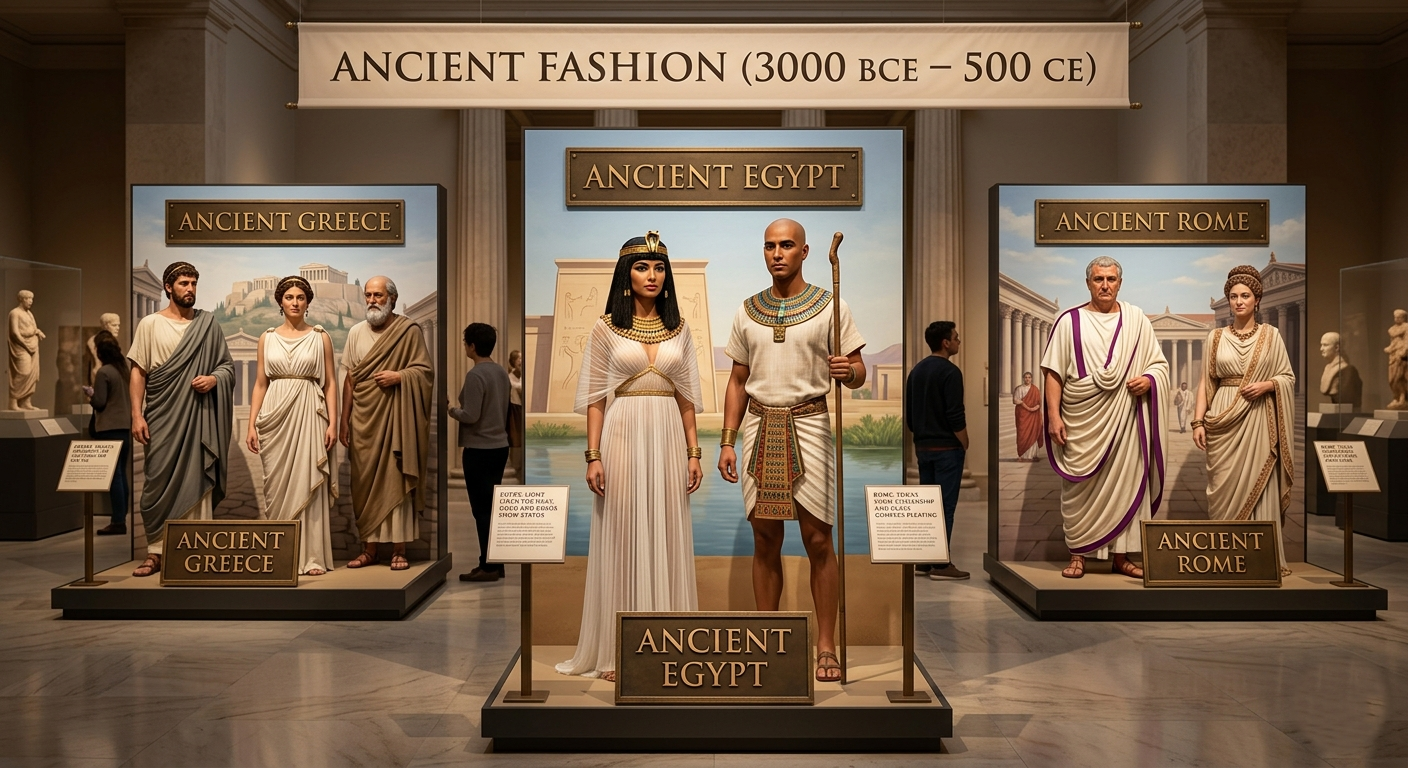
🏺 Ancient Fashion (3000 BCE – 500 CE)
In ancient civilisations such as those of Egypt, Mesopotamia, Greece and Rome, clothing was largely determined by climate and function, but also carried a symbolic meaning. The Egyptians wore light linen because of the heat and the Romans wore draped garments like togas to show citizenship and class.Clothing was also a marker of power and spirituality. Kings and priests in fancy robes, often decorated with gold or precious stones.
In this period style was not a matter of change—it was relatively stable for centuries.
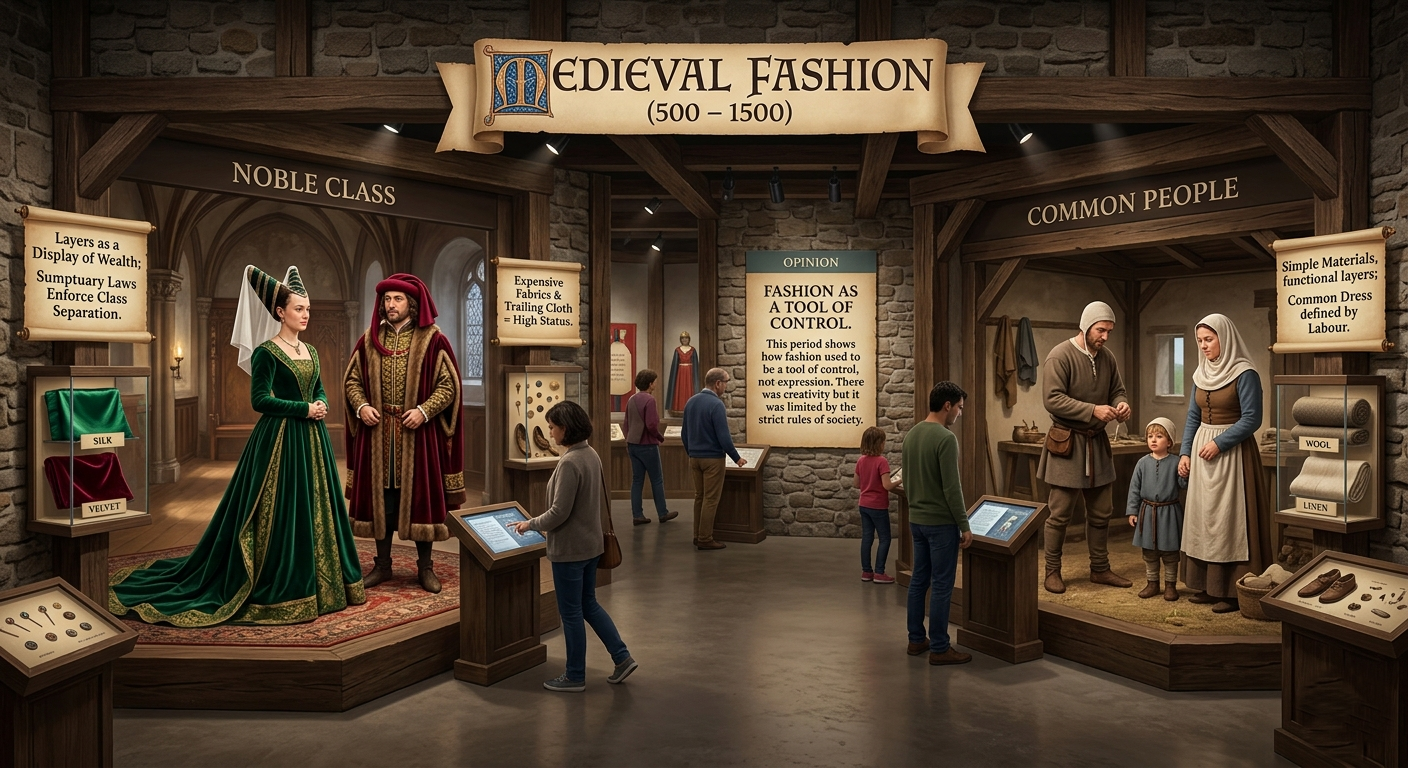
👑 Medieval Fashion (500 – 1500)
In mediaeval times, fashion became very associated with status. The nobles wore expensive fabrics such as silk and velvet and the common people wore simple wool or linen.Layers were common, not just to keep warm, but to show wealth. The more fabric you bought, the better your standing seemed to be. Governments even passed sumptuary laws, prohibiting the lower classes from wearing certain fabrics or colours.
Opinion: This period shows how fashion used to be a tool of control, not expression. There was creativity but it was limited by the strict rules of society.
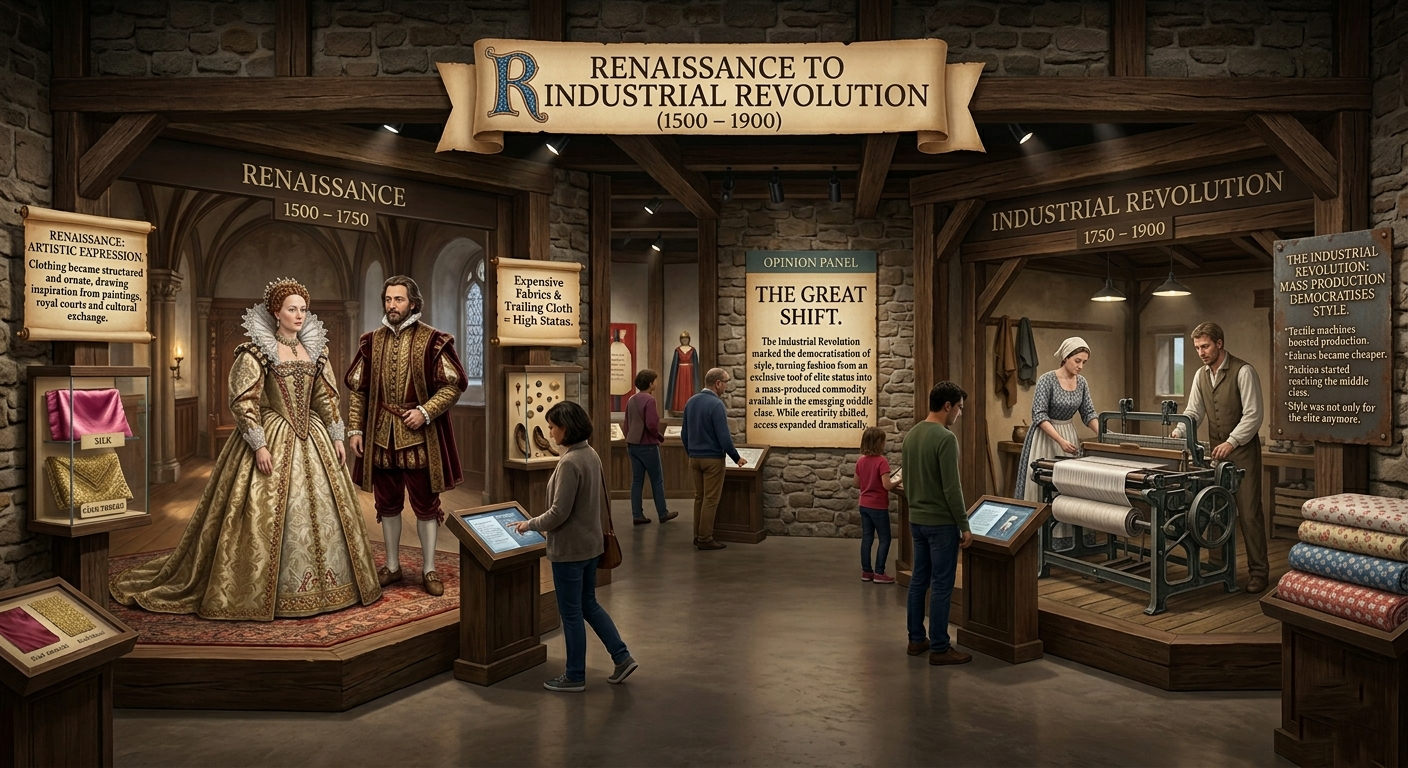
🎩 Renaissance to Industrial Revolution (1500 – 1900)
In the Renaissance, fashion was an expression of art. Clothing became more structured and ornate, drawing inspiration from paintings, royal courts and cultural exchange. Then came the Industrial Revolution and everything changed.
- Textile machines boosted production
- Fabrics became cheaper
- Fashion started reaching the middle class
Mass production was the start of democratising fashion, style was not only for the elite anymore.
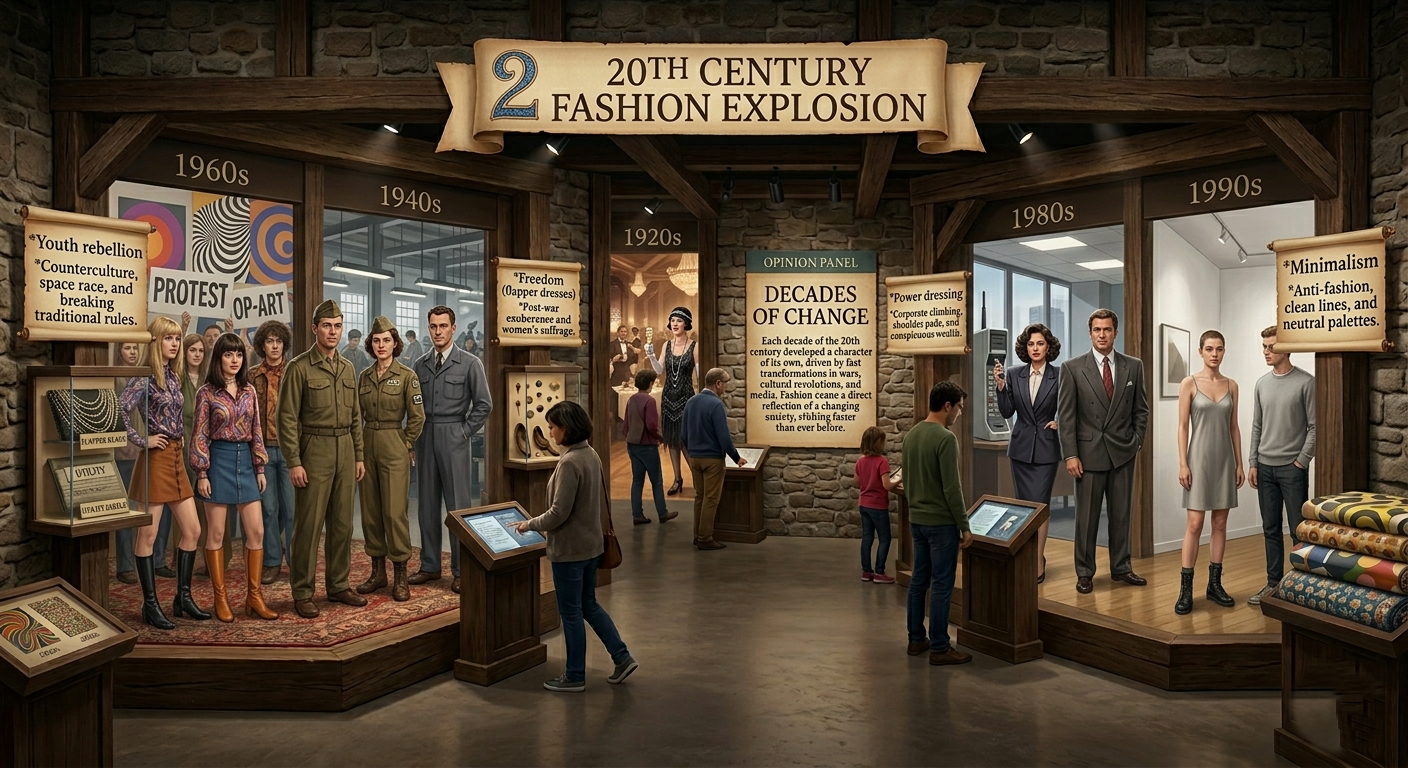
👠 20th Century Fashion Explosion
20th century has witnessed fast transformations in wars, cultural revolutions and media.
Each decade had a character of its own:
- 1920s: Freedom (flapper dresses)
- 1940s: Utility (wartime clothing)
- 1960s: Youth rebellion
- 1980s: Power dressing
- 1990s: Minimalism
Fashion became more about self-expression and individuality than ever before.
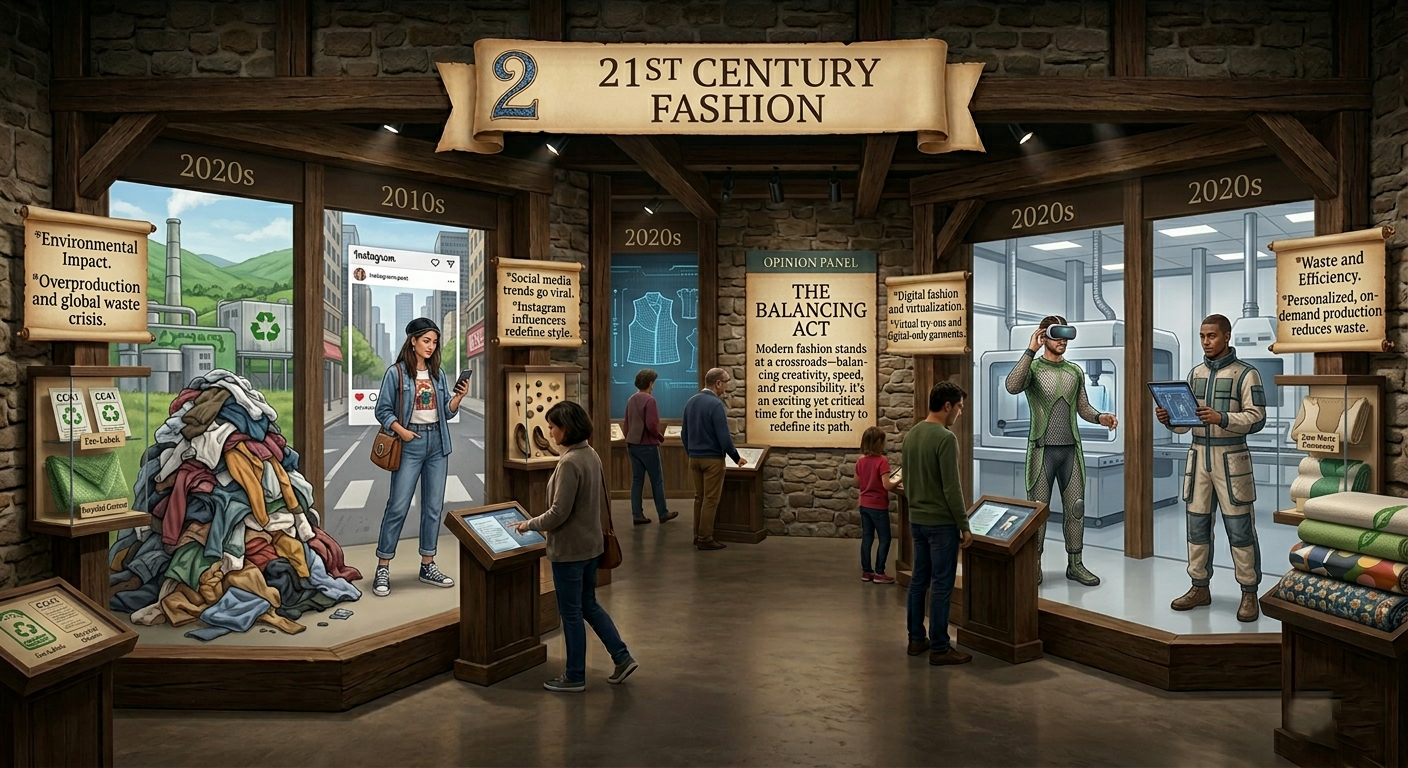
🌐 21st Century Fashion
Today, fashion is global, digital and fast moving. Social media trends go viral. They spread in seconds and reach all corners of the planet in days. But such speed comes with challenges:
- Environmental impact
- Overproduction
- Waste
Opinion: Modern fashion stands at a crossroads—balancing creativity, speed and responsibility. It’s an exciting yet critical time for the industry.
Evolution of Fashion Trends (Table)
| Era | Key Style Features | Influences | Materials | Further Insights |
|---|---|---|---|---|
| Ancient | Draped garments | Religion, climate | Linen, cotton | Function dominated design |
| Medieval | Layered clothing | Class system | Wool, silk | Strict control of fashion |
| Renaissance | Structured tailoring | Art, royalty | Velvet, brocade | Rise of aesthetics |
| Industrial Age | Mass production | Technology | Cotton blends | Accessibility increased |
| 20th Century | Diverse styles | Media, wars | Synthetics | Identity-driven fashion |
| 21st Century | Fast & digital | Globalization | Sustainable fabrics | Ethical concerns rising |
Fashion evolution shows a clear shift:
From function → hierarchy → art → accessibility → identity → responsibility
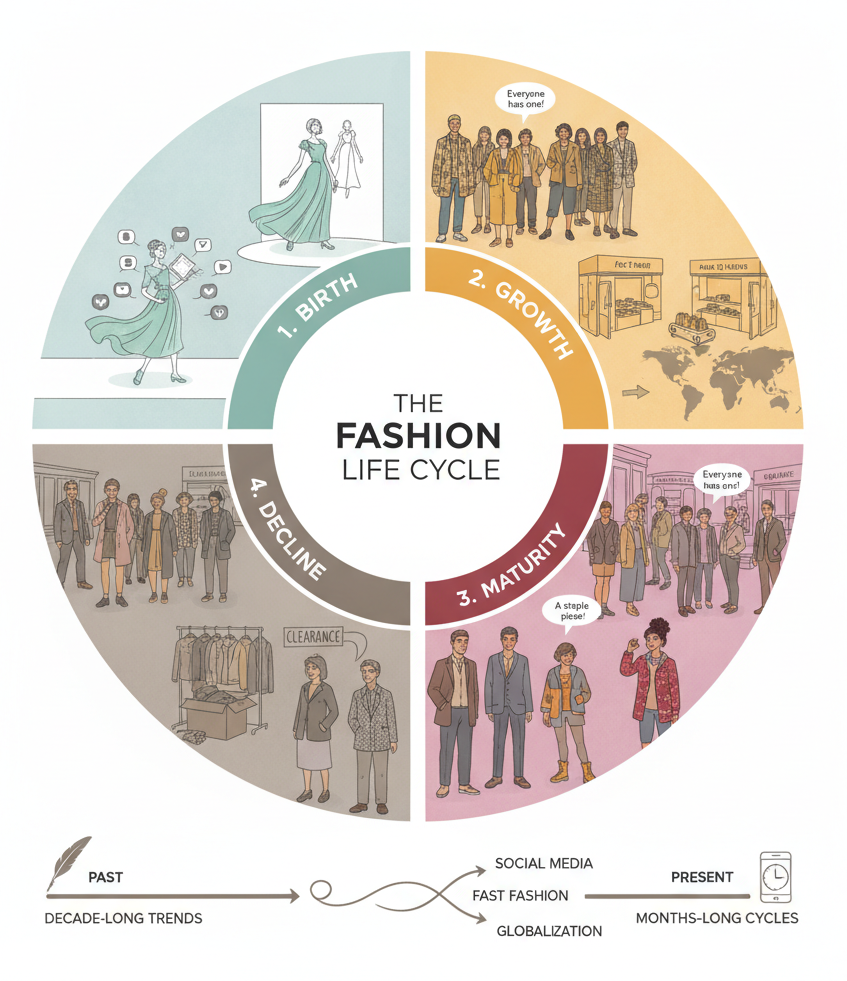
How Fashion Trends Form (Expanded Flow Explanation)
Flowchart
Cultural Influence
↓
Social & Political Change
↓
Designer Innovation
↓
Celebrity & Media Adoption
↓
Consumer Acceptance
↓
Mass Production (Brands)
↓
Trend Saturation
↓
Decline & Replacement
↓
New Trend Emerges
Each stage represents a critical transformation:
- Cultural Influence: Traditions and lifestyles inspire ideas
- Social Change: Events like wars or movements reshape needs
- Designer Innovation: Creative minds translate ideas into garments
- Media Influence: Celebrities amplify visibility
- Consumer Behavior: Public decides what's popular
- Mass Production: Brands scale it for the market
Opinion: Trends are rarely accidental—they are a result of a chain reaction. Interestingly, consumers now play a bigger role than ever, especially through social media.
Types of Fashion
Fashion isn’t one thing, but a multitude of types and styles, with their own purpose, identity and occasion.” Knowing these types helps us to understand how fashion works in industry and in everyday life.
Haute Couture (High Fashion)
Haute couture represents the highest level of fashion craftsmanship. These are custom-made garments designed by top fashion houses such as Chanel, Dior and Valentino.
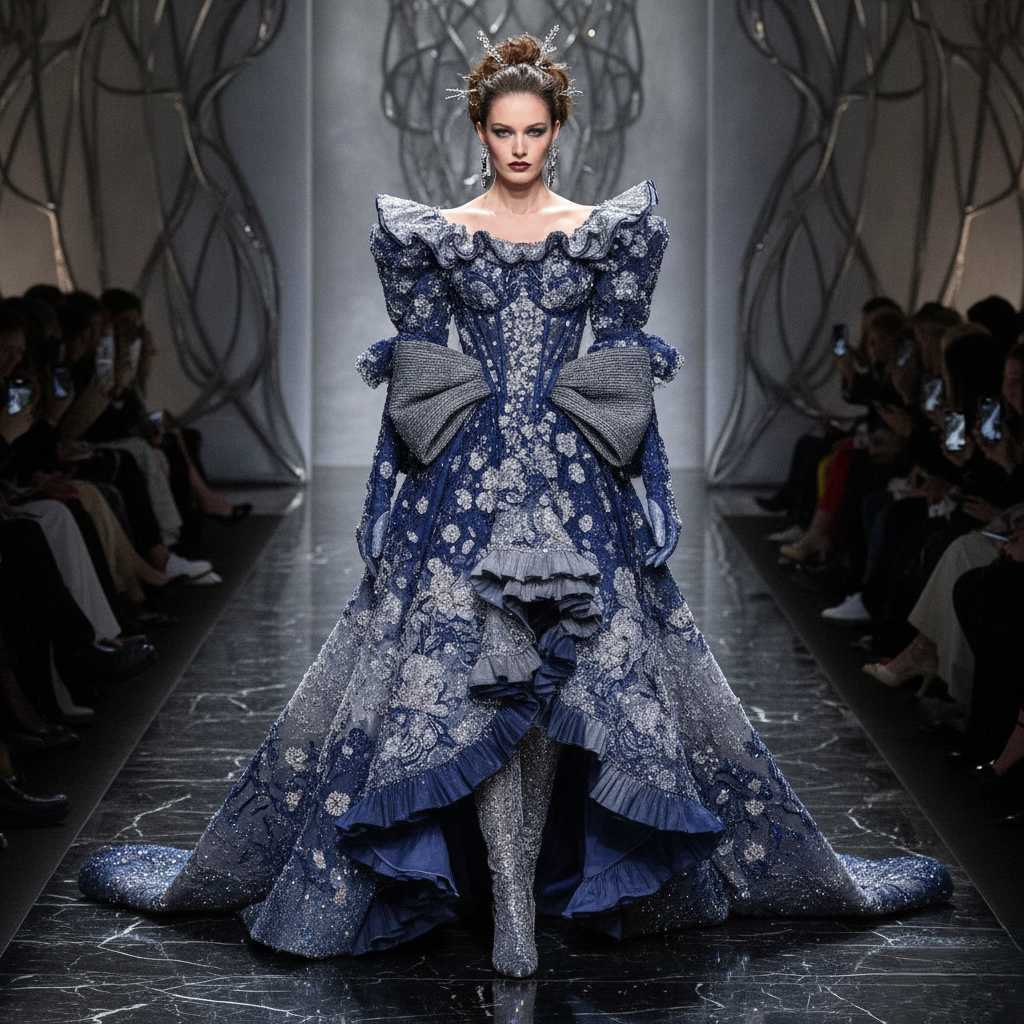
Key Characteristics:
- Made-to-measure for individual clients
- Extremely high-quality materials
- Handcrafted with precision
- Very expensive and exclusive
These garments are often showcased in fashion shows, not for everyday wear but to demonstrate creativity and innovation.
💡 Opinion: Haute couture is like fine art—it’s not always practical, but it defines the future direction of fashion.
Ready-to-Wear (Prêt-à-Porter)
Ready-to-wear is the bridge between luxury and practicality. They come in regular sizes, but have the designer look.
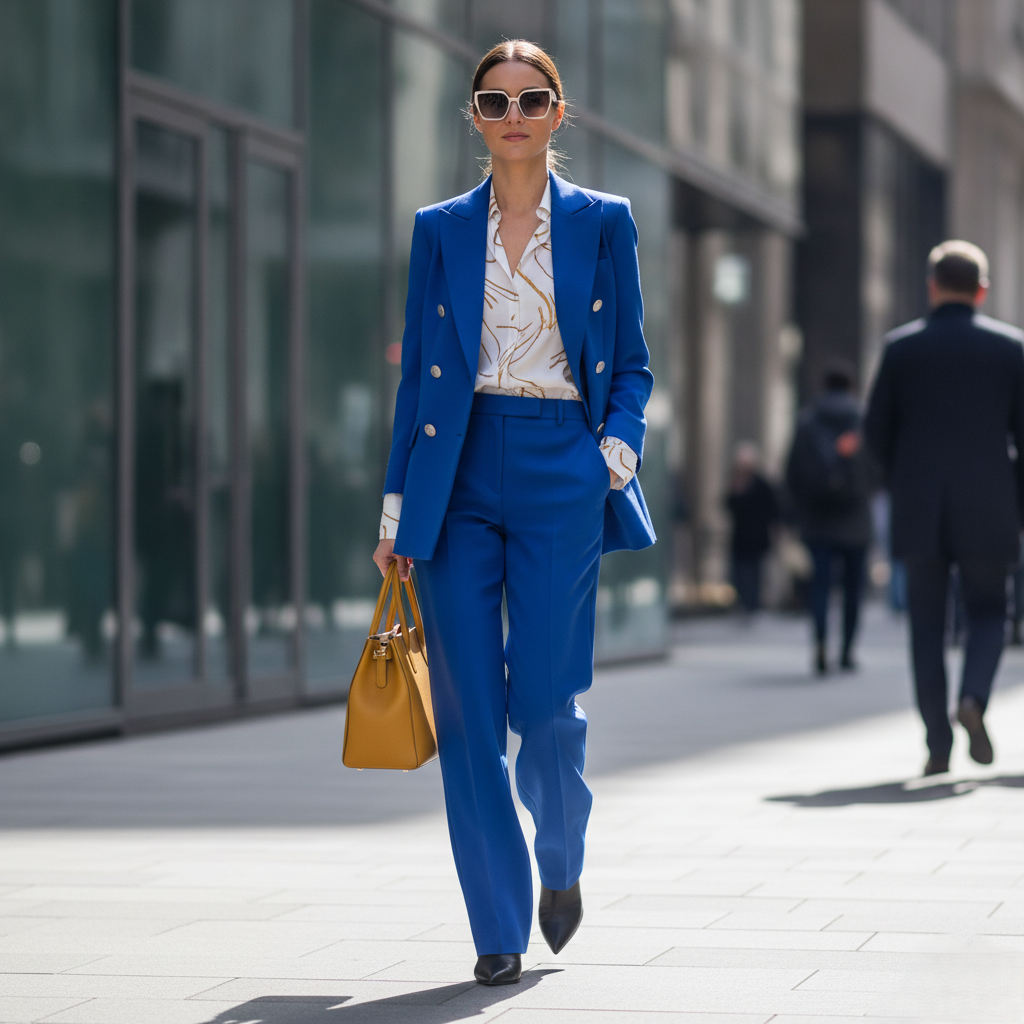
- Available in boutiques and retail stores
- Less expensive than couture
- More wearable and functional
These collections define seasonal trends and influence mass fashion. This is where design meets market demand.
Fast Fashion
Fast fashion is all about speed and affordability. “Brands can make clothes based on what’s trending and get them to stores within weeks
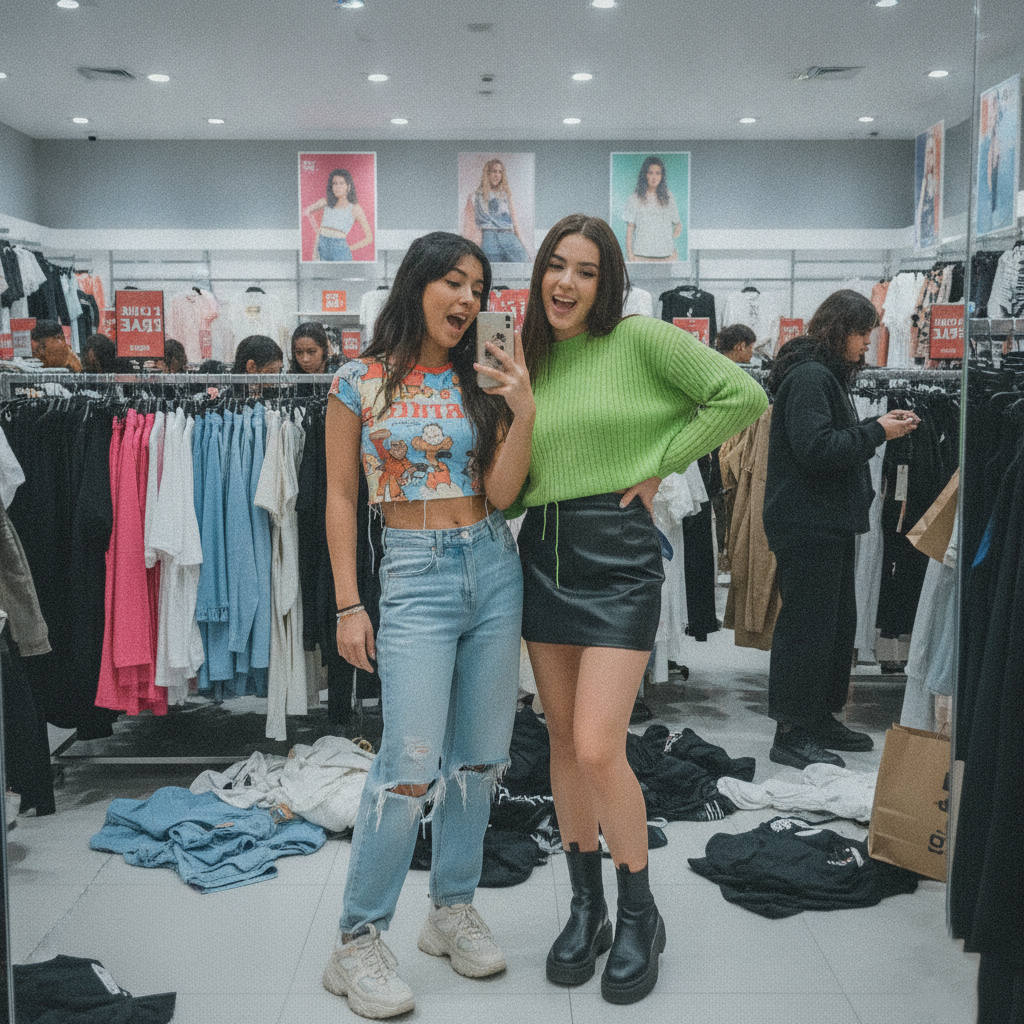
Important Points:
- Rapid production cycles
- Low cost
- Trend-focused design
But it also raises concerns:
- Environmental impact
- Labor issues
- Short product lifespan
Opinion: Fast fashion is efficient from a production perspective but problematic in sustainability—it’s a major challenge for modern industrial engineers and supply chains.
Slow Fashion
Slow fashion is the opposite of fast fashion, it’s all about quality, sustainability and ethics
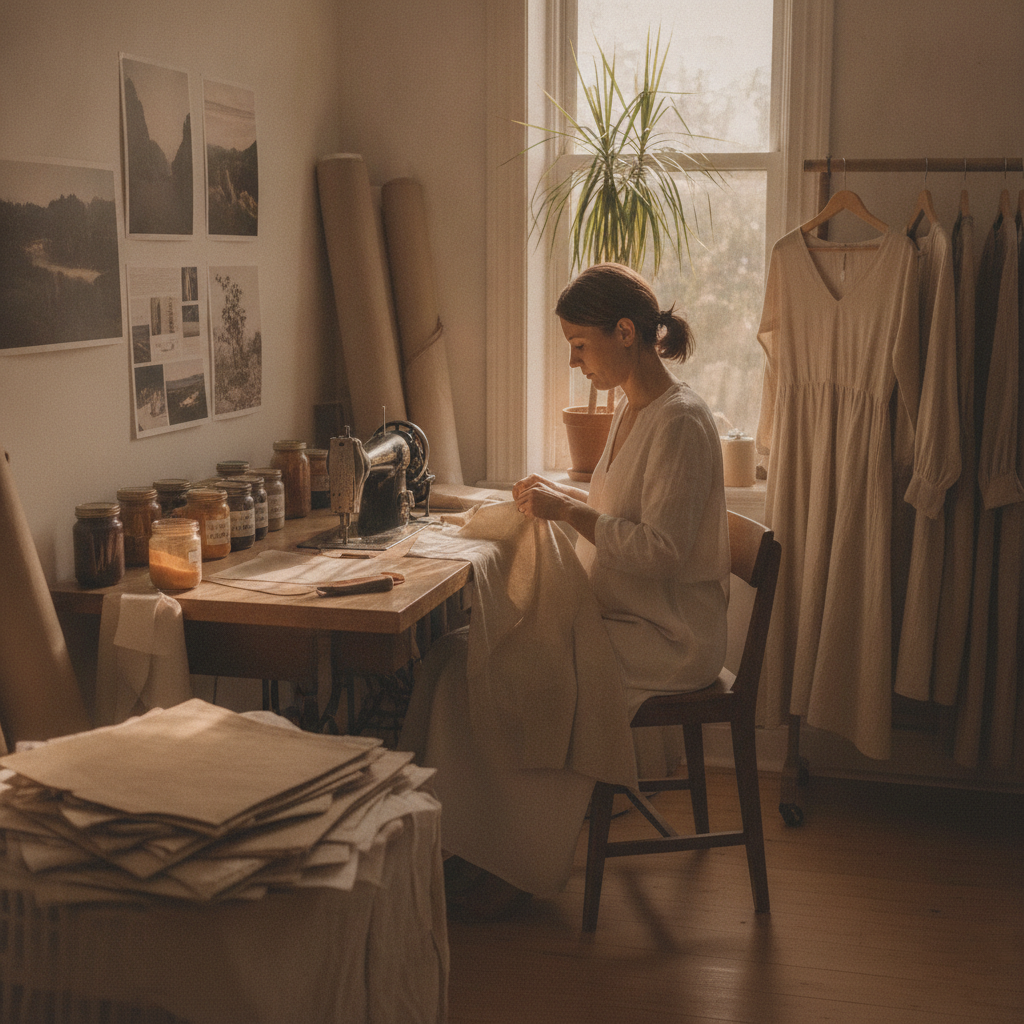
Features:
- Durable materials
- Ethical sourcing
- Timeless design
It looks for value over the long term, not fads. People are being encouraged to buy less and better.
Streetwear
Streetwear was born out of urban culture, influenced by hip-hop, skateboarding and youth movements. It has become one of the biggest forces in modern fashion.
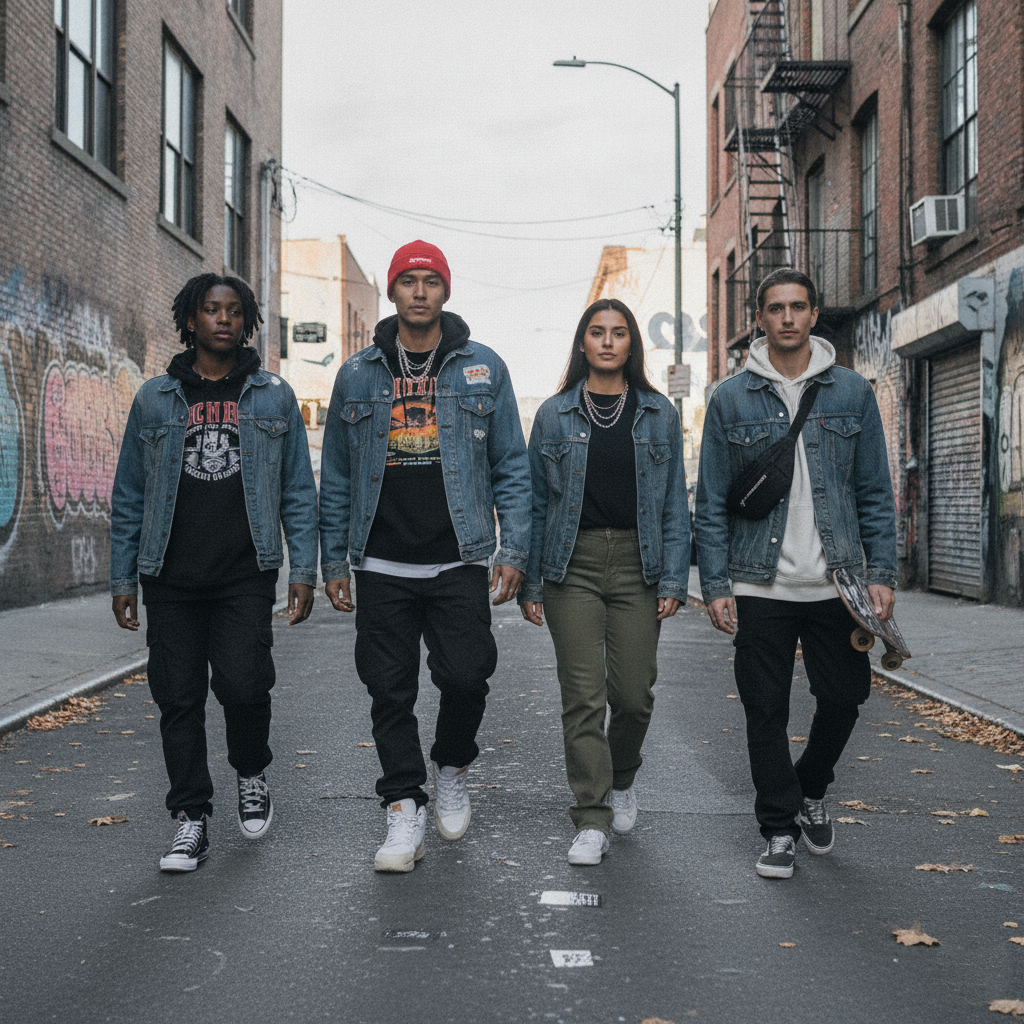
Components:
- Hoodies, sneakers, oversized clothing
- Bold graphics and logos
- Casual and expressive
It has now entered luxury collaborations, blending comfort with prestige.
Opinion: Streetwear proves fashion power has shifted from elite designers to everyday culture
Casual Fashion
Casual fashion is all about comfort and simplicity and is often worn in the daily life.

- T-shirts
- Jeans
- Sneakers
- Relaxed fits
This type is a reflection of the modern lifestyle where everyone prefers ease and mobility
Formal Fashion
Formal fashion is designed to be worn at work or for formal occasions.
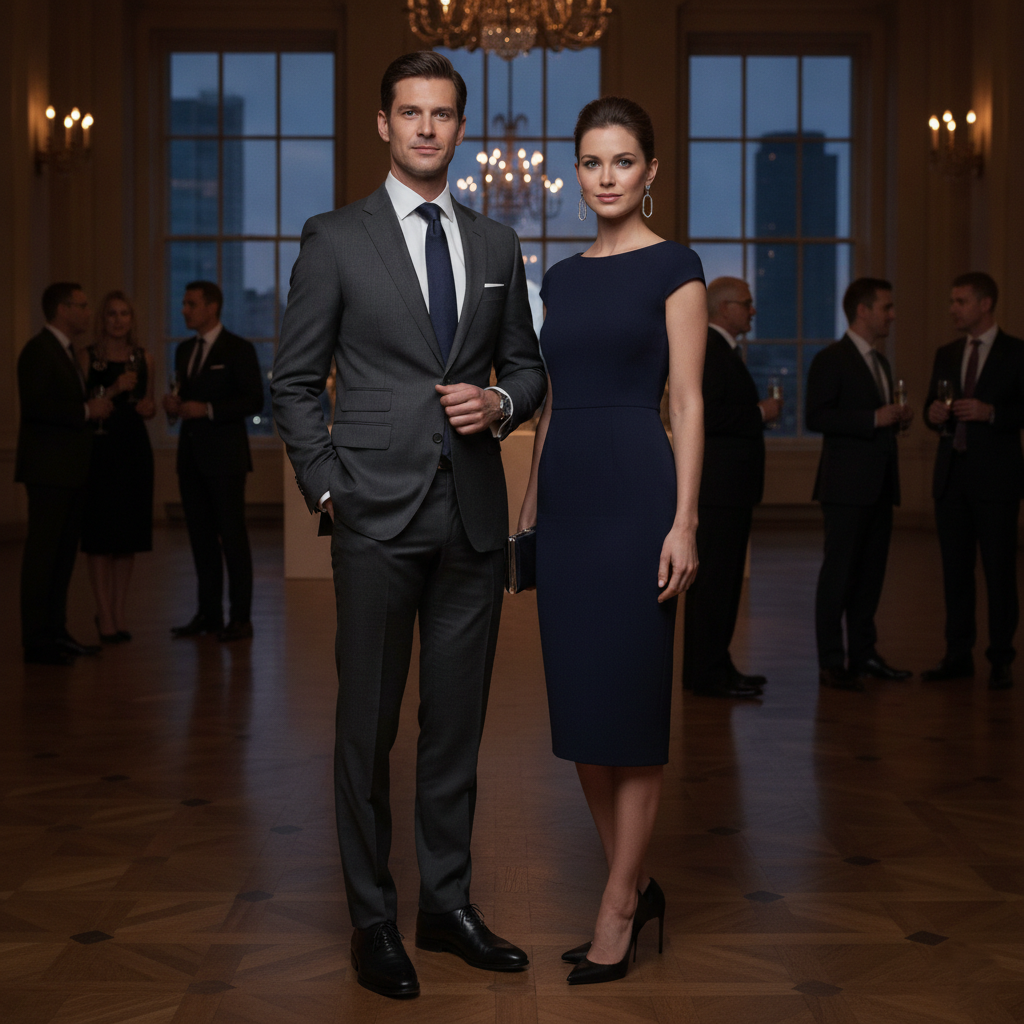
- Business suits
- Evening gowns
- Formal shoes
It follows certain standards and portrays professionalism and social etiquette. Even in formal fashion trends change ( e.g. slim fit suits vs classic cuts ).
Avant-Garde Fashion
Avant-garde fashion is experimental and unconventional. It often defies conventional ideas of dress.
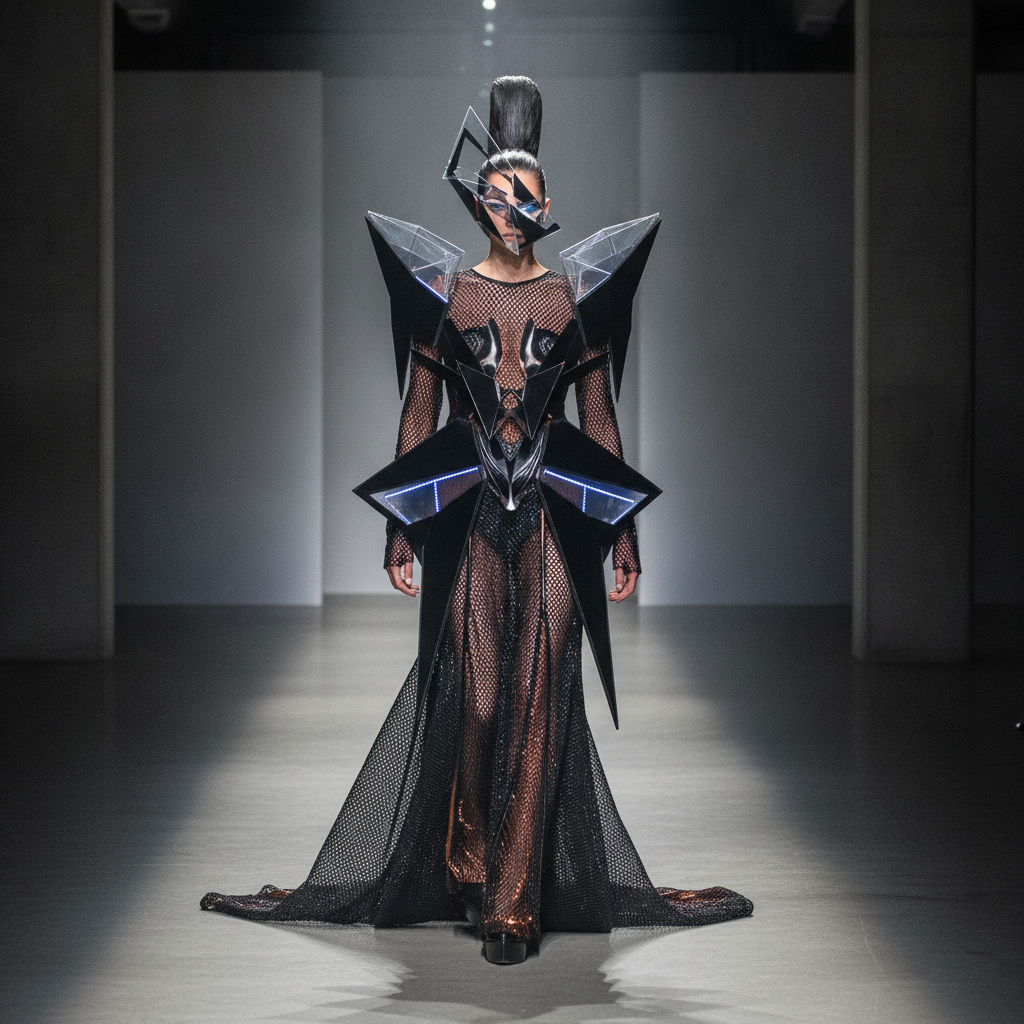
Characteristics:
- Unique shapes and structures
- Artistic expression
- Limited practicality
Creative expression: Not very functional These designs are boundary pushing and inspire future fashions.
Opinion: avant-garde is the place where creativity reigns free. It might not sell by the tonne, but it defines the imagination of the industry.
Sportswear / Activewear
Sportswear is created for performance and activity but today it has also become a fashion statement.
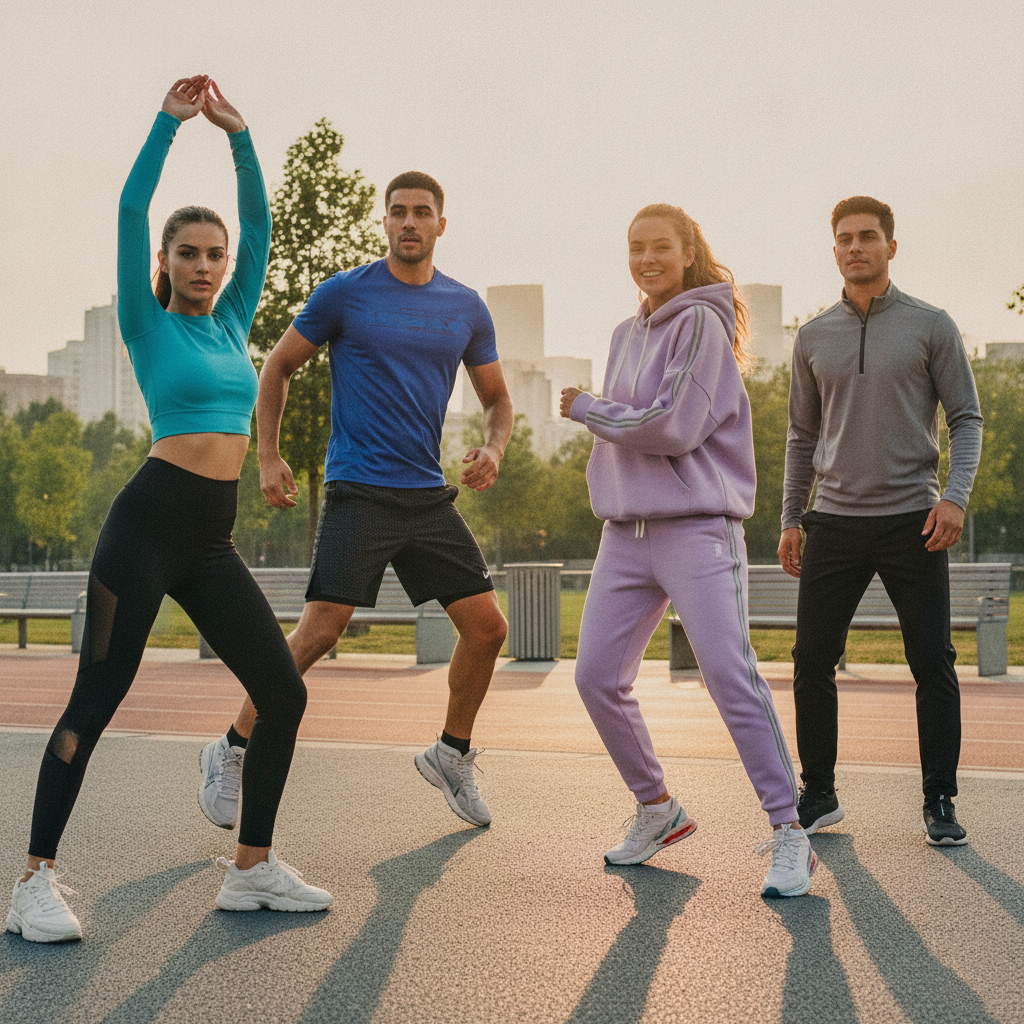
Features:
- Breathable fabrics
- Flexibility and comfort
- Functional design
Athleisure (a portmanteau of athletic + leisure wear) is big biz now.
Ethnic / Traditional Fashion
Ethnic fashion represents cultural heritage and identity. Every region has its own traditional clothing styles.
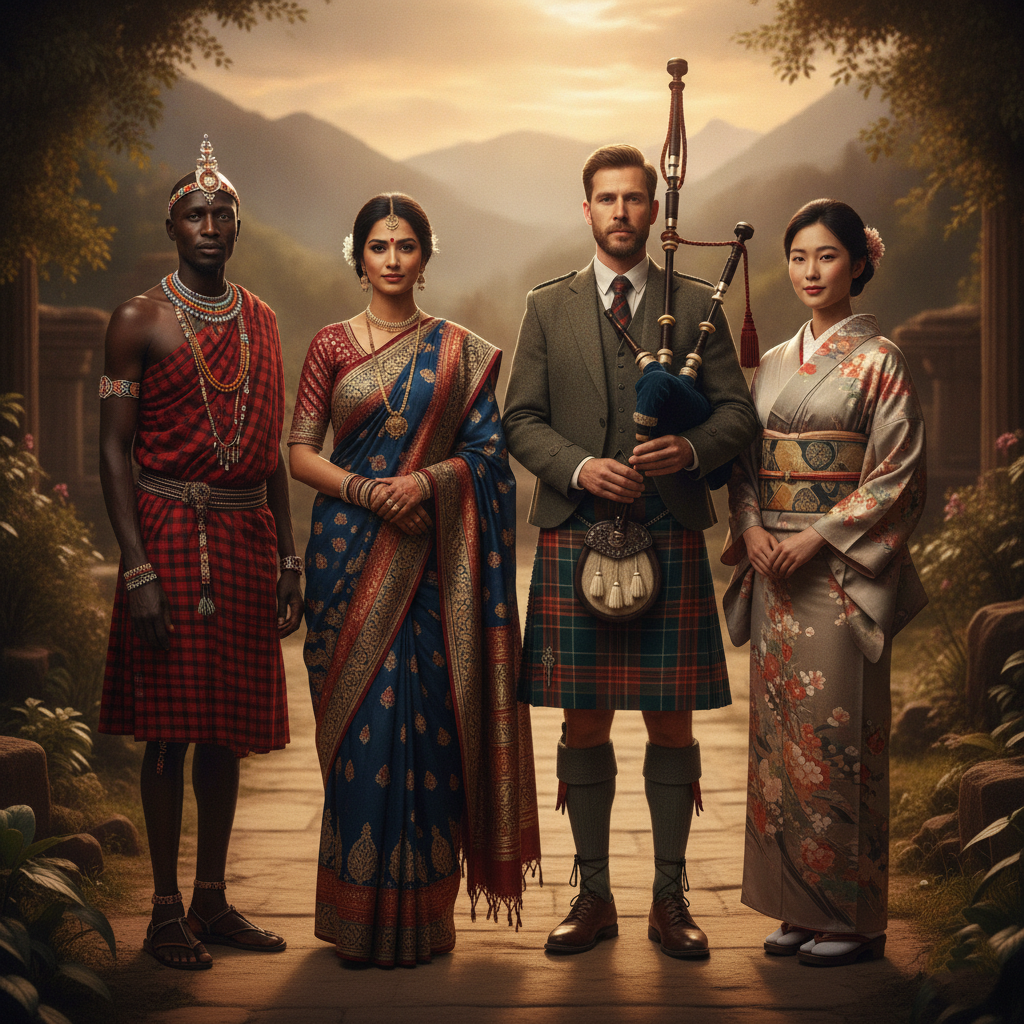
Examples:
- Saree (India)
- Kimono (Japan)
- Baju Melayu (Malaysia)
- Hanbok (Korea)
These styles carry deep historical and emotional value.
Opinion: Traditional fashion is a reminder that trends rise and fall, but culture is rooted
Gender-Neutral Fashion
This sort of fashion erases the lines of traditional gender and is based on inclusivity
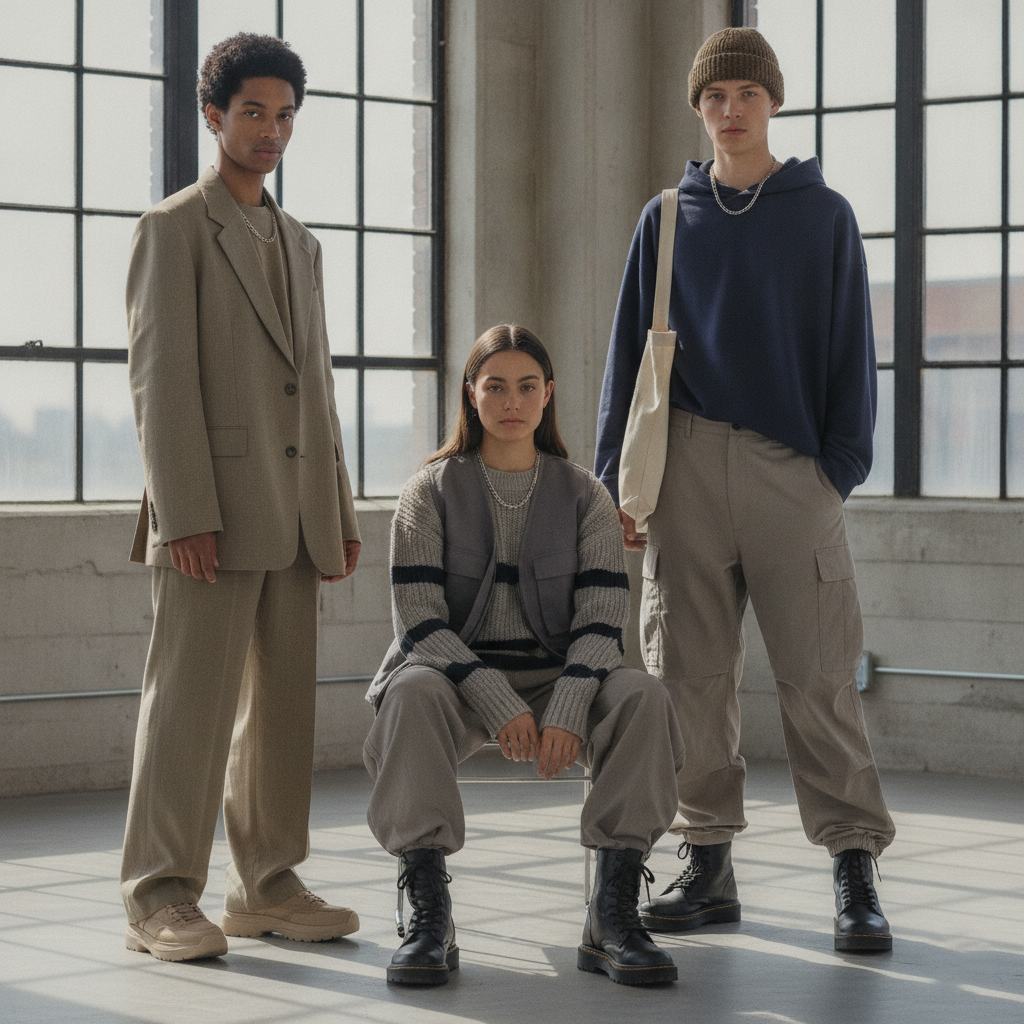
Features:
- Unisex clothing
- Minimal distinction in cuts and colors
- Flexibility in styling
Reflects evolving views on identity and freedom of expression.
Digital / Virtual Fashion
a new and emerging category of digital clothing
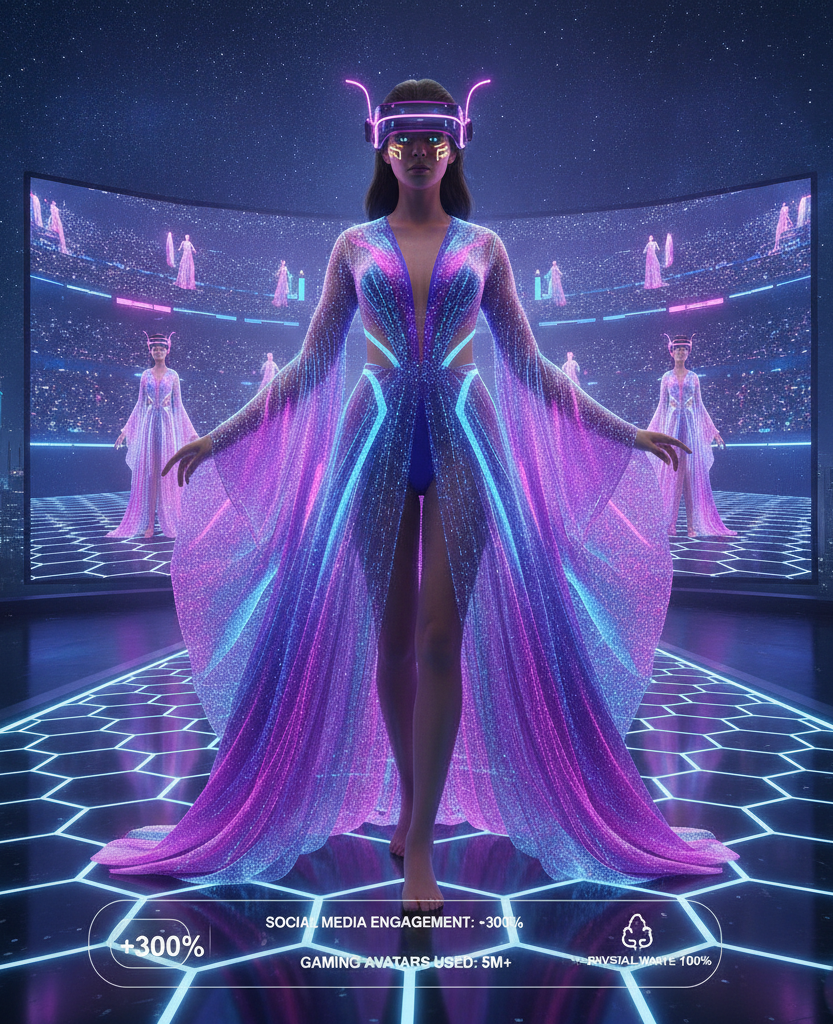
Applications:
- Social media content
- Gaming avatars
- Virtual fashion shows
This reduces physical waste but opens new creative possibilities.
Opinion: Digital fashion could redefine ownership – people could “wear” clothes online as much as they do in the real world.
Fashion Types Comparison Table
| Fashion Type | Purpose | Accessibility | Cost | Sustainability | Key Audience |
|---|---|---|---|---|---|
| Haute Couture | Artistic expression | Very limited | Very high | Low | Elite clients |
| Ready-to-Wear | Stylish daily wear | Medium | High | Medium | Urban consumers |
| Fast Fashion | Trend-based | Very high | Low | Low | Mass market |
| Slow Fashion | Ethical & durable | Limited | High | High | Conscious buyers |
| Streetwear | Cultural expression | High | Medium-high | Medium | Youth |
| Casual | Everyday comfort | Very high | Low | Medium | Everyone |
| Formal | Professional/occasions | Medium | Medium-high | Medium | Professionals |
| Avant-Garde | Experimental | Very limited | High | Low | Designers/artists |
| Sportswear | Performance | High | Medium | Medium | Active lifestyles |
| Ethnic | Cultural identity | Medium | Varies | High | Cultural groups |
| Digital | Virtual use | Growing | Varies | High | Tech audience |
How Fashion Types Interconnect
Fashion types don’t exist separately—they often overlap:
Haute Couture → Influences → Ready-to-Wear
↓
Inspires Fast Fashion
↓
Adapted into Streetwear & Casual
↓
Blended with Sportswear (Athleisure)
↓
Moves Toward Sustainable Fashion
↓
Expands into Digital Fashion
Insight: The industry works like a continuous cycle, where ideas flow from luxury to mass market and then evolve further.
Modern Fashion Trends
Streetwear Dominance
Streetwear emerged from youth culture, skateboarding and hip-hop. It has now merged with luxury fashion, creating a powerful new market. Luxury brands team up with streetwear labels as high fashion meets the streets. This demonstrates the growing inclusiveness and versatility of fashion.
Sustainable Fashion
Climate change is an issue, sustainability is at the center. Now brands focus on:
- Eco-friendly materials
- Recycling systems
- Ethical labor practices
Consumers are becoming more conscious and asking, “Where did my clothes come from?”
Opinion: Sustainability is no longer an option; it will determine the future of the fashion industries.
Digital & AI Fashion
Technology is changing the way fashion is designed and consumed:
- AI-assisted designs
- Virtual fashion shows
- Digital clothing for avatars
This is a sign that fashion is moving beyond the physical boundaries.
Gender-Neutral Fashion
Clothing“Men’s” and “women’s” clothing is a concept that’s changing. Designers are making collections that are both versatile and inclusive. This reflects broader societal changes towards freedom of identity and inclusion.
Fast Fashion vs Slow Fashion
| Aspect | Fast Fashion | Slow Fashion |
|---|---|---|
| Speed | Rapid production cycles | Longer development time |
| Cost | Affordable | Premium pricing |
| Sustainability | Low | High |
| Production | Mass manufacturing | Limited production |
| Mindset | Trend-following | Conscious consumption |
Opinion: The future likely lies in balancing both—efficiency with responsibility.
Factors Driving Fashion Trends Today
Modern fashion is shaped by powerful external drivers:
- 📱Social media accelerates trend cycles
- 🎤 Influencers shape preferences
- 🌍 Globalization mixes cultures
- ♻️ Sustainability awareness influences buying
- 🧠 Psychology drives personal style choices
Additionally, data analytics now plays a role. Brands analyze consumer behavior to predict trends.
Opinion: Trends today are no longer dictated solely by designers—consumers co-create fashion in real time.
The Future of Fashion
As we look ahead, fashion is entering one of the most transformative eras in history. Fashion is no longer just about aesthetics or seasonal trends, it is becoming a multi-dimensional industry where sustainability, technology and personalization are changing the way garments are designed, produced and experienced.
This future is not far away – it is starting to be built today
🌍 Sustainable-First Fashion
Environmental responsibility is rapidly shifting from a competitive advantage to a necessity across the industry. As awareness around climate change and textile waste grows, brands are being pushed – by regulation and consumers alike – to reconsider their entire value chain.
Future fashion will focus on:
- Zero-waste production processes
- Circular economy models (reuse, recycle, repair)
- Bio-based and biodegradable materials
- Transparent supply chains
Consumers are also changing. Instead of asking, 'Is this trendy?', they are more often asking, 'Is this ethical? ‘Is this sustainable?
Insight: Sustainability will soon become “invisible. ” Not because it disappears, but because it becomes the norm. Like quality or fit are today
🎯 Personalized & Custom Fashion
Mass production is gradually shifting to mass personalisation. Advances in artificial intelligence, 3D body scanning and digital pattern making mean brands can now create clothing tailored to a person’s unique shape and style.
The key developments are:
- AI-driven size recommendations
- On-demand production (made after order)
- Custom design interfaces for consumers
- Data-driven trend personalization
This helps reduce overproduction and returns and tackles major industry challenges.
Insight: The concept of “standard sizes” may become obsolete in the future. Clothing will fit people – not people fit clothing.
🧠 Smart & Functional Fashion
Technology is being interwoven directly into clothes, creating smart clothing that’s more than just looks.
Future capabilities include:
- Fabrics that regulate body temperature automatically
- Clothing with built-in fitness and health tracking
- Garments that respond to environmental conditions
- Self-cleaning or odor-resistant textiles
These innovations blend engineering with design to produce products that are fashionable and functional.
Insight: Fashion’s role will change from “how it looks” to “how it performs”. Functionality will matter just as much as aesthetics.
🌐 Hybrid Fashion (Physical + Digital Integration)
Fashion is moving into the digital space and we’re seeing this hybrid model of clothing that exists in physical and virtual spaces.
This consists of:
- Digital outfits for social media and online identities
- Virtual fashion shows and metaverse platforms
- Augmented reality (AR) try-ons
- NFTs and digital ownership of fashion items
People may soon maintain two wardrobes:
- Physical wardrobe (daily life)
- Digital wardrobe (online presence)
Insight: As social interaction increasingly moves online, digital fashion could be as important as physical clothing, especially for younger generations.
🤝 Human-Centered & Inclusive Fashion
Another critical aspect of the future is inclusion. Fashion’s getting more inclusive of different body types, identities and abilities.
Future developments will be:
- Adaptive clothing for people with disabilities
- Expanded size ranges
- Gender-neutral collections
- Culturally respectful design
Insight: Fashion will be more inclusive, less about exclusion, away from traditional standards of beauty.
⚙️ Production & Industry Transformation
From the industrial and operational point of view, fashion manufacturing will also change dramatically:
- Automation and robotics in garment production
- AI-based demand forecasting
- Digital sampling instead of physical prototypes
- Nearshoring and localized production
These changes will improve efficiency, reduce waste and shorten lead times.
Insight (relevant to Industrial Engineering):
The future factory will be more intelligent, faster and more data driven – requiring a strong integration of engineering, analytics and sustainability thinking.
✨ Imagine a Future Where…
The future of fashion is not just conceptual—it is imaginative and experiential:
- Your jacket automatically adjusts to weather changes using smart fibers
- Your outfit changes color digitally depending on mood or occasion
- You try on clothes virtually without stepping into a store
- Your wardrobe includes digital garments for social media or metaverse use
- Clothes are produced only when ordered—eliminating waste completely
Fashion will become more interactive, responsive and intelligent.
💭 Final Thoughts
Fashion is not only about clothes or trends or seasons. It is a reflection of humanity itself. From ancient civilisations to today’s digital age, culture, technology and society have always changed fashion, adapting to changing needs, values and identities.What started as a need for protection and modesty has now become a powerful medium of expression. Today fashion says it for us, before we say it ourselves: it reveals our personality, our profession, our beliefs and our feelings. Traditional attire with centuries of heritage, a formal suit representing professionalism or streetwear that exudes individuality, fashion is a bridge from the individual to the collective.At the same time, the way of fashion shows an important truth:
👉 It is not a thing, it is always being shaped by the forces about it.
Fashion takes on and mirrors every significant change in society, whether social movements or economic changes, technological progress or environmental issues."Fashion has reached a critical juncture in this day and age. On the one hand it is providing creativity, accessibility and innovation. On the other hand it is challenged by overproduction, sustainability and ethical responsibility. The rise of conscious consumers, digital transformation and inclusive design signals that the industry isn’t just evolving, it’s maturing.
Looking ahead, the future of fashion is likely to strike a balance between:
- Sustainability and style
- Craftsmanship and technology
- Worldwide patterns and individual identity
💡 Final Thought:
No matter how far fashion goes, whether it be AI design, smart fabricsor digital wardrobes, the basic function will always be the same:
To articulate human identity in new ways. At the end of the day, fashion isn’t about wearing what’s popular, it’s about wearing what feels true to you. Trends may come and go, materials may be substituted and technologies may advance, but authenticity will always be timeless.
Fashion is a journey, not a destination; a constant story where each person is both the storyteller and the canvas.