Fashion shows are not just dazzling spectacles of style; they are the heartbeat of the fashion industry. Each collection shown on the runway tells a story—creativity, craftsmanship, identity and cultural influence. From haute couture salons in Paris to livestreamed digital showcases, fashion shows have evolved into global events that influence how we dress, shop and even think about fashion.
Fashion shows are, at their heart, a platform for designers to put their vision out there. They’re not just about clothes. They’re about ideas. Runway shows can spark trends that echo across continents, influence retail strategies and reshape cultural aesthetics. It is an occasion for designers to exhibit their art and the brand’s identity. It's a career-making stage for models. For the audience, it is an immersive experience that fuses fashion, performance and storytelling.
There is much more to fashion shows than just runway entertainment. They steer business decisions, spark innovation and set the beat of the fashion calendar. Buyers determine what goes on the shelves, journalists create the stories that are read by millions and consumers find out what styles will be trending for the season. Fashion shows are where creativity and commerce meet, where art and industry converge.
Fashion shows are also cultural touchstones in today’s interconnected world. They reflect social movements, technological advances and the world’s conversations around sustainability, inclusivity and diversity. From the haute couture elegance of Paris Fashion Week to the luxury ready‑to‑wear of Milan, the accessible diversity of New York or the streetwear innovation of Tokyo, each city adds its own voice to the global fashion dialogue.
What Is a Fashion Show?
A fashion show is a live event where designers present their latest collections to an audience of buyers, media, influencers and fashion lovers. It’s a carefully choreographed performance that blends clothing, music, lighting and atmosphere to communicate a brand’s vision.
Fashion shows serve multiple purposes:
Creative Expression: Designers showcase their artistry.
Business Strategy: Brands generate buzz and sales.
Trendsetting: Shows influence what consumers will wear next season.
Cultural Dialogue: Fashion reflects social issues, diversity and innovation.
Industry Role: Fashion shows are the bridge between creativity and commerce. They set seasonal trends, drive marketing campaigns and influence everything from luxury boutiques to fast fashion retailers.
History of Fashion Shows
Fashion shows have evolved dramatically over the past century.
Early Beginnings: Charles Frederick Worth pioneered salon presentations in Paris during the 1850s.
Rise of Paris Fashion: By the early 20th century, couture houses held private shows for elite clients.
New York Fashion Week (1943): Shifted global attention to American designers.
Battle of Versailles (1973): A landmark event showcasing U.S. talent against French couture.
Digital Era: Livestreams and social media transformed accessibility.
Pandemic Pivot: Virtual shows redefined runway culture in 2020.
| Year | Milestone | Impact |
|---|---|---|
| 1850s | Worth’s salon shows | Birth of couture presentations |
| 1943 | First NY Fashion Week | U.S. designers gain global stage |
| 1973 | Battle of Versailles | Diversity and American influence |
| 1990s | Supermodel era | Fashion enters pop culture |
| 2000s | Digital livestreams | Global accessibility |
| 2020 | Virtual shows | Reinvention of runway |
Types of Fashion Shows
Fashion shows vary by purpose, audience and format.
| Type | Description | Example |
|---|---|---|
| Haute Couture | Handmade luxury garments | Paris Couture Week |
| Ready-to-Wear | Seasonal retail collections | Milan Fashion Week |
| Resort | Transitional collections | Chanel Cruise |
| Bridal | Wedding fashion | Barcelona Bridal Week |
| Men’s Fashion | Dedicated menswear | Pitti Uomo |
| Children’s Fashion | Kids’ collections | Florence Kids Week |
| Digital Shows | Online-only | Gucci digital runway |
| Virtual Shows | VR/AR experiences | Balenciaga Metaverse |
| Charity Shows | Fundraising | Fashion for Relief |
| Student Shows | Emerging talent | Central Saint Martins |
How Fashion Shows Are Organized
Organizing a fashion show is a complex process involving multiple stages:
Planning: Define goals, audience and theme.
Budget: Allocate funds for venue, production and promotion.
Venue: Choose a location that matches the brand identity.
Casting: Select models that fit the collection’s aesthetic.
Styling: Coordinate clothing, accessories and overall look.
Hair & Makeup: Create cohesive beauty concepts.
Lighting & Sound: Enhance atmosphere and drama.
Music: Set the tone and rhythm of the show.
Seating & Invitations: Manage VIPs, buyers and press.
Photography & Media: Capture and distribute coverage.
Rehearsals: Ensure smooth execution.
Each detail contributes to the overall experience. A poorly lit runway or weak sound system can undermine even the most brilliant collection.
Major Fashion Weeks Around the World
Fashion weeks are the temples of global style. They’re not just industry events, they’re cultural touchstones that shape everything from luxury retail to streetwear trends. “Each city has its own flavor, history and creative energy to bring to the runway.
Paris Fashion Week
The Paris fashion week is the crown jewel of the fashion weeks. It is known for haute couture and is home to legendary houses such as Chanel, Dior and Givenchy. Paris Fashion Week is where tradition meets artistry and the most exclusive collections are unveiled. Only a few houses can call themselves Haute Couture and this is governed by the Chambre Syndicale de la Haute Couture, who authorise couture shows. There are also ready-to-wear shows in Paris that are just as elegant and innovative as couture.
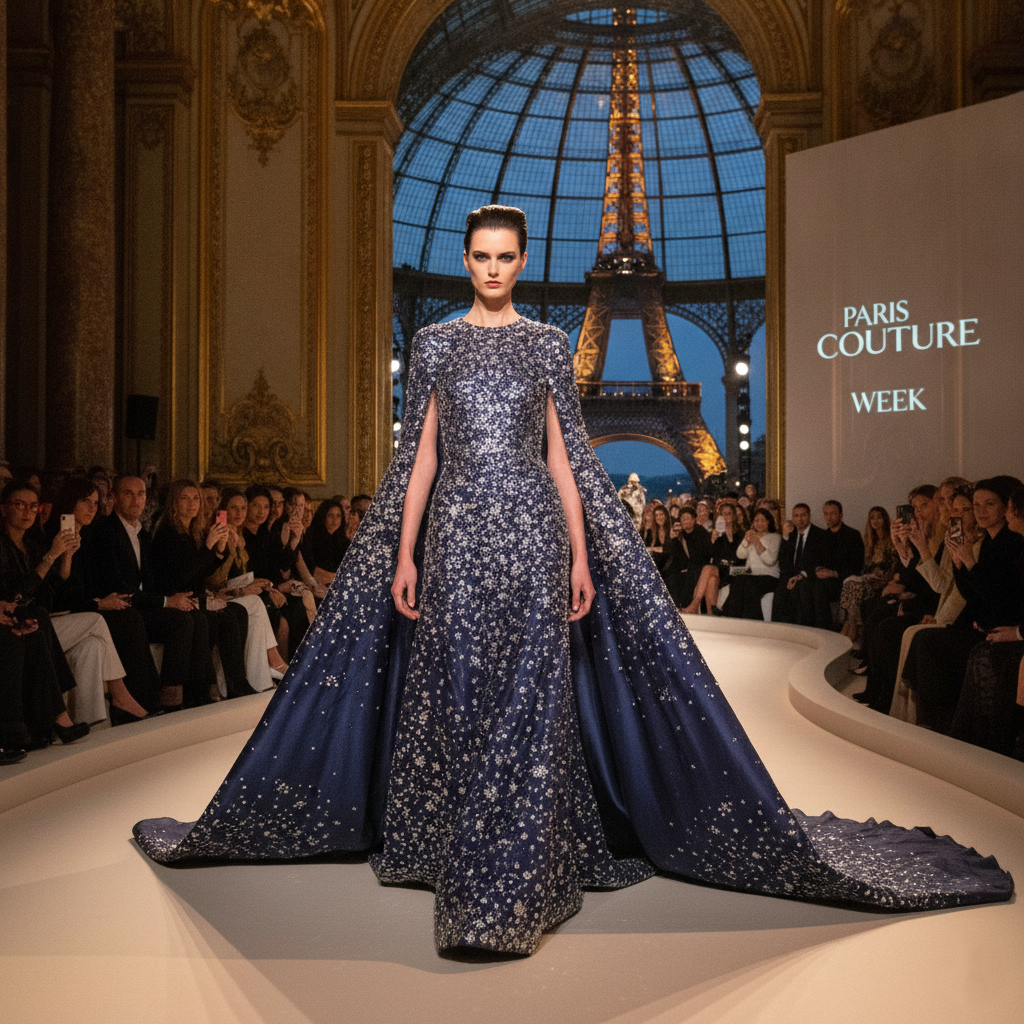
Highlights:
Grand venues like the Grand Palais and Musee Rodin.
Iconic theatrical presentations (think Alexander McQueen’s Paris shows).
A mix of heritage brands and avant-garde designers.
Milan Fashion Week
Milan is the name of luxury pret-a-porter. Strong tailoring and sensual aesthetics rule the runways. Italian craftsmanship is a must. Prada, Versace and Dolce & Gabbana bring collections that mix artistry with commercial appeal. Milan Fashion Week is also famous for its focus on accessories, with shoes, handbags and leather goods often stealing the spotlight.
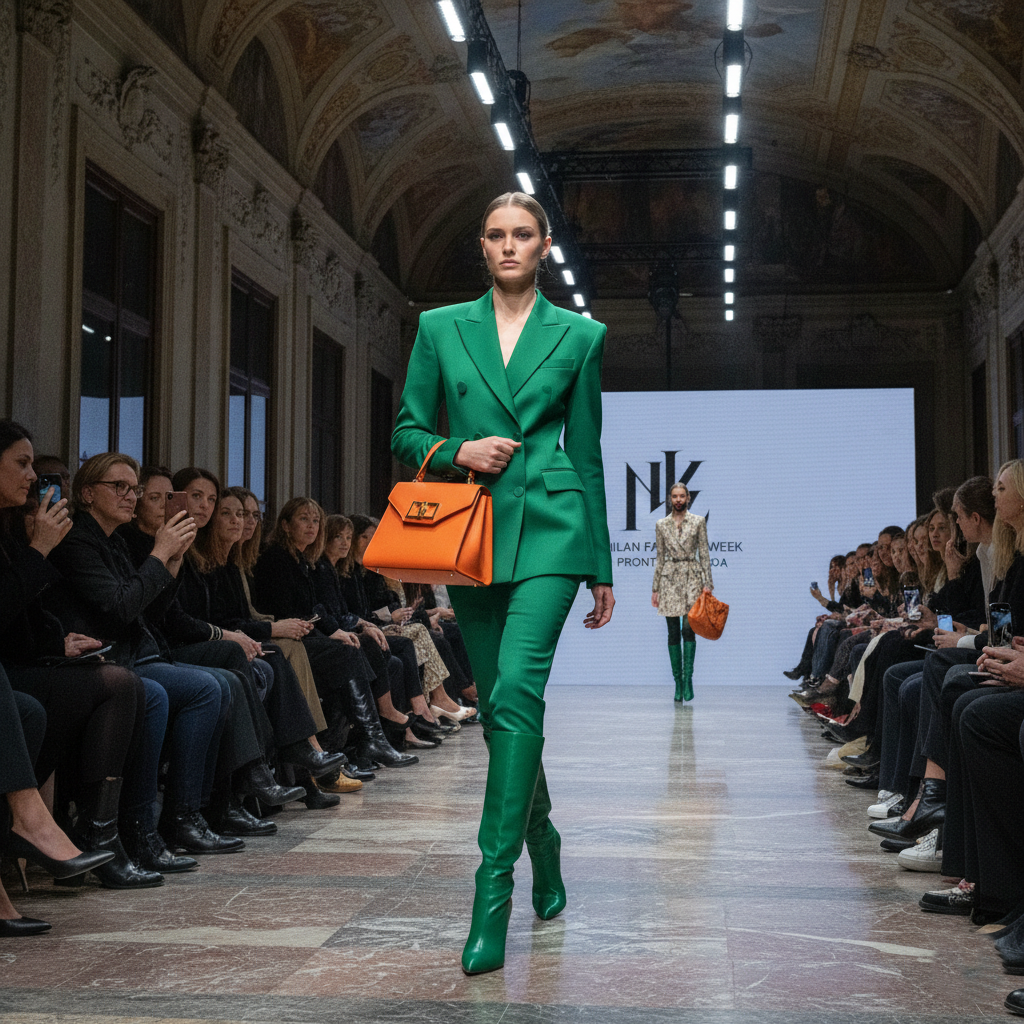
Highlights:
Strong focus on luxury retail.
Emphasis on craftsmanship and tailoring.
Glamorous, high-energy shows.
New York Fashion Week
Of the “Big Four,” New York is the most commercial. It focuses on accessibility, diversity and business. Designers such as Michael Kors, Ralph Lauren and Marc Jacobs use NYFW to reach out directly to buyers and media. It’s also a platform for new talent, with programs such as the CFDA fostering new designers.
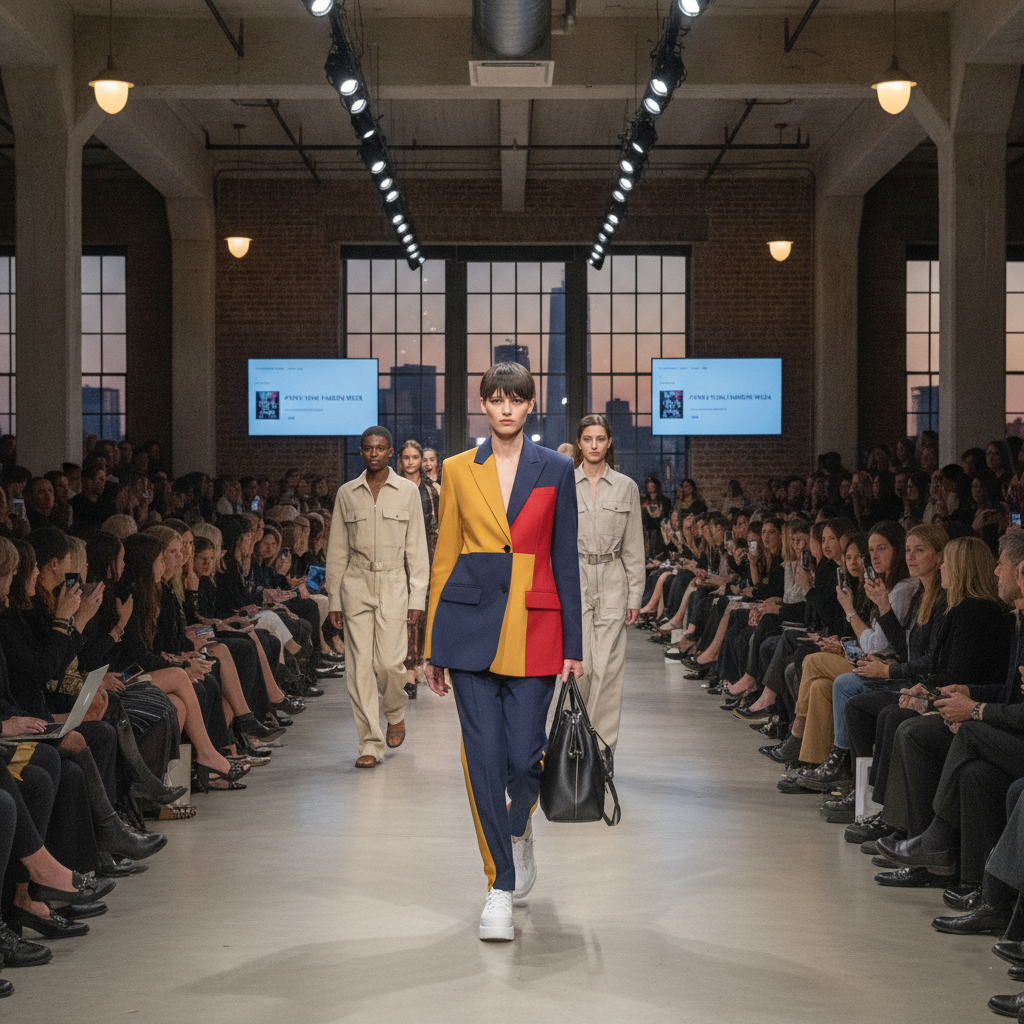
Highlights:
Streetwear and contemporary fashion influence.
Strong presence of American sportswear.
Celebrity-driven shows and front rows.
London Fashion Week
London is the centre of the creative, the experimental. Known for its avant-garde and edgy designs, it has churned out talents such as Alexander McQueen, Vivienne Westwood and Burberry. London Fashion Week often pushes boundaries, mixing art, politics and fashion. It is also a leader in sustainability, with many designers driving eco-conscious collections.
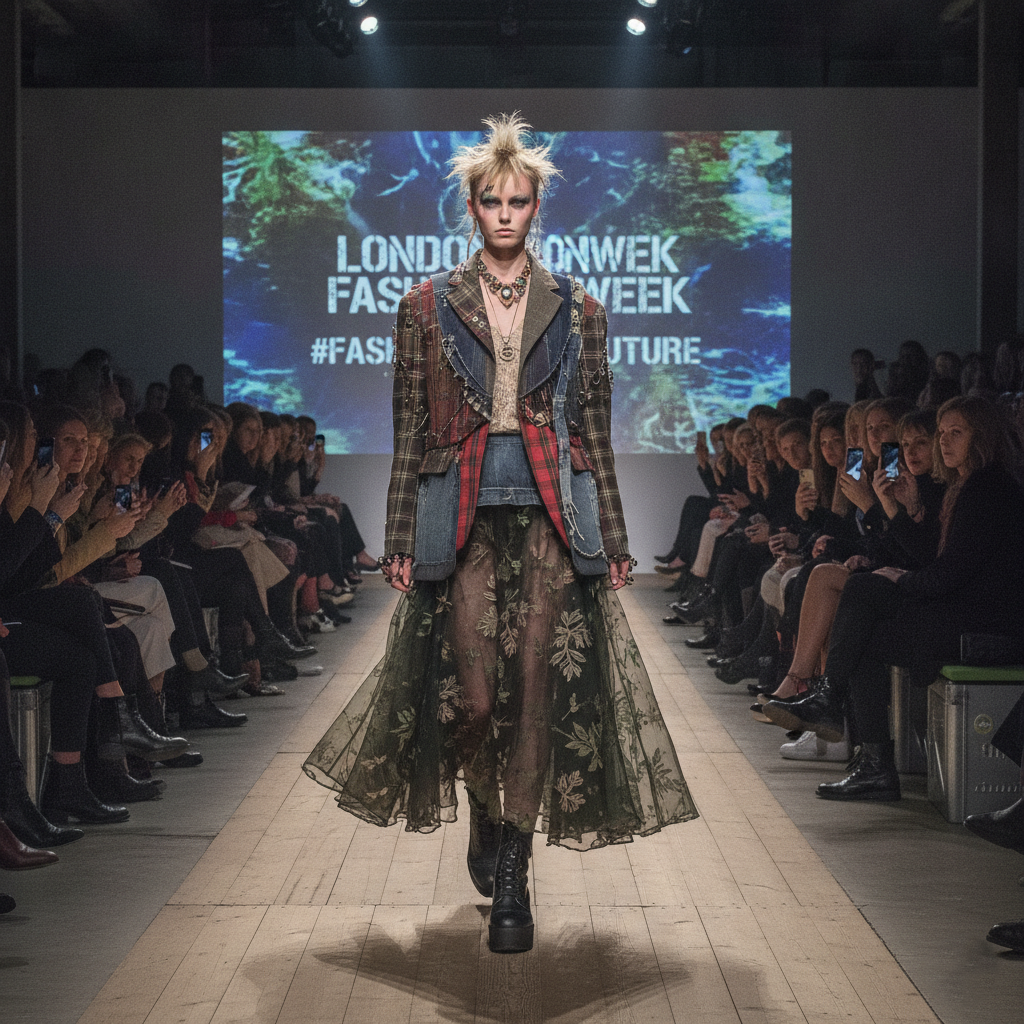
Highlights:
Bold, experimental designs.
Strong focus on sustainability.
Emerging talent showcases.
Tokyo Fashion Week
Tokyo is the world stage for innovation and streetwear. Designers like Comme des Garçons, Issey Miyake and Yohji Yamamoto have taken a conceptual and architectural approach to rethinking fashion. Tokyo Fashion Week also celebrates the city’s vibrant street style culture that mixes traditional Japanese aesthetics with futuristic visions.
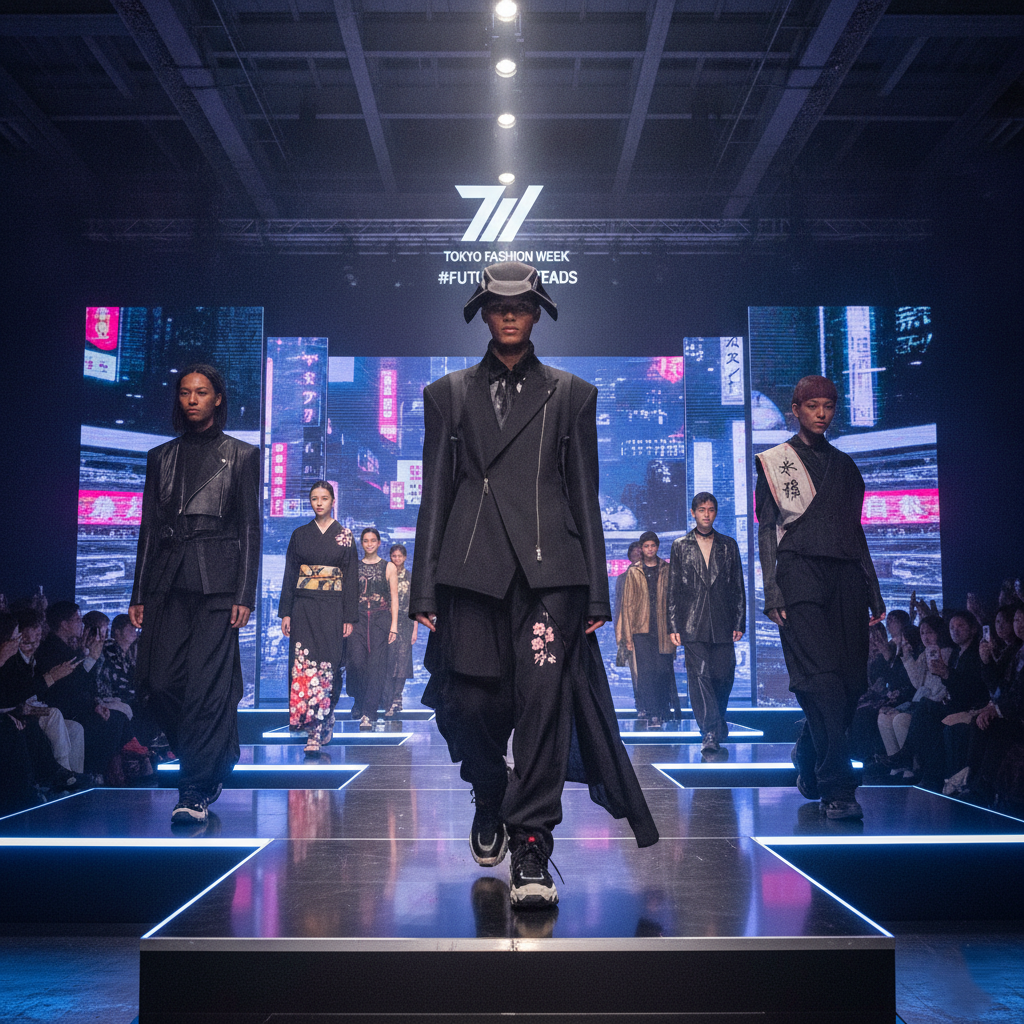
Highlights:
Streetwear dominance.
Conceptual, avant-garde collections.
Fusion of tradition and modernity.
Copenhagen Fashion Week
Copenhagen is now at the forefront of sustainable fashion. Its shows are characterized by Scandinavian minimalism, eco-friendly practices and inclusivity. Brands such as Ganni and Stine Goya have built names for themselves by pairing playful aesthetics with responsible production. Other fashion weeks are starting to follow the sustainability standards set by Copenhagen Fashion Week.
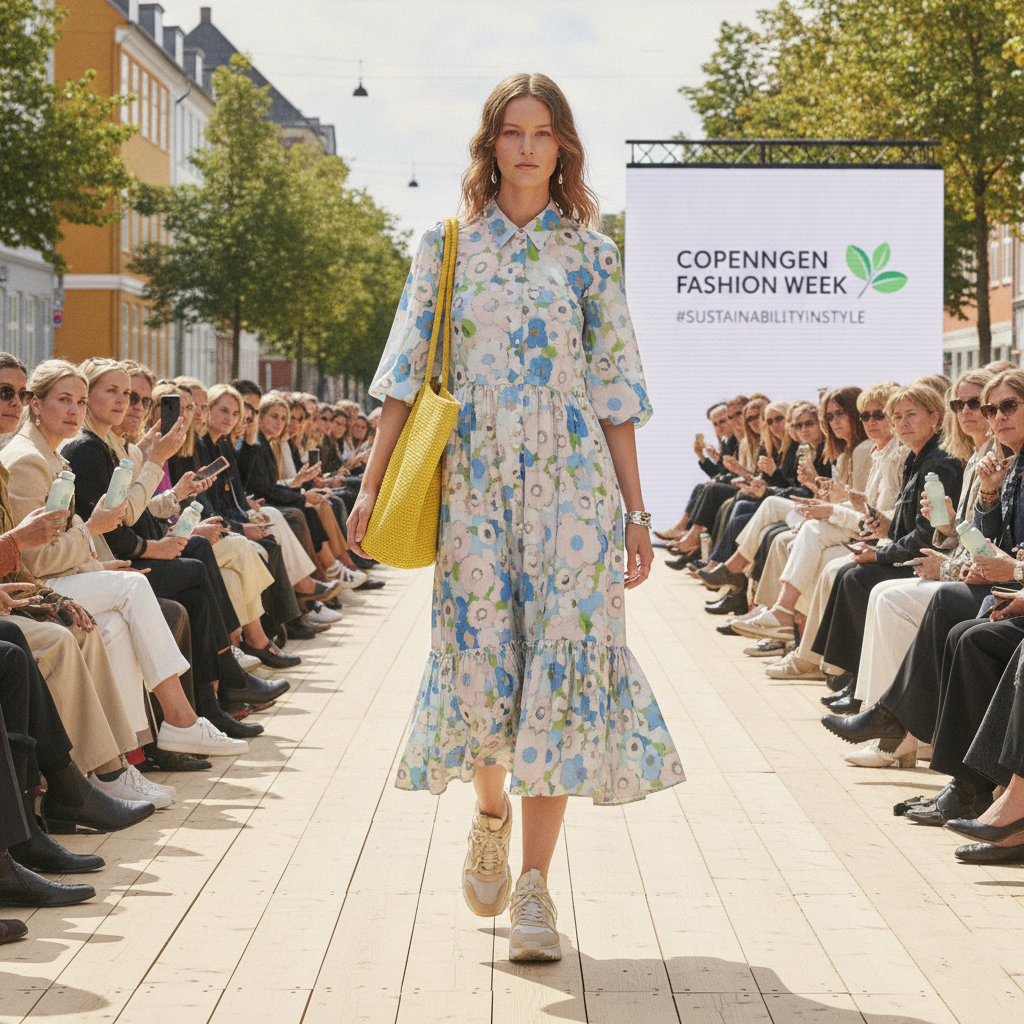
Highlights:
Sustainability at the core.
Minimalist yet playful designs.
Strong focus on inclusivity.
Comparison Table
| City | Specialty | Signature Brands | Unique Traits |
|---|---|---|---|
| Paris | Haute couture | Chanel, Dior, Givenchy | Tradition + artistry |
| Milan | Luxury ready-to-wear | Prada, Versace, D&G | Craftsmanship + glamour |
| New York | Commercial appeal | Ralph Lauren, Michael Kors | Accessibility + diversity |
| London | Avant-garde creativity | Burberry, McQueen, Westwood | Experimental + sustainable |
| Tokyo | Streetwear innovation | Comme des Garçons, Yamamoto | Conceptual + futuristic |
| Copenhagen | Sustainable fashion | Ganni, Stine Goya | Eco-conscious + inclusive |
Did You Know?
Paris Fashion Week is the only one officially recognized for haute couture.
Milan’s shows often influence global luxury retail trends within weeks.
New York Fashion Week pioneered livestreaming, making shows accessible worldwide.
London Fashion Week was the first to introduce a fully digital schedule during the pandemic.
Tokyo Fashion Week often collaborates with tech companies to integrate innovation.
Copenhagen Fashion Week requires brands to meet sustainability standards to participate.
Fashion Week Timeline (2026–2027)
2026
| Date | Event | Notes |
|---|---|---|
| Jan 16 – 20, 2026 | Milan Fashion Week (Men’s) | Italian menswear showcase |
| Jan 20 – 25, 2026 | Paris Fashion Week (Men’s) | French menswear |
| Jan 26 – 29, 2026 | Paris Fashion Week (Haute Couture) | Exclusive couture collections |
| Feb 11 – 16, 2026 | New York Fashion Week | Ready-to-wear |
| Feb 19 – 23, 2026 | London Fashion Week | Avant-garde focus |
| Feb 24 – Mar 2, 2026 | Milan Fashion Week | Luxury ready-to-wear |
| Mar 2 – 10, 2026 | Paris Fashion Week | Global couture & RTW |
| Apr 7 – 9, 2026 | Bridal Fashion Week (New York) | Wedding fashion |
| May 28 – 31, 2026 | Miami Swimwear Shows | Swim & resort wear |
| Jun 19 – 23, 2026 | Milan Fashion Week (Men’s) | Summer menswear |
| Jun 23 – 28, 2026 | Paris Fashion Week (Men’s) | Summer menswear |
| Jul 6 – 9, 2026 | Paris Fashion Week (Haute Couture) | Mid-year couture |
| Sep 10 – 15, 2026 | New York Fashion Week | Fall collections |
| Sep 17 – 21, 2026 | London Fashion Week | Fall collections |
| Sep 22 – 28, 2026 | Milan Fashion Week | Fall collections |
| Sep 28 – Oct 6, 2026 | Paris Fashion Week | Fall collections |
2027 (Confirmed so far)
| Date | Event | Notes |
|---|---|---|
| Jan 19 – 24, 2027 | Paris Fashion Week (Men’s) | Winter menswear |
| Jan 25 – 28, 2027 | Paris Fashion Week (Haute Couture) | Couture |
| Mar 1 – 9, 2027 | Paris Fashion Week | Ready-to-wear |
| Jun 22 – 27, 2027 | Paris Fashion Week (Men’s) | Summer menswear |
| Jul 5 – 8, 2027 | Paris Fashion Week (Haute Couture) | Mid-year couture |
| Sep 27 – Oct 5, 2027 | Paris Fashion Week | Fall collections |
(Dates for New York, London and Milan in 2027 will be announced by their respective fashion councils later in the year.)
Behind the Scenes of a Fashion Show
Behind the glamour lies chaos and creativity.
Process Flow:
Concept development
Designer sketches
Model fittings
Technical rehearsals
Final adjustments
Show execution
Backstage, stylists rush, makeup artists work under pressure and producers coordinate timing down to the second.
Role of Fashion Designers
Designers are storytellers. They:
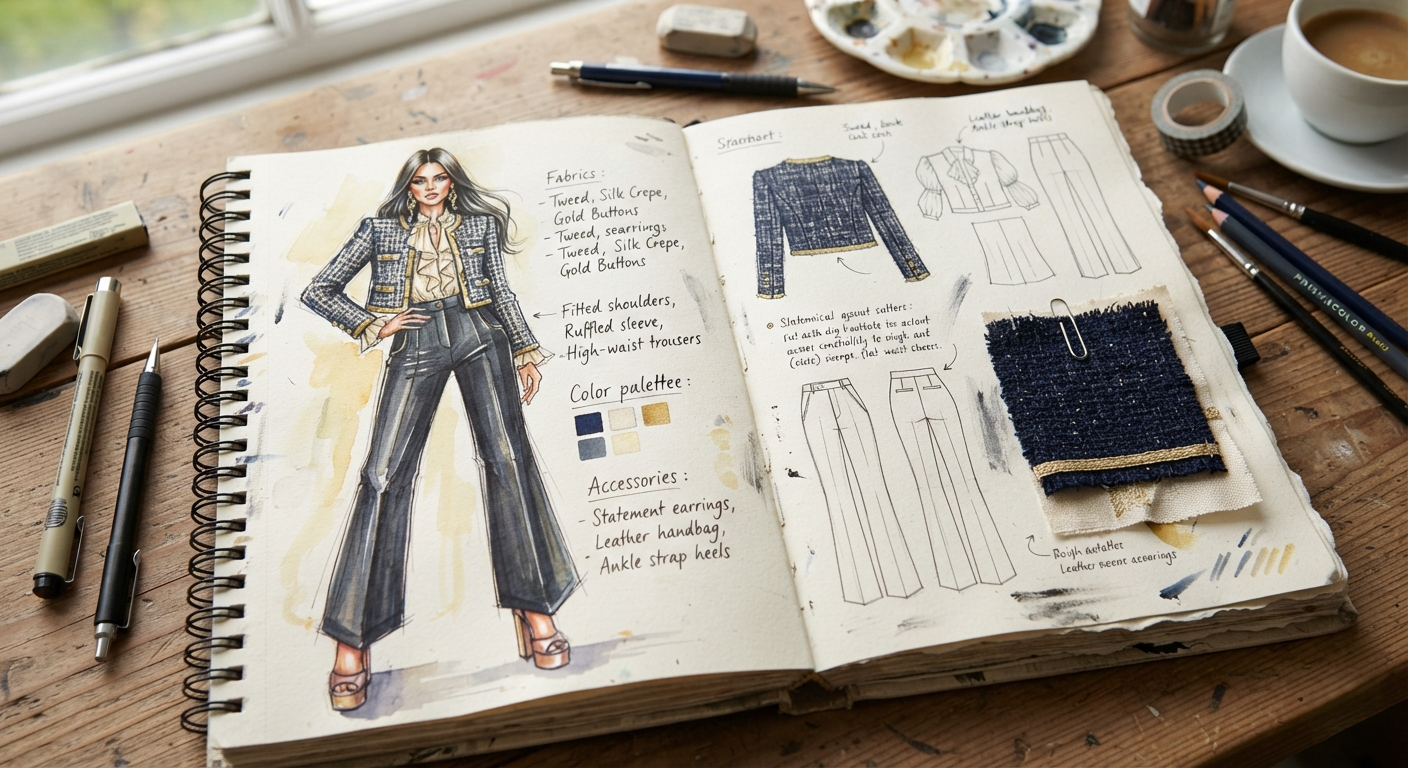
Draw inspiration from culture and art.
Sketch and prototype garments.
Select fabrics and materials.
Develop cohesive collections.
Define brand identity.
Models in Fashion Shows
Models bring collections to life. Success requires:
Selection: Agencies scout talent.
Training: Walking techniques and confidence.
Fitness: Maintaining health and stamina.
Professionalism: Punctuality and adaptability.
Tips for Aspiring Models:
Practice posture and walk daily
Build confidence through smaller shows
Maintain fitness with balanced routines
Network with agencies and photographers
Fashion Show Production Team
| Role | Responsibility |
|---|---|
| Creative Director | Oversees vision |
| Producer | Manages logistics |
| Choreographer | Designs runway flow |
| Stylist | Coordinates looks |
| Makeup Artist | Creates beauty concepts |
| Hair Stylist | Crafts hairstyles |
| Photographer | Captures visuals |
| Videographer | Records event |
| Lighting Designer | Sets mood |
| Sound Engineer | Controls audio |
| PR Team | Handles media |
Fashion Show Trends
Sustainability
Diversity & inclusivity
Digital fashion
AR/VR experiences
Livestreaming
Interactive shows
Technology in Fashion Shows
Technology is reshaping runway culture:
AI: Predicts trends, assists design.
VR/AR: Immersive experiences.
Livestreaming: Global accessibility.
Digital Runways: Hybrid events.
Smart Fabrics: Innovation in clothing.
Wearable Tech: Fashion meets function.
Benefits of Fashion Shows
| Stakeholder | Benefit |
|---|---|
| Designers | Visibility, brand building |
| Brands | Marketing, sales |
| Models | Career growth |
| Consumers | Trend awareness |
| Retailers | Buying decisions |
| Media | Content creation |
| Investors | Market insights |
Challenges in Organizing Fashion Shows
Budget constraints
Logistics complexity
Sustainability concerns
Audience engagement
Sponsorship challenges
Tech integration
Future of Fashion Shows
Expect hybrid events blending physical presence with digital innovation. AI-generated collections, metaverse runways and sustainable practices will dominate.
Frequently Asked Questions (FAQ)
What is the purpose of a fashion show? To showcase collections and set trends.
How long does a fashion show last? Typically 15–30 minutes.
Can anyone attend fashion week? Some shows are invite-only, others sell tickets.
What is haute couture? Handmade luxury fashion regulated by Paris Chambre Syndicale.
What is ready-to-wear? Mass-produced seasonal collections.
How do designers prepare? Through sketches, fittings and rehearsals.
What role do models play? They embody the designer’s vision.
What is a digital fashion show? Online-only presentation.
What is a virtual fashion show? Immersive VR/AR experience.
Why are fashion weeks important? They set global style trends.
How do brands benefit? Through marketing and sales.
What is sustainable fashion? Eco-friendly, ethical production.
How do students showcase work? Through school-organized shows.
What is the metaverse’s role? Hosting virtual fashion events.
How do I get invited? Build industry connections or apply for tickets.
Conclusion
Fashion shows are cultural archives, business strategies and creative performances all rolled into one. They capture the spirit of an age, they influence world style and they inspire generations.
They are the ultimate stage for designers. These are aspirational experiences for audience. They are an important marketing tool for the industry.
The future is hybrid events, digital innovation, and sustainable practices. But the spirit is the same. Fashion shows are about connection, between creativity and culture, designers and audiences, brands and markets.