Working Principle
Softener wash works on the principle of chemical lubrication and surface modification of fibers.
Softeners form a thin lubricating molecular film around fibers and yarns:
- Reduces fiber‑to‑fiber and yarn‑to‑yarn friction
- Improves bending flexibility and fabric drape
- Enhances smoothness and suppleness
- Reduces harshness caused by previous washes
Unlike mechanical washes, no abrasion or fading occurs, making softener wash a low‑risk, essential finishing step.
Types of Softeners Used
A. Cationic Softener (Most Common)
- Based on quaternary ammonium compounds
- Positively charged → binds strongly to cotton fiber
- Provides:
- Very soft hand feel
- Slight surface slickness
Limitation:
- Can reduce absorbency slightly
- Not recommended before re‑dyeing
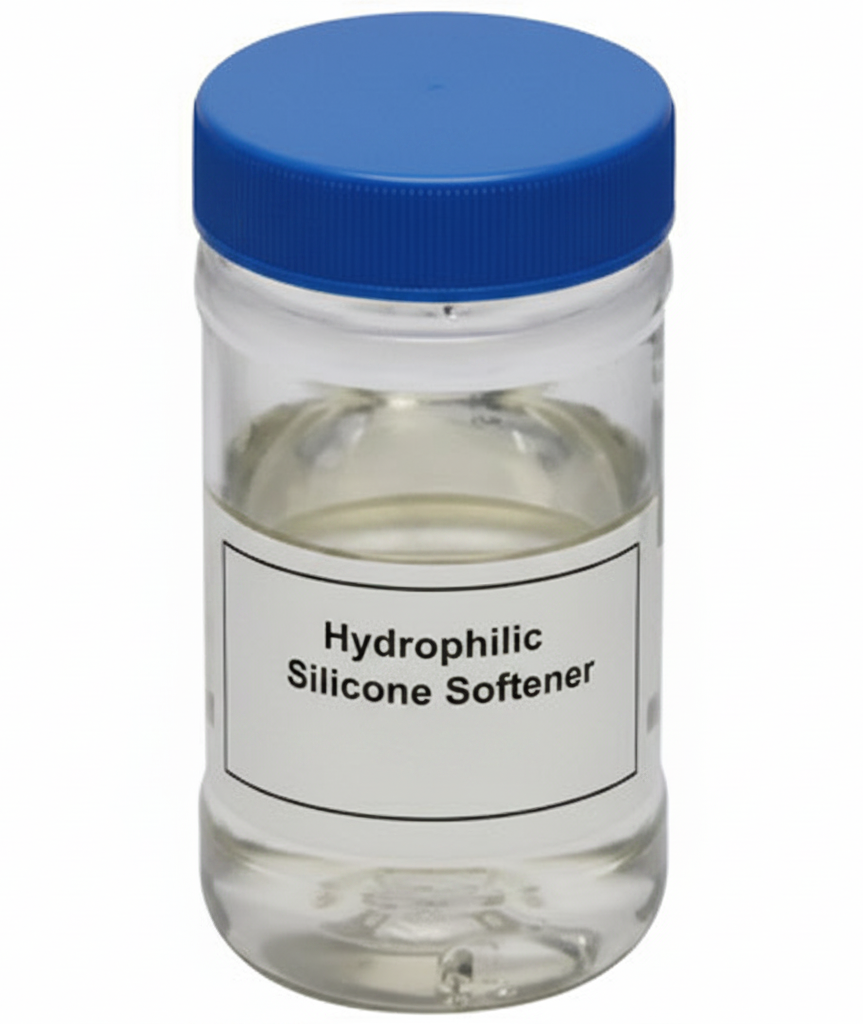
B. Silicone Softener
Most preferred for premium denim finishes.
1. Non‑Ionic Silicone Softener
- Compatible with all dyes
- No shade change
- Medium softness
2. Micro / Macro Emulsion Silicone
- Gives silky, elastic, smooth feel
- Excellent drape
3. Amino Silicone Softener
- Maximum softness and flexibility
- Slight shade deepening possible
C. Anionic / Non‑Ionic Conventional Softener
- Mild softness
- Cost‑effective
- Often used for casual or economy garments
Materials Used
A. Softening Chemicals
| Type | Examples |
|---|---|
| Cationic | Fatty amide softener |
| Silicone | Amino silicone, micro silicone |
| Non‑ionic | Ester‑based softeners |
B. Auxiliaries
- Acetic Acid (pH adjustment)
- Anti‑creasing agent
- Lubricant (optional)
Softener Wash Recipe (Factory‑Level)
A. Standard Softener Wash Recipe
| Stage | Chemical | Dosage | Temp | Time |
|---|---|---|---|---|
| Water Filling | Clean water | Liquor ratio 1:8–1:12 | – | – |
| Softening | Softener | 1–3% owg | 30–40°C | 10–15 min |
| pH Adjustment | Acetic Acid | to pH 5.0–5.5 | – | – |
| Extraction | – | – | – | 3–5 min |
| Drying | – | – | 60–70°C | As required |
B. Silicone Softener Premium Recipe
| Chemical | Dosage |
|---|---|
| Amino Silicone Softener | 0.5–1.5% owg |
| Non‑ionic Softener | 0.5% owg |
| Acetic Acid | pH 5–5.5 |
Softener Wash – Detailed Process Flow
Step 1: Garment Loading
- Load garments at 60–70% machine capacity
- Garments should be clean and neutralized
- Best applied after enzyme / stone / acid wash
Step 2: Water Filling
- Fill machine with soft water
- Maintain liquor ratio 1:8–1:12
Step 3: Add Softener
- Dilute softener separately before dosing
- Add gradually to avoid spotting
- Maintain 30–40°C
Step 4: Softening Treatment
- Run machine for 10–15 minutes
- Low mechanical action
- Ensure uniform chemical distribution
Effect Mechanism:
Softener molecules adsorb onto fiber surface → reduce friction → create lubricated feel
Step 5: pH Control
- Adjust bath pH to 5.0–5.5
- Use acetic acid
- Ensures fabric safety and softener stability
Step 6: Extraction
- Extract for 3–5 minutes
- Avoid over‑extraction (may reduce softness)
Step 7: Drying
- Tumble dry at 60–70°C
- Avoid overdrying to retain softness
- Line drying possible for delicate garments
Visual & Physical Characteristics After Softener Wash
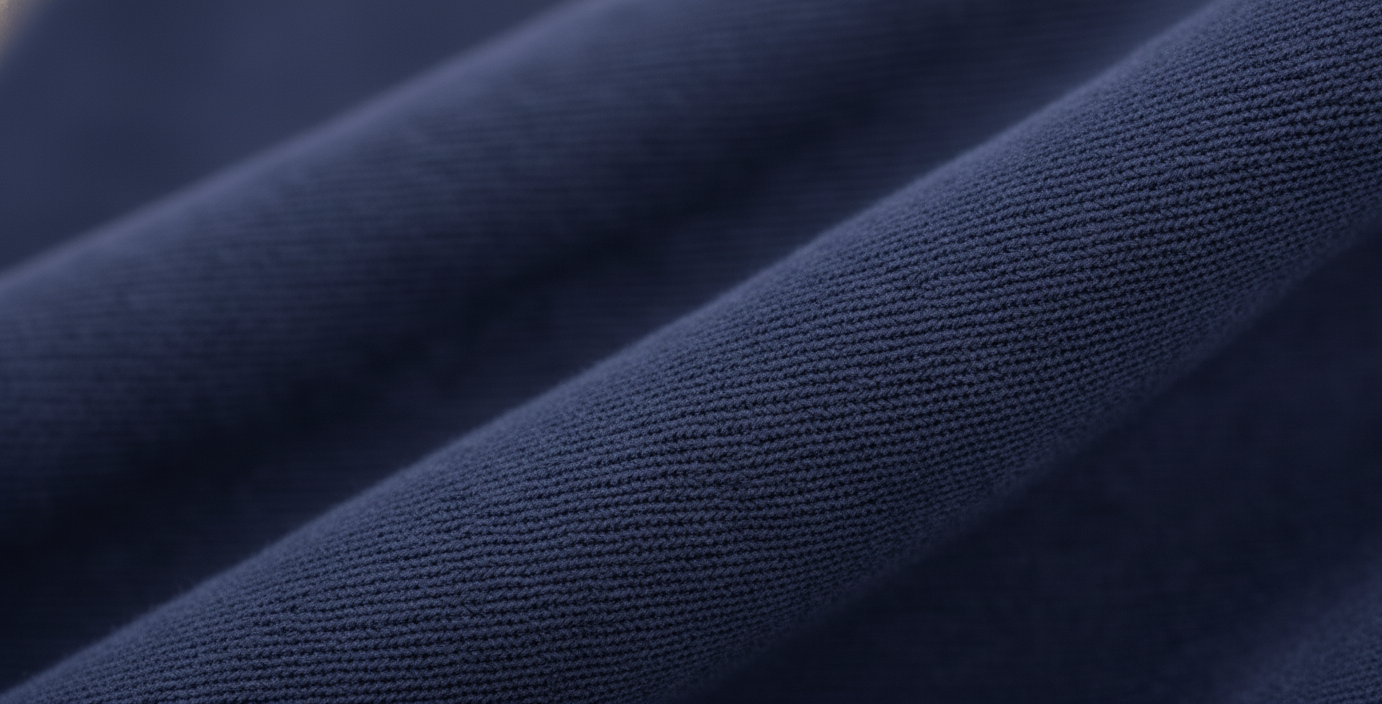
- Very soft and smooth hand feel
- Improved drape and fall
- Reduced fabric stiffness
- No visible shade change (if controlled)
- Enhanced wearing comfort
Common Problems & Solutions
| Issue | Cause | Solution |
|---|---|---|
| Patchy softness | Poor dilution | Pre‑dilute softener |
| Yellowing | Excess amino silicone | Reduce dosage |
| Oily feel | Over‑softening | Lower concentration |
| Reduced absorbency | Heavy cationic use | Switch to silicone |
Advantages of Softener Wash
- Enhances garment comfort
- Low fabric damage
- Simple and cost‑effective
- Essential for premium finishing
- Compatible with all wash types
Challenges & Precautions
- Over‑dosage may cause:
- Slippery surface
- Shade deepening
- Silicone softener requires:
- Controlled pH
- Proper dilution
- Effluent treatment needed for silicone residues
Comparison: Normal Wash vs Softener Wash
| Aspect | Normal Wash | Softener Wash |
|---|---|---|
| Hand Feel | Neutral | Very soft |
| Drape | Average | Improved |
| Comfort Level | Standard | Premium |
| Processing Cost | Low | Medium |
| Fabric Damage | Minimal | Very low |