Why Software Is essential in Garment Production Planning
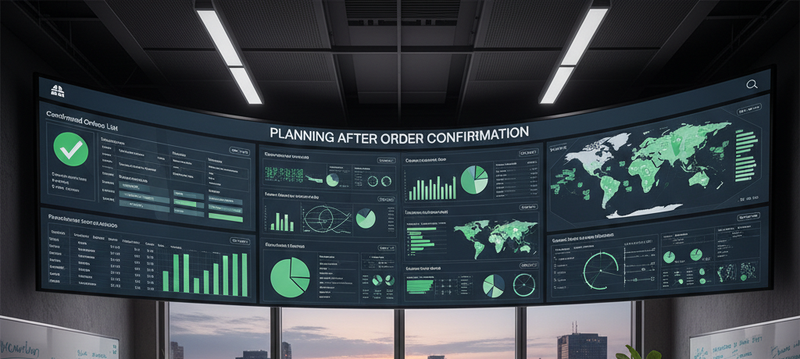
Garment manufacturing is a complex process, requiring processing of huge amount of data on daily basis. Orders, SMVs, production capacity, material availability and daily output all need to be tracked and carefully coordinated. Doing this manually will increase the risk of mistakes, delays and miscommunication significantly. This is where software is important. It allows the transformation of complex data into structured and actionable plans that enable factories to make faster decisions, enhance cross-department coordination and control production. As demand for speed, accuracy and transparency grows, digital tools are no longer a luxury but a necessity in the apparel industry.
How Software Supports Production Planning
Modern software systems help to streamline operations and provide visibility across the entire production cycle. They allow factories to be more efficient and respond quickly to changes.
Key benefits include:
Converting orders into executable plans
Breaks down buyer orders into production schedules and actionable tasks
Visualizing capacity and bottlenecks
Helps identify overloaded lines or underutilized resources
Tracking material readiness
Ensures fabrics, trims and accessories are available for production
Monitoring shop-floor execution
Provides a real time update on production progress and output
Improving delivery reliability and cost control
Reduces delays, re-work and unnecessary costs
Categories of Commonly Used Software
In practice, most garment factories do not rely on a single system. Instead, they use a combination of different tools, each designed for a specific function within the production process.
- Excel (foundation tool)
- ERP systems (enterprise‑wide planning)
- MES systems (shop‑floor execution)
- Apparel‑specific planning and costing tools
Microsoft Excel (Base Planning Tool)
Role of Excel in Garment Factories
Excel remains the most widely used planning tool across garment factories, regardless of ERP implementation.
Typical Uses
- Capacity calculation and booking
- Master production planning (MPP)
- Line loading and balancing plans
- Material requirement planning (fabric & trims)
- Daily production tracking
- Efficiency and KPI reporting
Strengths
- Flexible and customizable
- Low cost
- Easy to train planners and IE teams
Limitations
- Manual data handling
- Version control issues
- Not real‑time
- High dependency on individual planner skills
Excel is powerful for planning logic but weak for execution control.
ERP Systems (Enterprise Resource Planning)
ERP systems integrate order management, materials, production planning, finance and inventory into a centralized database.
Role in Garment Planning
- Confirm order details
- Track material procurement & inventory
- Create high‑level production plans
- Coordinate cross‑department data
Strengths
- Single source of truth
- Better material visibility
- Integration with finance & compliance
Limitations
- Less detailed shop‑floor control
- Slower to react to daily changes
- Requires disciplined data entry
ERP answers “what should happen”, not “what is happening right now”.
MES (Manufacturing Execution Systems)
MES focuses on real‑time production execution at line and operator level.
Role in Garment Factories
- Real‑time output monitoring
- Line efficiency tracking
- WIP and bottleneck visibility
- Operator performance tracking
Strengths
- Live shop‑floor visibility
- Faster corrective action
- Accurate efficiency data
Limitations
- Requires hardware & discipline
- Works best when aligned with ERP
MES closes the gap between plan and actual execution.
Popular Apparel‑Specific Software Systems
Unlike generic ERP tools, apparel‑specific systems are designed around SMV, styles, seasons and fast fashion cycles.
FastReact (Planning & Scheduling)
Primary Focus
- Capacity planning
- Line loading & scheduling
- What‑if simulation
Used By
- Planners
- Production managers
Key Strengths
- Visual planning horizon
- Dynamic rescheduling
- Strong delivery‑date control
Typical Use Case
Factories producing for fast‑fashion brands with frequent style changes.
BlueCherry (ERP for Apparel)
Primary Focus
- End‑to‑end apparel ERP
- Order, sourcing, production, inventory
Key Strengths
- Apparel‑specific workflows
- Integration across departments
- Strong sourcing & order management
Typical Use Case
FOB factories and apparel brands requiring full visibility from order to shipment.
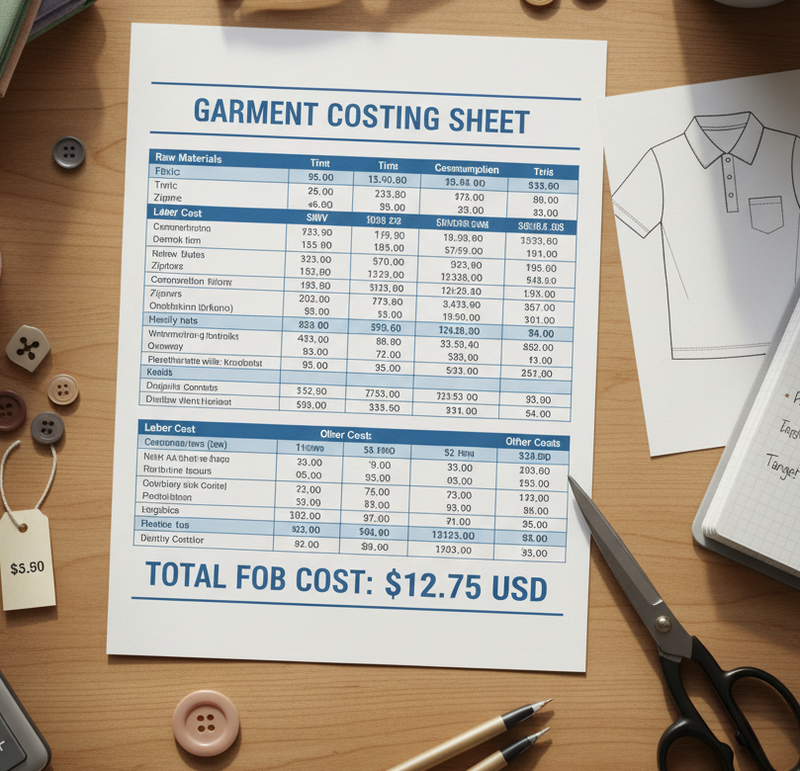
GSDCost (Costing & Work Measurement)
Primary Focus
- SMV calculation
- Method engineering
- Cost standardization
Used By
- IE teams
- Costing departments
Key Strengths
- Scientifically built SMVs
- Consistent costing
- Benchmarking across factories
GSD is foundational for accurate planning and capacity calculation.
SAP Apparel & Fashion
Primary Focus
- Enterprise‑level ERP for large organizations
Key Strengths
- Scalability
- Integration with finance, HR, compliance
- Strong reporting and governance
Typical Use Case
Large multinational apparel groups with multiple factories and regions.
Infor Fashion (Infor CloudSuite Fashion)
Primary Focus
- Apparel‑specific ERP + planning
Official Website
Key Strengths
- Season‑based planning
- Product lifecycle management (PLM)
- Fashion‑focused analytics
Typical Use Case
Brands and vendors managing complex style and season calendars.
How Factories Commonly Combine These Systems
A realistic factory setup looks like this:
| Function | Tool Used |
| Capacity & master planning | Excel / FastReact |
| Order & material control | ERP (SAP / BlueCherry / Infor) |
| Costing & SMV | GSDCost |
| Real‑time production | MES |
Best‑performing factories integrate tools instead of replacing Excel entirely.
Key Takeaways
In modern garment production planning, software plays a crucial role, but each system has a specific function. Rather than relying on one tool, factories use a combination of systems to manage different aspects of planning and execution.
Excel continues to be the foundation because of its flexibility and ease of use for calculations, planning sheets and quick analysis. At the same time, ERP systems handle enterprise-wide data, especially for materials orders and financial tracking. MES systems bring visibility to the shop floor by monitoring real-time production and performance. In addition, apparel-specific planning and costing tools help improve accuracy and speed by addressing industry-specific needs.
Key points to remember:
- Excel remains the backbone for daily planning and analysis
- ERP systems control data flow and material management
- MES systems focus on shop-floor execution and monitoring
- Apparel-specific tools improve planning accuracy and speed
- Software supports planning, but logic and decision-making remain critical
Conclusion
There is not a single “perfect” software solution for garment production planning. Successful factories take a multi-tier digital approach, combining the flexibility of Excel, the integration of ERP systems, the real-time visibility of MES and the accuracy of apparel-specific tools. Both systems complement each other creating a more efficient and transparent production environment.
But it is important to know that software alone can not guarantee success. Good planning still needs good planners, realistic assumptions and disciplined execution. Technology is an enabler – but the real outcome depends on how well planning strategies are developed and executed.
✅ Simply put, software empowers production planning. But strong planning logic and execution are what will eventually ensure timely delivery, cost control and consistent performance.